0086 15335008985


 русский
 Español
Cat:Multi Turn Electric Actuator
The AUKEMA rotary intelligent electric actuator has two control types: AK intelligent switch type and AKM intelligent ad...
See Details
 Search
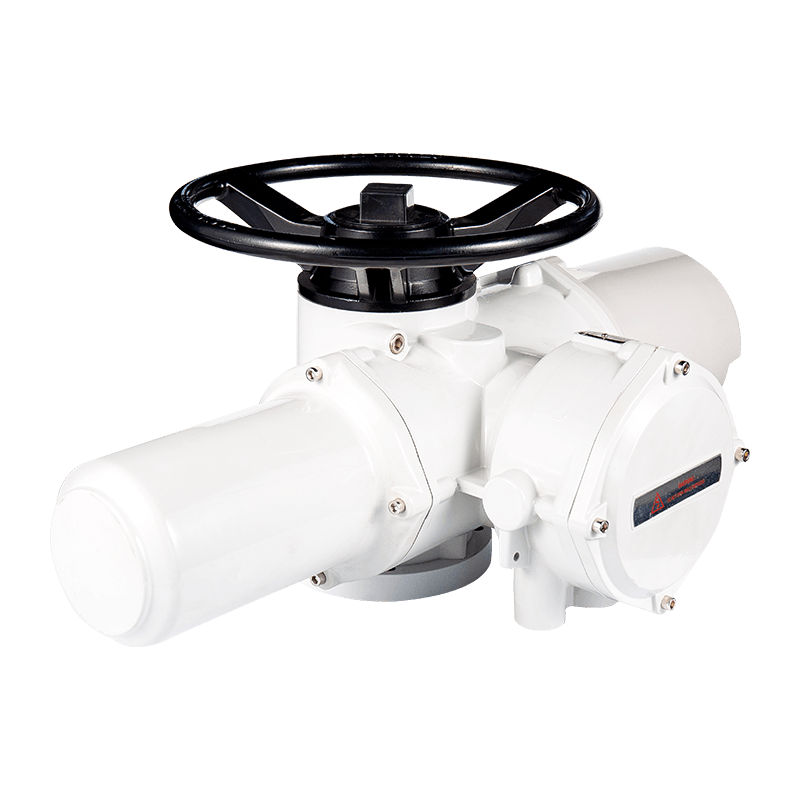
In a chemical plant, an operator sitting in a control room needs to adjust the flow of a process line by moving a valve from 45% open to 70% open. Without a proper actuator, this task would require a technician to walk to the valve and turn a handwheel. A control valve actuator solves this problem by receiving a command signal and moving the valve to the exact position required.
The actuator is the motor of the valve. It accepts a control signal from a PLC or DCS and converts it into mechanical motion that opens, closes, or partially opens a valve. Its performance directly affects the safety, efficiency, and stability of the entire process loop.
Control valve actuators are broadly grouped by their power source: electric, pneumatic, and hydraulic. The most common choices in industrial applications are electric and pneumatic.
Electric actuators use a motor and gear train to produce torque or thrust. They fall into three categories based on travel type:
Pneumatic actuators use compressed air as the power source. They are preferred in environments where air supply is available and where fast response or fail-safe action by spring return is required. The two main designs are:
Hydraulic actuators use pressurized hydraulic fluid. They deliver very high torque and are used in heavy-duty applications such as large dam gates or high-pressure pipelines. However, they require hydraulic power units and maintenance, which increases lifecycle cost.
To see how electric and pneumatic options compare on a practical level, refer to this technical assessment of electric versus pneumatic actuators.
| Feature | Electric Actuator | Pneumatic Actuator |
|---|---|---|
| Power source | Electricity | Compressed air |
| Response speed | Moderate | Fast |
| Positioning accuracy | High with intelligent control | Good with positioner |
| Fail-safe mode | Requires battery or capacitor | Spring return available |
| Explosion-proof option | Available with certification | Inherently safe, no spark |
| Maintenance complexity | Moderate to high | Low to moderate |
| Best suited for | Remote or automated plants | Fast-acting and fail-safe applications |
Choosing the right actuator starts with the valve itself. The actuator must produce enough torque or thrust to operate the valve under the most severe packing friction, line pressure, and temperature conditions. A common industry rule is to select an actuator with 1.25 to 2 times the calculated maximum torque, depending on the safety factor required by the application.
First, determine whether the valve is multi-turn, quarter-turn, or linear. Multi-turn valves need an actuator that can rotate the stem through many turns, such as a multi-turn intelligent electric actuator. For a linear valve, choose a straight-stroke actuator that provides thrust instead of torque.
 AK and AKZ Multi-Turn Intelligent Electric Actuators for Globe and Gate ValvesThese intelligent actuators offer switch and modulating control, suitable for multi-turn valves like globe and gate valves. They provide reliable operation and diagnostic capabilities, making them a solid choice for automating linear motion valves.View Product →
Modern actuators accept 4-20 mA analog signals, HART, Modbus, Profibus, or fieldbus protocols. Make sure the actuator's input/output interface is compatible with your control system. Intelligent actuators also provide valve position feedback, torque limits, and diagnostic data. For quarter-turn ball or butterfly valves, an intelligent quarter-turn electric actuator combines these functions in one compact unit.
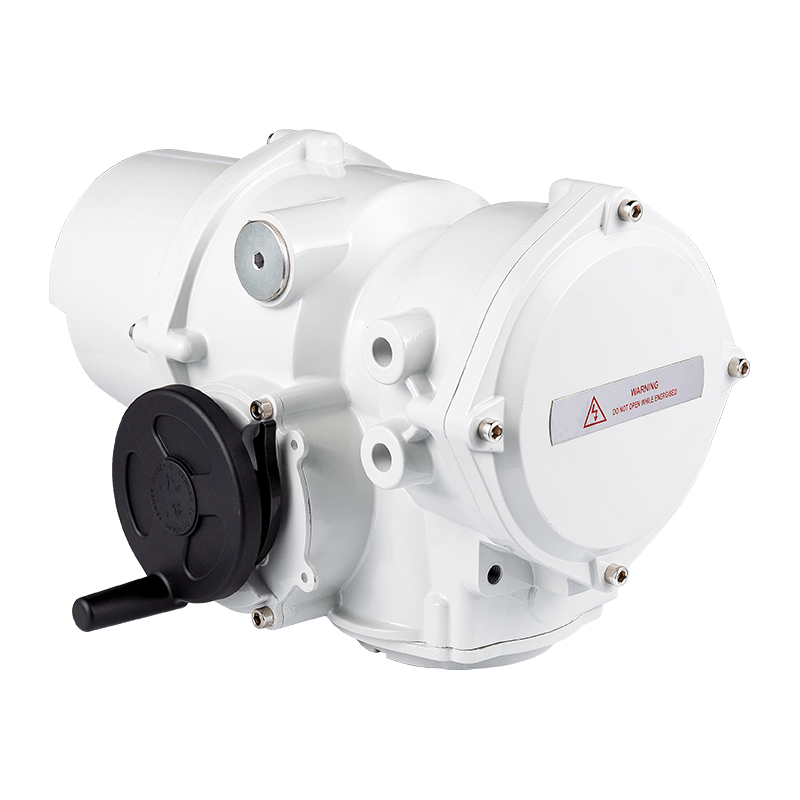 AKQ and AKQM Quarter-Turn Intelligent Electric Actuators for 90-Degree ValvesDesigned for ball, butterfly, and plug valves, these compact actuators provide direct-drive angular travel with torque and position control. They include a built-in data logger and offer IP67/IP68 options, ideal for precise quarter-turn control.View Product →
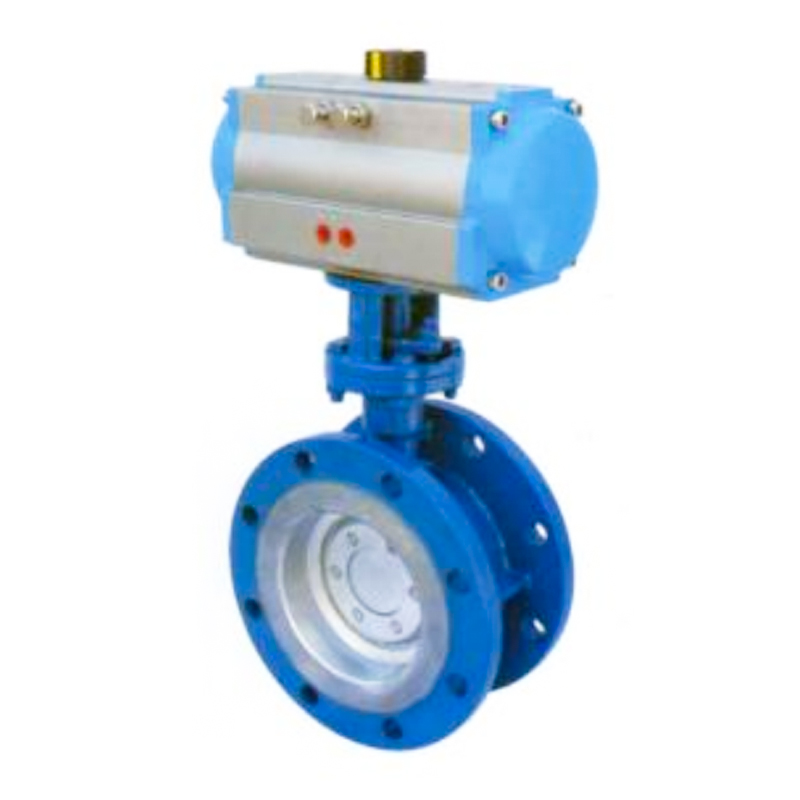
Ask what the valve should do when power or air is lost. Options include fail-open, fail-close, or stay-in-last-position. Electric actuators can achieve fail-safe behavior with backup batteries or capacitors. Pneumatic actuators can use spring returns to automatically move the valve to the safe position. For a pneumatic installation, a rack and pinion pneumatic actuator with an air filter regulator and positioner provides reliable, repeatable control.
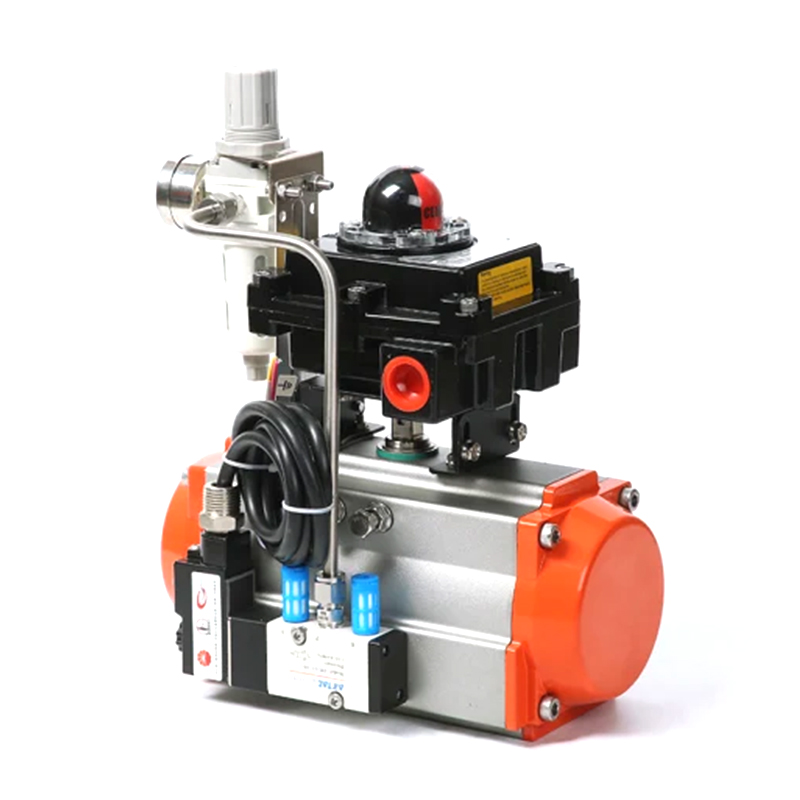 AKT Series Rack and Pinion Pneumatic Actuators with Double or Single Acting OptionsThese pneumatic actuators feature smooth operation, long service life, and high corrosion resistance. With adjustable torque and safety factors for selection, they offer a cost-effective solution for pneumatic valve automation in various environments.View Product →
Outdoor installations and hazardous areas demand specific protection levels. Check the ingress protection rating (IP67 or IP68) and, for combustible environments, the explosion-proof certification. For mining applications, the actuator may need a mining safety approval. Selecting a certified actuator early in the design phase avoids costly rework.
The most frequent problem in actuator procurement is undersizing. If the actuator torque is too low, the valve will not open fully, or it will stall when packing friction increases after years of service. The result is a process that cannot reach the desired flow rate, or a valve that fails to close during an emergency.
Another mistake is ignoring high ambient temperatures or corrosive environments. Electric actuators with motors that overheat in hot climates will trip on thermal overload. In coastal or chemical plants, the enclosure material and coating must be matched to the medium.
Control protocol mismatches are also common. An actuator that only supports on/off control cannot be used for modulating service. If the system requires 4-20 mA control, the actuator must include a positioner or a proportional control board. Sizing errors and protocol mismatches are among the leading causes of field failures, so it is worth studying how proper valve actuator sizing prevents costly field failures before placing an order.
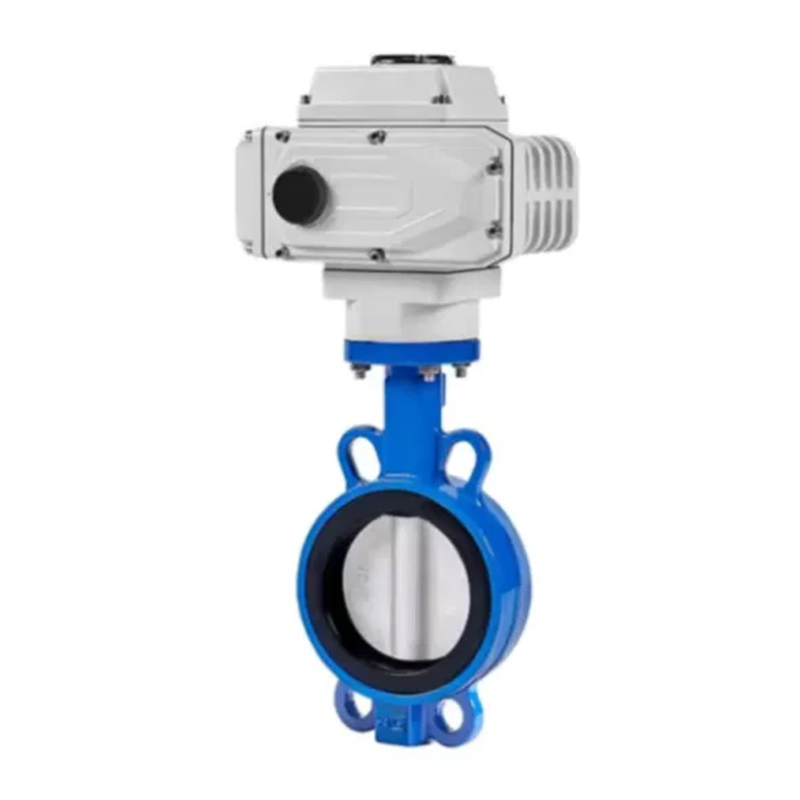
Actuators are used across a wide range of process industries. In power plants and desulfurization systems, electric actuators control flue gas dampers and slurry valves. The desulfurization butterfly valve paired with an electric actuator handles corrosive gypsum slurry.
In natural gas pipelines, explosion-proof actuators are mandatory. Actuators must meet ATEX or equivalent local standards to ensure safe operation in potentially flammable atmospheres. For water treatment plants, quarter-turn actuators on hard-sealed flange butterfly valves handle raw water, treated water, and effluent lines.
Coal mines require special equipment. Mining-grade electric actuators and control boxes are designed to withstand dust, vibration, and underground explosion hazards. Fire-fighting systems and shipboard piping also rely on actuators that can operate remotely and respond quickly when a valve must be closed to isolate a section of the system.
Base your decision on the available power source, response time, and fail-safe requirements. If you have compressed air and need fast actuation, choose a pneumatic actuator. If you need precise, remote control and have electricity available, choose an electric actuator. Consider lifecycle cost as well, because pneumatic systems require an air supply system and regular air quality management.
Start with the valve manufacturer's recommended breaking, seating, and running torque. Then apply a safety factor of at least 1.25 for normal service and up to 2.0 for severe service. If the valve is a gate valve, note the seating torque. If it is a butterfly valve, check the unseating torque after the valve has been closed for a long time.
Fail-safe defines what the valve does when power or air is lost. A fail-close actuator closes the valve to stop flow, a fail-open actuator opens it to allow flow, and a last-position actuator holds the valve where it is. In electrically powered systems, this is often done with a battery or supercapacitor backup. Pneumatic actuators can achieve fail-safe through spring return.
The certification depends on the gas or dust classification in the location. For gas atmospheres, common certifications include Ex d (flameproof) and Ex mb (encapsulated). For mining environments, additional mining safety marks may be required. Always confirm the temperature class (T4, T6, etc.) matches the auto-ignition temperature of the medium.
Selecting a control valve actuator is not a one-size-fits-all decision. It requires a clear understanding of the valve type, required torque, control signal, fail-safe behavior, and environmental conditions. By matching the actuator to the application and avoiding common sizing errors, you can improve process reliability and reduce maintenance costs. Interact with your actuator supplier early in the design stage to confirm sizing, certifications, and auxiliary components such as gearboxes or positioners, because the right combination will keep your process running safely for years.
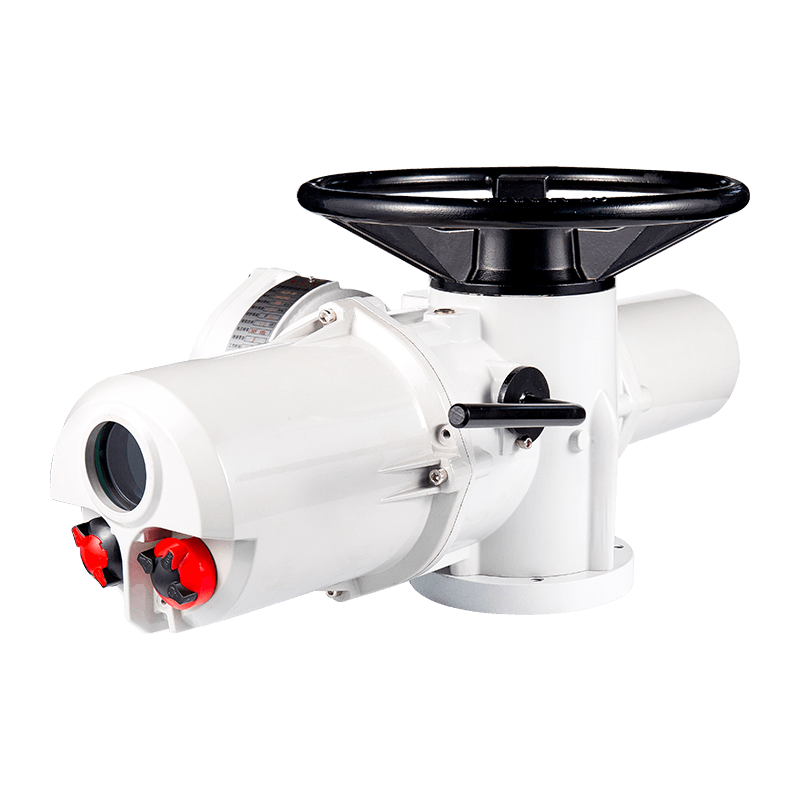
The AUKEMA rotary intelligent electric actuator has two control types: AK intelligent switch type and AKM intelligent ad...
See Details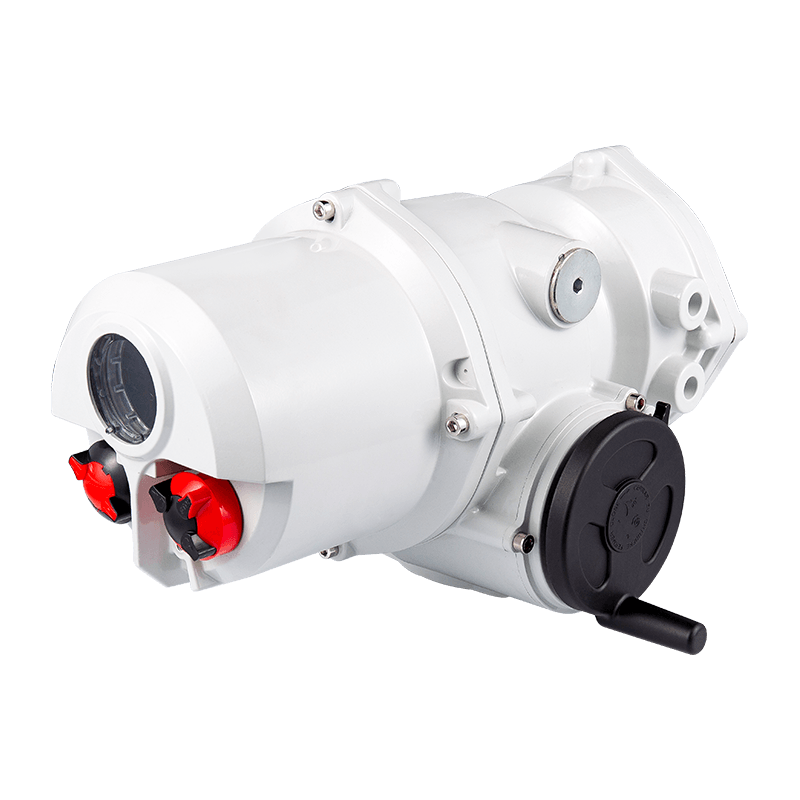
The AUKEMA partially rotating intelligent electric actuator has two control types: AKQ intelligent switch type and AKQM ...
See Details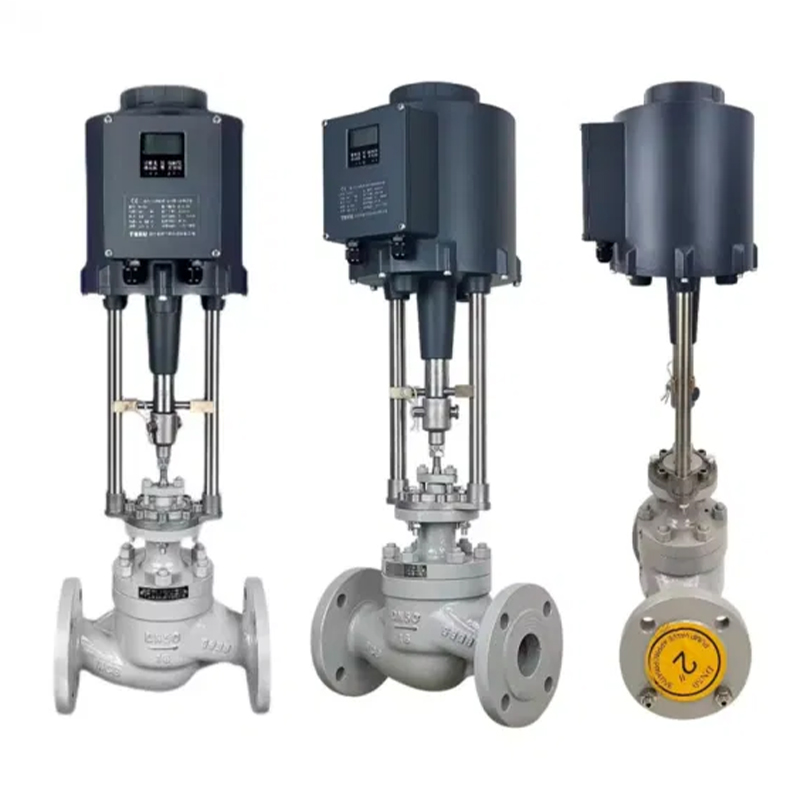
Mainly used in the industrial field, equipped with the new Keyou A8 intelligent valve actuator control system, it has po...
See Details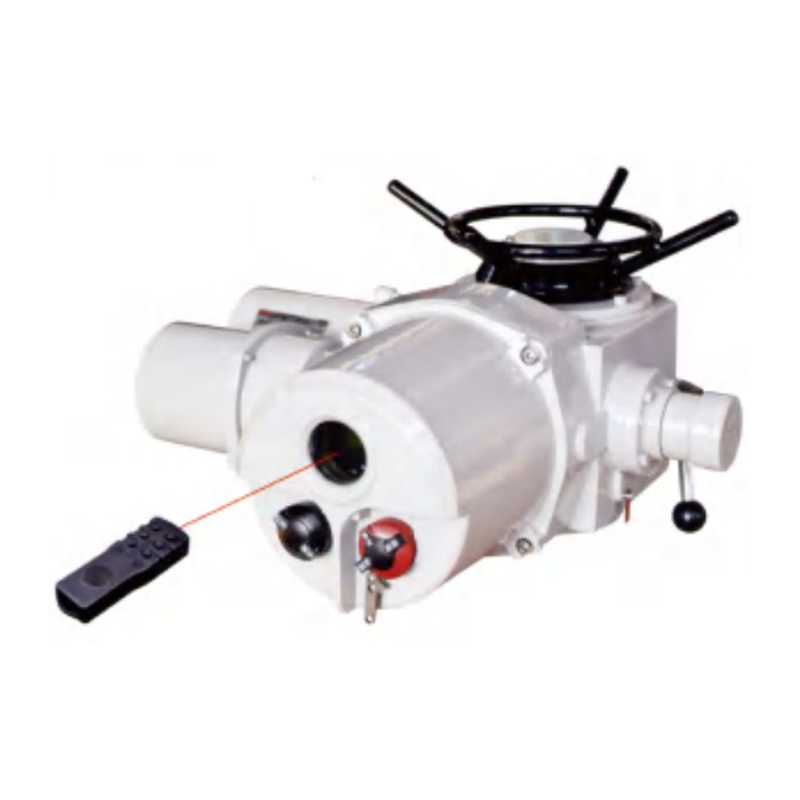
The CND-Z series is a multi turn intelligent non-invasive electric device that introduces the latest analog digital tech...
See Details

Copyright 2024 Changzhou Xinneng Automatic Control Equipment Co., Ltd All Rights Reserved.