0086 15335008985


 русский
 Español
Cat:Multi Turn Electric Actuator
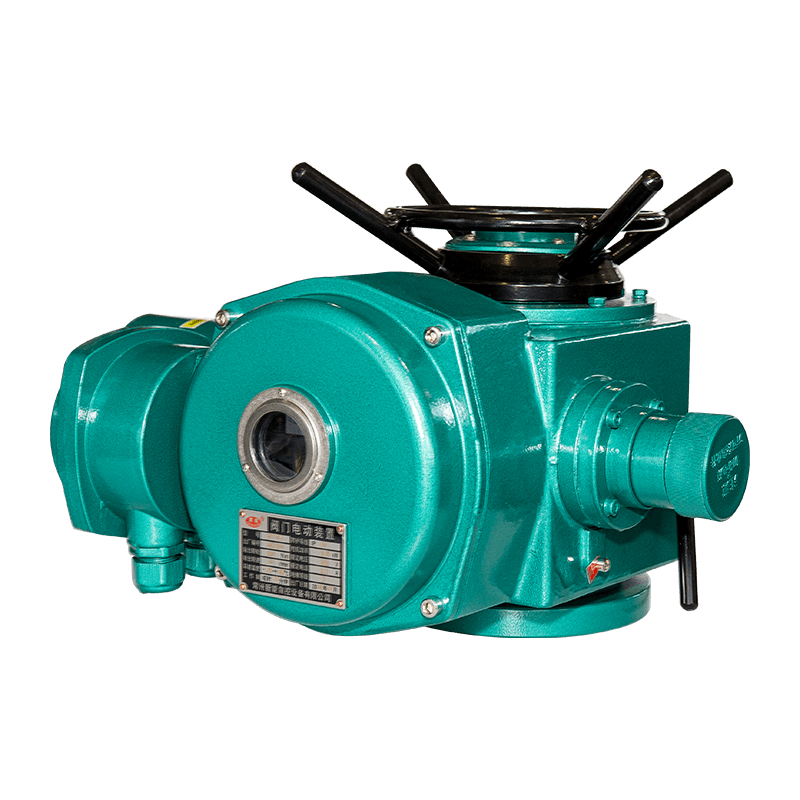
The AUKEMA rotary intelligent electric actuator has two control types: AK intelligent switch type and AKM intelligent ad...
See Details
 Search
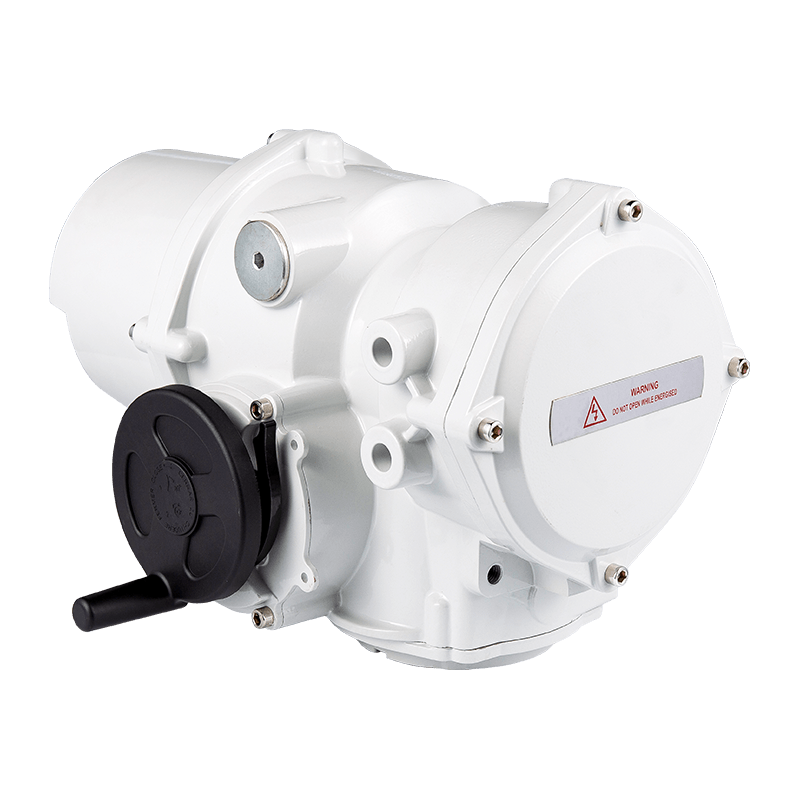
Choose an electric actuator from the valve's nominal diameter alone and the error usually surfaces on commissioning day: the motor hums, the torque trip fires, and a gate valve that moved freely on the bench stalls on a loaded line. The fix is a fixed selection order, not a bigger budget.
Work through four filters in sequence – valve motion, torque or thrust, duty cycle and control, then environment and certification – and the market shortlist narrows to one or two models within an afternoon. The rest of this guide follows that order and points out the checks that keep failures from reaching the site.
The right actuator is rarely the biggest one. It is the unit that still develops enough torque at the lowest voltage and the highest differential pressure the line will actually see.
Motion is the first filter because it eliminates roughly two thirds of catalogue models before any torque math begins. Every valve falls into one of three travel classes:
Getting this step wrong is expensive in both directions: a quarter-turn unit on a gate valve cannot deliver the travel, and a multi-turn unit on a butterfly valve will slam the disc and shock the seat. Where the two rotary classes overlap in a plant, it is worth reading how quarter-turn and multi-turn electric actuators differ in torque profile and travel before committing to a frame size.
AKQ and AKQM Partial Rotary Intelligent Electric ActuatorA quarter-turn electric actuator for butterfly, ball and plug valves, offering 50–500 Nm torque output, IP67/IP68 sealing, and switch or modulating control. It suits the discussion of matching torque class and travel to quarter-turn valve duties.View Product → 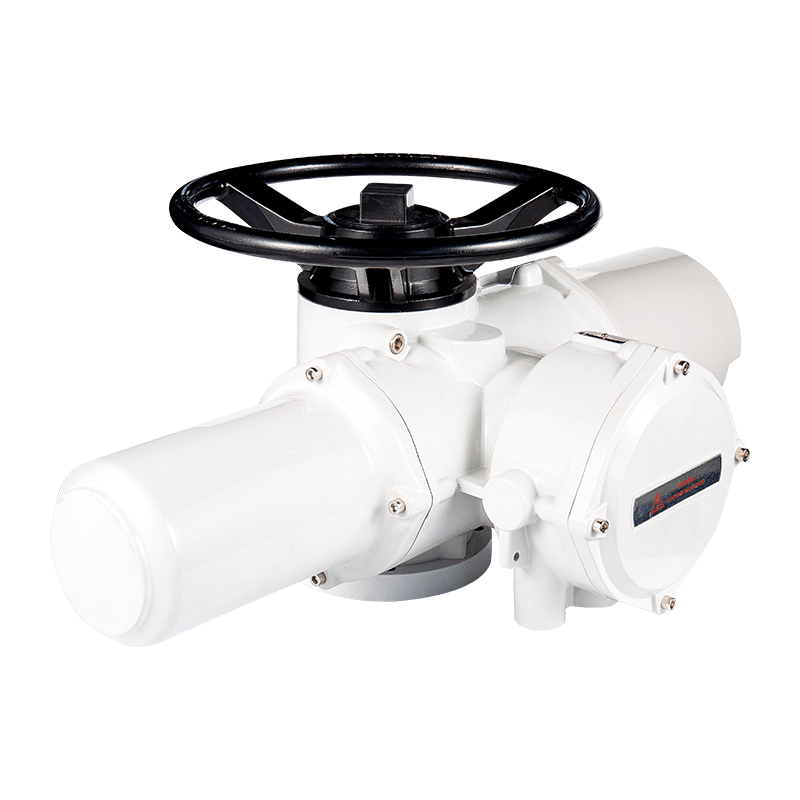 AK and AKZ Multi Turn Intelligent Electric ActuatorA multi-turn electric actuator for globe, gate and throttle valves, available in switch and modulating versions with multiple flange and stem-nut connection options. It represents the multi-turn counterpart needed when travel, not just torque, defines the selection.View Product →
Two valves with the same DN can differ by a factor of three in required torque once media, differential pressure and seat design change. Sizing therefore starts from the valve maker's torque table at real conditions: breakaway, running and end-seating values, recorded at maximum differential pressure with the pump running.
Add margin on top of the seated or breakaway figure. Margins below 25 percent are the most common cause of a stalled opening stroke; grossly oversized units are the most common cause of damaged stems and discs, because an electric actuator does not stall quietly – it keeps pushing until a limit switch or a component gives way.
Two derating checks are routinely skipped. First, AC motor output falls roughly with the square of supply voltage, so a plant running 10 percent low has already lost close to a fifth of the torque the datasheet promises. Second, ambient temperature above rating and frequent starts both reduce usable output; verify both against the manufacturer's curves, not the headline figure.
Add 25–33% above the maximum seated or breakaway torque value.
Use 50–75% margin and confirm the torque table at full differential pressure.
Size at the plant's realistic low-voltage condition, not the nameplate 400 V.
An on/off actuator that runs twice a day and a modulating actuator that corrects position every few seconds are different machines. Check the duty class and permitted starts per hour: short-time on/off duty is easy, while modulating service demands a motor rated for hundreds to over a thousand starts per hour with adequate cooling.
Travel speed is a process decision, not a catalogue guess. A quarter-turn stroke of 15 seconds per 90° is fast enough to contribute to surge, while slower strokes protect long water mains from water hammer. For multi-turn units, match output speed to the valve's turns so the full-stroke time suits the process: mine drainage and fire water lines usually want fast travel, dosing lines do not.
Finally, confirm the electrical supply at the point of installation: three-phase 380/400/415 V at 50/60 Hz is standard in plants, single-phase 220/240 V suits remote or small stations, and 24 V DC supports solar-powered sites. Long cable runs need a voltage-drop check, which feeds straight back into the sizing margin above.
Define what the actuator must hear and what it must report. On/off service needs open and closed limit signals plus torque sensing for reliable seating; modulating service needs a positioner that accepts the plant's standard signal and a position feedback output the control system can trust.
4–20 mA0–10 VModbus RTUProfibus DPLimit switches
Intelligent units simplify this step considerably: parameter setting from a local display, torque and position diagnostics, and a bus interface that drops straight into SCADA. Whatever the class, confirm three items in writing – the input signal range, the feedback output, and whether intermediate positions or emergency-safe travel are required.
Environment decides the enclosure and the certificate, and it is where generic catalogues and real projects diverge most sharply:
The last point deserves emphasis because underground projects are audited, not just inspected. A supplier whose mine series pairs certified explosion-proof devices with matching flameproof control enclosures removes an entire layer of procurement risk. As a reference point, a manufacturer producing more than 10,000 electric valve actuators per year under ISO 9001 certification since 2006 has the production volume and audit history behind those certificates. The same explosion-proof logic carries over to surface gas installations; the way these components behave in natural gas station projects shows how zone ratings translate into actual hardware choices.
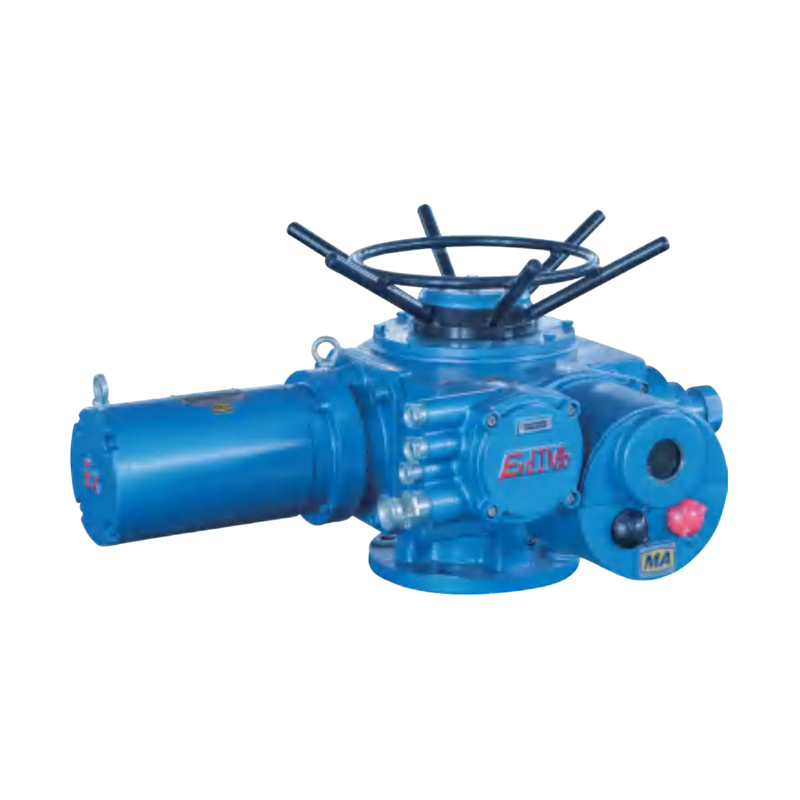
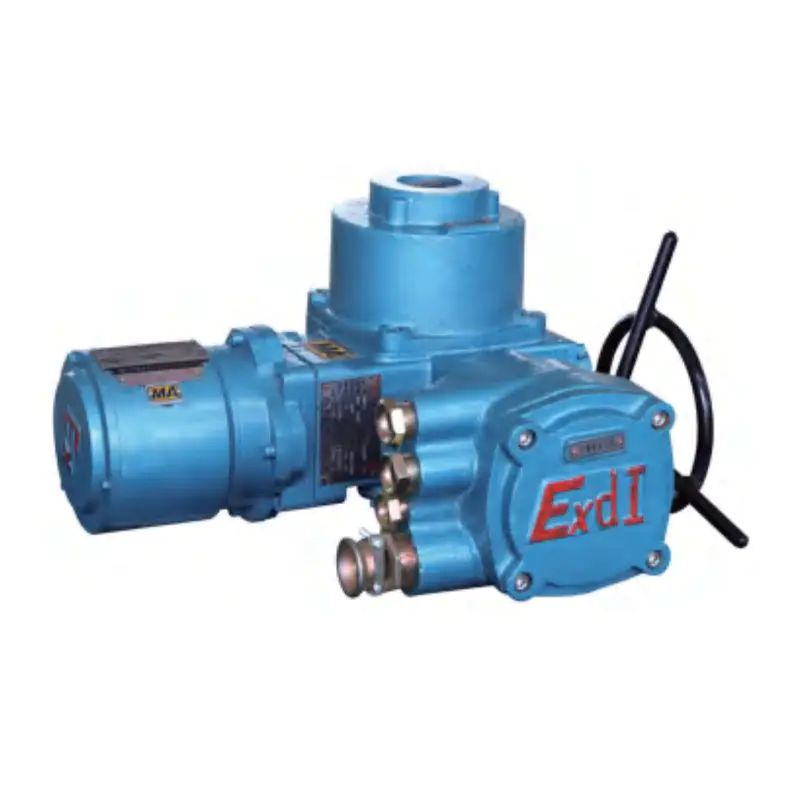
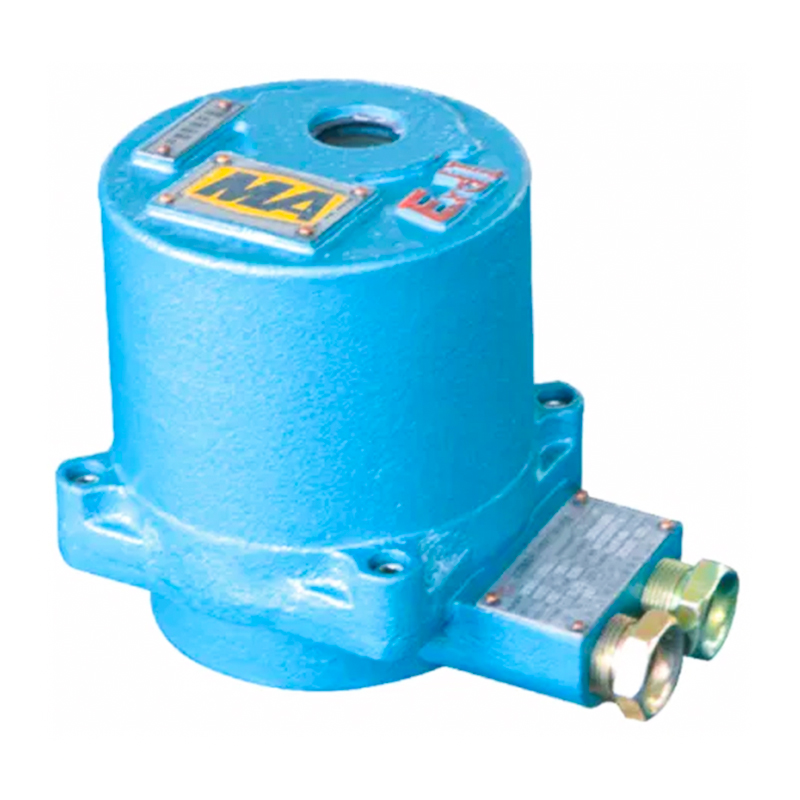
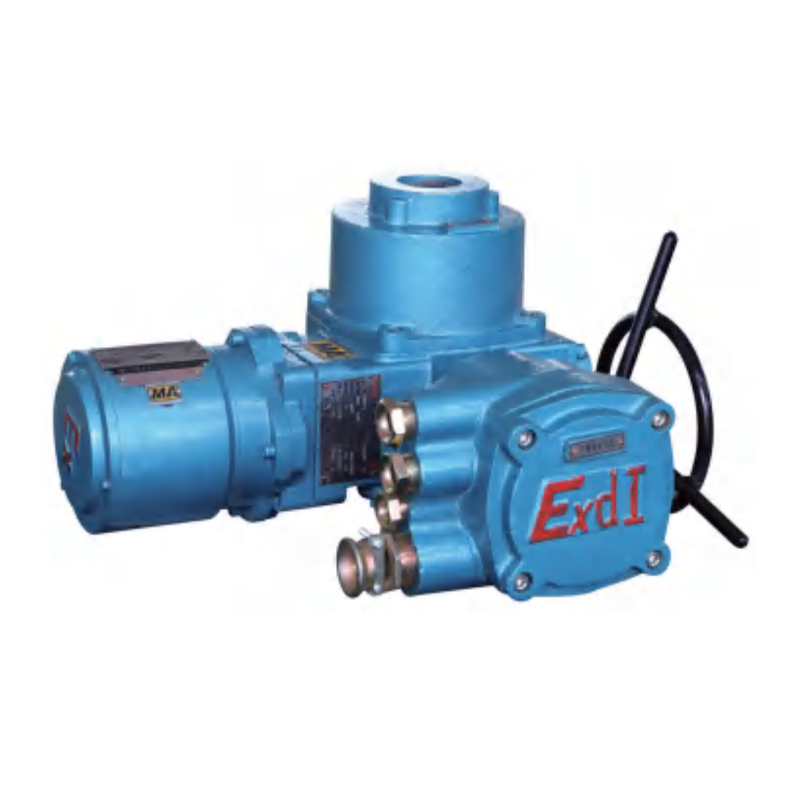 QB Series Mining Explosion-Proof Valve Electric DeviceA mining explosion-proof quarter-turn valve electric device with Exd I Mb marking, designed for coal mine conditions and DCS integration via a matching control box. It illustrates how certified explosion-proof hardware addresses the underground project risks discussed here.View Product →
Mechanical fit is the least glamorous cause of delivery delays. For quarter-turn valves, confirm the mounting flange and coupling dimensions against the valve's drive boss; for multi-turn valves, the actuator flange and the stem nut must be machined to the valve stem's thread, diameter and key. A support bracket that flexes under load will misalign the stem and eat the packing within a season.
Above roughly 1,000 Nm of valve torque – and always for large gate valves – plan the drive train, not just the actuator: a bevel or worm gear box multiplies torque, allows a smaller motor, and provides a handwheel for manual operation during power loss. Check that handwheel effort stays within ergonomic limits and that the changeover between hand and motor drive is unambiguous at the valve.
Compressed to one table, the entire guide fits into a single purchase-order review:
| Selection factor | What to confirm | Frequent mistake |
|---|---|---|
| Valve motion | Quarter-turn, multi-turn or linear travel | Assuming one model spans all valve families |
| Torque or thrust | Breakaway, running and seating values at max differential | Sizing from DN or running torque alone |
| Duty and speed | Starts per hour, stroke time, water-hammer limits | Using an on/off unit for modulating service |
| Control signal | Input signal, feedback output, emergency travel | Discovering a bus protocol mismatch on site |
| Environment | IP rating, temperature range, Ex or mine certificate | Treating a mine or gas certificate as optional |
| Interface and backup | Flange, stem nut, gear box, handwheel effort | Ordering actuator and valve from different drawings |
Start at 25–33 percent above the valve's maximum seated or breakaway torque for clean liquids, and 50–75 percent for slurry, gas or high-differential service. Then re-verify at the site's lowest realistic supply voltage; margin that disappears at 90 percent voltage was never margin.
Some intelligent units are rated for both, but never assume it. Modulating duty is defined by starts per hour and continuous correction; if the datasheet does not state a duty class for modulating service, the motor will run hot and fail early no matter how carefully it was sized.
Where no reliable instrument air exists, where cable power is cheaper to run than compressors, and where precise, slower modulating control is needed. Pneumatic spring-return designs keep the advantage for very fast cycling and inherent fail-safe action; electric units answer with positioning accuracy, diagnostics and simpler site infrastructure.
The actuator needs a valid explosion-proof certificate with the correct group and temperature class, plus the mine product safety mark for underground use; the matching control box should carry the same level of certification. Ask for certificate numbers and verify them, because a mismatched group rating invalidates the whole installation.
Work the six steps in order and electric actuator selection stops being a catalogue gamble: motion narrows the field, torque at real voltage and differential conditions fixes the frame, duty and signals define the control package, and the environment dictates enclosure and certificates. Suppliers who publish torque data, certificate numbers and a clear series structure across multi-turn, quarter-turn and linear families are the ones who can support those six steps with documents rather than promises.
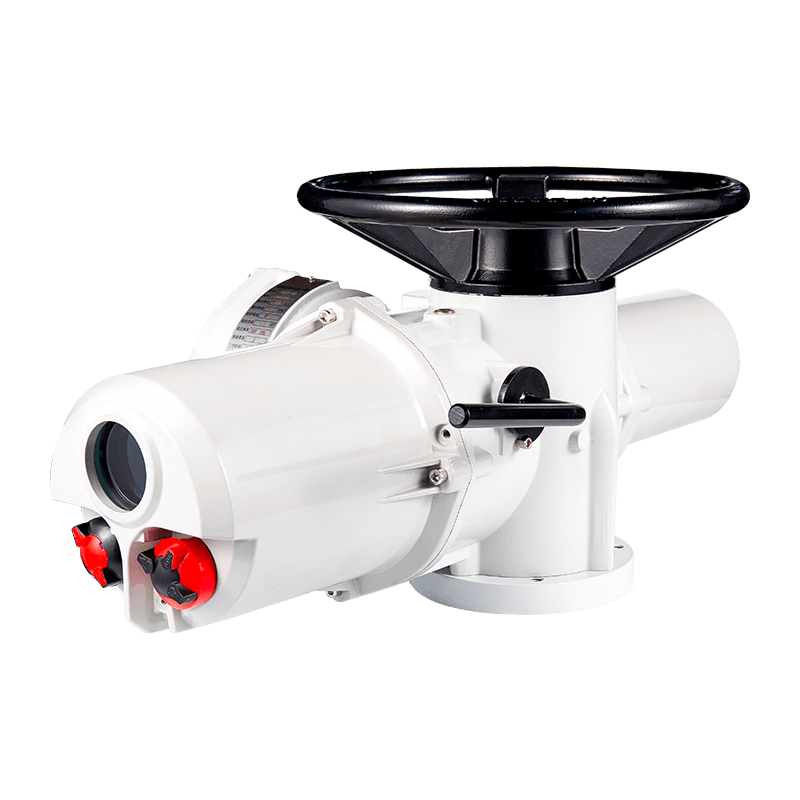
The AUKEMA rotary intelligent electric actuator has two control types: AK intelligent switch type and AKM intelligent ad...
See Details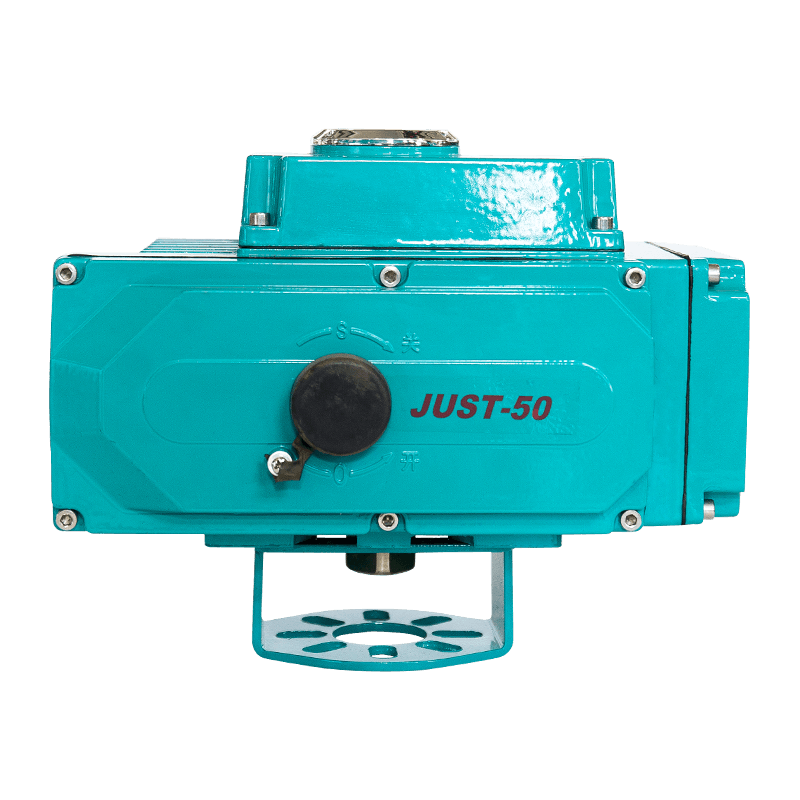
Compared with similar products, the QC series valve electric actuator has desirable performance and undeniable advantage...
See Details

Copyright 2024 Changzhou Xinneng Automatic Control Equipment Co., Ltd All Rights Reserved.