русский
 Español
Understanding Actuator Technology Fundamentals
Actuators represent one of the most critical components in modern industrial automation, serving as the mechanical devices that convert energy into motion. In today's manufacturing and control environments, two primary technologies dominate the market: pneumatic systems and electric actuator solutions. Understanding the distinctions between these technologies is essential for engineers, facility managers, and procurement professionals seeking to optimize their operations.
The choice between pneumatic and electric actuation extends far beyond simple preference. This decision directly impacts system efficiency, operational costs, environmental compliance, and long-term maintenance requirements. As industrial automation becomes increasingly sophisticated and sustainability concerns grow, organizations must evaluate these technologies with comprehensive insight into their respective advantages and limitations.
How Pneumatic Actuators Operate
Core Operational Principles
Pneumatic actuators function through the principle of compressed air expansion. When pressurized air enters the actuator chamber, it pushes against an internal piston or diaphragm, converting pneumatic energy directly into linear or rotational motion. This straightforward mechanism has remained fundamentally unchanged for over a century, speaking to its reliability and proven effectiveness.
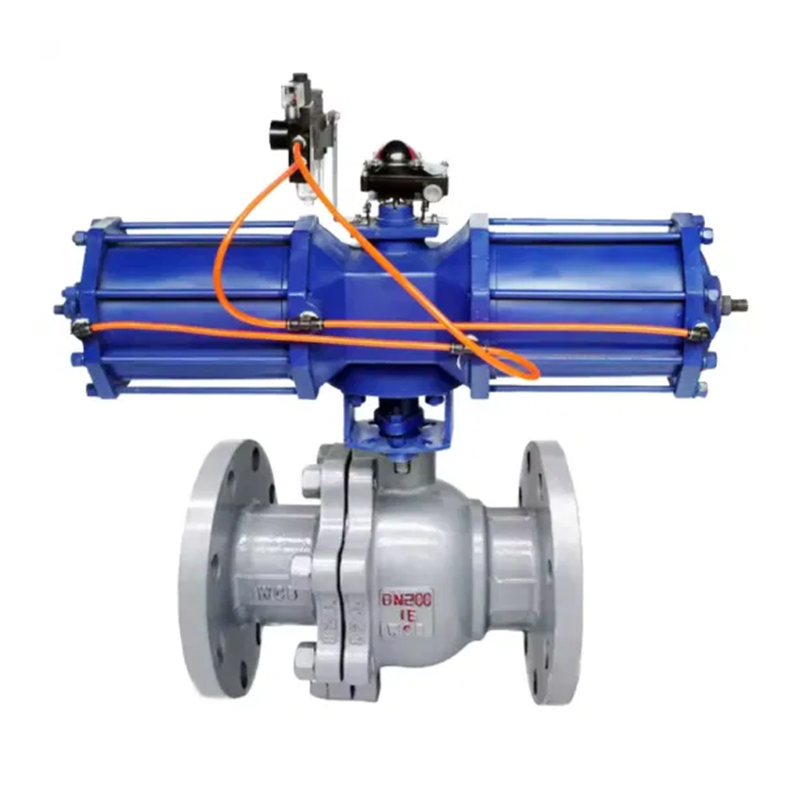
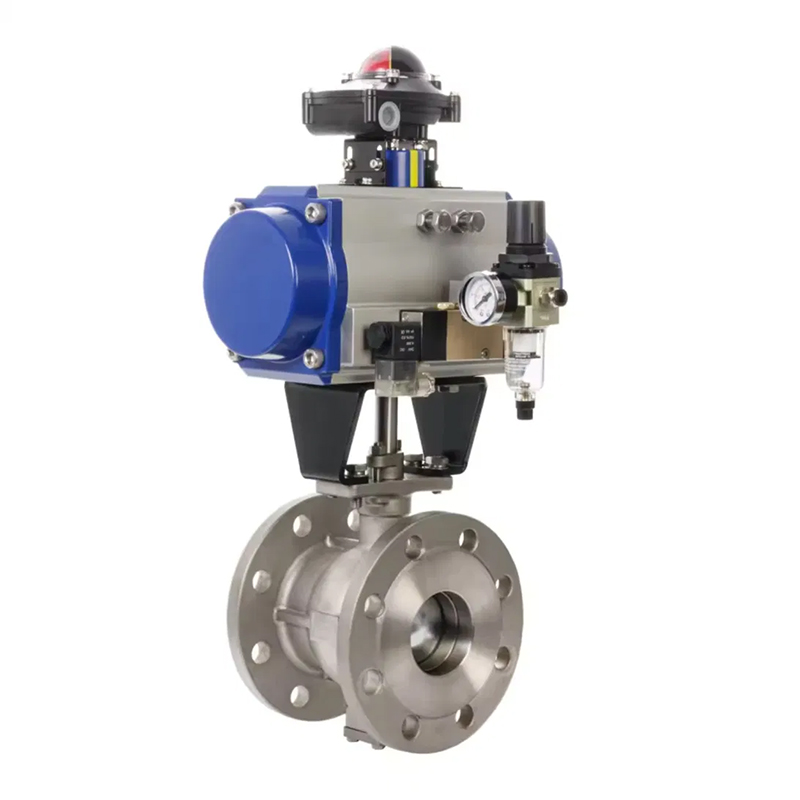
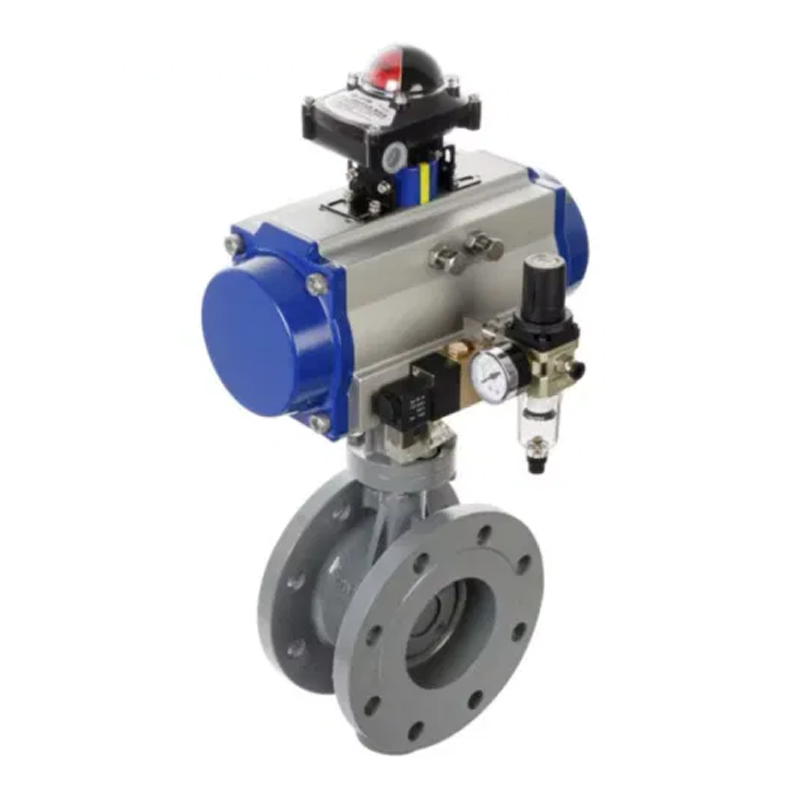
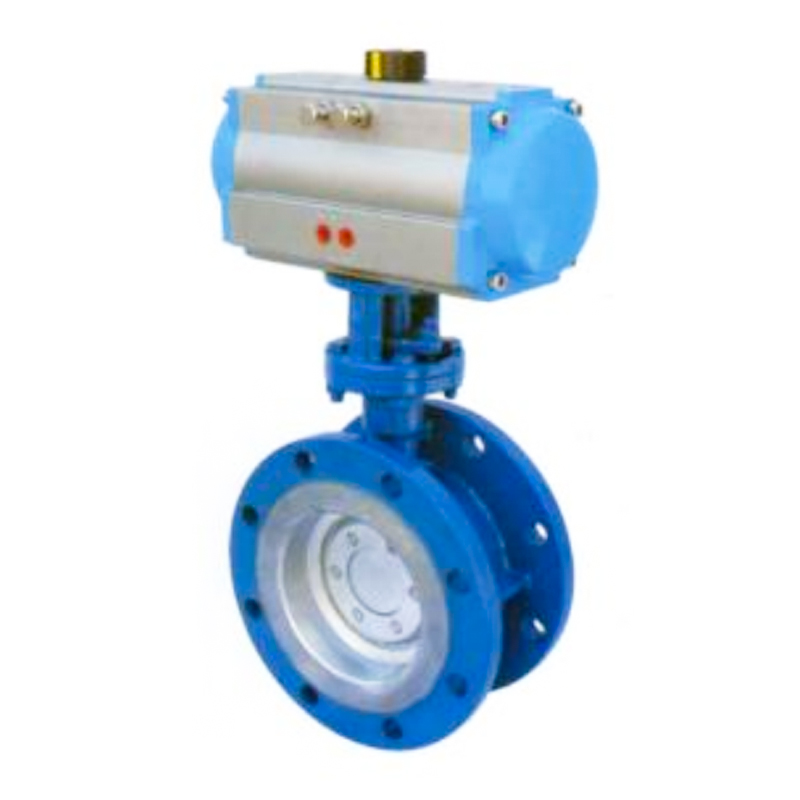
The system requires three primary components: a compressor to generate compressed air, a distribution network of tubing and valves, and the actuator itself. The rotary pneumatic actuator represents the rotational variant of this technology, operating on identical principles but configured to produce continuous or partial rotational motion rather than linear displacement.
Types of Pneumatic Actuators
- Linear pneumatic actuators: Produce straight-line motion, commonly used in clamping, pushing, and material handling applications
- Rotary pneumatic actuators: Generate rotational motion suitable for mixing, valve operation, and positioning applications
- Diaphragm actuators: Employ a flexible membrane for precise, controlled motion in delicate applications
- Rodless cylinders: Provide longer stroke lengths within compact spatial envelopes
- Air motors: Enable continuous rotation for drilling, grinding, and high-speed applications
Electric Actuators: Modern Automation Solutions
Operational Architecture
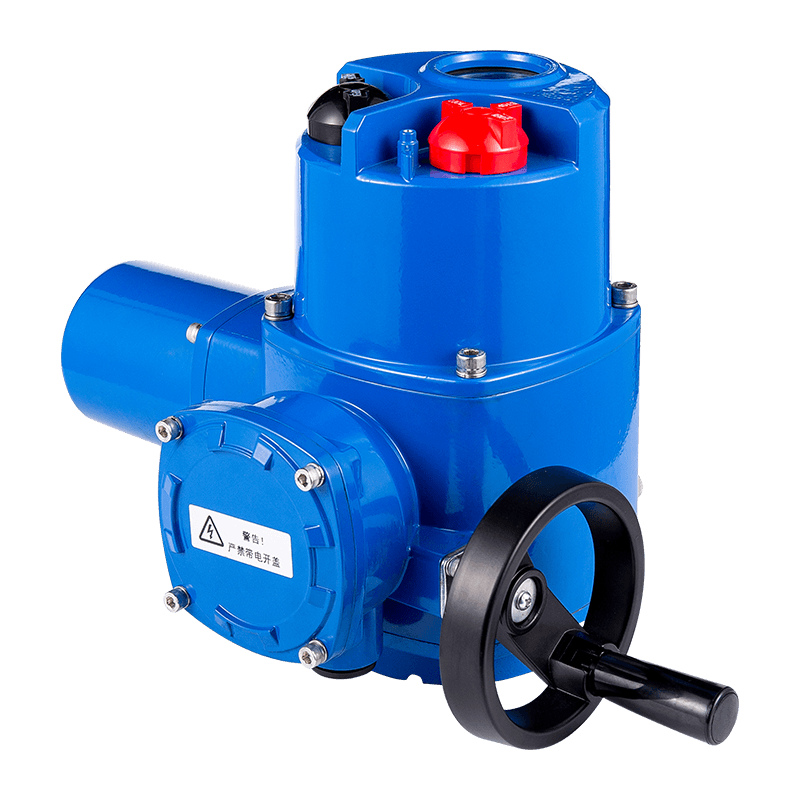
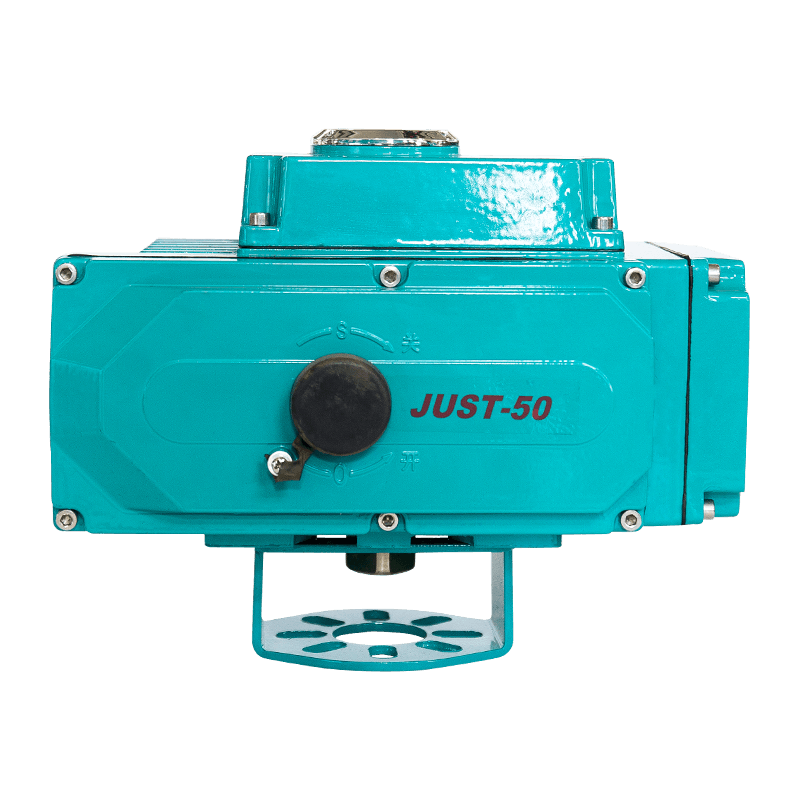
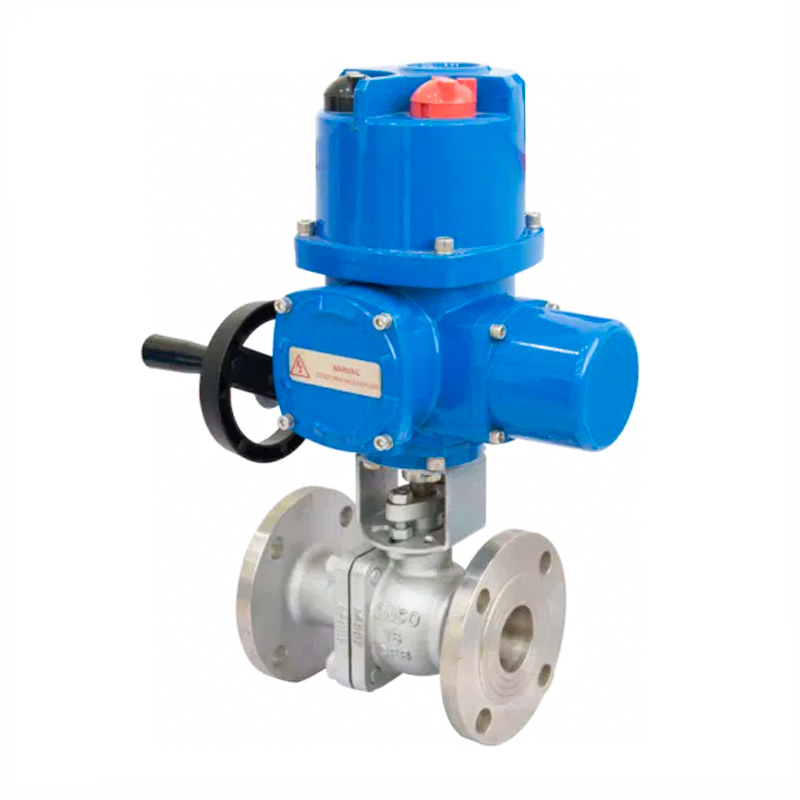
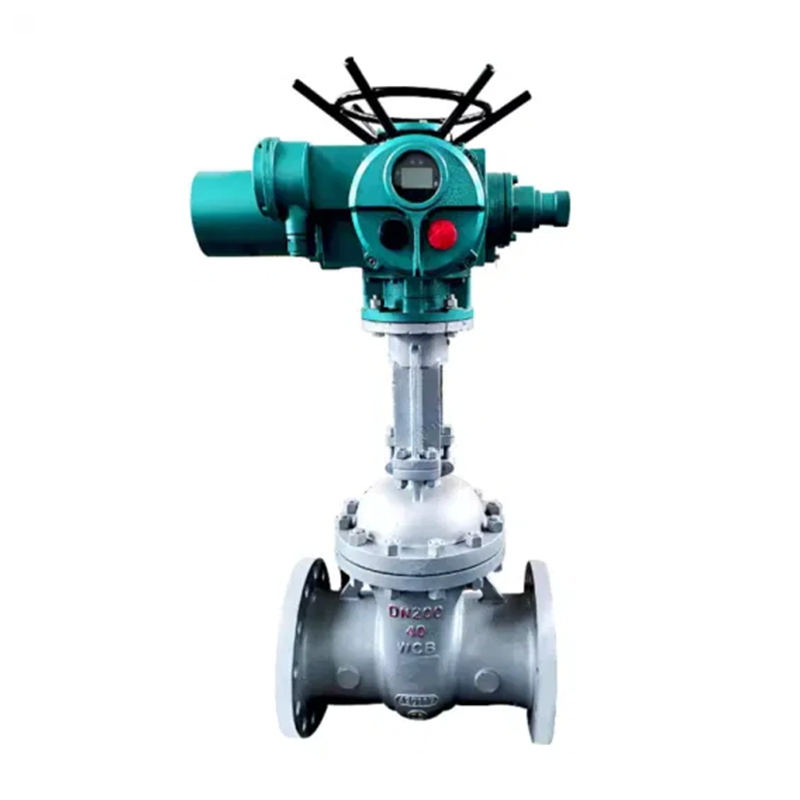
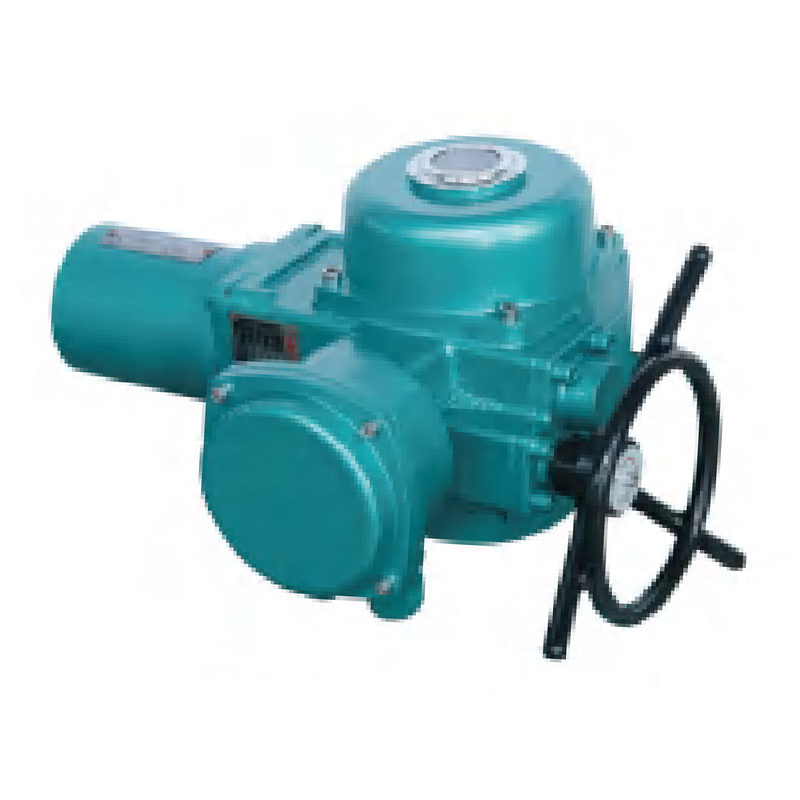
Electric actuators convert electrical energy into mechanical motion through motor-driven mechanisms. Unlike pneumatic systems that rely on continuous compressed air supply, electric actuators draw power only when performing work, offering fundamental efficiency advantages. The electric rotating actuator category includes servomotors, stepper motors, and brushless DC motors adapted for industrial motion control applications.
Electric actuators incorporate sophisticated control electronics, often featuring integrated feedback systems that monitor position, velocity, and force in real time. This technological capability enables precision automation impossible to achieve with basic pneumatic systems, making electric solutions increasingly dominant in precision manufacturing and robotics applications.
Electric Actuator Classifications
- Servo motors: Deliver exceptional precision and dynamic response, ideal for positioning and velocity control
- Stepper motors: Execute precise angular increments without feedback, suitable for open-loop applications
- Brushless DC motors: Offer extended service life and low maintenance requirements with high reliability
- Linear electric actuators: Combine motor technology with mechanical assemblies for straight-line motion
- Multi-axis motion systems: Integrate several actuators for complex, coordinated movements
Direct Comparison: Pneumatic vs Electric Actuators
The following comprehensive comparison addresses the primary selection criteria that influence actuator choice across diverse industrial applications.
| Criteria | Pneumatic Actuators | Electric Actuators |
|---|---|---|
| Energy Efficiency | 30-50% efficient, continuous air loss | 85-95% efficient, on-demand consumption |
| Initial Investment | Lower equipment costs, infrastructure required | Higher component costs, simpler infrastructure |
| Operating Speed | Fast response, 0.1-1 second typical | Programmable, variable from 0.01-10 seconds |
| Precision Control | Limited accuracy, ±5-10mm typical | High precision, ±0.1mm achievable |
| Operating Cost | High energy consumption, compressor overhead | Lower operational costs over system lifetime |
| Environmental Impact | Noise generation, air emissions | Minimal noise, zero emissions |
| Maintenance Requirements | Regular filter changes, valve servicing | Bearing replacement, minimal fluid changes |
| Hazardous Area Rating | Excellent for ATEX/NEC compliance | Requires specialized enclosures |
Energy Efficiency and Cost Analysis
Operational Efficiency Metrics
Energy efficiency represents perhaps the most significant long-term differentiator between these technologies. Pneumatic systems operate with inherent inefficiencies because compressed air systems continuously leak energy through valve clearances, pipe connections, and atmospheric exhaust. Industrial studies demonstrate that pneumatic actuators typically convert only 30-50% of input electrical energy into useful mechanical work, with the remainder dissipating as heat and wasted air.
Electric actuators achieve 85-95% energy conversion efficiency because they consume electrical power only during active operation. This fundamental advantage compounds significantly over months and years of operation. A facility operating twenty pneumatic cylinders for eight hours daily generates substantially higher energy costs than equivalent electric alternatives.
Total Cost of Ownership Calculation
While pneumatic actuator equipment typically costs 30-50% less than electric alternatives in initial capital expenditure, comprehensive total cost of ownership (TCO) analysis reveals different conclusions over five-to-ten-year operational periods. Consider the following factors:
- Compressor energy consumption: Often represents 30-40% of manufacturing facility electricity usage
- Maintenance labor: Pneumatic systems require more frequent servicing and filter replacements
- Compressed air distribution: Building new or expanding pneumatic infrastructure incurs substantial costs
- System downtime: Pneumatic failures often cause extended production stoppages
- Regulatory compliance: Environmental regulations increasingly penalize compressed air systems
- Scalability costs: Expanding pneumatic capacity requires compressor upgrades affecting multiple systems
ROI Timeline for Electric Migration
Manufacturing facilities transitioning from pneumatic to electric actuation typically recover their incremental investment within 3-5 years through reduced energy costs and lower maintenance expenses. Organizations with high-duty-cycle applications or operating 24/7 production schedules see payback periods as short as 18-24 months. The combination of energy savings, reduced downtime, and improved production efficiency creates compelling financial justification for migration strategies.
Precision, Control, and Automation Capabilities
Accuracy and Repeatability Standards
Modern manufacturing increasingly demands precision that pneumatic technology struggles to deliver consistently. Pneumatic actuators typically achieve positioning accuracy within ±5-10 millimeters due to compressibility of air and inherent system compliance. This range proves acceptable for many applications—material handling, machine guarding, simple automation—but insufficient for precision assembly, semiconductor manufacturing, and quality-critical processes.
Electric actuators routinely achieve ±0.1 millimeter accuracy through rigid mechanical design and closed-loop feedback control systems. This precision capability enables applications impossible with pneumatic technology, including precision assembly of micro-components, coordinate measurement systems, and automated surgical equipment applications.
Programmable Motion Profiles
Electric actuator systems support sophisticated motion programming unavailable in basic pneumatic configurations. Modern electric rotating actuator systems incorporate programmable logic controllers that orchestrate complex motion sequences: acceleration ramps, velocity profiles, deceleration curves, and position sequencing. This capability transforms production flexibility, enabling rapid changeover between different manufacturing configurations without hardware modifications.
Pneumatic systems operate with fixed speed determined by system pressure and valve orifice size. Complex motions require mechanical linkages, additional cylinders, and sequence valves—adding cost, complexity, and potential failure points. Electric systems achieve equivalent functionality through software programming, representing a fundamental architectural advantage.
Feedback and Closed-Loop Control
Electric actuator systems integrate position sensors, velocity feedback, and load monitoring as standard features. This real-time feedback enables closed-loop control that automatically compensates for load variations, temperature changes, and component wear. Pneumatic systems provide minimal feedback capability, requiring manual adjustment or external sensor systems to achieve comparable functionality.
Safety, Compliance, and Environmental Considerations
Hazardous Area Operations
Pneumatic actuators excel in hazardous classified locations where explosive atmospheres present risks. Because pneumatic systems contain no electrical ignition sources or hot surfaces, they inherently comply with ATEX (European) and NEC (North American) requirements without specialized enclosures or certifications. This advantage proves particularly valuable in chemical processing, pharmaceutical manufacturing, and oil and gas applications where regulatory compliance incurs substantial costs.
Electric actuators operating in hazardous areas require flameproof enclosures, explosion-proof motors, and specialized electrical certification—adding 50-150% to component costs. For applications not requiring hazardous area ratings, this advantage disappears, and electric solutions provide superior overall value.
Environmental and Sustainability Impact
Industrial pneumatic systems contribute significantly to facility carbon footprints and environmental impact. Compressed air systems generate substantial noise pollution (typically 80-95 decibels), requiring hearing protection and sound insulation investments. Air leakage from pneumatic systems releases pressurized air to atmosphere, contributing to facility noise emissions and energy waste.
Electric actuators operate silently and generate zero environmental emissions during operation. Modern electric systems support net-zero manufacturing initiatives and align with corporate sustainability objectives. Regulatory pressures increasingly penalize compressed air systems through energy efficiency standards and environmental compliance requirements.
Worker Safety and Ergonomics
Pneumatic systems can suddenly release high-pressure air if connections fail, creating safety hazards. Rapid pressure release generates noise and potential injury risks if personnel are nearby. Electric systems fail more gracefully, typically maintaining position or slowly decelerating when power is interrupted, reducing sudden motion hazards.
Optimal Applications and Selection Criteria
When Pneumatic Actuators Provide Superior Value
Despite electric technology advances, pneumatic actuators remain optimal choices for specific application categories:
- Hazardous classified locations where electrical equipment requires expensive certification
- High-speed repetitive actuation where pneumatic response speed creates advantages
- Simple on-off applications lacking precision requirements
- Facilities with existing extensive pneumatic infrastructure
- Extreme temperature environments exceeding electric motor operating ranges
- Applications requiring inherent fail-safe operation through pressure decay
Ideal Electric Actuator Applications
Electric actuator technology delivers superior performance in these scenarios:
- Precision manufacturing requiring ±0.1mm accuracy or better
- Integrated automation systems combining motion, sensing, and data acquisition
- Variable-speed operations benefiting from programmable motion control
- High-duty-cycle applications where energy efficiency generates significant cost savings
- Cleanroom and pharmaceutical environments requiring sealed, oil-free operation
- Remote monitoring and predictive maintenance enabled by integrated diagnostics
- Sustainability-focused organizations prioritizing environmental compliance
Hybrid System Considerations
Modern facilities increasingly adopt hybrid approaches, deploying pneumatic actuators for simple automation tasks while concentrating electric actuators in precision, high-duty-cycle, or safety-critical applications. This balanced strategy optimizes capital efficiency while capturing technology benefits where they provide greatest value. Thoughtful system architecture prevents over-specification while ensuring adequate capability for each application segment.
Technology Trends and Future Directions
Smart Actuator Systems
Advanced electric actuators increasingly incorporate integrated sensors, machine learning algorithms, and predictive diagnostic capabilities. These "smart" systems monitor bearing wear, electrical performance, and mechanical efficiency, predicting maintenance needs before failures occur. Pneumatic systems lack comparable sophistication, limiting their role in Industry 4.0 implementations requiring real-time data collection and analytics.
Sustainability and Energy Management Evolution
Industrial energy management regulations continue tightening, increasing pressure on facilities to improve efficiency metrics. Compressed air systems face particular scrutiny because they represent low-hanging fruit for energy optimization. Organizations operating traditional pneumatic infrastructure increasingly transition to electric systems to meet corporate carbon reduction targets and comply with emerging environmental regulations.
Integrated Motion Control Platforms
Modern automation architectures increasingly favor integrated motion control platforms where electric actuators connect to programmable logic controllers, orchestrating complex coordinated movements across multiple axes simultaneously. These sophisticated systems enable manufacturing flexibility and throughput optimization impossible with traditional pneumatic approaches, driving continued electric actuator adoption in advanced manufacturing environments.
Miniaturization and Embedded Systems
Advancing miniaturization enables electric actuators to address applications previously dominated by pneumatic systems. Compact servo motors and stepper motors now provide linear motion in extremely confined spaces, offering precision and control advantages while reducing footprint requirements. This technological convergence continues narrowing pneumatic technology's competitive advantages.
Implementation Strategies for Actuator Selection
Assessment Framework
Engineers and procurement professionals should evaluate actuator choices using systematic assessment addressing seven critical dimensions:
| Assessment Dimension | Key Evaluation Questions |
|---|---|
| Application Requirements | What precision, speed, and force outputs are necessary? Does the application require variable-speed control? |
| Environmental Factors | Will the actuator operate in hazardous classified locations? What temperature and humidity ranges apply? |
| Operational Patterns | Is this high-duty-cycle continuous operation or intermittent low-frequency actuation? |
| Infrastructure Integration | Does existing facility pneumatic infrastructure support this application? Would electric power distribution require upgrades? |
| Financial Constraints | What is the maximum capital budget? What is the expected operational timeline for ROI analysis? |
| Compliance Requirements | Are specific certifications or environmental standards applicable to this application? |
| Maintenance Capabilities | Does facility staff have technical expertise for electric system programming and troubleshooting? |
Decision Matrix Approach
Systematic evaluation using weighted decision matrices prevents subjective choices that ignore critical factors. Organizations should establish scoring criteria for each assessment dimension, assign importance weightings reflecting their specific priorities, then systematically evaluate candidate technologies. This disciplined approach typically reveals clear winners for each application while preventing costly technology mismatches.
Pilot Project Methodology
For significant technology transitions, pilot projects provide valuable performance data and operational experience before facility-wide implementation. Implementing electric actuator solutions on single production lines enables comparison with existing pneumatic systems on identical or equivalent tasks, generating real-world cost, reliability, and performance data. Successful pilot projects typically justify and accelerate subsequent facility-wide migrations.
Real-World Application Examples
Example 1: Automotive Assembly Operations
A mid-size automotive component manufacturer operated pneumatic clamping fixtures controlling tolerance stack-up during assembly. Inconsistent clamping force variation caused warranty defects exceeding 2% of finished products. Migration to electric clamping systems with load feedback reduced defect rates to 0.1%, dramatically improving product quality. Energy savings from eliminating 50 pneumatic cylinders reduced monthly utility costs by approximately 18%.
Example 2: Pharmaceutical Packaging Environment
A pharmaceutical packaging facility faced contamination challenges where compressed air trace oils contaminated product packages despite filtration systems. Transition to sealed electric actuators eliminated oil carryover, enabling pharmaceutical compliance certification. Simultaneous implementation of predictive maintenance algorithms prevented unexpected equipment failures that previously caused production batch losses.
Example 3: Food Processing Operations
A food processing operation converted from pneumatic to electric actuators in product handling systems. Electric actuator programmable motion profiles enabled product flow optimization, increasing throughput 22% without facility modifications. Sealed electric systems eliminated compressed air sanitation concerns, reducing cleaning protocols and associated downtime by 30%.
Example 4: Machine Tool Rapid Prototyping
A rapid prototyping facility required positioning accuracy exceeding pneumatic capabilities. Integration of electric rotary actuators with advanced CNC controllers enabled multi-axis positioning achieving ±0.05mm repeatability. Product quality improvements directly enabled market entry into precision aerospace component manufacturing, expanding market segments beyond previous capabilities.
Frequently Asked Questions
Q1: What is an electric actuator and how does it differ from pneumatic technology?
An electric actuator converts electrical energy into mechanical motion through motor-driven mechanisms, while pneumatic actuators use compressed air expansion. Electric systems offer superior precision, energy efficiency, and control, while pneumatic systems excel in hazardous environments and simple applications where high-speed on-off motion is primary requirement.
Q2: What are rotary pneumatic actuators and what applications suit them best?
Rotary pneumatic actuators generate rotational motion (quarter-turn or continuous) using compressed air expansion against internal vanes or pistons. They excel in valve automation, mixer drive applications, and positioning tasks in non-hazardous environments where high-speed operation and simple control suffice. Electric rotating alternatives offer better precision and control for demanding applications.
Q3: How much can I reduce energy costs by migrating from pneumatic to electric actuation?
Energy savings typically range from 40-70% depending on duty cycle and application specifics. High-duty-cycle applications see greater percentage reductions. A facility operating pneumatic systems 16 hours daily might reduce monthly energy costs for actuation systems by 50-60% through electric conversion, with payback typically occurring within 3-5 years.
Q4: Are electric actuators suitable for hazardous classified locations?
Electric actuators can operate in hazardous areas but require specialized flameproof enclosures and explosion-proof motor certification, significantly increasing costs. Pneumatic actuators inherently comply with hazardous area regulations without additional equipment, making them economically superior for these applications.
Q5: What precision levels can electric actuators achieve compared to pneumatic systems?
Electric actuators routinely achieve ±0.1 millimeter positioning accuracy with advanced servo systems, while pneumatic actuators typically manage ±5-10 millimeters. For applications requiring precision assembly or coordinate measurement, electric technology is substantially superior.
Q6: How do maintenance requirements differ between these actuator types?
Pneumatic systems require regular filter changes, valve servicing, and moisture removal from air lines. Electric systems primarily need bearing replacement and occasional servo calibration. Overall maintenance burden for electric systems typically runs 30-40% lower than pneumatic equivalents.
Q7: Can I mix pneumatic and electric actuators in the same facility?
Yes, hybrid approaches are increasingly common. Organizations deploy pneumatic actuators for simple on-off applications while concentrating electric actuators in precision, high-duty-cycle, or safety-critical roles. This balanced strategy optimizes capital efficiency while capturing technology benefits where they provide greatest value.
Q8: What factors should I evaluate when selecting between pneumatic and electric actuation?
Key evaluation criteria include required precision and speed, duty cycle intensity, operating environment classification, facility infrastructure compatibility, capital budget constraints, compliance requirements, and available maintenance expertise. Systematic assessment using weighted decision matrices typically reveals optimal choices for each specific application.
Q9: How long does ROI typically take when converting from pneumatic to electric systems?
Return on investment timelines typically range from 3-5 years for general applications, with high-duty-cycle operations achieving payback within 18-24 months. Facilities operating 24/7 production schedules with compressed air systems see particularly rapid payback due to substantial energy savings accumulation.
Q10: What role will these actuator technologies play in Industry 4.0 and smart manufacturing?
Electric actuators with integrated sensors and predictive diagnostics align naturally with Industry 4.0 requirements for real-time data collection and analytics. Smart actuator systems enable predictive maintenance and optimized production scheduling. Pneumatic systems lack comparable capabilities, limiting their role in advanced manufacturing implementations.