
0086 15335008985


 русский
 Español
 Search
Home / News / Industry News / Gas Valve Actuators: How to Choose the Right Electric or Pneumatic Type
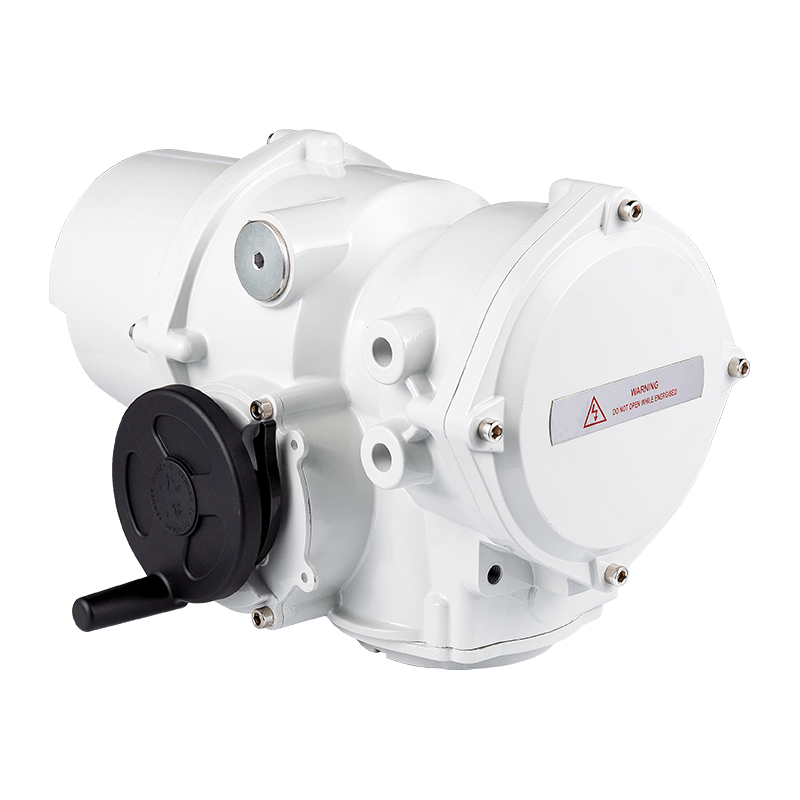
Gas Valve Actuators: How to Choose the Right Electric or Pneumatic Type
In a gas booster station or a boiler burner skid, the valve actuator is often the last mechanical device between an operator's command and a real change in gas flow. When the control system sends a 4-20 mA signal, the actuator must respond quickly, precisely, and safely. If it does not, the consequences can range from wasted fuel to a costly line shutdown. A gas valve actuator converts that control signal into rotary or linear motion to open, close, or modulate the gas valve, and choosing the right one requires attention to torque, travel, control signal, and certification.
What a Gas Valve Actuator Does in a Gas System
At its core, a gas valve actuator is an industrial drive mechanism attached to the valve stem. It receives a command from a PLC, DCS, or simple switch, and produces the mechanical movement needed to change the valve position. In gas systems, you will typically see two motion classes:
- Quarter-turn for ball valves, butterfly valves, and plug valves. The actuator rotates the valve from 0° to 90°.
- Multi-turn for gate valves, globe valves, or other rising-stem valves. The actuator rotates the stem multiple turns to raise or lower the closure element.
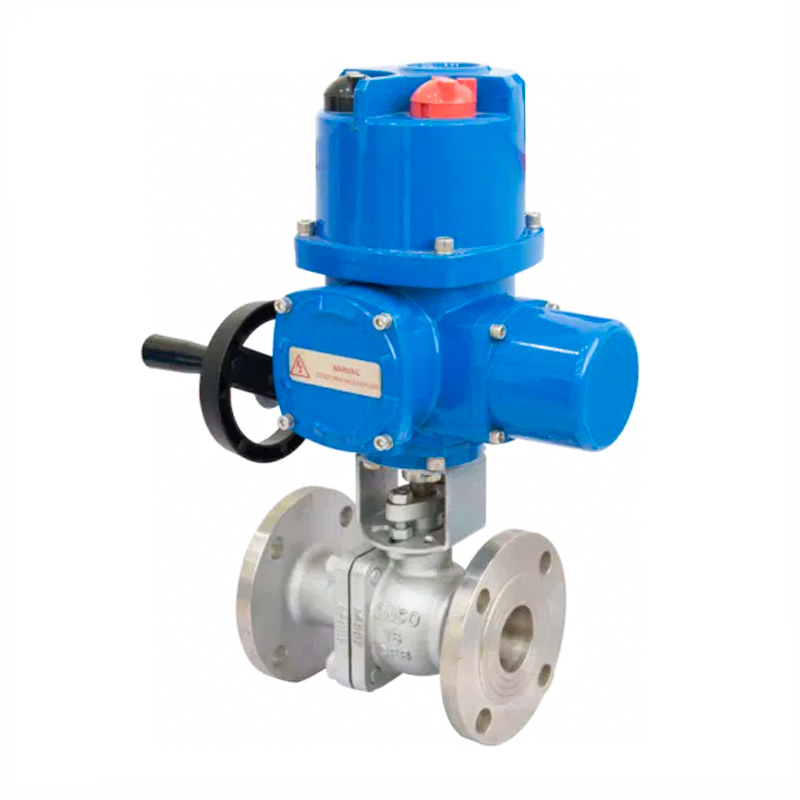
For gas flow control, the most common actuators are electric and pneumatic. The choice often comes down to the available power supply, the required speed, and the explosion protection class. A partial-turn intelligent electric actuator with position feedback is a typical solution when precise modulation and remote monitoring are required on a quarter-turn gas valve.
 Part-Turn Intelligent Electric Actuator for Gas Valve ControlThis actuator provides precise modulation and remote monitoring for quarter-turn gas valves. It offers intelligent switch or regulating control, with options for waterproof and explosion-proof configurations.View Product →
Electric vs. Pneumatic Gas Valve Actuators: A Practical Comparison
Both electric and pneumatic actuators appear in gas service, and each has a distinct role.
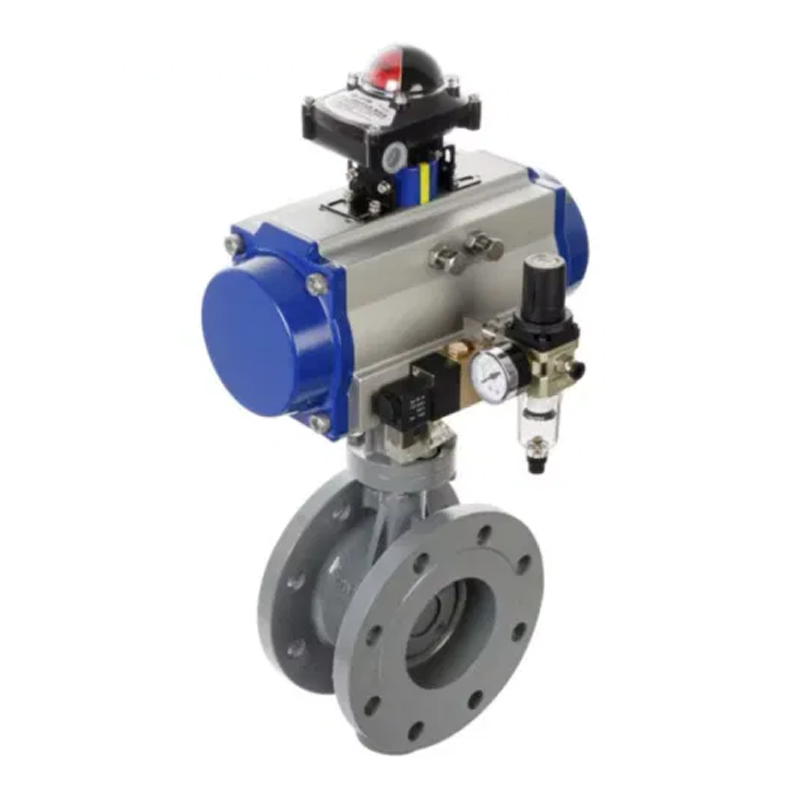
Electric actuators are preferred where clean power is available and precise positioning is needed. They hold position without continuous power, support 4-20 mA positioning signals, and can be paired with digital communication for asset management. Pneumatic actuators are faster and can deliver high torque in a compact body, but they require a clean, dry instrument air supply and often need accessories such as a filter regulator, positioner, and limit switch.
The following table summarizes the most important differences in gas valve applications.
| Criterion | Electric | Pneumatic |
|---|---|---|
| Moving parts | Motor, gearbox | Piston, rack-and-pinion or scotch-yoke |
| Speed | Slower, often 5-60 seconds depending on torque | Faster, typically 1-10 seconds |
| Positioning accuracy | High with 4-20 mA or digital protocol | Good with positioner, but less linear |
| Power source | 110V/220V AC or 24V DC | Dry compressed air at 4-8 bar |
| Holding torque | Maintains without power | Requires air pressure to hold position |
| Explosion safety | Ex d motor enclosures available | Intrinsically safe with proper solenoid valves |
| Maintenance | Periodic grease and gearbox check | Air quality monitoring and seal replacement |
For natural gas stations, electric actuators are common because they offer precise positioning, adjustable travel time, and easy integration into a SCADA system. For high-speed emergency shutdown valves, a pneumatic actuator is often more practical because it can close the valve in seconds.
Sizing a Gas Valve Actuator: Torque Margins and Real-World Tolerances
One of the most common field failures is an undersized actuator. Valve manufacturers publish break torque and reseat torque values, but these are measured under laboratory conditions. In a live gas line, the required torque can be higher because of packing friction, pipeline pressure, temperature, and seat compression.
The practical rule is to add a torque margin of at least 1.5 to 2 times the required valve torque for gas service. For high-pressure gas or large pipeline valves, a 2.5 factor is not unreasonable.
Other sizing parameters include:
- Travel time: How fast must the valve close for the ESD system?
- Control signal: Does the actuator accept the same protocol as the rest of the plant?
- Ambient temperature: A gas line in a cold climate may need a heater in the actuator enclosure.
- Limit switches and feedback: Position switches for the DCS or SCADA system.
When you compare quarter-turn versus multi-turn electric actuators, remember that the sizing logic changes with the valve geometry. A butterfly valve may only need a fraction of the torque of a gate valve of the same diameter, but its dynamic torque can spike if the gas velocity is high.
Safety, Fail-Safe Positions, and Explosion-Proof Compliance
Gas service is inherently hazardous. The actuator must be selected with the correct explosion protection. For gas pipelines and burner skids, the actuator enclosure and terminal box usually require an Ex d or Ex e rated design, with an appropriate temperature class such as T4 or T6. For coal mine gas extraction, the rules are even stricter, and a mining explosion-proof certificate is mandatory.
Fail-safe positions are equally important. If the control power is lost, the valve should go to a position that is safest for the process. In a burner safety train, the valve should close on loss of power. In some vent lines, a fail-open may be preferred. Specify the required action clearly in the purchase order.
For high-pressure gas pipelines, an ESD system may need the valve to close within a certain time limit. That affects the actuator speed and the sizing of the air supply or motor. In explosion-proof gas applications, consider a dedicated explosion-proof gas pipeline butterfly valve with an integrated electric actuator, which reduces the number of separate components and simplifies installation in hazardous areas.
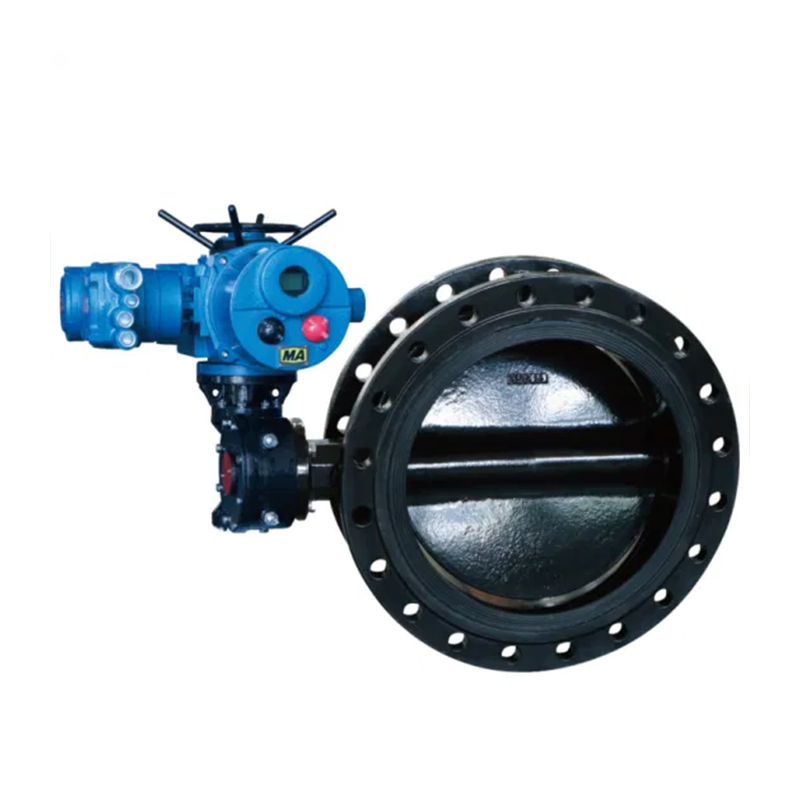 Explosion-Proof Electric Butterfly Valve for Gas PipelinesCertified for mining gas pipelines, this integrated electric butterfly valve ensures safe, bidirectional sealing. Its flame-retardant and anti-static design meets the requirements for hazardous gas applications.View Product →
Supplier Selection for Gas Valve Actuators
The right supplier can reduce project risk. Look for:
- Certifications: ISO 9001, explosion-proof certificates, and mining safety approvals.
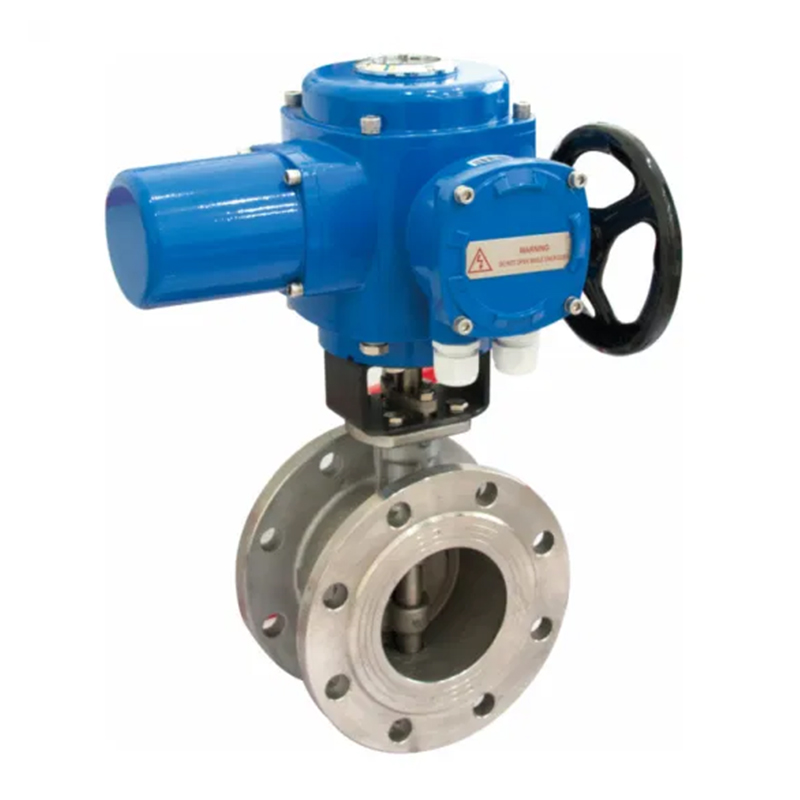
- Product range: A supplier that manufactures both actuators and valves can provide a better-matched package. For example, an electric flange butterfly valve
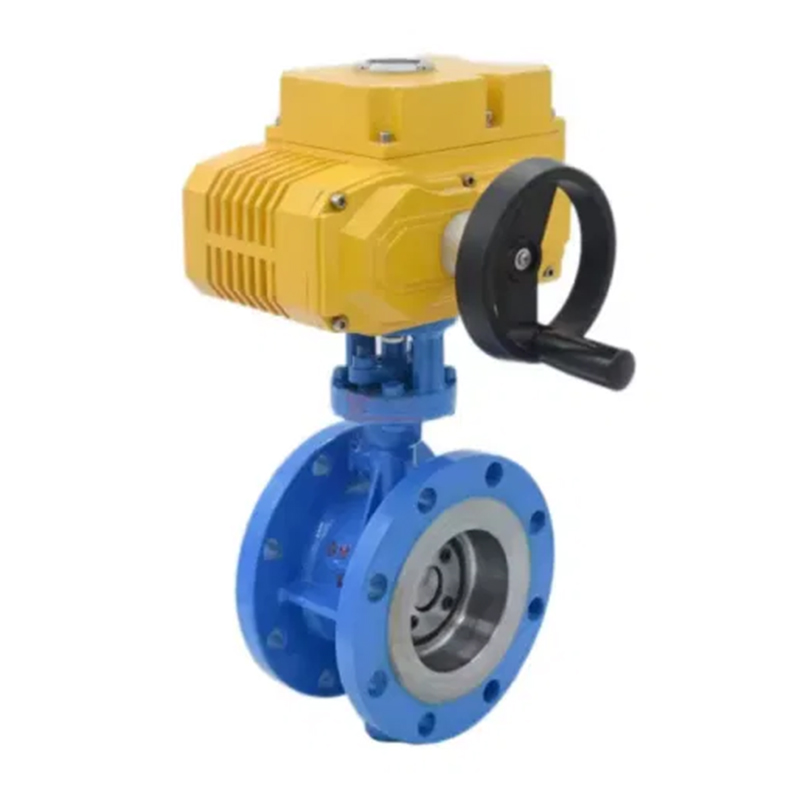 Electric Flange Butterfly Valve for Flow Control ApplicationsThis soft-seal butterfly valve offers reliable bidirectional sealing and low pressure drop. Its compact design allows easy installation and maintenance, making it suitable for gas, petroleum, and water systems.View Product → with a matching actuator is easier to commission and maintain.
 - Application experience: Experience in natural gas projects, coal mine gas systems, or boiler burner systems is valuable.
- Customization: Signal type, control panel, special material, and actuator speed should all be open to configuration.
A manufacturer that claims an annual output of more than 10,000 electric actuators and has a dedicated engineering research center may offer better batch quality control and long-term support. Always ask for the technical datasheet and the actual test report for your specific valve size and working pressure. Ask to see their previous work in natural-gas projects or similar pipeline and burner installations.
10,000+ Actuators shipped per year
ISO 9001 Certified manufacturing system
16+ Utility patents for control devices
FAQ
Q1: What is the difference between a gas valve actuator and a gas regulator?
A gas regulator controls downstream pressure by changing the opening of a pressure-reducing element. A gas valve actuator is a mechanical device that moves a valve based on an external signal. They are often used together in a burner train to regulate and shut off gas flow.
Q2: Can electric actuators be used on gas valves?
Yes, as long as the actuator has the correct explosion-proof enclosure and temperature class. Electric actuators are common in gas stations and burner control systems because they provide precise positioning and remote monitoring capabilities.
Q3: What torque margin should I specify for a gas valve actuator?
A 1.5x margin is the minimum. For high-pressure gas, high seat loads, or safety-critical ESD valves, use 2x to 2.5x. Always base the margin on the actual valve torque data, not on nominal calculations.
Q4: What fail-safe position should a gas valve actuator have?
It depends on the process. For a burner safety shutoff valve, fail-closed is typical. For some vent or purge lines, fail-open may be required. State the requirement explicitly in your purchase order.
Q5: Do gas valve actuators need ATEX certification?
In many countries, yes. At minimum, the actuator must match the zone classification, gas group, and temperature class. For mining applications, an additional mining explosion-proof approval is required.
Selecting a gas valve actuator is not a one-size-fits-all decision. The key factors are valve type, required torque, control signal, explosion-proof specification, fail-safe behavior, and supplier capability. By working with a manufacturer that understands gas service and can supply a well-matched actuator-plus-valve package, you reduce commissioning time and long-term maintenance cost. Start with a complete valve datasheet, confirm the actual torque values, and then ask the supplier to propose the actuator model with the correct certification.
Previous Post
No previous article
Next Post
Pneumatic Rotary Actuator Types, Sizing, and Selection for Valve Automation
Related Products
-
-
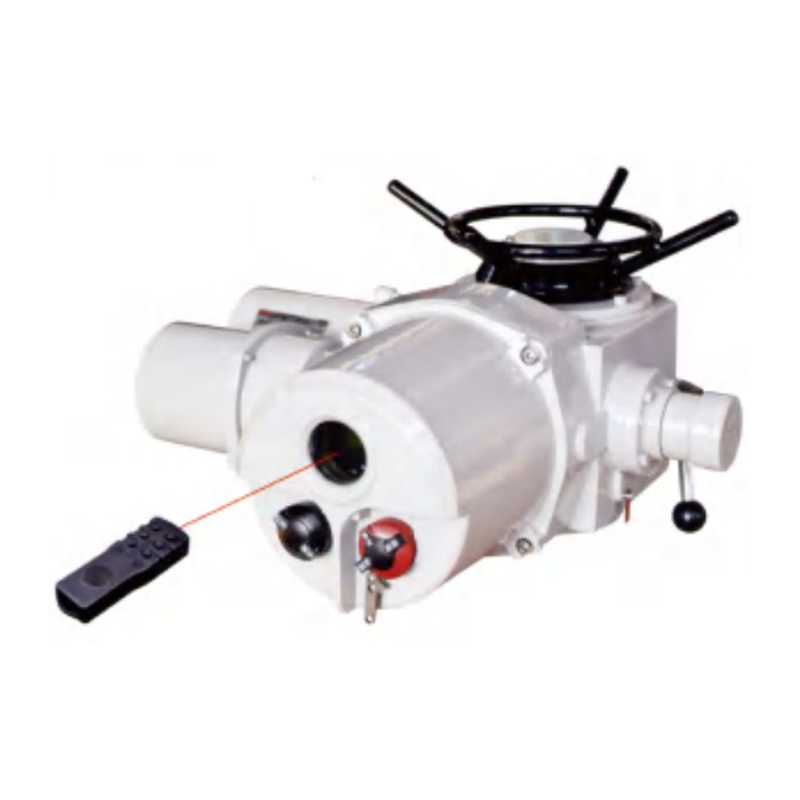
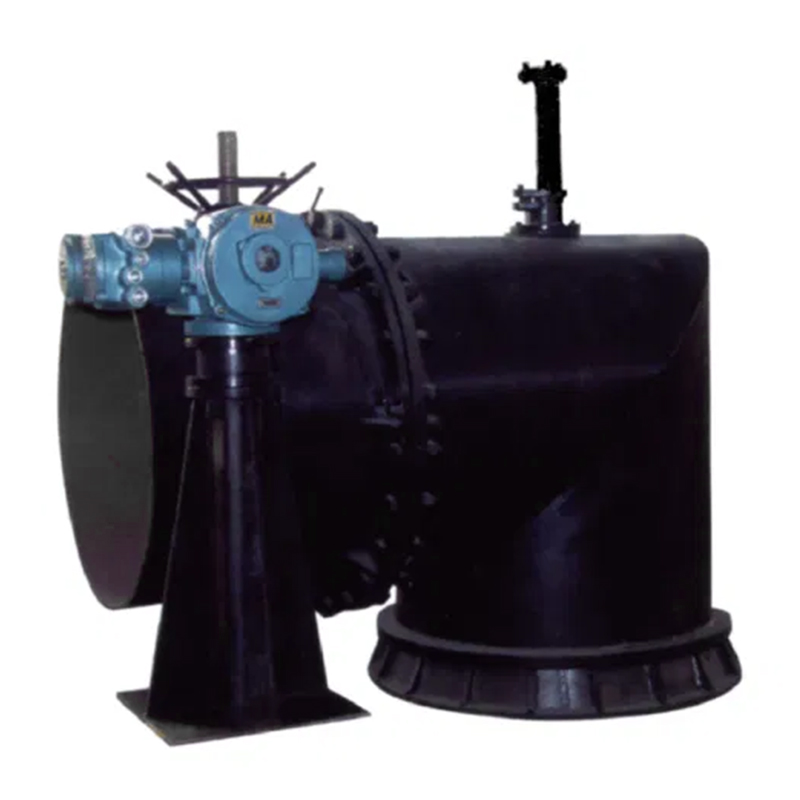
Cat:Multi Turn Electric Actuator
The CND-Z series is a multi turn intelligent non-invasive electric device that introduces the latest analog digital tech...
See Details
CONTACT US
Shape the Future of Product with Us!

QUICK LINKS
CONTACT INFORMATION
- ADDRESS: Laoli Industrial Park, Chaoyang Village, Hengshan Bridge Town, Wujin District, Changzhou City, Jiangsu Province, China
- TELEPHONE: 0086 15335008985
- EMAIL: [email protected]
MOBILE

Copyright 2024 Changzhou Xinneng Automatic Control Equipment Co., Ltd All Rights Reserved.
