0086 15335008985


 русский
 Español
Cat:Quarter Turn Electric Actuator
The QM series partial rotary valve electric device includes ordinary switch type, integral type, regulating type, intell...
See Details
 Search

Picture a mine drainage station where the nearest operator sits two kilometers away. A close command leaves the control room, runs down a cable, and seconds later a heavy gate valve seats shut. What actually made that happen was not only the actuator motor. It was the electric actuator control box between the control system and the motor - the enclosure that switches power, enforces torque limits and reports valve position back to the control room.
The short conclusion of this guide: the control box decides whether an automated valve is merely able to move or genuinely safe and verifiable to operate. Match it to the actuator, the environment and the certification your site requires before purchasing, because a mismatched box is one of the most common and most expensive root causes of failure in automated valve systems.
At its core, the control box is the interface layer of a valve automation loop. The PLC or DCS issues low-energy commands; the box turns them into motor power, then turns the actuator's internal state back into signals the control system can trust. Five functions matter most in daily operation:
On intelligent actuators, much of this logic is already built into the actuator's own control board. A separate box still earns its place where the electronics must live away from the motor - in a flameproof enclosure underground, or in a switch room controlling several actuators from one panel. If you are new to the mechanical side, the technical overview of how electric actuators work in valve control explains torque output, travel and seating in more depth.
There are two architectures, and environment plus service strategy decide the winner.
Integral control means the switching and feedback electronics are built into the actuator itself. Wiring is short, commissioning is quick, and modern intelligent series add local displays, diagnostics and bus communication. For clean industrial sites - water treatment plants, general process lines, building services - this is usually the efficient choice.
A separate control box mounts the control circuit away from the actuator. That separation is deliberate in two situations. In hazardous locations, the flameproof enclosure keeps every switching arc contained, and terminal work can be done on the box without opening the actuator. In centralized pump stations, one box per valve group keeps contactors, protection relays and feedback terminals where electricians already work.
Integral controlSeparate boxFlameproof enclosureMining MA mark
| Aspect | Integral control | Separate control box |
|---|---|---|
| Electronics location | Inside the actuator body | Remote enclosure near the valve or in the switch room |
| Typical duty | General process, water and building services | Mining, gas and other hazardous or centralized duties |
| Wiring and commissioning | Shortest runs, fastest start-up | More cabling, but terminals accessible without opening the actuator |
| Service approach | Unit serviced or replaced as a whole | Control circuit serviced at the box while the actuator stays in place |
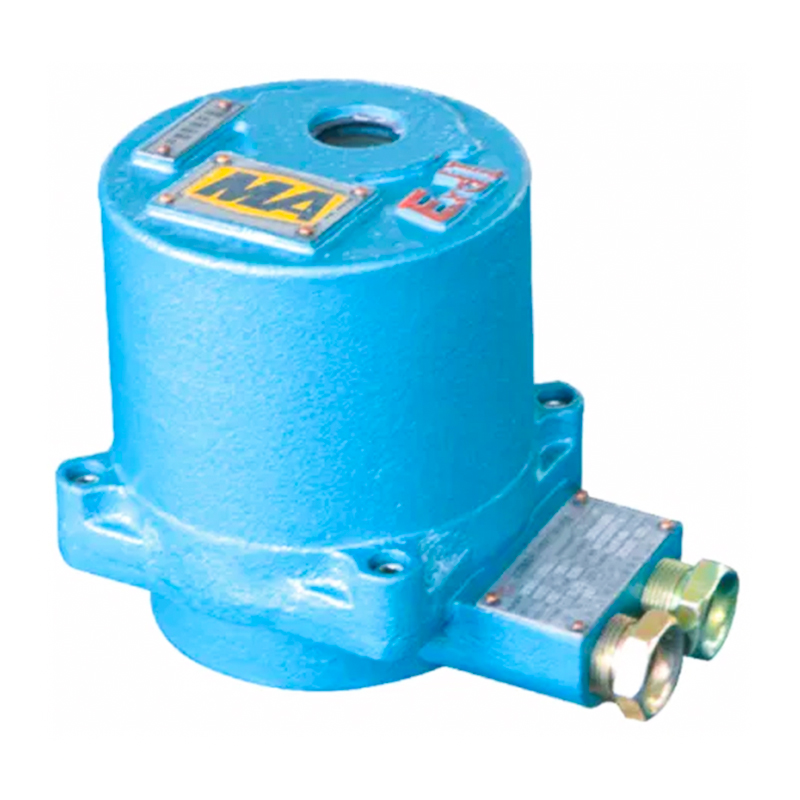
Inside a coal mine, methane and coal dust turn every electrical arc into a potential ignition source. A mining control box is therefore not an ordinary panel in a stronger case - it is a flameproof enclosure engineered to contain an internal explosion and cool escaping gases below ignition temperature. Certification is the proof: mining electrical equipment carries the MA mine product safety mark issued by the national safety mark center, alongside explosion-proof type approval.
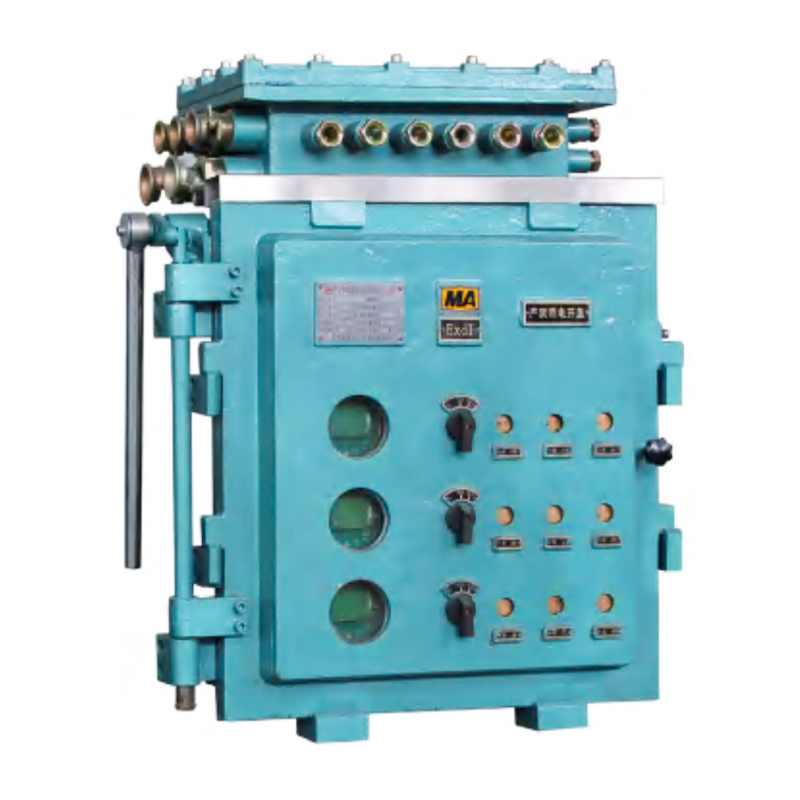
This is why we manufacture dedicated mining control boxes next to our mining actuators. The KXBC1 series flameproof valve electric device control box is the workhorse for standard underground valve groups, while the KXBC3 series covers layouts that need a different terminal and installation arrangement. Both pair with our QB, QBY, ZB and ZBY flameproof actuator ranges, and both exist for one reason: underground, the control box is safety equipment, not wiring convenience.
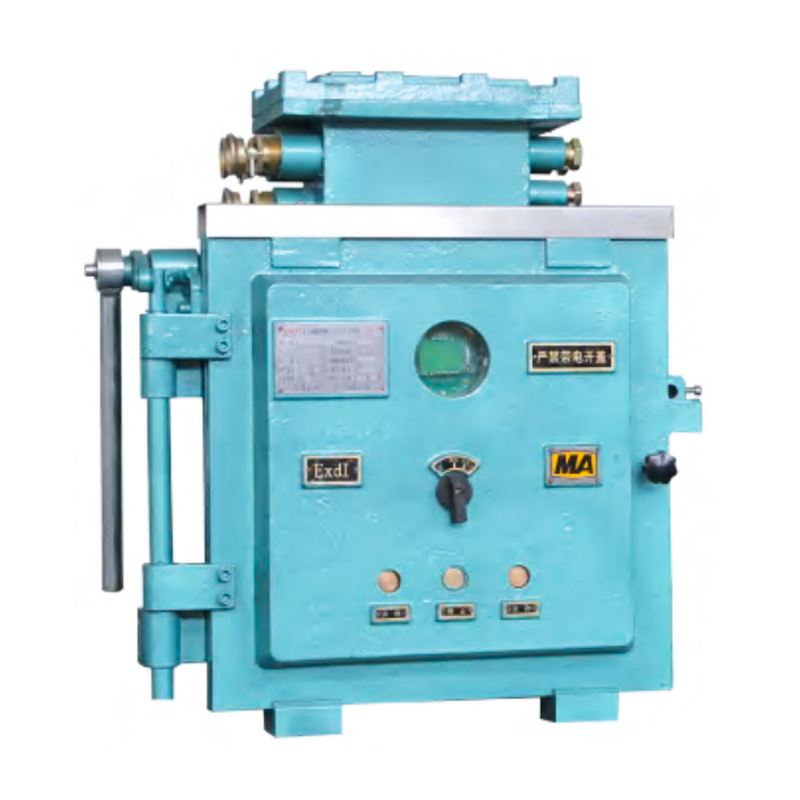 KXBC-1 Flameproof Valve Control Box for Mining Valve ActuatorsThis multi-turn valve control box offers DCS connectivity, comprehensive protection functions and interlocked explosion-proof operation. It is the standard workhorse for pairing with QB, QBY, ZB and ZBY flameproof actuators in underground coal mine valve groups.View Product → KXBC-3 Flameproof Valve Control Box with Alternative Terminal LayoutSharing the protection, monitoring and remote/local control functions of the KXBC range, this box provides a different terminal and installation arrangement. It suits underground layouts where the standard KXBC-1 configuration does not fit the actuator setup.View Product →
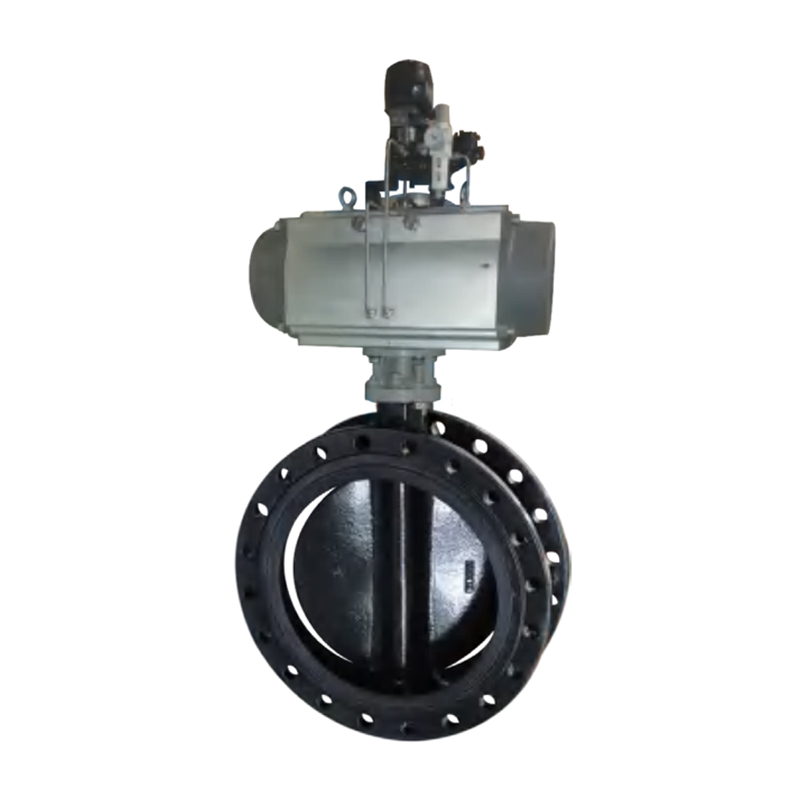
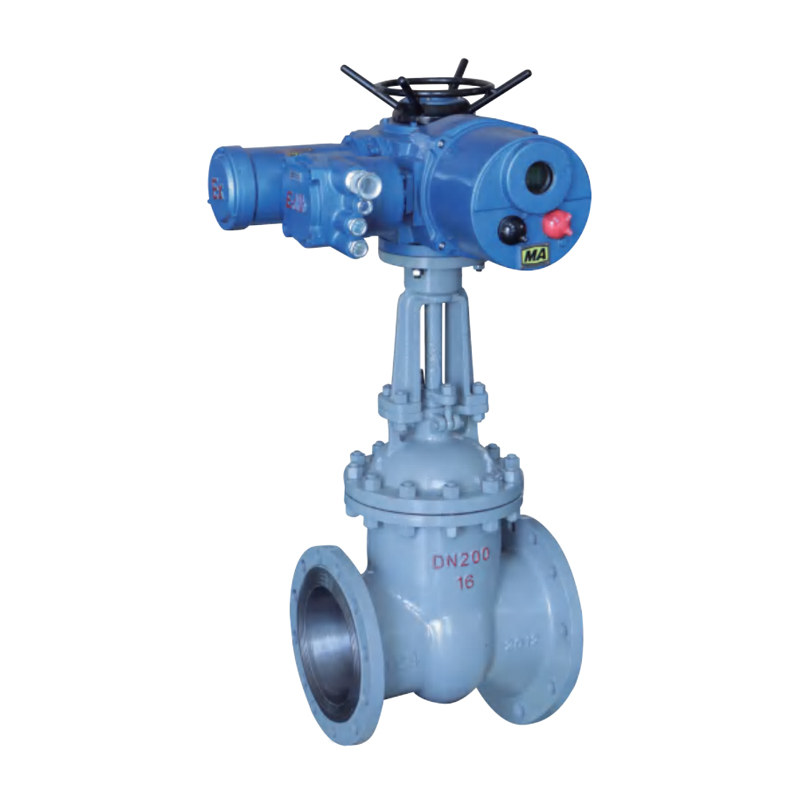
Three couplings must line up before an order makes sense. First, motion type: multi-turn actuators drive gate valves, globe valves and sluice gates, while quarter-turn units drive butterfly and ball valves. The control box must be specified for the correct motion and torque frame, because a box wired for one frame may not carry the current or feedback resolution another frame needs. Second, signal compatibility: confirm command voltage (24 V DC, 220 V and 380 V are common), the feedback type your control system expects, and the duty rating - a valve stroking a few times a day has very different thermal demands from one modulating all day. Third, certification: the actuator, the box and any position switches must hold consistent approvals for the same gas group and temperature class.
In mining projects, we supply the flameproof ZB series valve electric device together with KXBC-series boxes, so torque frame, terminal arrangement and certification are matched at the factory instead of improvised on site.
 ZB Series Explosion-Proof Multi-Turn Valve Electric ActuatorDesigned for coal mines, this multi-turn actuator drives gate valves, distribution valves and water gates, and suits quarter-turn valves with a gearbox. Matched KXBC control boxes enable DCS integration and consistent flameproof certification.View Product →
The same logic applies far beyond mines. On natural gas station and pipeline projects, flameproof electric actuation is standard practice, and the certification chain from actuator through control box has to stay consistent end to end.
Work through six points before signing. A supplier who can answer all of them from standard documentation rarely surprises you on site.
Yes, when the panel is engineered for it. Each output group must be sized for the actuator it serves - contactor rating, overload setting and feedback terminals all scale with the motor. Multi-valve panels are common in pump stations, but they are designed as one order, not assembled from mismatched parts.
In a mine, normally yes. The actuator's flameproof enclosure protects its own motor and internals, but the external control circuit still needs a certified home. That is precisely the role of mining control boxes such as the KXBC1 and KXBC3 series.
As a baseline: separate open, close and stop commands with interlock priority; volt-free fully open, fully closed and fault contacts back to the control system; and for modulating valves, a standard analog signal such as 4-20 mA on both the command and the feedback side.
Check in order: command present at the box terminals, three-phase supply healthy, contactor pulling in, then limit and torque switches. A large share of actuator failures reported from the control room turn out to be a tripped protection or a wiring fault at the box, which is why clear terminal drawings matter so much.
An electric actuator control box is a small line on a project bill, yet it decides how safely and how visibly your valves will operate for the next two decades. Set the environment and certification requirements first, match the electrical and signal interfaces second, and buy the actuator and its box as one engineered pair. If you are planning a mining, gas, water or fire-protection installation and want the pairing reviewed against your single-line diagram, our engineering team works from those documents every day.
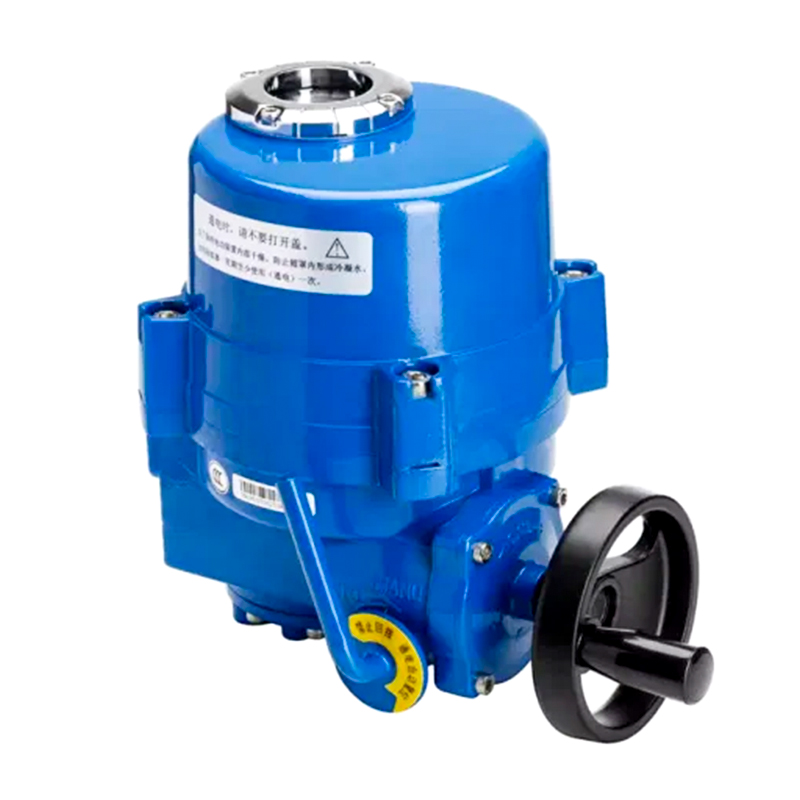
The QM series partial rotary valve electric device includes ordinary switch type, integral type, regulating type, intell...
See Details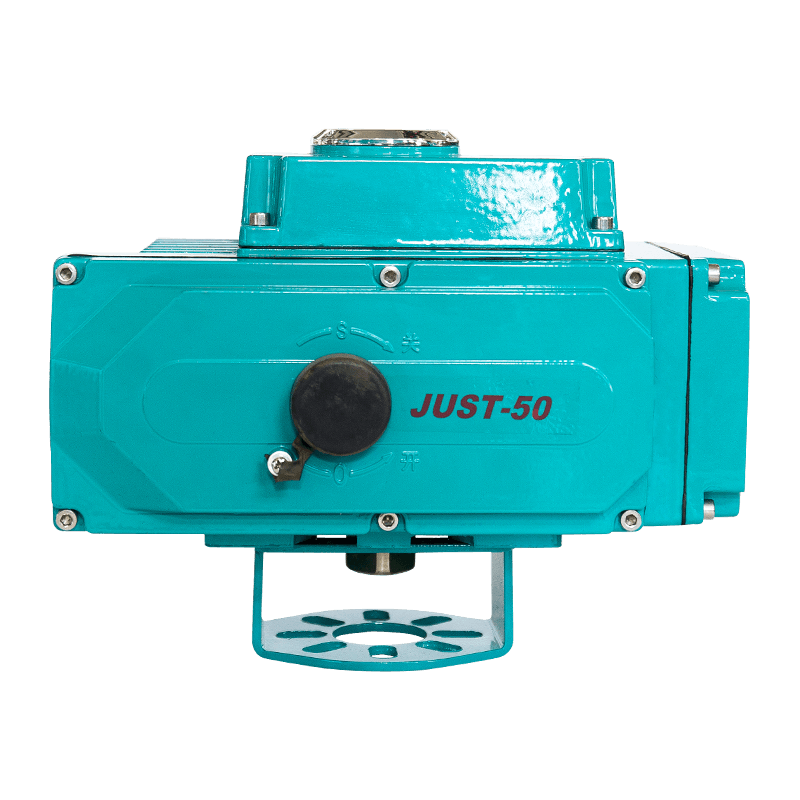
Compared with similar products, the QC series valve electric actuator has desirable performance and undeniable advantage...
See Details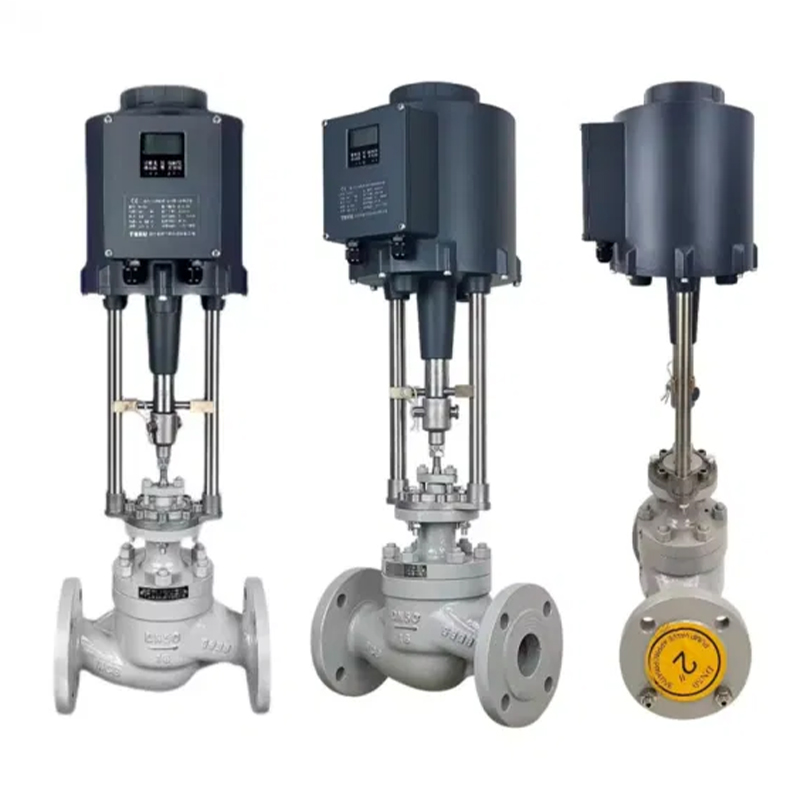
Mainly used in the industrial field, equipped with the new Keyou A8 intelligent valve actuator control system, it has po...
See Details

Copyright 2024 Changzhou Xinneng Automatic Control Equipment Co., Ltd All Rights Reserved.