
0086 15335008985


 русский
 Español
 Search
Home / News / Industry News / Linear Actuators for Food and Beverage Industry: A Practical Selection Guide
Linear Actuators for Food and Beverage Industry: A Practical Selection Guide
When a bottling line slows down because a valve positioner keeps drifting, the culprit is often not the valve but the linear actuator driving it. In food and beverage plants, the appetite for automation is not just about speed; it is about consistency, sanitation, and traceability. That is why selecting a linear actuator for food and beverage applications is a decision that directly affects product quality, washdown downtime, and regulatory compliance.
The most reliable approach is to specify a rod-style electric linear actuator that can survive frequent caustic and high-temperature clean-in-place cycles while delivering precise, repeatable motion. In this guide, we explain what makes a linear actuator food-industry-ready, how to choose one for typical process utilities such as CIP skids, deposition systems, and valve packages, and where common specification mistakes are made.
What Food and Beverage Plants Expect from Linear Actuators
Food and beverage processors use linear actuators for a wide range of motion control tasks: opening and closing butterfly valves, modulating flow on a line, lifting and lowering filler nozzles, positioning transfer plates, and clamping or pushing products on packaging conveyors. The common thread is that these machines operate in wet, warm, and often chemically aggressive environments where a conventional industrial actuator will not last.
Three expectations define the performance envelope:
- Hygienic design: Surfaces must be easy to clean, free of cavities, and tolerant to detergents and disinfectants.
- Washdown resilience: Cables, seals, and enclosures must resist high-pressure spray and occasional immersions.
- Precise repeatability: Batch processes require the actuator to return to the same position every cycle to keep recipes and fill levels consistent.
Takeaway: The best linear actuator for food and beverage processing is one that does not initiate a production stoppage when the floor is wet and the line is being CIP-washed.
Key Selection Factors for Linear Actuators in Food and Beverage
Material and Surface Finish
The actuator body, rod, and fasteners define its resistance to pitting and crevice corrosion. In food and beverage lines, stainless steel grades 304 and 316 are common, with 316L preferred where chlorinated detergents are present. Surface roughness (Ra) below 0.8 µm reduces the chance of bacterial adhesion and makes wipe-down easier.
For non-contact parts, a white epoxy coating can protect the motor housing while still presenting visually clean equipment. If the actuator is mounted above a conveyor or in an area where food can come into contact with exposed surfaces, the supplier should be asked to provide a material certificate and finish specification.
Protection Rating and Washdown Capability
Ingress protection (IP) ratings are the first line of defense. A minimum of IP65 is required for splash zones; IP67 is suitable for temporary immersion; and IP69K is ideal for high-pressure, high-temperature washdown. The seal material also matters: EPDM or food-grade silicone O-rings are far more resistant to heat and caustic solutions than standard NBR.
A food-grade linear actuator should also have a corrosion-resistant cable gland and a smooth transition between rod and housing to prevent water pooling.
Motion Control and Position Feedback
Modern food and beverage processes rely on feedback for batch consistency. A digital intelligent linear actuator can stop at any user-defined stroke position, adjust thrust automatically, and report real-time diagnostics to the control system. This reduces the need for manual recalibration and improves changeover speed.
When selecting a linear electric actuator with a ball screw, pay attention to duty cycle and thrust required at the valve or mechanical load. A ball screw offers high efficiency and precise positioning, while a trapezoidal screw may be preferred for load-holding in specific applications. The decision often hinges on speed versus cost and torque requirements.
Integration with Valves and Process Automation
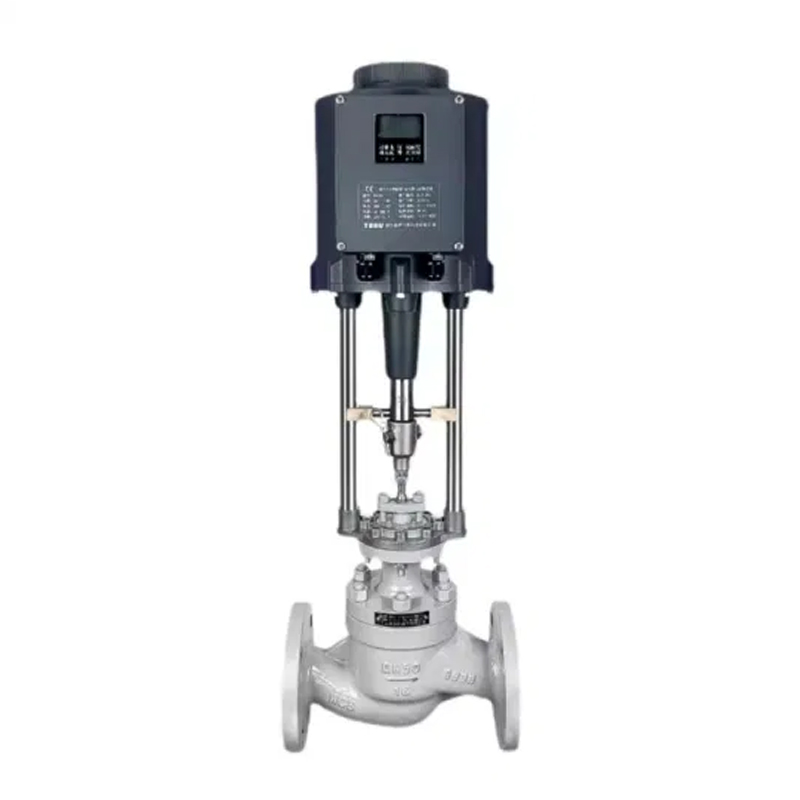
In process utilities, the linear actuator almost always drives a valve – a butterfly, ball, gate, or globe valve. The stroke length, mounting interface, and control signal (analog 4-20 mA, fieldbus, or digital) must match both the valve and the plant's automation architecture. A robust option for tight spaces is the AUKEMA ADL series digital intelligent linear actuator, which combines a compact design with adjustable stroke and an integrated digital positioner, making it suitable for modulating valve duty in CIP systems, filling lines, and transfer applications.
 AUKEMA ADL Series Digital Intelligent Linear Actuator with Adjustable StrokeThis compact actuator suits modulating valve duty in CIP systems, filling lines, and transfer applications. It integrates a digital positioner and offers adjustable stroke and speed, supporting standard control signals and optional fieldbus or wireless communication.View Product →
Real-World Applications in Food and Beverage Processing
Linear actuators appear in nearly every stage of food and beverage production. Below is a short view of where they are used and what drives the selection.
| Application | Actuator Duty | Critical Requirement |
|---|---|---|
| Bottle filling and capping | Positioning fill nozzles | Fast, clean, precise |
| Dairy processing | Modulating mix-proof valves | Hygienic, corrosion resistant |
| Beverage mixing tanks | Opening/closing tank outlets | High thrust, washdown-proof |
| Conveyor transfer plates | Lifting and diverting product | Repeatable, short stroke |
| CIP skids | Switching cleaning solution routes | IP67+ and chemical tolerance |
For a more flexible solution, the AUKEMA AKML series straight-stroke adjustable intelligent electric actuator offers adjustable stroke and a compact form factor that is well suited for processes that require frequent changeovers or manual inspection. Its ability to field-adjust stroke length helps maintenance teams fine-tune valve opening positions without needing to modify the linkage.
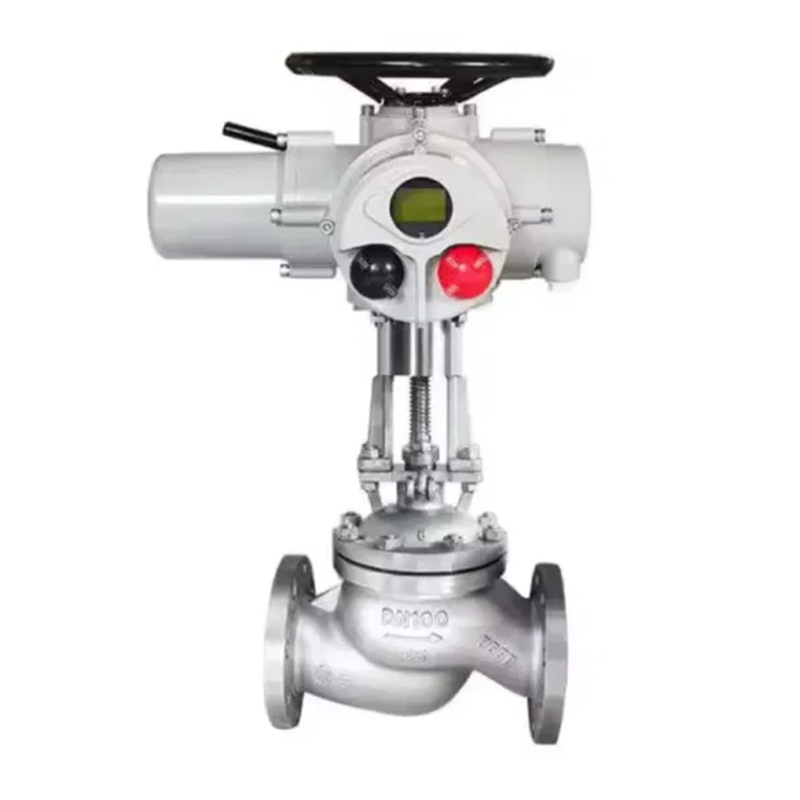 AUKEMA AKML Series Straight-Stroke Adjustable Intelligent Electric ActuatorDesigned for linear thrust valves, this actuator allows field-adjustable stroke, making it ideal for frequent changeovers and manual inspection. It accepts analog or switch control signals and provides precise positioning via a position sensor.View Product →
A common misconception is that food-grade actuators are only needed where they touch raw food. In reality, spray, condensation, and steam can degrade any actuator located within the process room. Therefore, specifying a washdown-capable linear actuator for an entire production hall limits unnecessary downtime.
How to Avoid Costly Mistakes When Specifying Linear Actuators
Even with the right product family, specification errors still cause problems. Here are the most common pitfalls encountered in food and beverage projects.
- Ignoring clean-in-place cycles: A dry environment rating will fail as soon as caustic spray hits the actuator enclosure. Always confirm an IP67 or IP69K-rated housing if CIP is used.
- Underestimating thrust requirements: Valves with sticky media or high differential pressure demand more force than the datasheet suggests at nominal conditions. Provide the actual stem diameter and seating torque.
- Forgetting about thermal swings: A steamy washdown followed by cold water can cause condensation inside a breathing housing. Use a sealed design with a pressure equalization valve or desiccant breather.
- Choosing the wrong control protocol: Compatibility with the plant's DCS or PLC is not optional. Fieldbus connectivity is preferable for diagnostics, but traditional analog control still works for simple applications.
Practical tip: When in doubt, provide your actuator supplier with the valve torque, media temperature, washdown pressure, and expected stroke per batch. These four data points allow a reliable linear actuator to be selected in the first pass.
Frequently Asked Questions about Linear Actuators for Food and Beverage
Q1: What is the difference between a linear actuator and a rotary actuator?
A linear actuator produces straight-line motion, which is needed for globe and gate valves or for lifting and pushing mechanisms. A rotary actuator produces rotational motion for quarter-turn valves such as butterfly or ball valves. In a single process plant, both types are often used.
Q2: Can a standard industrial linear actuator be used in a food processing plant?
It depends on the zone. For non-washdown dry areas, a standard actuator may be acceptable. However, in areas with moist air, cleaning chemicals, or direct washing, a hygienic or washdown-rated actuator is necessary to prevent corrosion and seal failure.
Q3: Do food-grade linear actuators need to be FDA certified?
FDA compliance applies to materials that contact food. Actuator components that do not contact food still need to cleanly handle the food environment and meet certain requirements such as resistance to cleaning agents. FDA or EHEDG guidance often informs material and surface finish choices, but a formal certificate is only required for direct food contact surfaces.
Q4: How do I calculate the force needed for a linear actuator on a valve?
Calculate the stem friction, seating force, and pressure differential on the disc, then add a safety margin. If the valve manufacturer provides a breakaway torque or thrust figure, use that as the baseline. An intelligent actuator with rated thrust greater than 1.5 times the breakaway thrust is a safe starting point.
Final Recommendations
The food and beverage industry demands more than just an actuator: it demands a component that contributes to sanitation, uptime, and repeatable process quality. When you qualify a linear actuator supplier, ask about material traceability, protection ratings, stroke adjustment features, and how the actuator behaves in a CIP environment.
With the right selection, a linear actuator becomes an invisible but reliable part of your production line. Start with the process conditions, compare the performance of a compact intelligent linear actuator such as the AUKEMA ADL series, and verify that the mounting and control wiring fit your existing infrastructure. By focusing on these fundamentals, you can avoid most of the field failures that plague food and beverage automation projects.
Previous Post
No previous article
Next Post
Control Valve Actuator Guide: Types, Selection, and Buying Considerations
Related Products
-
-
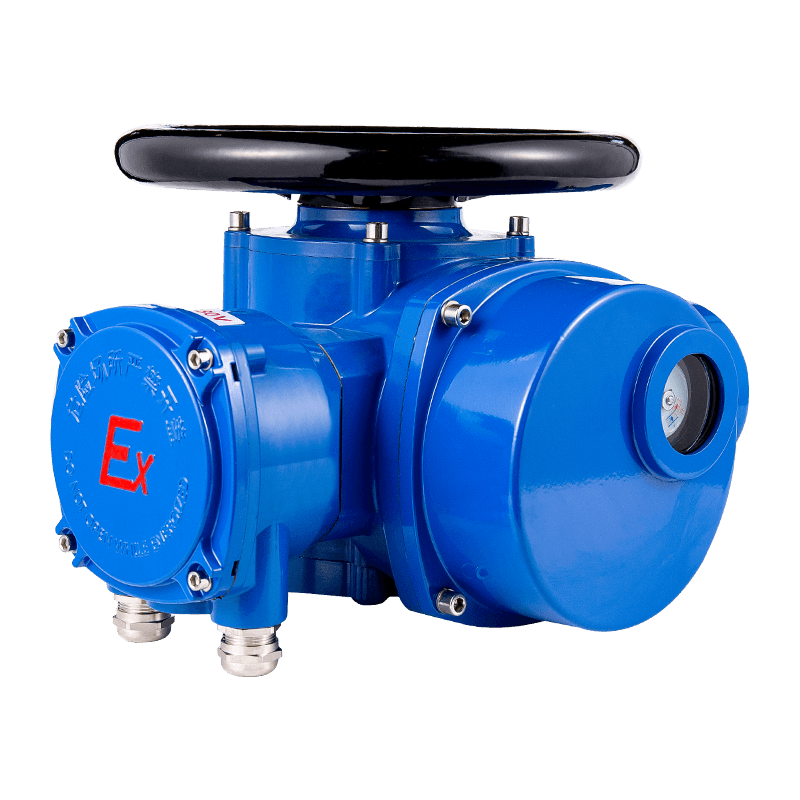
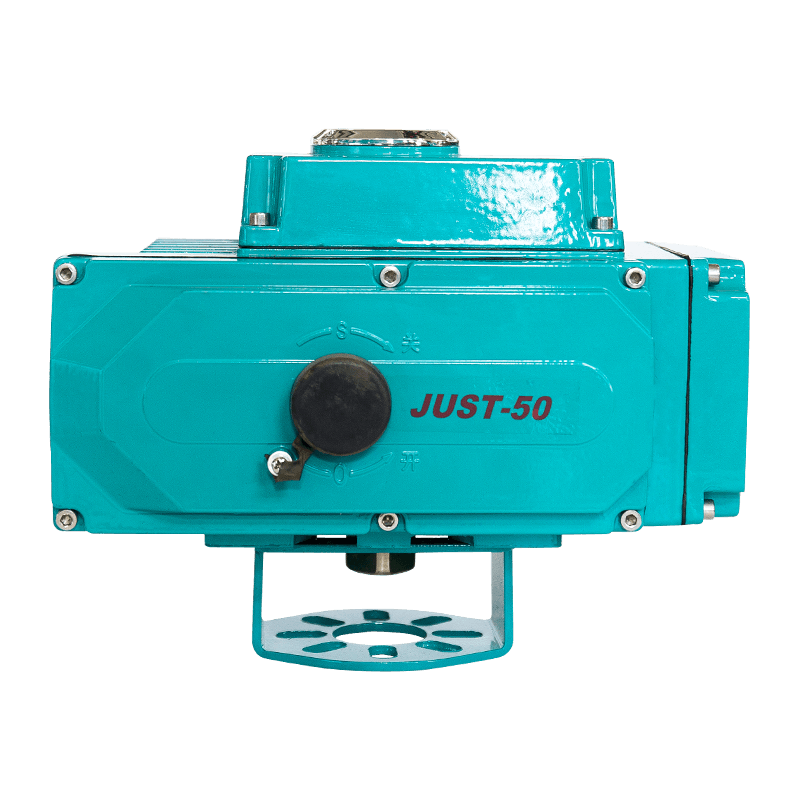
Cat:Quarter Turn Electric Actuator
The QL series of rotary valve electric devices includes ordinary, integral, regulating, intelligent, explosion-proof and...
See Details -
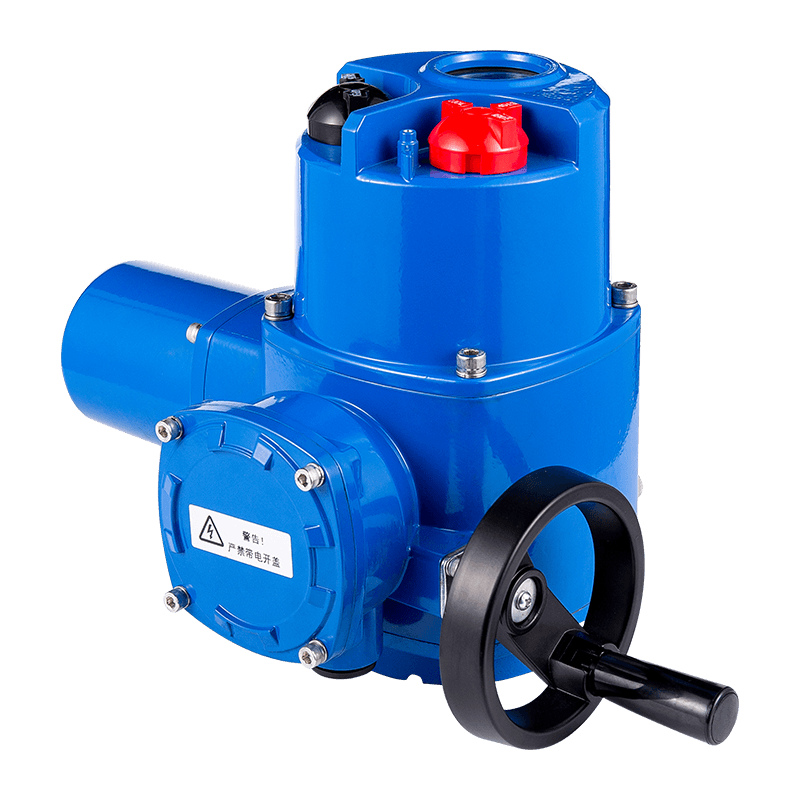
Cat:Quarter Turn Electric Actuator
Compared with similar products, the QC series valve electric actuator has desirable performance and undeniable advantage...
See Details -
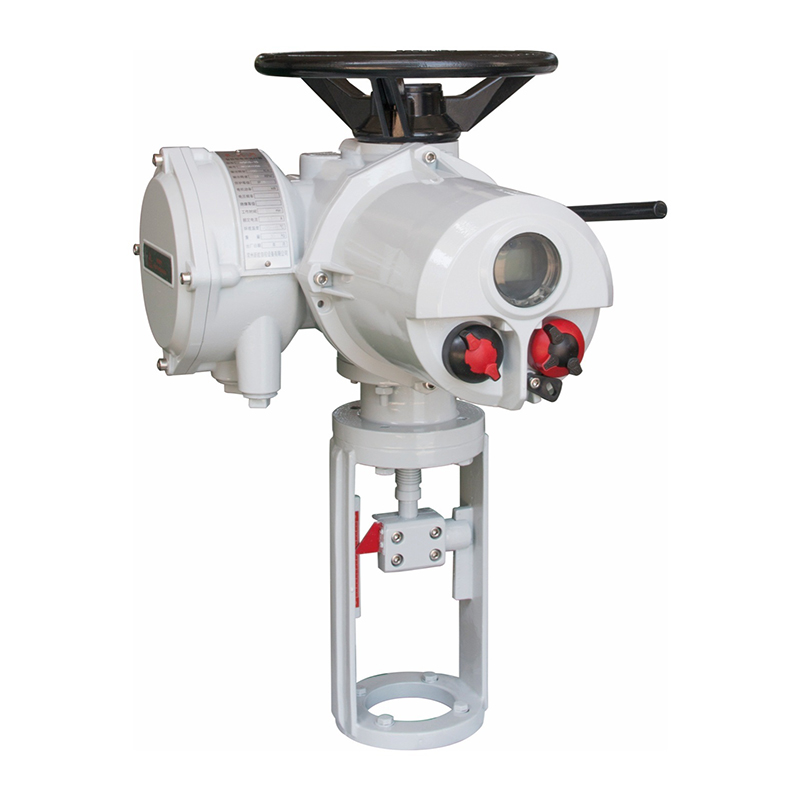
Cat:Liner Electric Actuator
AKML linear stroke adjustable intelligent electric actuator, suitable for valves with linear thrust action, consists of ...
See Details
CONTACT US
Shape the Future of Product with Us!

QUICK LINKS
CONTACT INFORMATION
- ADDRESS: Laoli Industrial Park, Chaoyang Village, Hengshan Bridge Town, Wujin District, Changzhou City, Jiangsu Province, China
- TELEPHONE: 0086 15335008985
- EMAIL: [email protected]
MOBILE

Copyright 2024 Changzhou Xinneng Automatic Control Equipment Co., Ltd All Rights Reserved.
