0086 15335008985


 русский
 Español
Cat:Quarter Turn Electric Actuator
The AUKEMA partially rotating intelligent electric actuator has two control types: AKQ intelligent switch type and AKQM ...
See Details
 Search
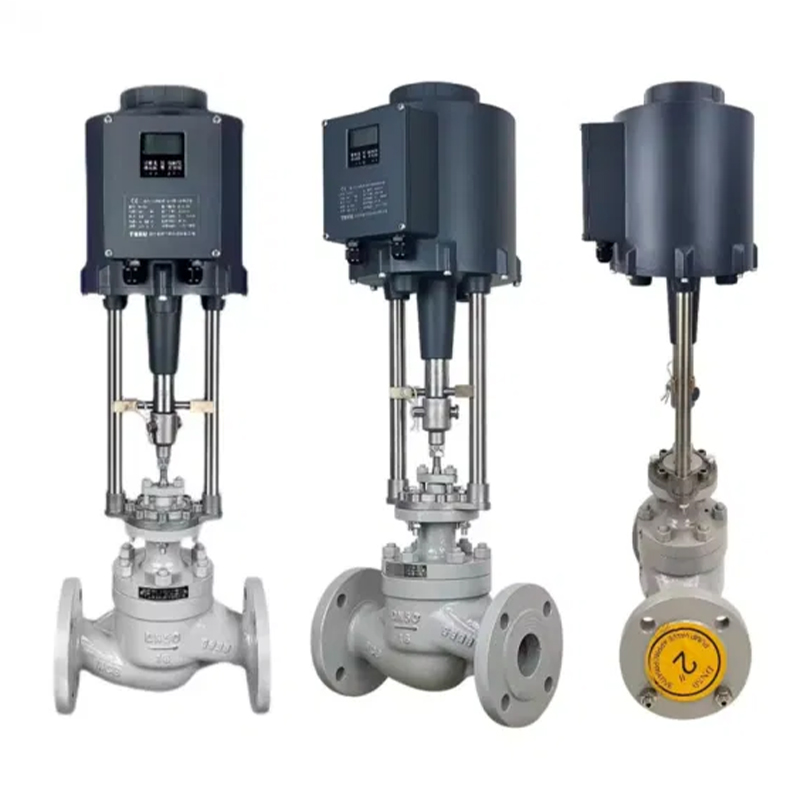
The Digital Intelligent Linear Electric Actuator has become an essential component in modern automation, robotics, and industrial applications due to its ability to convert electrical energy into precise linear motion. The motor integrated into these actuators is the core driving element, directly influencing performance, speed, efficiency, and control. Understanding the types of motors used in Digital Intelligent Linear Electric Actuators is crucial for designers, engineers, and procurement professionals who aim to select the right actuator for their applications.
The motor in a Digital Intelligent Linear Electric Actuator serves as the primary force-generating component. It transforms electrical power into mechanical motion, which is then transmitted through a screw, gear, or belt mechanism to achieve linear displacement. Motors differ in their operating principles, torque generation, speed control, and compatibility with feedback systems, all of which determine the actuator’s suitability for specific tasks.
In general, the motors used in Digital Intelligent Linear Electric Actuators can be categorized into three main types: DC motors, Stepper motors, and Brushless DC (BLDC) motors. Each motor type offers distinct advantages and limitations that influence precision, control, and efficiency.
DC motors are widely used in Digital Intelligent Linear Electric Actuators due to their simplicity, reliability, and ease of control. These motors generate rotational motion using direct current and a set of brushes that maintain electrical contact with the rotating armature.
Characteristics of DC Motors in Digital Intelligent Linear Electric Actuators:
Limitations: The mechanical brushes in DC motors can wear over time, requiring maintenance. Additionally, they may produce electrical noise that must be managed in sensitive environments.
Table 1: Comparison of DC Motor Characteristics in Digital Intelligent Linear Electric Actuators
| Feature | Advantage | Limitation |
|---|---|---|
| Speed Control | Smooth, adjustable | Requires additional electronics for precision |
| Torque | High starting torque | Torque may drop at high speeds |
| Maintenance | Simple motor design | Brushes wear over time |
| Feedback Integration | Compatible with encoders | Additional sensors may increase cost |
Stepper motors are a preferred choice in Digital Intelligent Linear Electric Actuators where precise positioning is required. They operate by dividing a full rotation into discrete steps, allowing the actuator to move incrementally with high accuracy.
Characteristics of Stepper Motors:
Limitations: Stepper motors may exhibit resonance at certain speeds, causing vibration or noise. Their torque output typically decreases at higher speeds, which may limit suitability for high-speed applications.
Table 2: Comparison of Stepper Motor Characteristics in Digital Intelligent Linear Electric Actuators
| Feature | Advantage | Limitation |
|---|---|---|
| Precision | High positional accuracy without feedback | May lose steps under heavy load |
| Holding Torque | Maintains position without power | Limited torque at high speeds |
| Control Complexity | Direct pulse control | Requires precise driver configuration |
| Vibration & Noise | Minimal at low speeds | Resonance may occur at certain speeds |
Brushless DC motors have gained popularity in high-performance Digital Intelligent Linear Electric Actuators due to their efficiency, longevity, and advanced control capabilities. BLDC motors use electronic commutation instead of brushes, which eliminates friction and wear.
Characteristics of BLDC Motors:
Limitations: BLDC motors require electronic controllers for commutation, which increases system complexity and cost. They may also generate electromagnetic interference that requires proper shielding.
Table 3: Comparison of BLDC Motor Characteristics in Digital Intelligent Linear Electric Actuators
| Feature | Advantage | Limitation |
|---|---|---|
| Efficiency | High, reduces energy consumption | Requires electronic control |
| Maintenance | Minimal, no brushes | Controllers add system complexity |
| Control | Supports advanced motion profiles | Higher initial cost |
| Reliability | Long operational life | Sensitive to voltage fluctuations |
When selecting a motor for a Digital Intelligent Linear Electric Actuator, several factors must be considered to ensure optimal performance:
Understanding these parameters ensures that the Digital Intelligent Linear Electric Actuator functions efficiently and reliably in its intended application.
DC motors are commonly applied in industrial automation, conveyor systems, and lifting devices where moderate precision and high starting torque are needed. Stepper motors are preferred in robotics, laboratory automation, and CNC machines where precise positioning is critical. BLDC motors are often utilized in medical devices, aerospace, and high-speed automation applications due to their efficiency, longevity, and smooth operation.
The motor is the heart of a Digital Intelligent Linear Electric Actuator, determining its performance, accuracy, and reliability. DC motors provide simplicity and high torque, stepper motors offer precision and control without feedback, and BLDC motors deliver efficiency and longevity for high-demand applications. Selecting the appropriate motor requires careful consideration of load, speed, duty cycle, environment, and control integration. By understanding the characteristics of each motor type, engineers and procurement professionals can make informed decisions to meet specific application needs.
1. Can a Digital Intelligent Linear Electric Actuator use multiple motor types in one application?
Yes, depending on the control system and application requirements, hybrid configurations can combine characteristics of different motors to optimize performance.
2. How do feedback systems enhance motor performance in Digital Intelligent Linear Electric Actuators?
Feedback systems such as encoders or potentiometers provide real-time positional data, improving accuracy, speed regulation, and motion control.
3. Are BLDC motors always superior to DC motors in Digital Intelligent Linear Electric Actuators?
Not necessarily. BLDC motors excel in efficiency and longevity, but DC motors are simpler, easier to maintain, and may be more cost-effective for moderate performance needs.
4. What factors influence the choice between stepper and BLDC motors?
Key factors include required positional accuracy, load, speed, duty cycle, and complexity of the control system.
5. Can environmental conditions limit the use of specific motor types?
Yes, temperature extremes, humidity, dust, or exposure to chemicals can affect motor performance, necessitating protective measures or specialized motor selection.
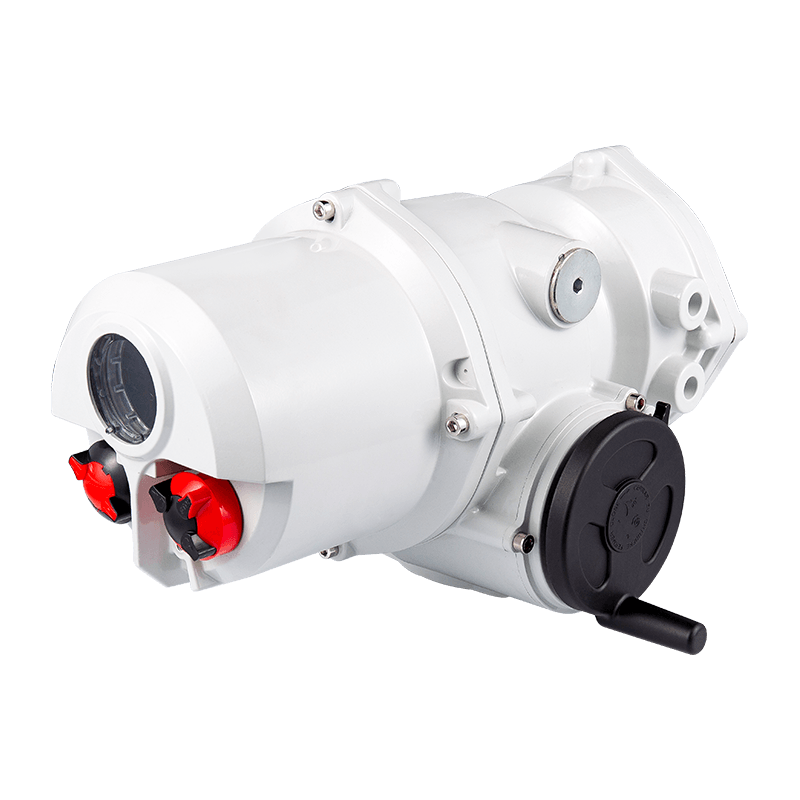
The AUKEMA partially rotating intelligent electric actuator has two control types: AKQ intelligent switch type and AKQM ...
See Details

Copyright 2024 Changzhou Xinneng Automatic Control Equipment Co., Ltd All Rights Reserved.