0086 15335008985


 русский
 Español
Cat:Quarter Turn Electric Actuator
The QM series partial rotary valve electric device includes ordinary switch type, integral type, regulating type, intell...
See Details
 Search
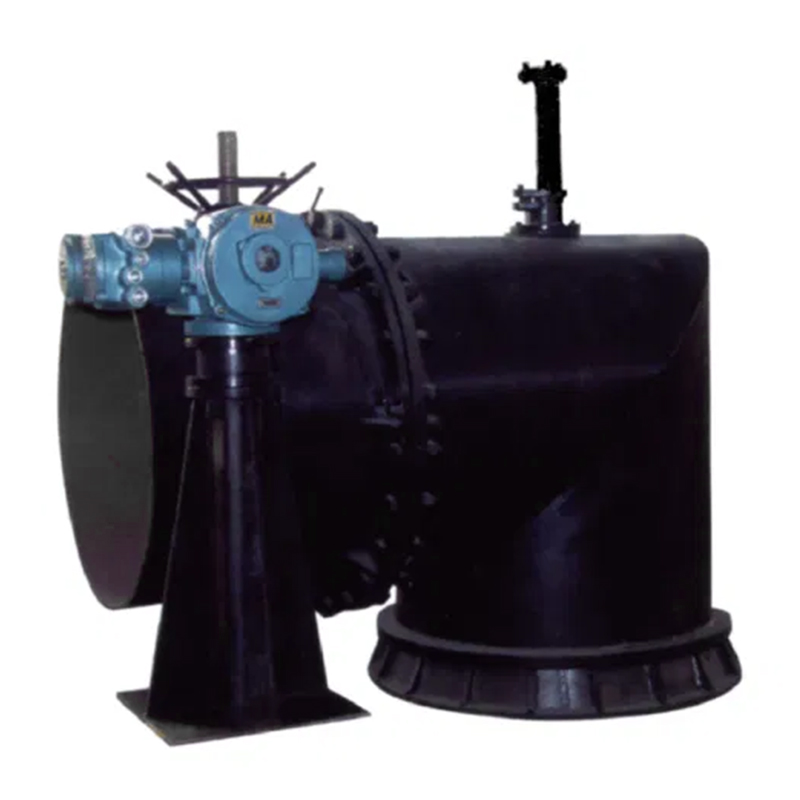
Water management systems in mining environments are complex socio‑technical infrastructures that serve multiple functions, including process water delivery, mine dewatering, dust suppression, and tailings management. Within these systems, the performance of fluid control components has a material impact on operational efficiency, lifecycle cost, system reliability, and total cost of ownership. Among these components, the pxw mining water distribution valve stands out in design discussions because its configuration choices influence not only discrete valve performance but also integrated system behavior.
Water systems in mining operations are engineered to serve a range of functional requirements, from transporting slurry to supplying potable water to remote facilities. The distribution network often includes multiple branches, pressure zones, and feedback control loops. Valves within these networks are not merely on/off devices; they are elements that regulate flow, isolate sections for maintenance, protect against overpressures, and provide control degrees of freedom for automation.
Within a mining water distribution system, design decisions for valves affect:
The pxw mining water distribution valve represents a class of engineered valves tailored for such applications. In this context, we analyze design choice impacts not in isolation but as part of a larger system with multiple interacting elements.
Valve design involves balancing mechanical, hydraulic, and material parameters. Key aspects include:
Each of these dimensions interacts with system behavior and contributes to both efficiency and cost outcomes. We explore these dimensions in depth below.
Valves are typically classified by how they modulate flow—globally, quarter‑turn, linear, or rotary mechanisms. Examples include globe, gate, ball, butterfly, and diaphragm configurations. The choice of mechanism influences:
Flow regulation influences how much energy is consumed by pumps to maintain target pressures and flows. For instance, a valve with a poorly matched flow characteristic may require more aggressive throttling to achieve control objectives, driving excess energy use and potentially inducing flow instability.
In mining water systems:
The pxw mining water distribution valve family includes configurations capable of both modulating control and full isolation. Engineering teams should assess operational profiles to select valve mechanisms that minimize wasted head loss and enable desired control precision.
Mining water systems frequently carry water laden with particulates, dissolved minerals, or chemicals (e.g., flocculants in tailings lines). Materials must withstand:
Material choices range from resilient elastomers to engineered polymers and high‑performance alloys. These choices influence:
For example, a valve body built from a corrosion‑resistant stainless steel may maintain internal geometry longer under abrasive flows compared to a cast iron alternative, reducing the frequency of rebuilds. However, higher‑grade materials may have higher upfront costs.
The lifecycle cost of a valve is the sum of:
Selecting materials solely on upfront price may increase long‑term costs if wear leads to frequent repair or unplanned downtime. A design risk analysis that quantifies abrasive loads and fluid chemistry can guide materials engineering decisions.
Valves in mining networks often operate within larger control systems, including SCADA, distributed control systems (DCS), or programmable logic controllers (PLC). The valve actuation system bridges mechanical closure with electronic control.
Actuation options include:
Each option carries implications for:
Effective water network operation benefits from panels and remote monitoring that signal valve position, torque, cycle counts, and fault conditions. Valves designed with integrated feedback sensors improve:
A valve design with real‑time positional feedback and diagnostic outputs can reduce on-site inspection labor and can shorten the mean time to detect issues.
Seals prevent undesired leakage and maintain differential pressure. Wear surfaces within the valve stem, seat, and plug are subject to repetitive contact, abrasion, and chemical attack.
Valve designers may choose from:
Each choice affects:
For mining water applications, sealing systems must be designed with the understanding that:
An engineered sealing system that tolerates expected conditions can extend service life and reduce unplanned service events.
Hydraulic losses through a valve are quantified by flow coefficient (Cv) or similar metrics indicating how much pressure drop occurs at a given flow. Port geometry, internal contours, and surface finishes influence:
High hydraulic efficiency means less unnecessary pressure drop across valves, reducing energy consumption over time.
Designers may use the following strategies to improve hydraulic performance:
A system‑level analysis that models valves in series with piping loops and pump curves can identify where design changes will yield meaningful efficiency gains.
Valves do not operate in isolation. Their performance must be evaluated within the context of the entire water distribution system. Key interactions include:
We explore each of these to illustrate how design choices multiply into system outcomes.
Water systems in mining are typically powered by pumps that maintain required flow and pressure profiles across distributed points. Valve designs influence pump behavior:
Selecting valves with predictable flow characteristics and low hydraulic loss prevents scenarios where pumps must work harder, leading to increased energy consumption and shortened mechanical life.
Engineers routinely conduct hydraulic network modeling using software such as EPANET or other computational tools to analyze pump‑valve combinations across expected operating conditions.
In automated water distribution systems, valves are part of control loops that include:
Poorly designed valves can introduce:
These phenomena make control loops harder to tune, resulting in:
A valve design that provides linear flow characteristics and precise actuation improves control stability, reducing the risk of system inefficiencies and control fatigue.
Sudden valve closures or rapid changes in flow can cause pressure transients (water hammer) that stress pipes, fittings, and equipment. Valve design choices affect:
For example, actuators that can be programmed to close valves at controlled rates help mitigate shock effects. Additionally, valve materials with dampening properties can moderate pressure waves.
Engineering firms often integrate surge analysis into system design, specifying valve characteristics that reduce transient risks.
Modern mining water systems emphasize asset condition awareness. Valves designed with integrated monitoring allow:
These capabilities feed into maintenance planning and system dashboards, enabling:
Without such diagnostic provisions, maintenance strategies tend to be reactive, increasing repair costs and reducing system uptime.
Valve design directly affects how maintenance is planned and executed. Considerations include:
A valve that is easy to maintain and rebuild can lower labor costs and shrink outage windows. From a strategic perspective, standardizing on valve designs with common spare parts simplifies supply chain logistics and reduces inventory carrying costs.
Engineering decisions in valve design manifest cost impacts across multiple dimensions:
| Cost Dimension | Influencing Design Choices |
|---|---|
| Capital expenditure (CapEx) | Material selection, actuator type, integrated sensors |
| Installation cost | Size/weight, accessibility, support requirements |
| Operational expenditure (OpEx) | Hydraulic efficiency, impact on pump energy usage |
| Maintenance cost | Wear resistance, sealing design, modularity |
| Downtime cost | Reliability, ease of repair, diagnostic capabilities |
| Lifecycle cost | Combined long‑term effects of all above |
Choices such as advanced materials or integrated feedback sensors raise upfront procurement costs. However, these same choices often reduce future costs. The design challenge is to balance initial investment with projected lifecycle performance.
Valve size, weight, and mounting considerations affect:
Design choices that reduce installation friction improve project execution timelines.
Hydraulic inefficiencies in a valve lead to:
Electricity and fuel spent for pumping are major operational costs in mining water systems. Efficient valve designs contribute to operational savings over time.
Frequent maintenance or unexpected failures cause:
Designing valves with wear‑tolerant materials, accessible components, and diagnostic capabilities reduces these expenses.
Lifecycle cost is the aggregate of all cost dimensions over the system’s service life. Engineers must consider equivalent annual cost and return on investment (ROI) when evaluating valve design alternatives.
The table below summarizes key design choices against typical system outcomes:
| Design Feature | Efficiency Impact | Cost Impact | System Benefits/Challenges |
|---|---|---|---|
| High‑performance materials | Lower wear, sustained hydraulic profile | Higher CapEx, lower long‑term OpEx | Longer intervals between rebuilds, fewer failures |
| Integrated diagnostics | Improved condition monitoring | Higher CapEx | Predictive maintenance, reduced unplanned downtime |
| Streamlined flow paths | Reduced pressure drop | Moderate cost impact | Lower pump energy use, smoother control |
| Linear flow characteristic | Better control stability | Depends on mechanism | Easier loop tuning, less control oscillation |
| Modular replaceable components | Faster maintenance | Moderate cost | Reduced outage time, simplified inventory management |
| Remote actuation | Faster response, lower manual labor | Higher CapEx | Better integration with automation systems |
This high‑level comparison must be contextualized within specific project requirements. For example, a remote mine with limited technical labor may prioritize diagnostic capabilities over simple mechanical designs.
To further illustrate the systemic impacts of valve design choices, consider the following scenarios:
A wet plant uses water streams with high suspended solids. A valve design with:
results in reduced frequency of maintenance stoppages and stable control behavior, though with slightly higher upfront cost. Over a multi‑year span, the system demonstrates lower lifecycle cost due to fewer interventions and less pump throttling.
In a water distribution network feeding multiple process units, dynamic flow demands result in pressure fluctuations. Valves with:
enable smoother pressure regulation, reducing transients that otherwise trigger pump cycling. Energy savings and improved process stability outweigh incremental investment in control‑friendly valve design.
At a remote mine site with limited technical labor resources, maintenance logistics are a key constraint. A modular valve design with:
allows onsite technicians to perform quicker turnarounds and reduces reliance on specialized service visits. Initial costs are aligned to ease future service efforts.
When evaluating design options for valves in mining water systems:
Define System Performance Requirements Early
Model Hydraulic Impacts Before Selection
Assess Maintenance Capabilities at the Site
Prioritize Diagnostic and Feedback Features
Balance Upfront Cost Against Lifecycle Savings
Standardize Across Similar Network Segments
Valve design choices have far‑reaching implications for the efficiency, reliability, and cost performance of mining water distribution systems. From material engineering to hydraulic profiling, from actuator selection to diagnostic integration, each decision reverberates through:
A system engineering perspective emphasizes that valves cannot be viewed as isolated components; instead, they are integral elements whose design features must align with broader network objectives. The pxw mining water distribution valve, as a representative design class, embodies these considerations when specified and applied with analytical rigor and lifecycle awareness.
1. What design features most directly impact water system energy efficiency?
Valve features that minimize pressure drop—such as streamlined internal pathways and efficient port geometry—reduce the energy pumps must expend to maintain desired flows.
2. Why is material selection critical in mining water valves?
Mining water often contains minerals and particulates that accelerate wear. Materials resistant to abrasion and corrosion extend service life and reduce maintenance costs.
3. How does integrated diagnostics improve system performance?
Real‑time feedback on valve position and condition enables predictive maintenance, reduces unplanned downtime, and supports automated system control.
4. What role does valve control precision play in system stability?
Precise control with minimal hysteresis and predictable flow characteristics helps maintain stable pressures and prevents control loop oscillations.
5. How should lifecycle cost be evaluated for valve procurement?
Lifecycle cost should include CapEx, OpEx, maintenance, downtime, energy impacts, and logistical factors such as spare parts management over the system’s expected operational period.
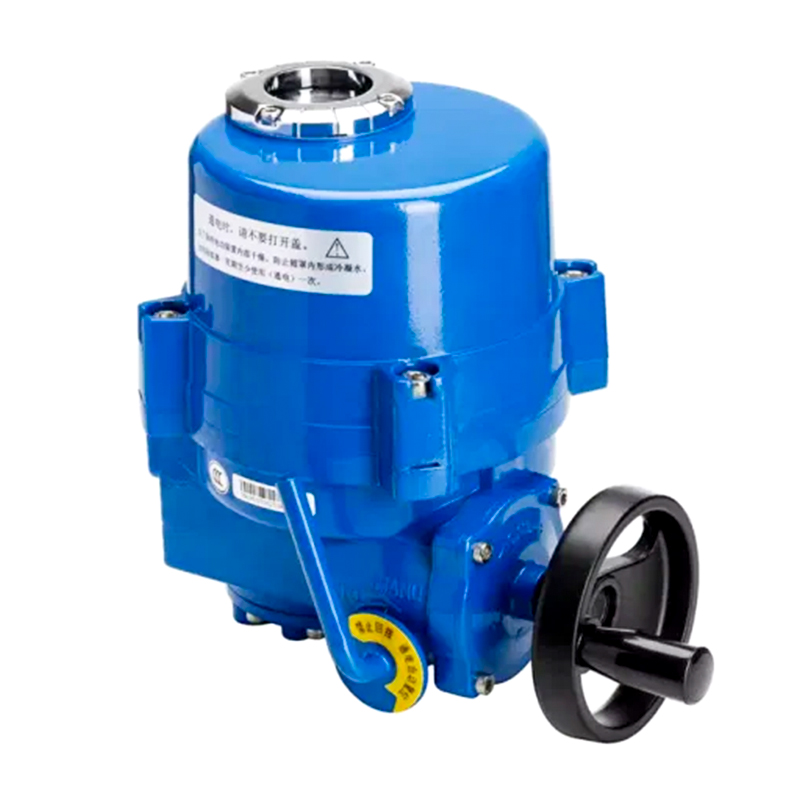
The QM series partial rotary valve electric device includes ordinary switch type, integral type, regulating type, intell...
See Details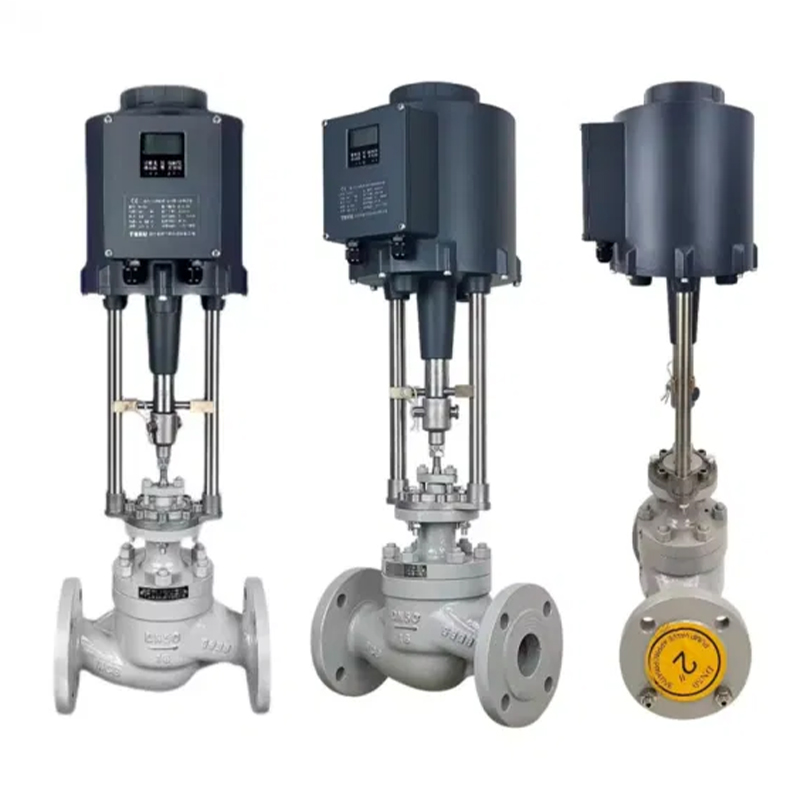
Mainly used in the industrial field, equipped with the new Keyou A8 intelligent valve actuator control system, it has po...
See Details

Copyright 2024 Changzhou Xinneng Automatic Control Equipment Co., Ltd All Rights Reserved.