
0086 15335008985


 русский
 Español
 Search
Home / News / Industry News / Key Differences Between Swing, Lift, and Spring Check Valves for Mining
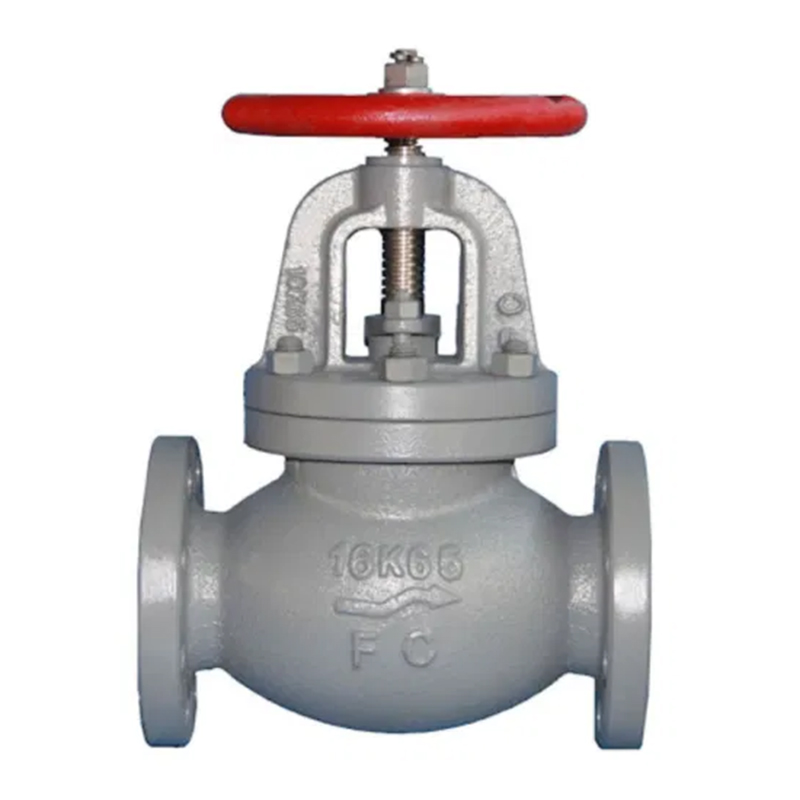
Key Differences Between Swing, Lift, and Spring Check Valves for Mining
Introduction
In mining operations, coal mine check valves are essential components within fluid and gas handling systems. They serve as unidirectional flow devices that prevent backflow, protect critical equipment, and contribute to operational safety.
We adopt a systems approach that considers hydraulic dynamics, mechanical interactions, installation and integration considerations, maintenance impacts, and safety implications of each valve type within mining environments. Comparisons emphasize qualitative and practical distinctions rather than purely individual product traits.
1. Systems Context: Check Valves in Mining Infrastructure
Mining environments are complex systems involving multiple interacting subsystems such as fluid transport, slurry conveyance, compressed air networks, water management, and gas evacuation. Within these subsystems, coal mine check valves play critical roles in maintaining directional flow, preventing reverse flow events, and protecting pumps, compressors, and other equipment.
For example:
- Water management systems in underground mining require check valves to prevent water hammer and backflow into drainage pumps.
- Compressed air networks depend on reliable check valves to protect air compressors from reverse flow during pressure fluctuations.
- Ventilation and gas handling systems utilize check valves to ensure directional flow of exhaust, preventing hazardous gas recirculation.
In these contexts, selecting the appropriate valve type affects not only individual component performance but also the overall dynamics and safety of mining systems.
2. Fundamental Operating Principles
Understanding how each valve type works underpins effective application in specific mining scenarios.
2.1 Swing Check Valves
A swing check valve consists of a rotating disc (also called a flap or clapper) hinged at a pivot point within the valve body. Flow in the forward direction pushes the disc open, allowing fluid passage. When the flow reverses, the disc swings back to the closed position under the influence of back pressure and gravity.
Key features:
- Simplified mechanical design with a hinged element.
- Suitable for low‑to‑moderate velocity flows.
- Sensitive to flow direction and orientation due to gravity effects.
In mining applications, swing check valves are often used in large‑diameter water and slurry pipelines, where relatively low differential pressure and moderate flow velocity prevail.
2.2 Lift Check Valves
A lift check valve operates based on the vertical movement of a guided disc or piston. As forward flow increases, fluid pressure lifts the disc off its seat, allowing passage. When flow declines, gravity and back pressure return the disc to the seat, preventing reverse flow.
Key features:
- Axial motion results in a direct flow path.
- Elevated minimum flow required to lift the disc.
- More robust against abrupt flow reversal compared to swing types.
Lift check valves are often selected for high‑pressure slurry and fluid transfer lines where abrupt changes in flow could cause significant backflow events.
2.3 Spring Check Valves
A spring check valve uses a spring‑loaded disc, poppet, or ball that remains seated until forward flow overcomes spring force. The spring enhances closing speed and responsiveness, which can reduce water hammer and pressure surge effects.
Key features:
- Compact design.
- Rapid response to flow changes.
- Less sensitive to orientation and gravity.
Spring check valves are widely used in compressed air systems, hydraulic circuits, and where installation flexibility is required.
3. Detailed Technical Comparisons
The following sections break down how each valve type performs in fundamental technical categories relevant to mining applications.
3.1 Flow Dynamics
The way fluid interacts with the internal elements of a check valve impacts system efficiency, pressure loss, and susceptibility to transient events.
Swing Check Valve Dynamics
- Flow Path: Partially obstructed by the disc when open, generating secondary flows.
- Flow Separation: At higher velocities, flow separation behind the disc can create turbulence.
- Transient Behavior: Moderate resistance to fast pressure reversals; the disc may oscillate before seating.
Lift Check Valve Dynamics
- Flow Path: Straight through the valve when lifted, minimizing flow resistance.
- Minimum Velocity Requirements: A certain flow velocity is needed to lift the disc fully.
- Transient Behavior: Better stability under reversal than swing valves due to guided motion and reduced oscillation.
Spring Check Valve Dynamics
- Flow Path: Designed for minimal obstruction when open; some designs achieve near‑straight line flow.
- Fast Response: Spring assists rapid closure, reducing backflow volumes.
- Responsive Behavior: More effective for applications with rapid start/stop cycles.
3.2 Pressure Drop and Hydraulic Performance
Pressure drop across a valve impacts pump selection, energy consumption, and pipeline sizing.
| Valve Type | Pressure Drop at Nominal Flow | Suitability for High Velocity | Comments |
|---|---|---|---|
| Swing Check | Moderate | Limited | Disc position may cause localized losses |
| Lift Check | Low‑Moderate | Good | Straight path reduces obstruction |
| Spring Check | Low | Excellent | Compact internal path minimizes losses |
In high‑velocity lines, spring check valves will typically exhibit the lowest pressure drop, while swing check valves may introduce additional hydraulic losses due to the disc in the flow path.
3.3 Mechanical Characteristics and Response Time
The mechanical configuration determines how quickly a valve reacts to flow changes.
- Swing Check: Relies on gravity and back pressure to close; slower response, potentially increased backflow before seating.
- Lift Check: Guided axial movement results in relatively predictable motion but may lag in low flow conditions.
- Spring Check: Spring force ensures faster closure and lower risk of backflow.
Response time is critical in mining systems with frequent process fluctuations, such as variable pump loads or intermittent compressor use.
3.4 Installation Orientation and Space Requirements
Some check valves require specific orientations to operate effectively.
| Valve Type | Orientation Sensitivity | Space Requirement |
|---|---|---|
| Swing Check | High | Larger footprint |
| Lift Check | Moderate | Vertical clearance required |
| Spring Check | Low | Compact |
Swing check valves must be installed in a horizontal line to allow gravity‑assisted closure. In contrast, spring check valves can work in virtually any orientation, including vertical and angled runs, offering flexibility in constrained underground networks.
3.5 Maintenance and Reliability Considerations
Mining environments are harsh — dust, abrasive fluids, and cyclic loads will affect component life.
- Swing Check Valves: Simple design eases inspection but the hinge pin and disc can wear under continuous cycling.
- Lift Check Valves: Guide wear and seat erosion are primary concerns. Periodic clearance checks are required.
- Spring Check Valves: Spring fatigue and seal wear are common failure modes; however, reduced mechanical complexity often translates to lower maintenance frequency.
Inspection access, ease of part replacement, and condition monitoring should be factored into system design.
3.6 Material Considerations for Coal Mine Environments
Material selection for coal mine check valves must account for:
- Abrasive media (e.g., slurry, sediment‑laden water)
- Corrosive conditions (moisture, chemical residues)
- Temperature variations
Metals such as stainless steel, duplex alloys, and specialized coatings improve resistance to wear and corrosion. Elastomeric seals should be selected based on compatibility with the fluid chemistry and temperature range of the application.
4. Systems Integration Aspects
Understanding how check valves interact with larger systems is essential in mining applications.
4.1 Integration with Pump Systems
Check valves are often placed immediately downstream of pumps. Key considerations include:
- Pump Protection: Prevent reverse flow that could damage impellers or induce cavitation.
- Start/Stop Cycling: Spring check valves reduce water hammer on rapid cycling.
- Transient Suppression: Valve type influences the magnitude and frequency of pressure oscillations.
For example, pairing centrifugal water pumps with swing check valves may require additional water hammer arrestors to mitigate surge effects.
4.2 Interaction with Ventilation and Gas Handling Systems
In ventilation and methane evacuation systems, check valves may be used to prevent re‑entry of gases into critical zones.
- Gas Density Effects: Lighter gases may reduce closure forces in gravity‑dependent swing designs.
- Sealing Integrity: Spring check valves provide more consistent rollover protection.
Designers must ensure valve selection aligns with flow medium properties and safety system requirements.
4.3 Safety and Risk Mitigation
Backflow in mining systems can have severe consequences, including flooding, dust suppression failure, or explosive gas recirculation.
Risk mitigation strategies include:
- Redundant Check Valves: Placing multiple valves in series for critical pipelines.
- Dynamic Response Matching: Choosing valves whose response times complement upstream equipment dynamics.
- Monitoring and Diagnostics: Integration with condition monitoring systems to flag performance degradation.
4.4 Control System Integration
Modern mining operations increasingly incorporate digital control systems:
- SCADA and PLC Interfaces: Sensors that detect valve position, flow direction, and pressure differential can relay real‑time status.
- Predictive Maintenance Analytics: Data from check valves can feed into analytics platforms to predict failure before it occurs.
Therefore, consideration of signal integration, wiring, and environmental protection (e.g., explosion‑proof housings) is essential during system design.
5. Comparative Tables and Decision Frameworks
The following tables summarize and compare operational characteristics to support selection and specification.
Table 1: Operational Characteristics Summary
| Feature | Swing Check | Lift Check | Spring Check |
|---|---|---|---|
| Directional Stability | Moderate | High | High |
| Backflow Prevention | Moderate | High | Very High |
| Response Time | Slow | Moderate | Fast |
| Installation Flexibility | Low | Moderate | High |
| Maintenance Frequency | Moderate | Moderate | Low‑Moderate |
| Pressure Drop | Moderate | Low‑Moderate | Low |
| Suitability for High‑Velocity Lines | Limited | Good | Excellent |
Table 2: Application‑Specific Considerations
| Mining Application | Recommended Valve Type(s) | Notes |
|---|---|---|
| Surface Water Drainage | Lift / Swing | Lift for higher pressure differentials |
| Underground Slurry Lines | Lift | Minimized turbulence and stable closure |
| Compressed Air Networks | Spring | Rapid response reduces surges |
| Gas Handling and Exhaust | Spring | Orientation flexibility and fast closure |
| Pump Suction Lines | Lift / Spring | Spring for smaller lines, lift for larger pipelines |
Decision Framework
Selecting the right coal mine check valve involves:
- Assessing Flow Characteristics: Velocity, fluid type, particulate content.
- Pressure and Transient Scenarios: Static vs dynamic pressure lift, cyclical loads.
- Orientation Constraints: Horizontal, vertical, or angled installations.
- Maintenance Accessibility: Frequency of service and ease of replacement.
- System Integration Requirements: Control system, diagnostics, safety interlocks.
A structured approach ensures alignment between operational goals and component selection.
6. Summary
From a systems engineering perspective, the key differences between swing, lift, and spring check valves influence performance, reliability, and safety within mining infrastructure:
- Swing check valves offer simple design but require orientation control and exhibit moderate response characteristics. They are suited to large‑diameter, lower velocity applications where gravity assists closure.
- Lift check valves deliver stable directional performance in higher pressure systems, with a direct flow path and reduced turbulence. However, they require vertical space and may need a higher minimum flow for full opening.
- Spring check valves provide the fastest response and highest flexibility, making them suitable for applications that undergo frequent transient conditions or where installation orientation is restricted.
Each valve type has strengths and constraints that must be evaluated relative to the specific requirements of coal mine check valves applications. A comprehensive evaluation of flow dynamics, system interaction, and maintenance implications enables engineers and technical professionals to design safer, more reliable mining systems.
7. FAQ
Q1: What are the primary operational differences between swing, lift, and spring check valves?
A1: Swing check valves use a hinged disc that swings open and closed; lift check valves use axial motion to lift a disc or piston; spring check valves rely on spring force for rapid opening and closure. The differences influence response time, orientation requirements, and flow characteristics.
Q2: Which valve type is best for high‑velocity pipelines in mining?
A2: Spring check valves generally offer lower pressure drop and faster response in high‑velocity conditions, though lift check valves are also suitable depending on pressure and flow stability.
Q3: Can swing check valves be installed vertically?
A3: Swing check valves typically require horizontal installation due to gravity dependence. For vertical lines, lift or spring check valves are preferred.
Q4: How does valve selection affect water hammer in pump systems?
A4: Spring check valves mitigate water hammer effectively due to rapid closure. In contrast, swing check valves may allow larger backflow volumes before seating, increasing transient pressures.
Q5: What material considerations are important for coal mine check valves?
A5: Resistance to abrasion, corrosion, and wear is crucial. Stainless steels, duplex alloys, and protective coatings improve longevity. Seal materials must be compatible with fluid chemistry and temperature conditions.
8. References
- American Society of Mechanical Engineers (ASME). Valve Handbook. (Technical principles of check valve design and performance).
- Crane Co. Flow of Fluids Through Valves, Fittings, and Pipe (Engineering reference on pressure drop and flow dynamics).
- API (American Petroleum Institute) API 594/598 (General standards for valve performance and testing).
Previous Post
How Do Electric Actuators Work?
Next Post
How Do Valve Design Choices Affect Mining Water System Efficiency and Cost?
Related Products
-
-
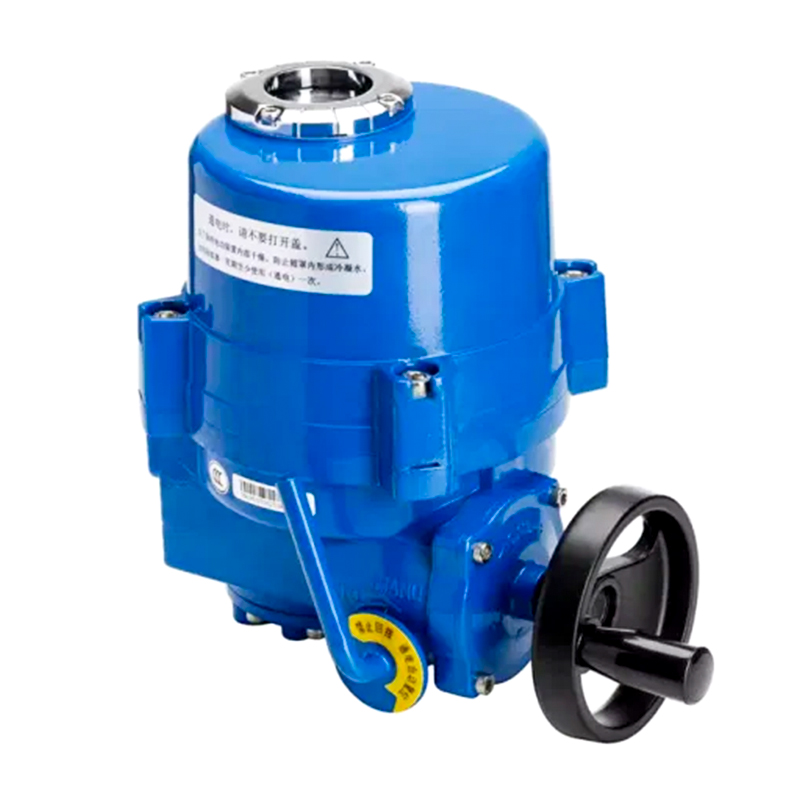
Cat:Quarter Turn Electric Actuator
The QM series partial rotary valve electric device includes ordinary switch type, integral type, regulating type, intell...
See Details -
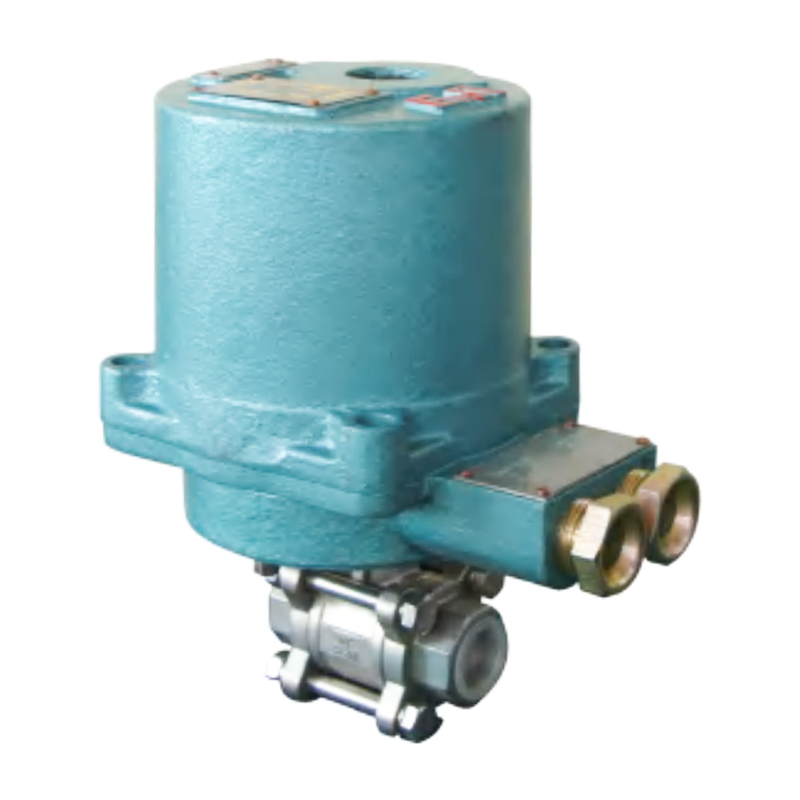
Cat:Coal Mine Valves
The MGQ Small Caliber High-Pressure Electric Valve is an integrated electromechanical valve engineered specifically for...
See Details -
Cat:Liner Electric Actuator
Mainly used in the industrial field, equipped with the new Keyou A8 intelligent valve actuator control system, it has po...
See Details
CONTACT US
Shape the Future of Product with Us!

QUICK LINKS
CONTACT INFORMATION
- ADDRESS: Laoli Industrial Park, Chaoyang Village, Hengshan Bridge Town, Wujin District, Changzhou City, Jiangsu Province, China
- TELEPHONE: 0086 15335008985
- EMAIL: [email protected]
MOBILE

Copyright 2024 Changzhou Xinneng Automatic Control Equipment Co., Ltd All Rights Reserved.
