0086 15335008985


 русский
 Español
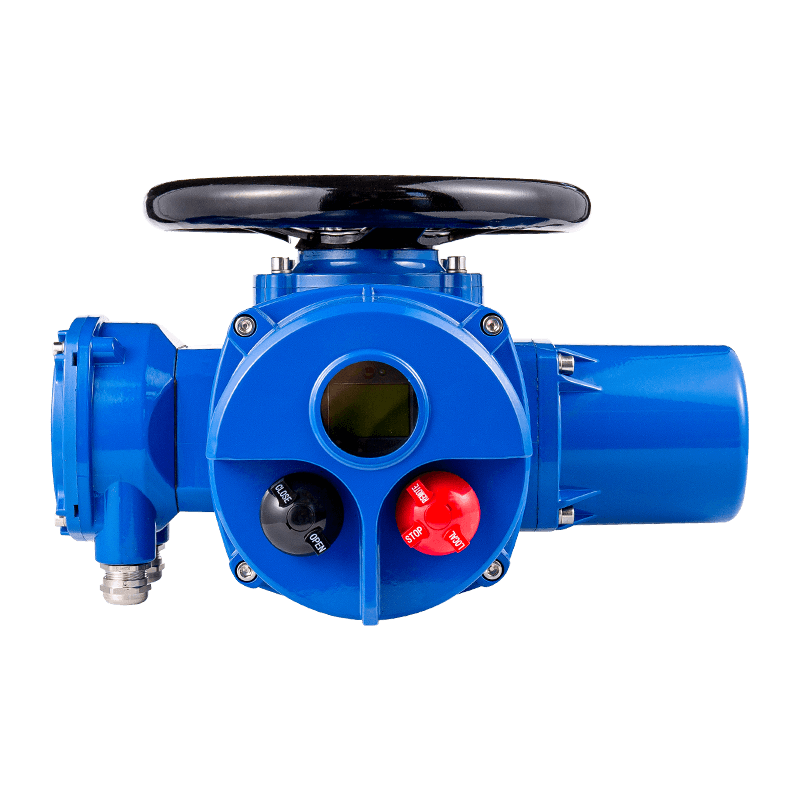
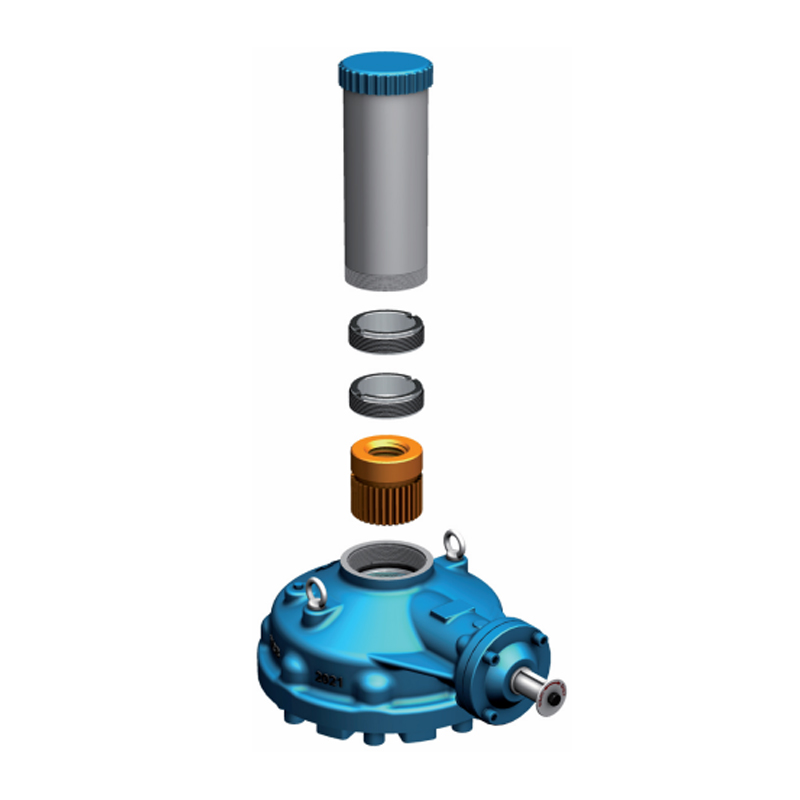
Main Features and Applications
Key Features of the MGQ Small Caliber High-Pressure Electric Valve
Integrated DCS Compatibility
The valve interfaces directly with remote distributed control systems. No dedicated control cabinet or intermediate relay panel is required, reducing installation footprint and wiring complexity in underground galleries.
Manual Override Without Power
When electrical supply is interrupted, the valve can be opened and closed manually. This eliminates the risk of flow lockout during power failures — a safety-critical requirement in mine fire protection and pump systems.
Precise Valve Position Signaling
Unlike standard solenoid valves that provide only energised/de-energised feedback, the MGQ transmits accurate real-time position signals to the control system, enabling reliable monitoring and fault diagnostics.
Full Stainless Steel Construction
All wetted and structural components are manufactured in stainless steel, providing corrosion resistance against mine water, acidic drainage, and dust-suppression chemicals throughout the service life of the valve.
Bi-Directional Sealing Structure
The sealing mechanism functions independently of flow direction, operating pressure range, and whether the line is under positive or negative pressure. This removes installation orientation constraints common to directional-seal valve designs.
Dual Connection Standards
Available with either internal threaded or flange end connections, accommodating a range of pipeline configurations and nominal diameters typically encountered in underground pump and suppression installations.
MGQ Electric Valve vs. Conventional Underground Valve Types
The table below compares the MGQ against two valve categories it is designed to replace in coal mine pipeline circuits.
| Criterion | MGQ Electric Valve | Solenoid Valve | Manual Ball Valve |
|---|---|---|---|
| Power-off operability | Manual override available | Fails to last energised state | Manually operable |
| Valve position feedback | Accurate real-time signal | On/off signal only | None |
| DCS integration | Direct, no control box | Requires relay/control box | Not applicable |
| Seal leakage risk | Low (bi-directional seal) | High under pressure cycling | Medium (wear-dependent) |
| Flow direction dependency | None | Directional | None |
| Body material | Full stainless steel | Varies (brass/SS) | Varies (CS/SS) |
| Control method | Electric + manual | Electric only | Manual only |
Typical Application Scenarios in Coal Mine Infrastructure
- Underground fire suppression systems: Automated isolation and release of fire-fighting water lines in sealed roadways and working faces.
- Sprinkler dust-reduction circuits: Timed or sensor-triggered sprinkler activation for airborne coal dust control at transfer points and cutting faces.
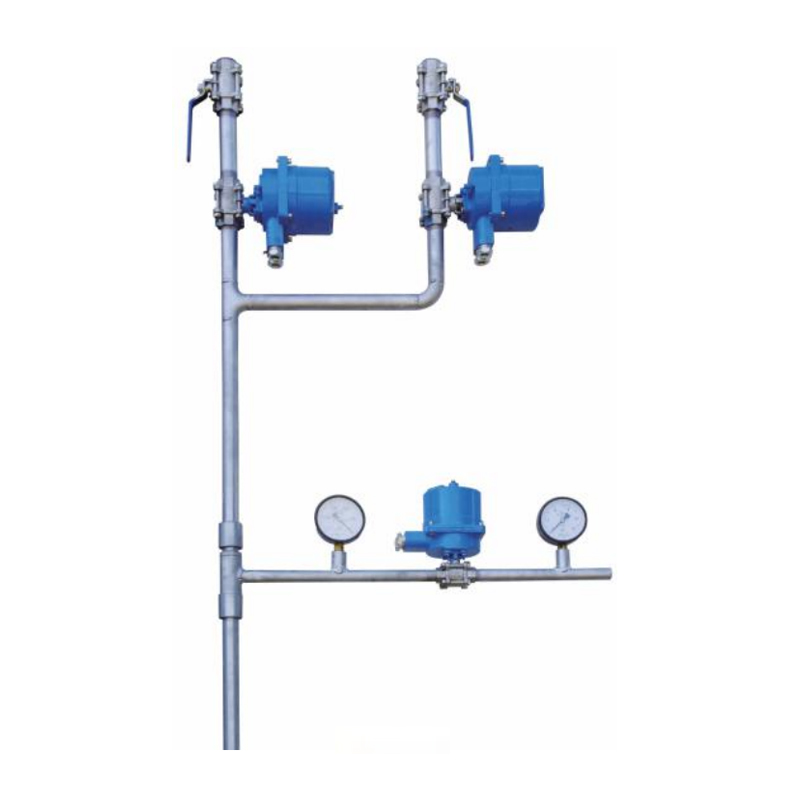
- Underground water pump auxiliaries: Flow control on pump inlet, outlet, and bypass lines where accurate position monitoring is required by monitoring systems.
- Jet pump and ejector systems: Precise flow regulation in jet pump motive-water lines, where bidirectional sealing prevents backflow-induced seal failure.
- Vacuum pump support pipelines: Valve service under negative-pressure conditions, where conventional directional seals are unsuitable.
Frequently Asked Questions
Q1: What makes the MGQ valve suitable for coal mine environments specifically?
The valve was purpose-designed for coal mine automation control and holds a utility model invention patent in that application. Its stainless steel body resists mine water corrosion; its bi-directional seal performs under both positive and vacuum pressures common in underground pump systems; and its manual override capability satisfies safety requirements for valve operability during electrical faults or planned outages.
Q2: Can the MGQ valve be connected directly to an existing DCS without additional hardware?
Yes. The MGQ integrates directly into remote DCS control architectures without requiring a separate control cabinet or relay panel. Signal outputs for valve position are built into the actuator assembly, eliminating an intermediate hardware layer that would otherwise add installation cost and potential fault points.
Q3: What connection types are available, and how is the correct type selected?
The MGQ is available with internal (female) threaded end connections or flanged end connections. Threaded ends suit smaller-diameter pipelines and locations where space constraints limit flange bolt access. Flanged connections are preferred for larger nominal diameters, higher cyclic pressure loads, and installations requiring frequent in-line removal for maintenance. Selection should be confirmed against the pipeline nominal bore and the pressure class of the mating pipework.
Q4: Does the valve operate correctly if installed against the normal flow direction?
Yes. The bi-directional sealing design means sealing performance is not dependent on the direction of medium flow. This is particularly relevant in vacuum pump circuits, where pressure differential can reverse during operational cycles, and in dual-purpose lines that may carry flow in either direction depending on system state.
Q5: What routine maintenance does the MGQ electric valve require?
Due to the compact integrated actuator design and stainless steel wetted parts, routine maintenance requirements are lower than comparable pneumatic or solenoid-operated valve assemblies. Recommended practice includes periodic exercise cycling to verify manual override function, inspection of electrical connections and cable entry seals for integrity, and checking valve position signal accuracy against the DCS readout. Seal replacement intervals depend on operating pressure, fluid chemistry, and cycle frequency, and should be established based on site conditions.
Q6: Is the MGQ valve approved for use in coal mine hazardous areas?
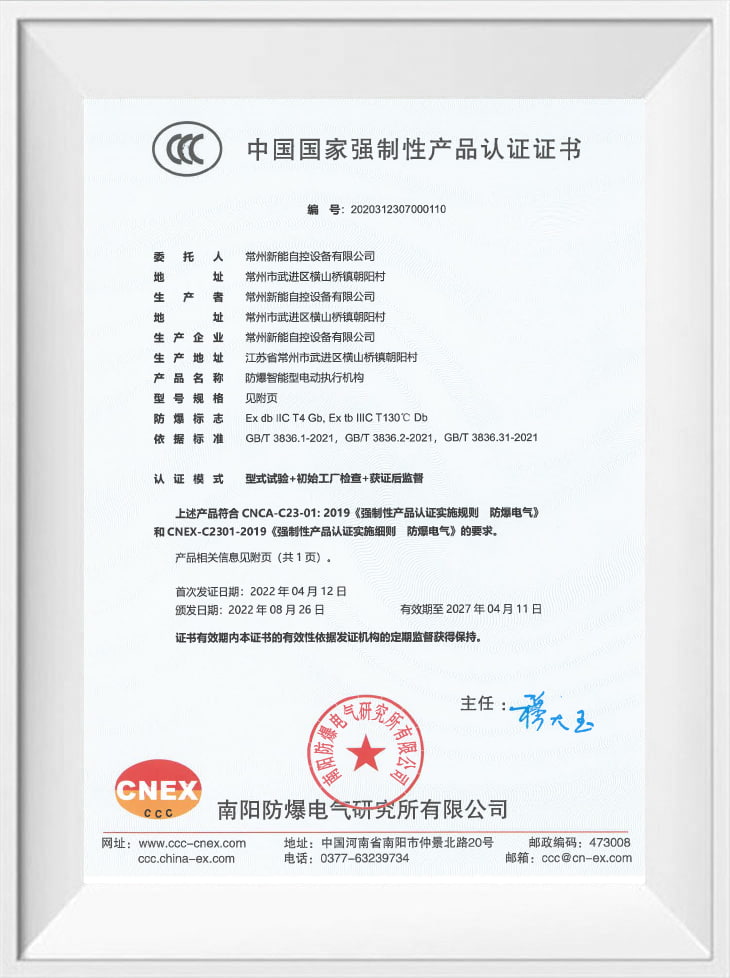
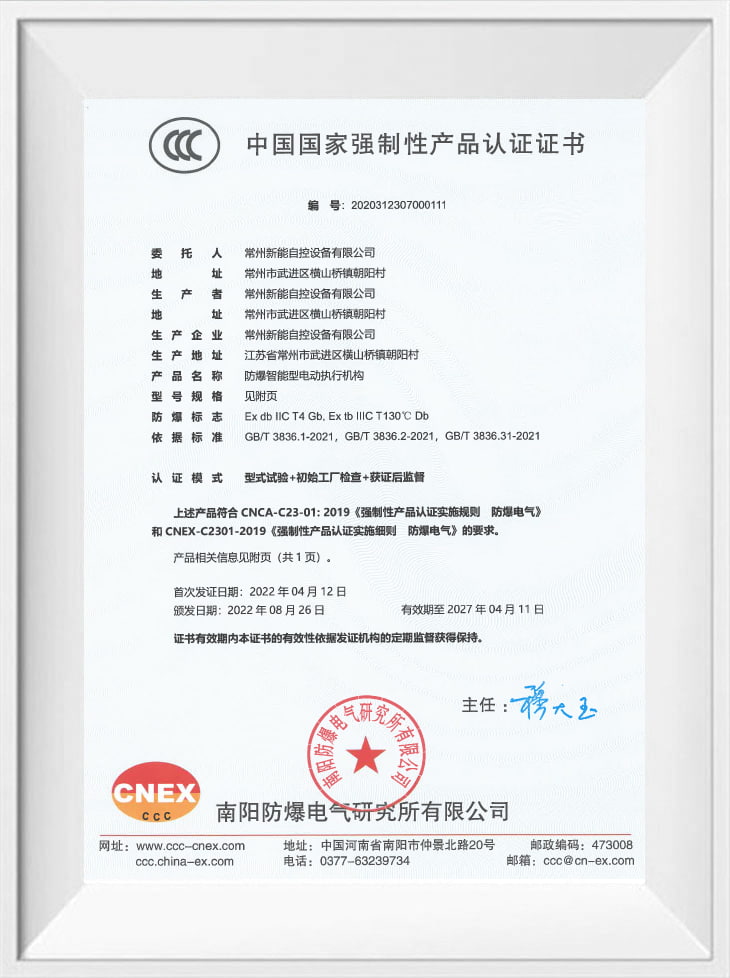
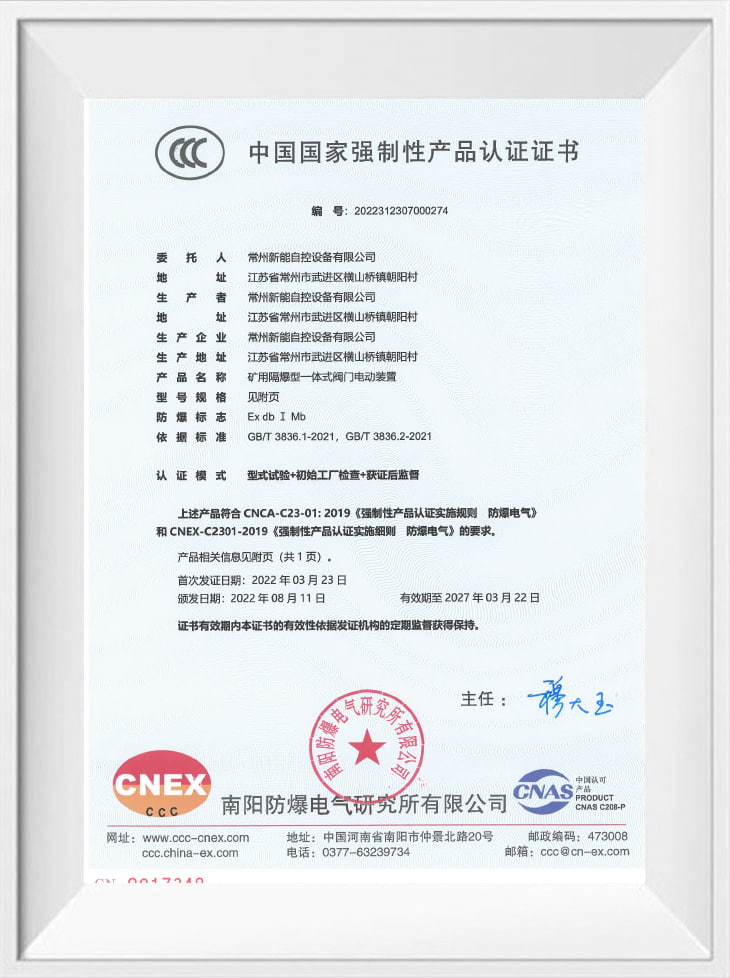
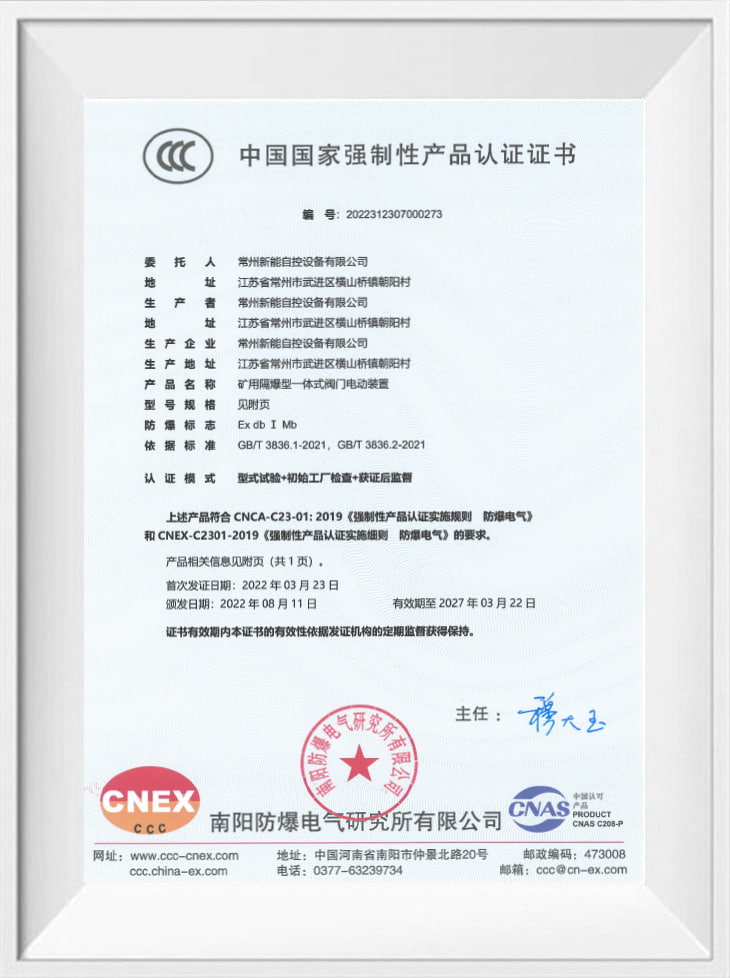
The MGQ was specifically designed for coal mine underground applications and holds a utility model patent covering its automation control function in that context. For hazardous area electrical classification compliance (such as requirements for explosion-proof or intrinsically safe actuator circuits), the applicable certification documentation should be confirmed with the supplier before installation in zones governed by mine safety regulations.
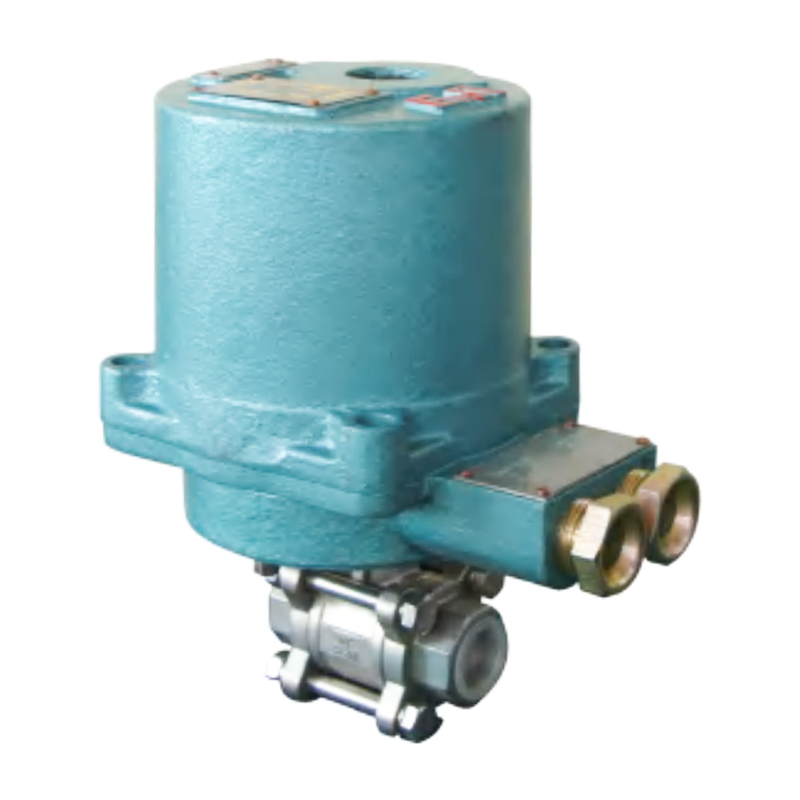
Structural Schematic Diagram
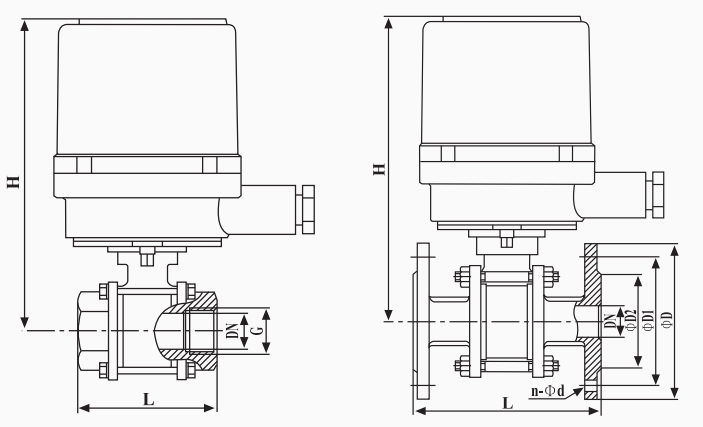
Connection Size and Related Electric Device Selection Table
| Main dimensions of valve (mm) | Selection and Main Parameters of Mining Explosion proof Small Electric Device | ||||||||||||
| Caliber | MGQI (internal thread) | MGQII (flange type) | |||||||||||
| DN | G | L | H | L | D | D1 | D2 | H | n-Φd | Model specifications | Torque (N.m) | Voltage (V) | Motor power (W) |
| 20 | 34” | 80 | 200 | 150 | 105 | 75 | 58 | 240 | 4-F14 | QMB3.5-1.25G | 35 | 127 | 10 |
| 25 | 1” | 90 | 200 | 160 | 115 | 85 | 68 | 250 | 4-F14 | QMB3.5-1.25G | 35 | 127 | 10 |
| 32 | 1%” | 110 | 200 | 180 | 140 | 100 | 78 | 260 | 4-F18 | QMB5-1.25G | 50 | 127 | 15 |
| 40 | 1%” | 120 | 300 | 200 | 150 | 110 | 88 | 270 | 4-F18 | QMB9-0.85G | 90 | 127 | 40 |
| 50 | 2” | 140 | 300 | 230 | 165 | 125 | 102 | 270 | 4-F18 | QMB15-0.6G | 150 | 127 | 40 |
Note: Threaded connection nominal pressure: 1.6MPa, 2.5MPa, 4MPa, 6.4MPa, 10MPa, 16MPa
Flange connection nominal pressure: 1.6MPa, 2.5MPa, 4MPa, 6.4MPa