
0086 15335008985


 русский
 Español
 Search
How Do Electric Actuators Work?
What Is an Electric Actuator and How Does It Work?
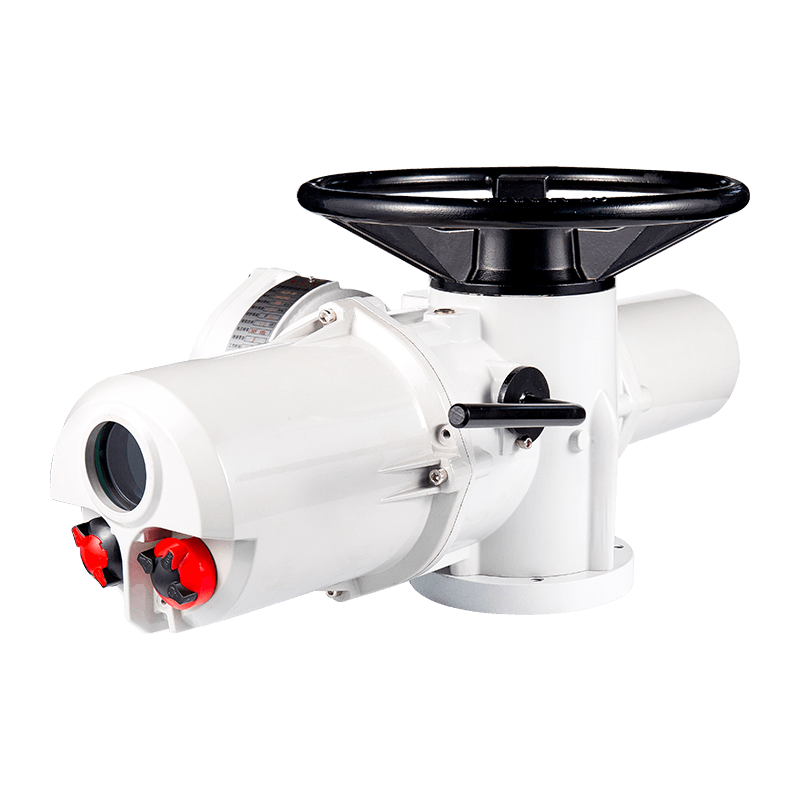
An electric actuator is a device that converts electrical energy into mechanical motion to control valves, dampers, or other industrial components. At its core, it works by using an electric motor to generate torque or linear force, which is then transmitted through a gear system to move a valve or mechanism to a desired position.
The basic operating sequence is straightforward:
- A control signal (typically 4–20 mA, 0–10 V, or digital) is sent to the actuator.
- The motor receives the signal and begins to rotate.
- Gears reduce the motor speed and increase output torque.
- The output shaft moves the valve to the commanded position.
- A position sensor (encoder or potentiometer) provides feedback to confirm the position.
This closed-loop process allows precision positioning to within ±0.1° in high-end models, making electric actuators suitable for both on/off and modulating control applications.
Key Components Inside an Electric Actuator
Understanding the internal components helps explain why electric actuators perform reliably over thousands of operating cycles.
- Electric Motor: Usually an AC or DC motor. AC motors are common in industrial settings due to durability; DC motors offer finer speed control.
- Gear Train: Reduces motor speed and multiplies torque. Worm gears are widely used for their self-locking capability, preventing backdriving when power is off.
- Position Sensor: Potentiometers or encoders track exact shaft position and feed data back to the controller.
- Control Board (PCB): Processes input signals, manages motor operation, and handles limit switch logic.
- Limit Switches: Mechanically or electronically stop the actuator at end positions to prevent over-travel damage.
- Manual Override: A handwheel or declutch mechanism that allows operation during power failures.
- Enclosure: Rated to IP67 or IP68 in many industrial models, protecting internal components from dust and water ingress.
Types of Electric Actuators Used in Industry
Different applications require different motion types. The three main categories are:
| Type | Motion | Typical Application | Output Range |
| Rotary | Angular (0°–90° or multi-turn) | Ball valves, butterfly valves | 10–3,000 Nm |
| Linear | Straight-line push/pull | Gate valves, globe valves | 100–50,000 N |
| Multi-turn | Multiple full rotations | Gate valves, sluice gates | Up to 10,000 Nm |
Quarter-turn rotary actuators are the most common type in process industries, handling 90° valve travel for ball and butterfly valves. Multi-turn actuators are essential for gate valves that require many rotations to fully open or close.
How an Industrial Electric Valve Actuator Controls Flow
An industrial electric valve actuator is engineered specifically to operate valves in pipelines carrying liquids, gases, or slurries under pressure. The actuator mounts directly to the valve's stem or flange and drives it open, closed, or to any intermediate position.
On/Off Control
In on/off mode, the actuator drives the valve fully open or fully closed based on a simple binary signal. This is used in applications like isolation valves in water treatment, where response times of 5–30 seconds are typical depending on valve size.
Modulating Control
In modulating mode, the actuator continuously adjusts valve position to maintain a setpoint — for example, holding a pipe pressure at 4.5 bar. The control signal (commonly 4–20 mA) maps directly to valve travel (0–100%). This enables precise process control in chemical dosing, HVAC systems, and power generation.
Fail-Safe Operation
Many industrial electric valve actuators include a battery backup or spring-return mechanism. In the event of a power failure, the valve automatically moves to a pre-set safe position (fully open or fully closed) within seconds, protecting the process and equipment.
Advantages of Electric Actuators Over Pneumatic and Hydraulic Types
Each actuator technology has trade-offs. Here is a direct comparison across key performance factors:
| Factor | Electric | Pneumatic | Hydraulic |
| Energy Efficiency | High (uses power only when moving) | Low (compressor runs continuously) | Medium |
| Positioning Accuracy | ±0.1° or better | ±1–2% | ±0.5–1% |
| Installation | Simple (cable only) | Requires air supply lines | Requires hydraulic piping |
| Maintenance | Low | Medium (filter/lubricator) | High (fluid changes, seals) |
| Speed | Medium | Fast | Fast |
| Force/Torque | Medium–High | Medium | Very High |
Electric actuators consume energy only during movement, which can reduce operating energy costs by up to 70% compared to continuously running pneumatic compressor systems in facilities with many actuators.
How to Select the Right Electric Valve Actuator
Choosing incorrectly leads to premature failure or inadequate control. Use the following criteria systematically:
Step 1 — Determine Required Torque
Calculate the valve's breakaway torque (the force needed to initially move it) and running torque. Always select an actuator rated at least 25–30% above the valve's maximum required torque to account for wear, pressure surges, and safety margin.
Step 2 — Select the Motion Type
Match the actuator's motion type to the valve: quarter-turn for ball and butterfly valves, multi-turn for gate and globe valves, and linear for valves with rising stems.
Step 3 — Choose the Control Signal
Confirm the control system's output signal type. Common options include:
- 4–20 mA (most common in process industries)
- 0–10 V DC
- Digital fieldbus protocols (HART, Modbus, PROFIBUS, FOUNDATION Fieldbus)
- On/off (24 V DC or 120/240 V AC)
Step 4 — Check Environmental Requirements
For outdoor or washdown environments, select actuators with at least IP67 ingress protection. For hazardous areas with flammable gases, require ATEX or IECEx certification. For extreme temperatures, verify the rated operating range — some models function from -40°C to +70°C.
Step 5 — Evaluate Fail-Safe Needs
Decide whether the valve must default to open or closed on power loss. If required, select actuators with integrated battery backup (ESD) or spring-return modules.
Common Industrial Applications
Electric valve actuators are deployed across a broad range of industries due to their precision and low maintenance requirements:
- Water and Wastewater Treatment: Flow control in filtration, dosing, and distribution systems.
- Oil and Gas: Pipeline isolation and control in upstream and midstream facilities, often requiring ATEX-rated units.
- Power Generation: Cooling water control, steam isolation, and feedwater regulation in thermal and nuclear plants.
- Chemical Processing: Modulating control for reactors, heat exchangers, and dosing systems where exact flow ratios are critical.
- HVAC: Chilled water and heating coil control in commercial and industrial buildings.
- Food and Beverage: Sanitary valve control where hygiene and CIP (clean-in-place) compatibility are required.
Frequently Asked Questions
What is the lifespan of an industrial electric valve actuator?
Most industrial-grade electric actuators are rated for 10,000 to 50,000 operating cycles. With proper maintenance, a service life of 10–20 years is achievable in typical applications.
Can electric actuators be used in hazardous areas?
Yes. Models certified to ATEX (Europe) or IECEx (international) standards are available for zones with explosive gas or dust atmospheres.
What happens to an electric actuator during a power outage?
Standard actuators hold their last position using the self-locking gear train. Fail-safe models use an internal battery or spring mechanism to drive the valve to a predetermined safe position.
How is the actuator connected to a control system?
Via hardwired signals (4–20 mA, 0–10 V, or discrete I/O) or digital fieldbus protocols such as Modbus RTU, PROFIBUS, or HART, depending on the model and system requirements.
Do electric actuators require regular maintenance?
Maintenance is minimal compared to pneumatic or hydraulic types. Periodic checks include inspecting cable connections, verifying position feedback accuracy, and lubricating gears per the manufacturer's schedule — typically every 2–5 years.
What is the difference between on/off and modulating electric actuators?
On/off actuators move only to fully open or fully closed positions. Modulating actuators can position the valve at any point between 0% and 100% open, enabling continuous process control.
Previous Post
What is a Quarter Turn Electric Actuator?
Next Post
Key Differences Between Swing, Lift, and Spring Check Valves for Mining
Related Products
-
-
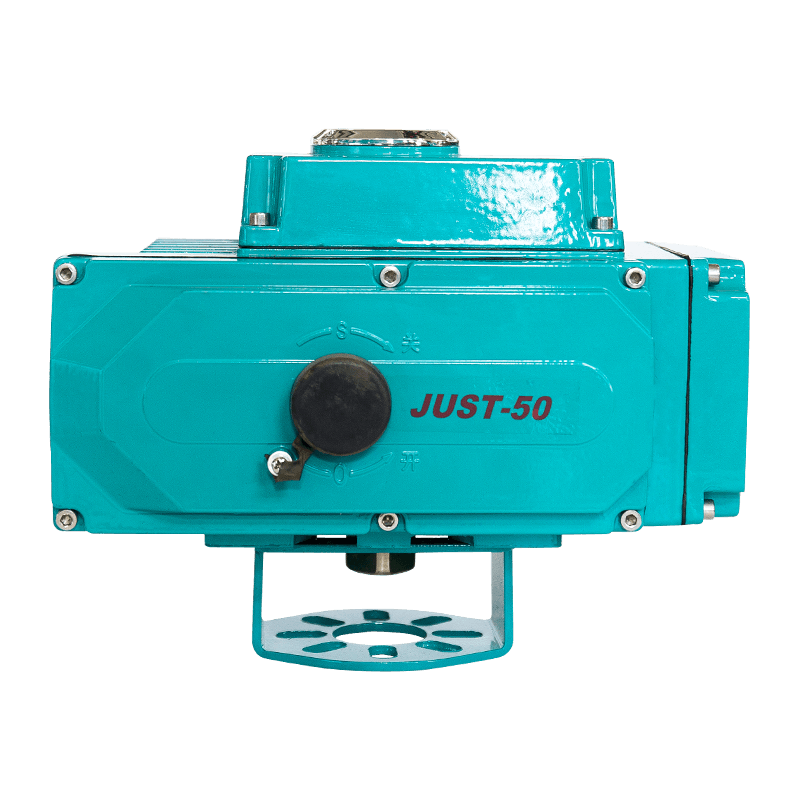
Cat:Quarter Turn Electric Actuator
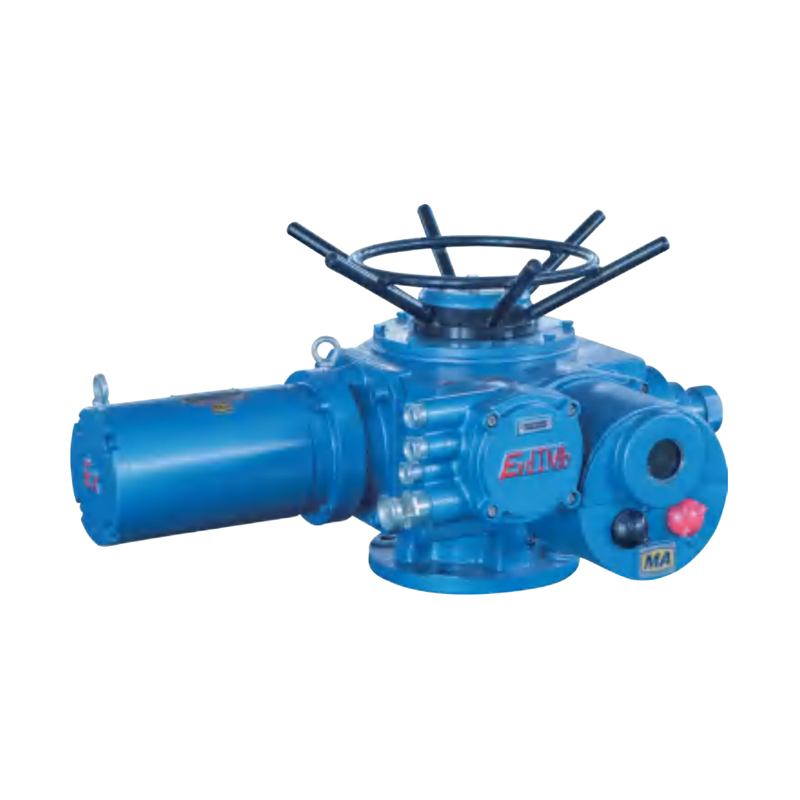
Compared with similar products, the QC series valve electric actuator has desirable performance and undeniable advantage...
See Details -
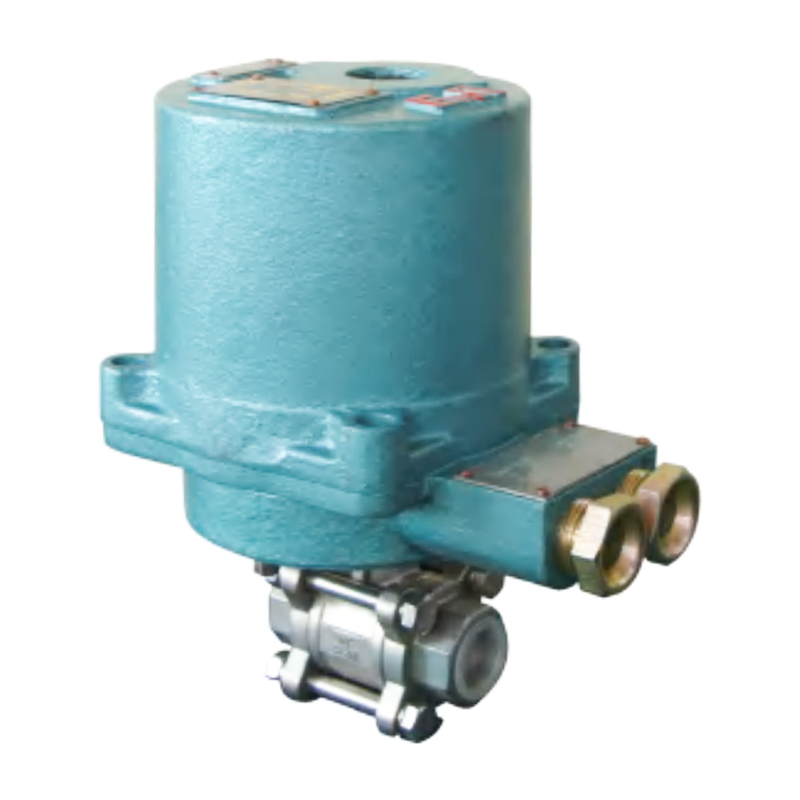
Cat:Coal Mine Valves
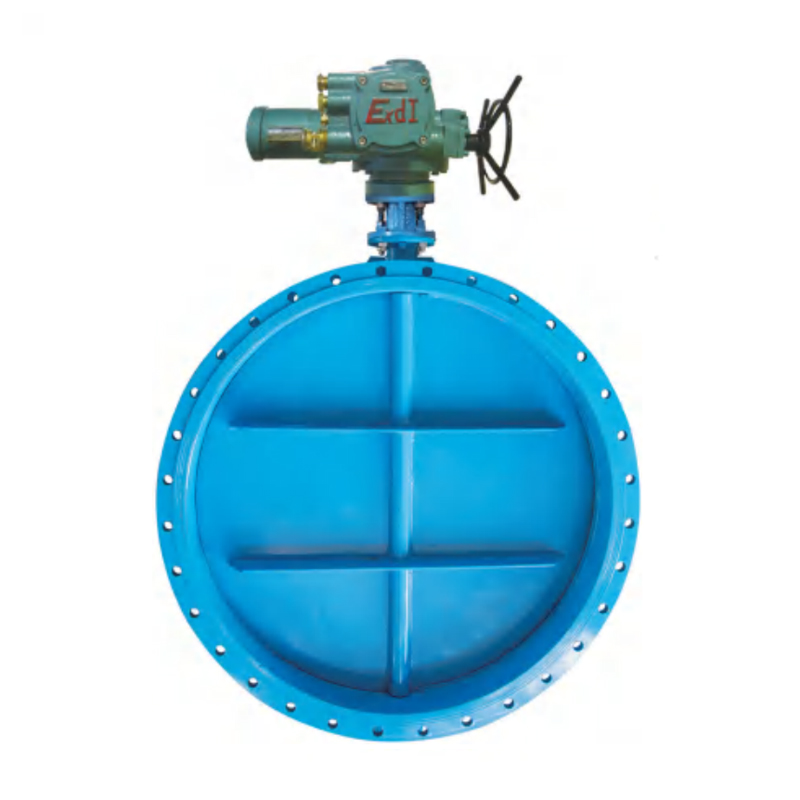
The MGQ Small Caliber High-Pressure Electric Valve is an integrated electromechanical valve engineered specifically for...
See Details
CONTACT US
Shape the Future of Product with Us!

QUICK LINKS
CONTACT INFORMATION
- ADDRESS: Laoli Industrial Park, Chaoyang Village, Hengshan Bridge Town, Wujin District, Changzhou City, Jiangsu Province, China
- TELEPHONE: 0086 15335008985
- EMAIL: [email protected]
MOBILE

Copyright 2024 Changzhou Xinneng Automatic Control Equipment Co., Ltd All Rights Reserved.
