0086 15335008985


 русский
 Español
Cat:Liner Electric Actuator
AKML linear stroke adjustable intelligent electric actuator, suitable for valves with linear thrust action, consists of ...
See Details
 Search
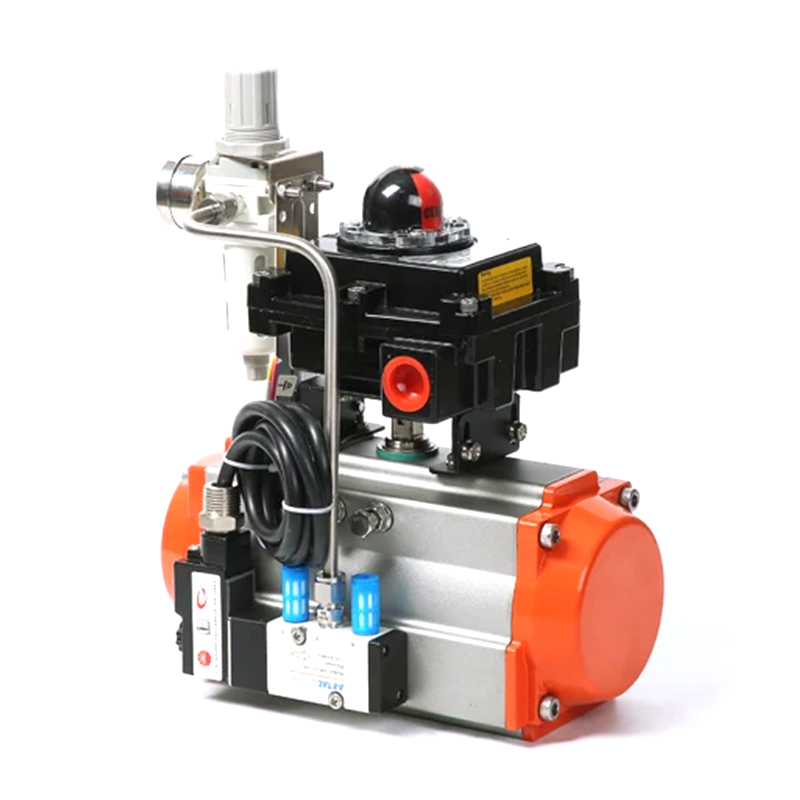
Understanding air consumption differences among various models of stainless steel pneumatic valve actuator is essential for engineers, procurement specialists, and plant operators. Air efficiency directly impacts operational costs, system design, and maintenance requirements.
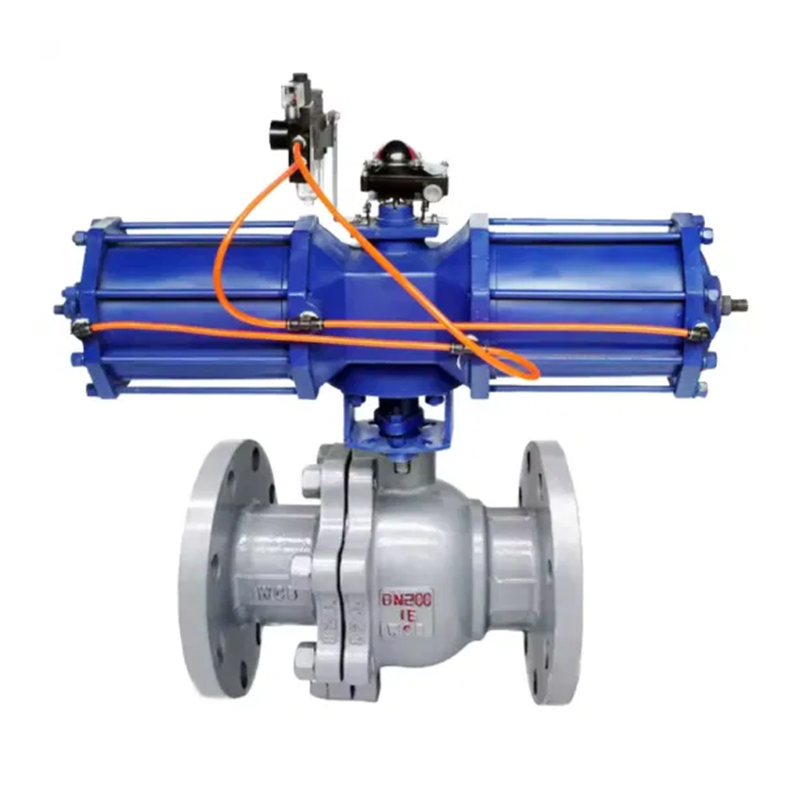
A stainless steel pneumatic valve actuator is a mechanical device that uses compressed air to control valve movement. These actuators are widely applied in industries such as chemical processing, food and beverage, pharmaceuticals, and water treatment due to their corrosion resistance and reliability. Unlike standard actuators, stainless steel models are designed to withstand harsh environments, including exposure to moisture, chemicals, and high-pressure systems.
The primary role of a stainless steel pneumatic valve actuator is to convert air pressure into mechanical motion, typically rotary or linear, to open or close a valve. This motion requires air flow, which is consumed during each actuation. Air consumption is therefore a critical parameter for system design, energy efficiency, and operational reliability.
Air consumption varies significantly across different models of stainless steel pneumatic valve actuator. Several key factors influence how much air is used:
Stainless steel pneumatic valve actuator models can be single-acting or double-acting:
The physical size of the actuator and the required torque directly impact air consumption:
The distance the actuator travels during valve operation affects air usage:
The pressure of the supplied air also influences consumption:
External conditions, such as temperature, humidity, and air quality, can affect air consumption:
Different stainless steel pneumatic valve actuator models are designed for specific operational demands. Comparing air consumption helps select the most efficient model for a given application.
| Actuator Type | Air Consumption | Typical Applications | Advantages |
|---|---|---|---|
| Single-acting | Low | Low-cycle valves, safety shut-offs | Energy-efficient, simple design |
| Double-acting | Moderate to high | High-cycle valves, precise control | Balanced force, bidirectional control |
| Rack-and-pinion | Moderate | Quarter-turn valves | Compact, durable, consistent torque |
| Scotch-yoke | High | High-torque quarter-turn valves | Smooth motion, high force output |
Rack-and-pinion models often consume moderate air volumes because of their efficient mechanical design. Scotch-yoke models, while providing high torque, tend to use more air due to the increased piston movement and friction. Choosing between these models involves balancing torque requirements, cycle speed, and air efficiency.
Understanding air consumption is critical for industrial system design. Key considerations include:
Air is a compressed energy source, and excessive consumption increases operational costs. Selecting an actuator with optimal air efficiency can reduce the load on compressors and lower energy expenses.
Compressor capacity must accommodate peak air demand from all actuators. Knowing the air consumption of each stainless steel pneumatic valve actuator ensures the system is neither over- nor under-sized, preventing unnecessary energy use or performance limitations.
Higher air consumption can accelerate wear on components and increase the likelihood of leaks. Models with lower consumption often require less frequent maintenance, resulting in reduced downtime and operational interruptions.
Reduced air consumption supports sustainability initiatives by minimizing energy waste. Industrial facilities increasingly prioritize actuators that balance performance with environmental responsibility.
When evaluating stainless steel pneumatic valve actuator models, buyers should consider:
While air-efficient actuators offer benefits, some challenges must be addressed:
For buyers evaluating stainless steel pneumatic valve actuator options, awareness of air consumption differences is essential:
By evaluating these aspects, buyers can make informed decisions, balancing performance, cost, and efficiency.
Air consumption is a critical performance factor in stainless steel pneumatic valve actuator selection. Differences in actuator type, size, stroke length, operating pressure, and environmental conditions determine how much air each model uses. Single-acting actuators are generally more air-efficient, while double-acting and high-torque models require more compressed air. Understanding these differences allows engineers and buyers to optimize energy usage, maintain system reliability, and reduce operational costs.
Selecting the right stainless steel pneumatic valve actuator involves considering not only air consumption but also torque requirements, valve compatibility, cycle frequency, and environmental conditions. Proper assessment ensures long-term efficiency, cost savings, and reliable operation in industrial applications.
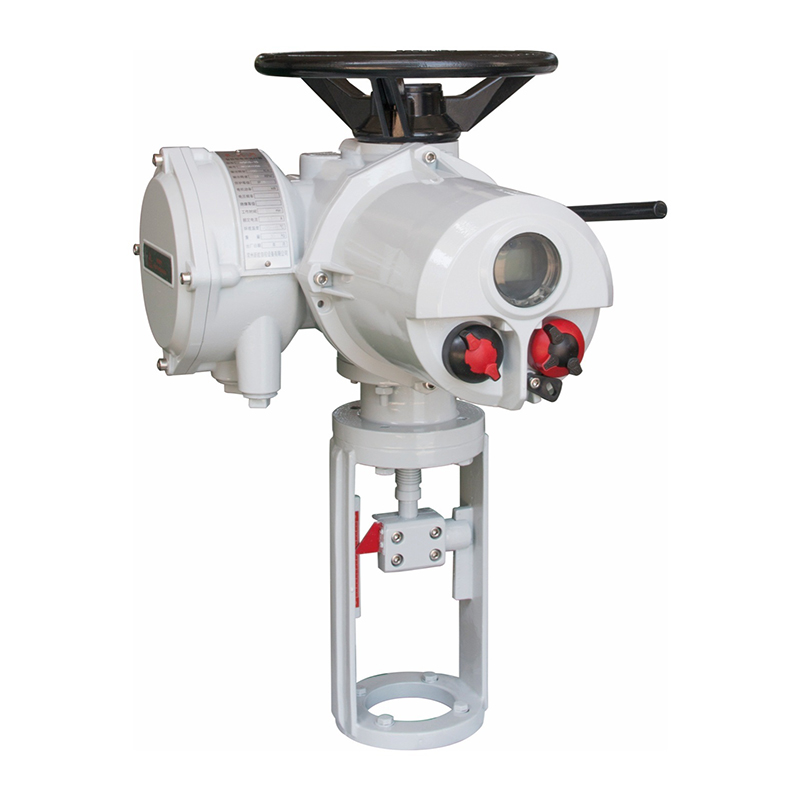
AKML linear stroke adjustable intelligent electric actuator, suitable for valves with linear thrust action, consists of ...
See Details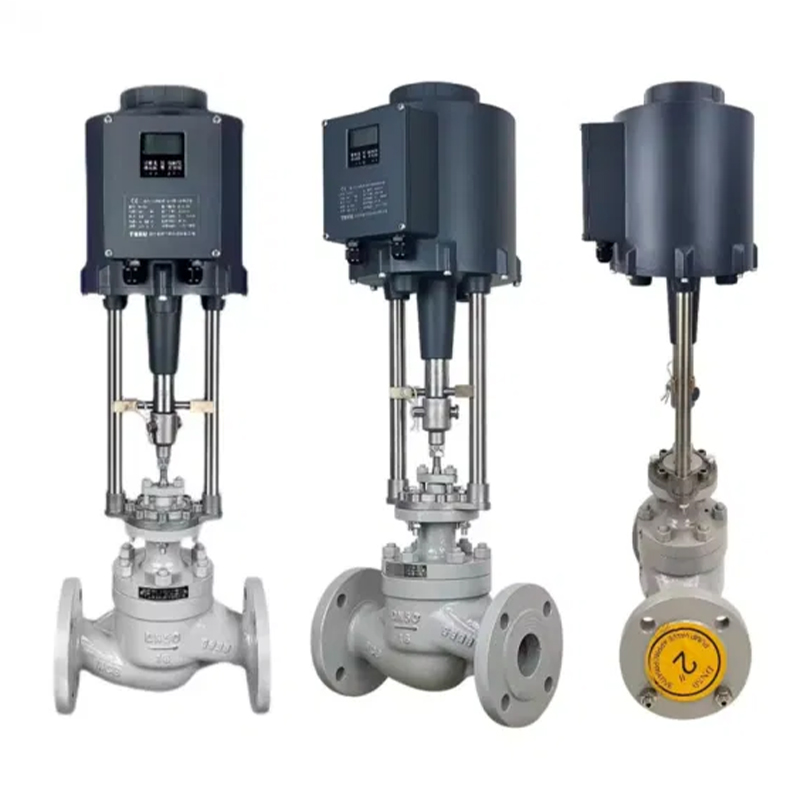
Mainly used in the industrial field, equipped with the new Keyou A8 intelligent valve actuator control system, it has po...
See Details

Copyright 2024 Changzhou Xinneng Automatic Control Equipment Co., Ltd All Rights Reserved.