русский
 Español
The global mining industry is undergoing a significant transformation, driven by the need for enhanced safety, operational efficiency, and stringent environmental compliance. At the heart of this evolution lies advanced valve automation technology, with Electric Actuators emerging as the critical component for modernizing material handling and process control. For decades, the coal mining sector has relied on robust and reliable actuation solutions to manage the intricate network of conveyors, gates, and processing equipment that defines a mining operation. Today, the shift from traditional pneumatic and hydraulic systems to intelligent electric alternatives is not just a trend but a strategic necessity for improving energy efficiency and reducing downtime.
This article delves into the technical landscape of Coal Mine Electric Actuator technology, exploring the various electric actuator types, the critical role of explosion-proof actuators, and how intelligent control systems are reshaping valve automation for heavy-duty environments.
Efficiency Gains Across Mining Operations
Electromechanical systems significantly outperform traditional fluid power in energy conversion. The adoption of electric actuators in mining applications yields measurable efficiency improvements across different operational categories.
Understanding Electric Actuator Types for Mining Applications
Selecting the correct actuator is critical for ensuring longevity and performance in harsh mining conditions. The primary electric actuator types utilized in this sector are defined by their motion profile and mechanical configuration.
Linear Electric Actuators
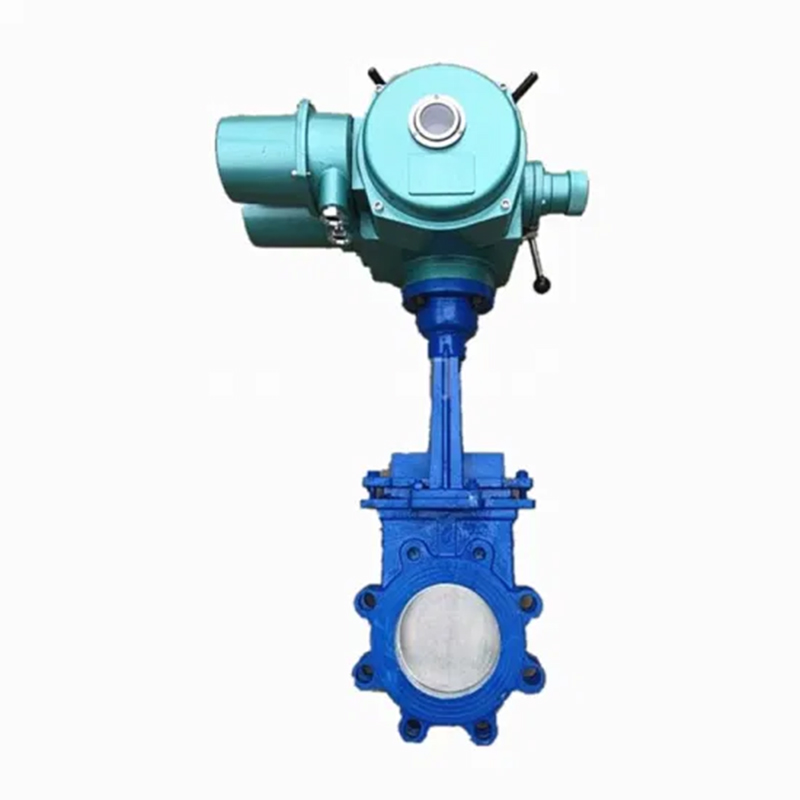
These are designed for push-pull operations, converting electrical energy into straight-line motion. In coal mining, they are commonly found on diverter gates, clam gates, and bin hopper slide gates. They are available in various screw drive technologies, including ball screw and ACME screw designs, offering thrust capabilities ranging from minimal loads up to 1,400 kN. Heavy-duty linear actuators often feature robust anti-rotation designs and are built to withstand high-frequency cycling, making them ideal for the continuous demands of material handling systems.
Multi-Turn and Part-Turn Actuators
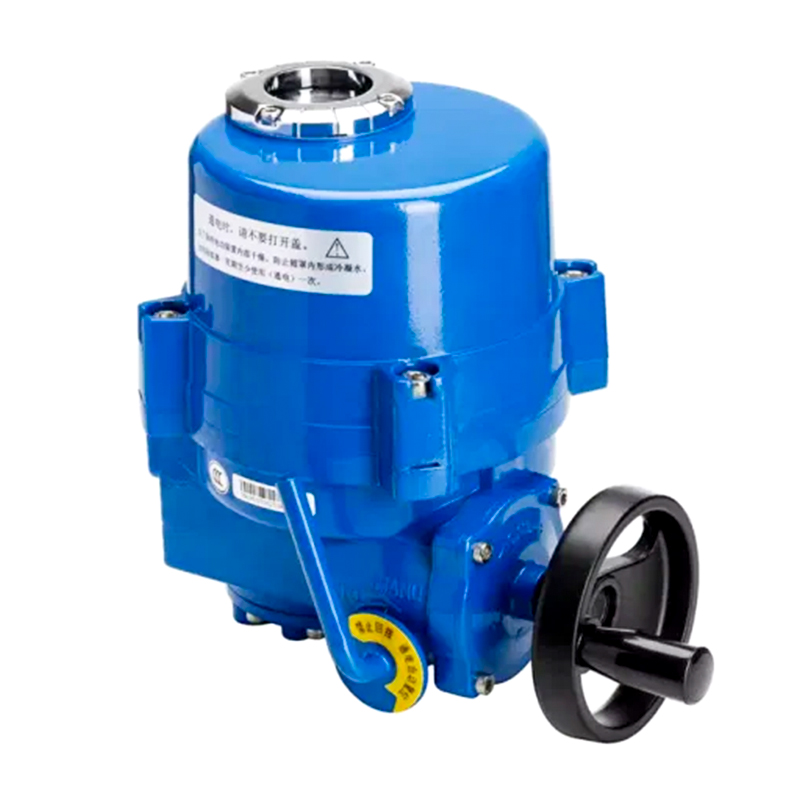
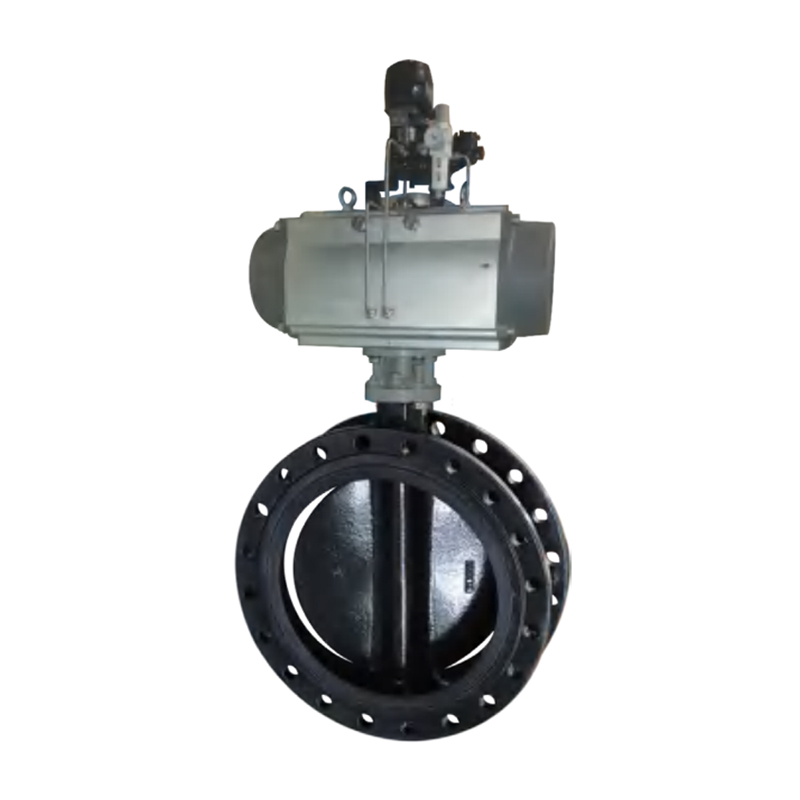
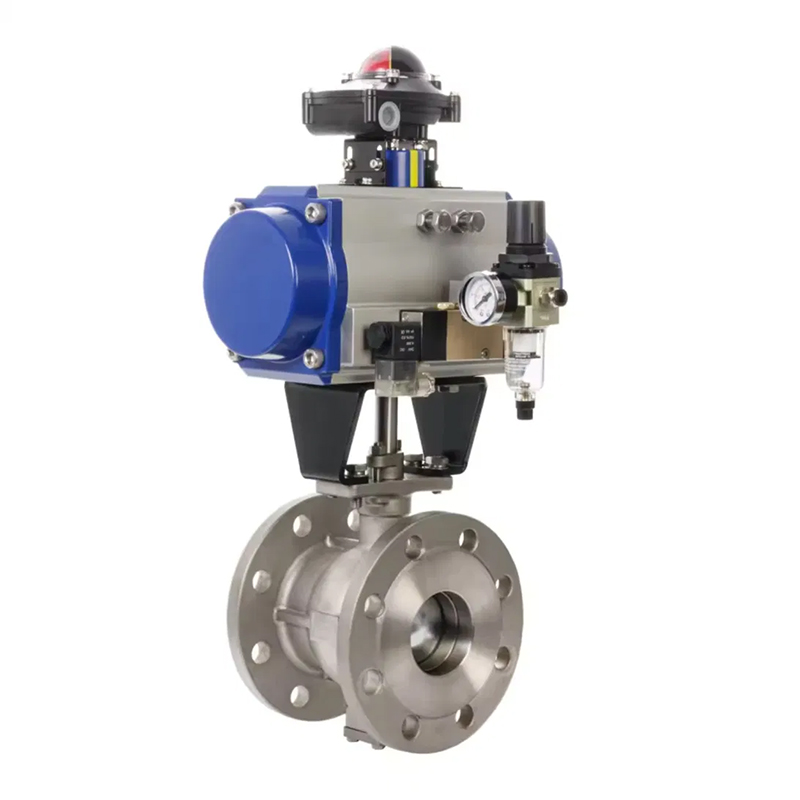
Multi-turn actuators are typically used to operate gate valves or globe valves that require multiple rotations to open or close. Part-turn (or quarter-turn) actuators are more common for butterfly valves, ball valves, and dampers, requiring a 90-degree rotation. The integration of intelligent controls in these types allows for precise positioning, soft start and stop functionalities, and adjustable motor speeds to increase valve lifetime.
Explosion-Proof Actuators
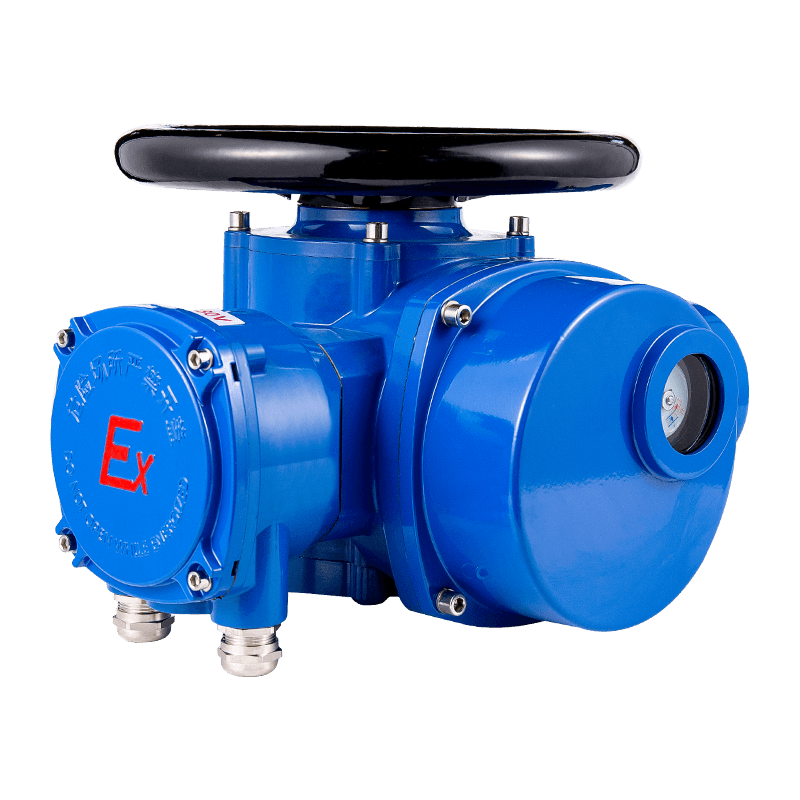
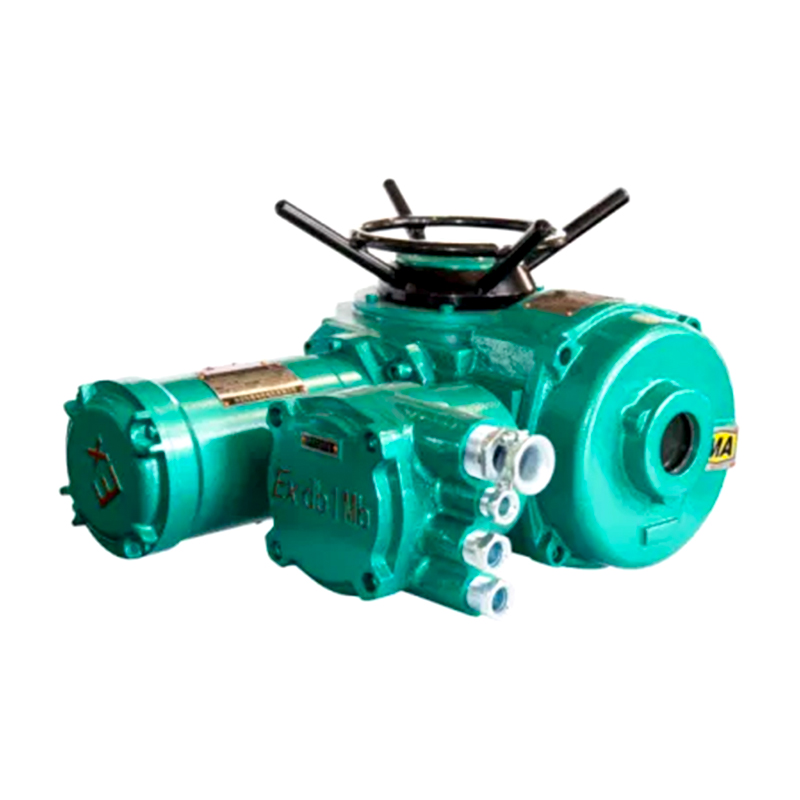
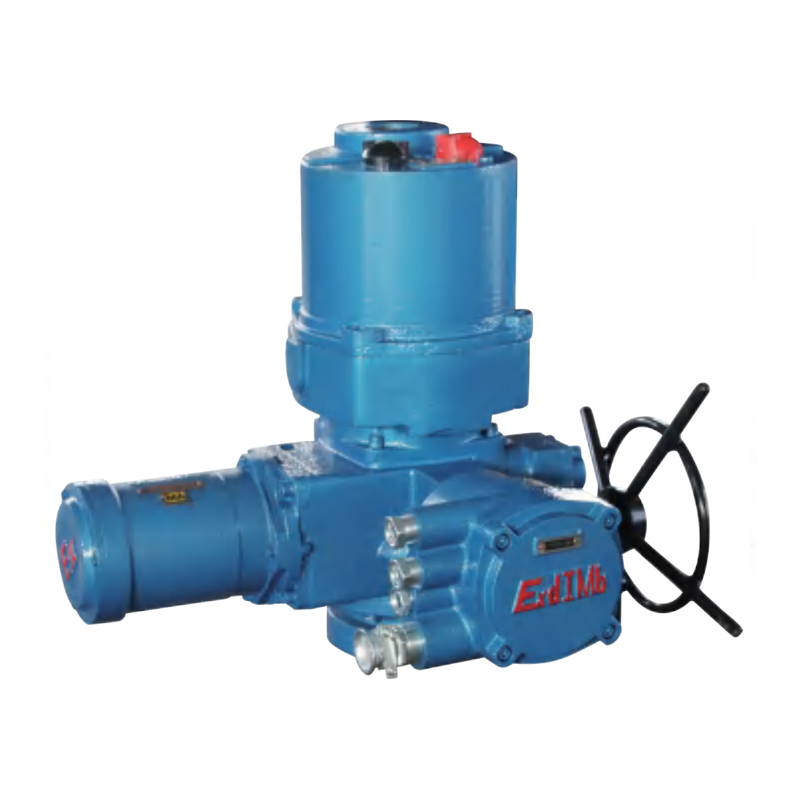
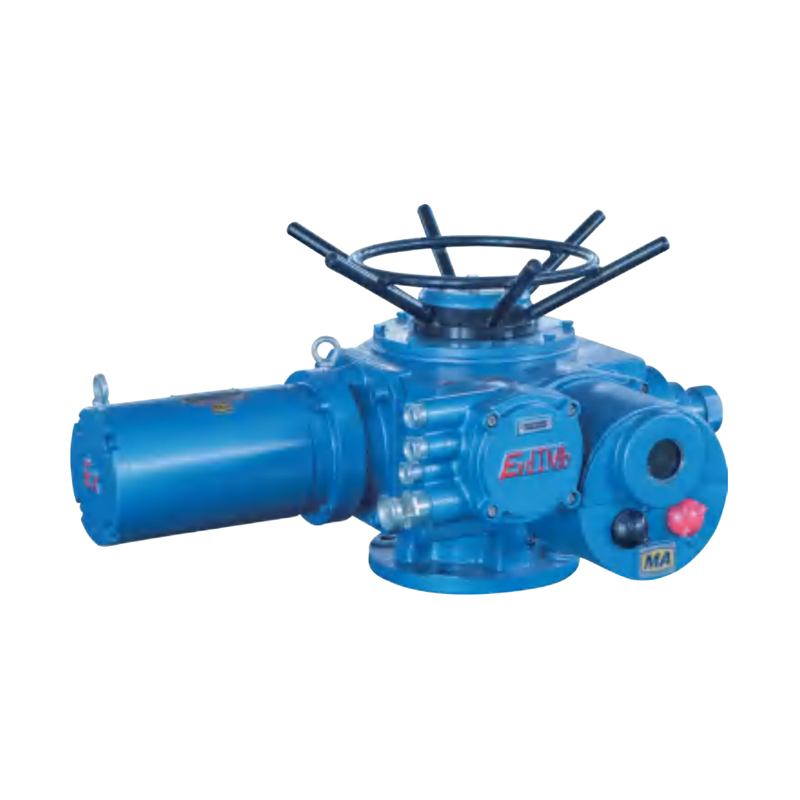
Safety is paramount in coal mining, particularly in underground environments where methane and coal dust present explosion hazards. Explosion-proof electric actuators are engineered with certified enclosures that can contain an internal explosion and prevent it from igniting the surrounding atmosphere. These units typically carry certifications such as ATEX and IECEx, with some models rated for the highest gas group IIC T4, making them suitable for use with hydrogen and other highly flammable gases.
The Shift to Intelligent Electric Actuators and Remote Control
The modern mining operation demands more than simple open-close functionality. The rise of the Intelligent Electric Actuator integrates advanced diagnostics, fieldbus communication, and embedded data logging. This evolution toward smart valve automation enables predictive maintenance, reducing costly downtime by detecting potential issues before they become critical.
Remote control valve systems represent a significant advancement in mining safety. By enabling operators to adjust valves from a control room or mobile device, these systems eliminate the need for manual intervention in hazardous areas. This capability directly addresses the industry's goal of removing personnel from high-risk zones, aligning with modern safety protocols that prioritize the elimination of live work.
Projected Growth in Intelligent Actuator Adoption
Market data indicates a strong upward trajectory for intelligent electric actuators within the mining sector, driven by automation needs and energy efficiency mandates.
Valve Automation Technology: From Manual to Smart
The transition from manual valve operation to fully automated systems represents a major leap in operational consistency. Historically, many mining operations relied on manual adjustments, leading to inefficiencies where personnel must physically travel to a valve to make corrections. This often results in process drift and wasted energy.
Upgrading to actuated valves provides consistent repeatability. An actuator ensures a valve returns to the exact same position every time, a task nearly impossible for a human operator. This precision reduces waste and improves product quality. According to industry analysis, targeted upgrades to actuated valves on high-frequency manual points can significantly reduce routine manual checks and improve responsiveness.
Operational Cost Savings Through Electric Actuation
Comparative analysis reveals substantial cost savings when replacing hydraulic and pneumatic systems with electric actuators in mining operations.
The Critical Role of Heavy-Duty Electric Actuators
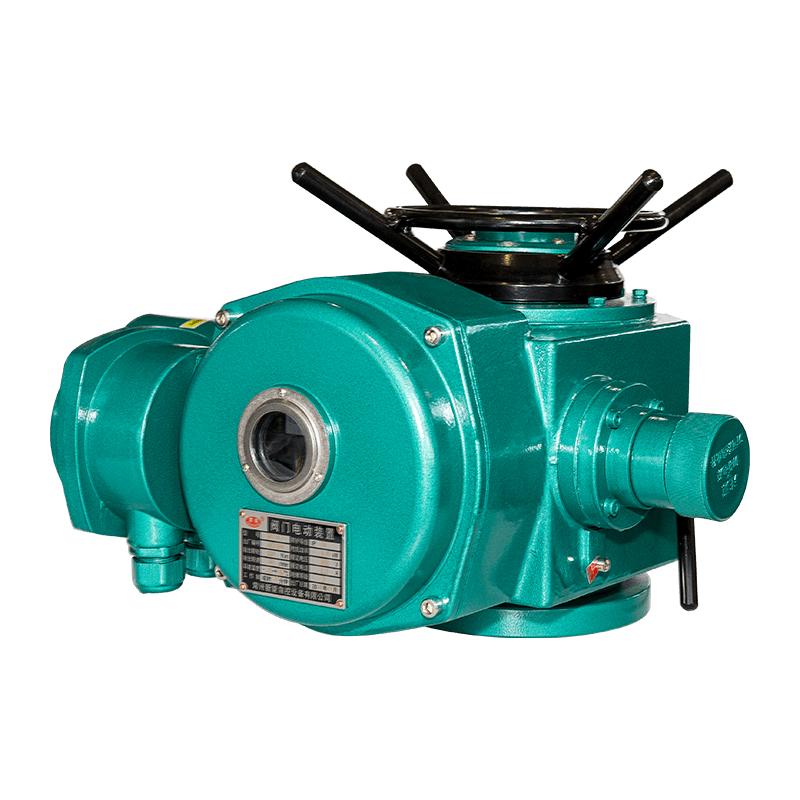
Coal mining equipment is subject to extreme loads, high vibration, and abrasive dust. Heavy-duty electric actuators are specifically designed to meet these challenges. They offer high load-bearing capacity, extended operational lifespan, and minimal maintenance requirements.
These actuators typically feature:
- Robust enclosures with IP67 or higher ratings for dust and moisture protection.
- High-thrust capabilities, with some units offering up to 314,700 pounds (1,400 kN) of force.
- Long stroke lengths up to 236 inches (6,000 mm) for large-scale gate and valve applications.
- Advanced thermal management systems to handle high-frequency cycling without overheating.
The integration of ballscrew and roller-screw technologies allows these actuators to provide high positioning accuracy and controllability via bus systems, enabling several drives to operate synchronously for greater combined power.
Application Mapping in Coal Mining Operations
The table below illustrates common applications and the corresponding actuator requirements within a typical coal mining operation, from extraction to transport.
| Application | Actuator Type | Key Requirement | Control Feature |
|---|---|---|---|
| Rotary Car Dumper Locking Pins | Linear Actuator | High Thrust, Explosion-Proof | Remote Control |
| Diverter and Clam Gates | Linear / Part-Turn | High Cycling, Durability | Position Feedback |
| Barge Loaders and Unloaders | Multi-Turn / Linear | Corrosion Protection | Modulating Control |
| Conveyor Belt Diverter Gates | Part-Turn | Fast Response | Diagnostics |
| Dust Suppression Systems | Rotary Actuator | Precision Flow Control | Intelligent Control |
Performance Radar: Electric vs. Hydraulic Actuation
This radar chart illustrates the performance advantages of modern electric actuators compared to traditional hydraulic systems across key operational metrics.
Choosing the Right Actuator Supplier and Type
Selecting the appropriate actuator for a specific mining application requires a thorough assessment of several technical parameters. An experienced actuator supplier will guide engineers through the selection process based on:
- Valve Type: Is it a multi-turn, quarter-turn, or linear stroke valve?
- Duty Cycle: Is the application Open-Close (On/Off) or Modulating (Continuous Control)?
- Torque and Thrust Requirements: What is the maximum force needed to operate the valve under process conditions?
- Environmental Conditions: Is there exposure to explosive atmospheres, extreme temperatures, or water ingress?
- Fail-Safe Needs: Is a fail-safe position required in the event of power loss?
Reputable suppliers offer actuators with comprehensive industry certifications, such as ISO 9001 for manufacturing quality, and ATEX or IECEx for explosion protection. Furthermore, the trend toward compact designs featuring integrated power electronics and Fieldbus connectivity allows for easier installation and reduced cabinet space.
Actuator Selection Workflow for Mining Applications
A systematic decision-making process ensures the selection of the optimal electric actuator for specific mining and material handling applications.
Environmental and Economic Impact
Electric actuators offer compelling environmental and economic advantages over hydraulic alternatives. They consume energy only when moving an axis, resulting in significantly higher average efficiency compared to hydraulics. Additionally, electric actuators eliminate the risk of oil leaks, reducing environmental contamination risk and lowering maintenance costs associated with fluid handling and disposal.
The integration of smart controls further enhances these benefits. Data logging capabilities enable condition-based monitoring, which optimizes maintenance schedules and extends equipment life. This aligns with the broader industry shift toward doing more with less, driving operational efficiency through targeted automation upgrades without requiring full-site overhauls.
Frequently Asked Questions
Q1: What are the main types of electric actuators used in coal mining?
The primary electric actuator types used in coal mining include linear actuators for push-pull gate operations, multi-turn actuators for gate and globe valves, and part-turn (quarter-turn) actuators for butterfly valves and dampers. Each type is selected based on the specific valve configuration and motion requirements.
Q2: Why are explosion-proof actuators critical for mining operations?
Explosion-proof actuators are essential for safety in coal mines where methane gas and coal dust create potentially explosive atmospheres. These actuators are housed in specially certified enclosures (ATEX, IECEx) that contain internal explosions and prevent ignition of the surrounding environment.
Q3: How do intelligent electric actuators improve operational efficiency?
Intelligent actuators integrate advanced diagnostics, fieldbus communication, and embedded data logging. They enable predictive maintenance, precise control, and remote monitoring, which reduces downtime and improves process consistency. Features like soft start and stop also increase valve lifetime.
Q4: What is the advantage of remote control valve systems in mining?
Remote control systems allow operators to adjust valves from safe locations, eliminating the need for personnel to work in hazardous areas near high-pressure equipment or moving machinery. This significantly improves safety and accelerates response times to process changes.
Q5: How do heavy-duty electric actuators compare to hydraulic systems in terms of energy efficiency?
Heavy-duty electric actuators are substantially more energy-efficient than hydraulic systems. Electromechanical systems achieve an average end-to-end efficiency of approximately 80-90 percent, compared to around 45 percent for hydraulics, because they consume power only when moving and eliminate continuous pumping losses.