0086 15335008985


 русский
 Español
Cat:Quarter Turn Electric Actuator
The AUKEMA partially rotating intelligent electric actuator has two control types: AKQ intelligent switch type and AKQM ...
See Details
 Search
At a mid-sized process plant, compressed air can account for 10% to 30% of total electricity use. Pneumatic actuators are often the largest silent consumers of that air. Every oversized actuator and every pressure setting set higher than the valve torque actually needs adds liters of free air to each cycle. Choosing a low-air-consumption actuator is therefore one of the most direct ways to shrink your compressed air bill without compromising valve control speed or reliability. The challenge is that no single actuator wins in every process. The correct choice depends on the valve's torque profile, the available air pressure, and how often the valve cycles.
Air consumption is not a single spec sheet value. It is the result of several interacting factors that must be evaluated together:
For an energy-efficient plant, the target is not only a low per-stroke volume. The real goal is to minimize total annual air consumption while still maintaining safe and reliable valve action.
Two pneumatic actuator designs dominate industrial flow control: rack-and-pinion and scotch-yoke. Each has a distinct torque curve and air consumption profile. Choosing the wrong one often leads to oversized equipment, higher air use, and unnecessary capital cost.
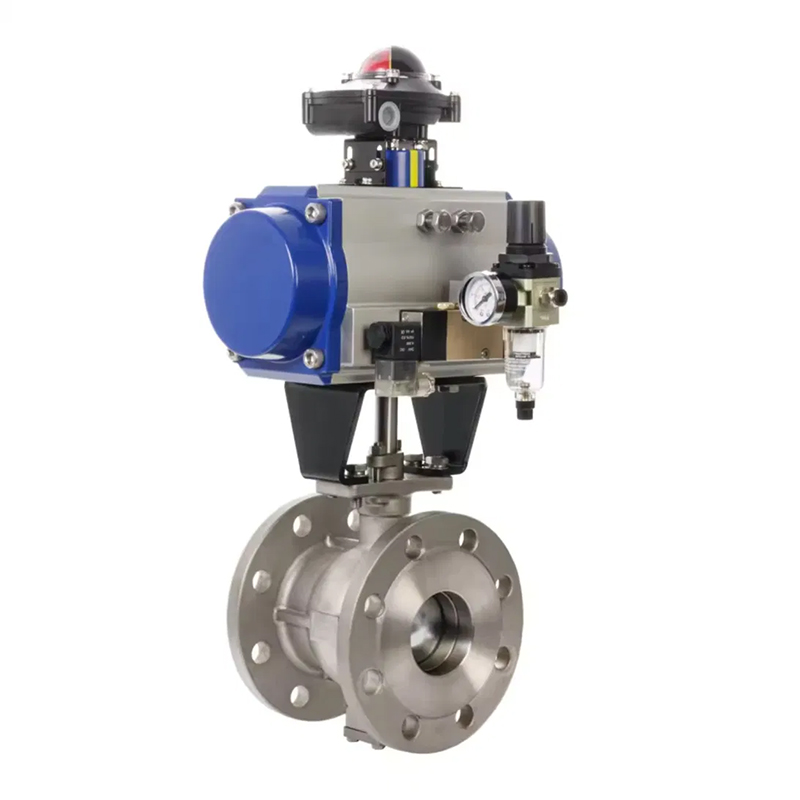
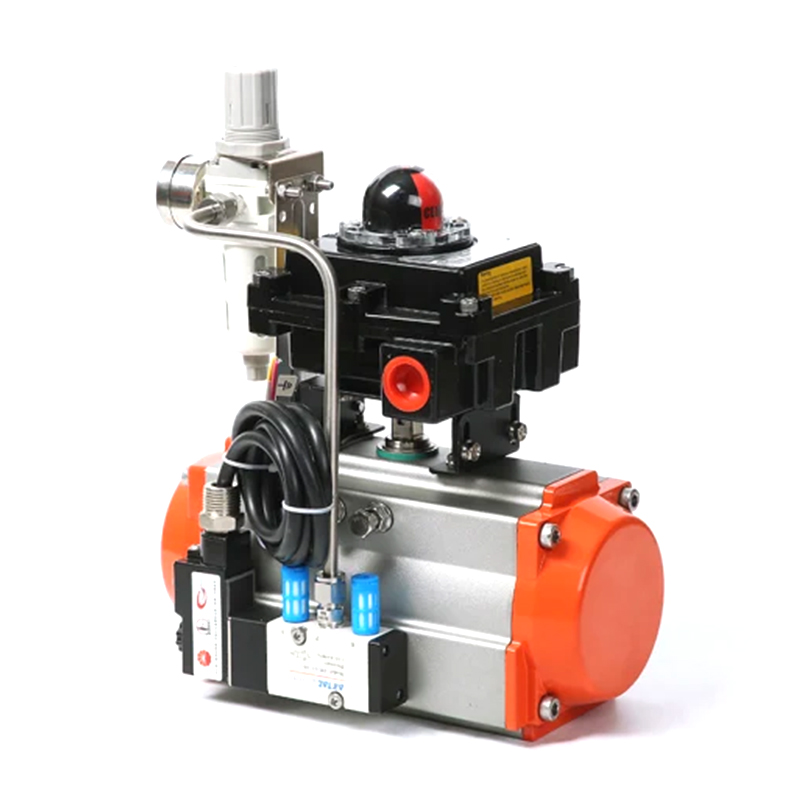
Rack-and-pinion actuators convert the linear motion of a piston into rotary motion through gears. They deliver a nearly constant torque across the entire travel. This makes them a common choice for ball valves and smaller-diameter butterfly valves. The AKT series rack-and-pinion pneumatic actuator is an example of a compact, low-profile design whose internal volume stays relatively small for the rated torque.
AKT Series Rack and Pinion Pneumatic ActuatorAt series pneumatic actuators utilize advanced precision machining equipment, high-quality materials, and industrial art design technology. After rigorous testing and ...View Product →
Scotch-yoke actuators use a sliding pin and slot mechanism. Their torque output rises at the beginning and end of the stroke, which matches high breakaway torque requirements in large butterfly valves, plug valves, and some isolation gates. Because the internal cavity is larger, the per-stroke air volume is typically higher than a comparable rack-and-pinion unit. The AKW series scotch-yoke pneumatic actuator is designed for this high-torque class of service.
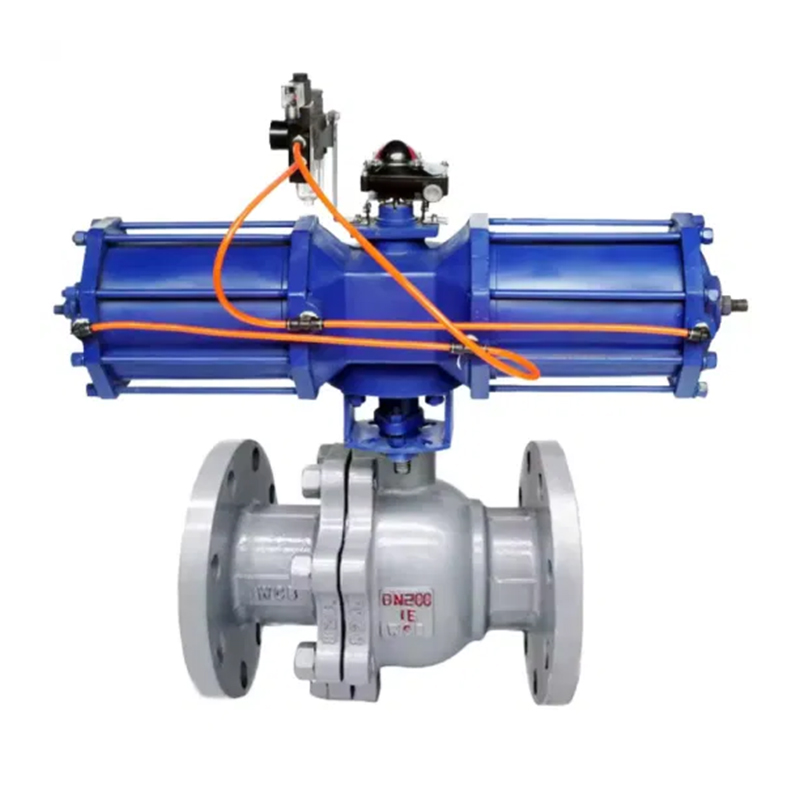 AKW Series Scotch Yoke Pneumatic ActuatorAKW Scotch Yoke Pneumatic Actuator OverviewView Product →
| Characteristic | Rack-and-Pinion | Scotch-Yoke |
|---|---|---|
| Torque output | Near constant across stroke | High at start and end |
| Per-stroke air volume | Lower at same torque | Higher at same torque |
| Typical valve match | Ball valves, small butterfly valves | Large butterfly valves, plug valves |
| Positioner compatibility | Very good | Good |
| Maintenance complexity | Low | Moderate |
The practical rule is simple. A rack-and-pinion actuator should be used wherever its constant torque characteristic can satisfy the valve requirement. A scotch-yoke actuator is justified when the valve requires the high-start torque profile, but it must be sized carefully to avoid exceeding the valve's allowable stem torque.
For a deeper comparison of pneumatic versus electric movement in modern valve control, see this technical assessment of pneumatic vs. electric actuation in industrial valve automation.
An oversized actuator is the single most common cause of high air consumption in a pneumatic valve. Many plants select an actuator based on the valve's nominal diameter instead of the actual torque required. For example, a DN100 butterfly valve may only need 180 Nm of torque, but if the engineering standard specifies a 300 Nm actuator, the per-stroke air volume becomes nearly double what the valve really needs.
Correct valve actuator sizing starts with measuring the valve's breakaway torque at the actual supply pressure, adding a safety factor of 1.25x to 1.5x to handle packing friction and process variations, and confirming the actuator's output at the plant's minimum available air pressure rather than at the compressor's rated pressure.
Lower free air consumption is possible when supply pressure is reduced from 8 bar to 5 bar and the actuator is still correctly sized for the required torque.
For double-acting actuators, consider whether spring-return operation is really required. A spring-return actuator has one chamber permanently loaded by the spring, so it consumes more air during each stroke than a double-acting unit of the same torque class. If the process allows a stay-put or fails-as-is arrangement, a double-acting model will always be more air-efficient.
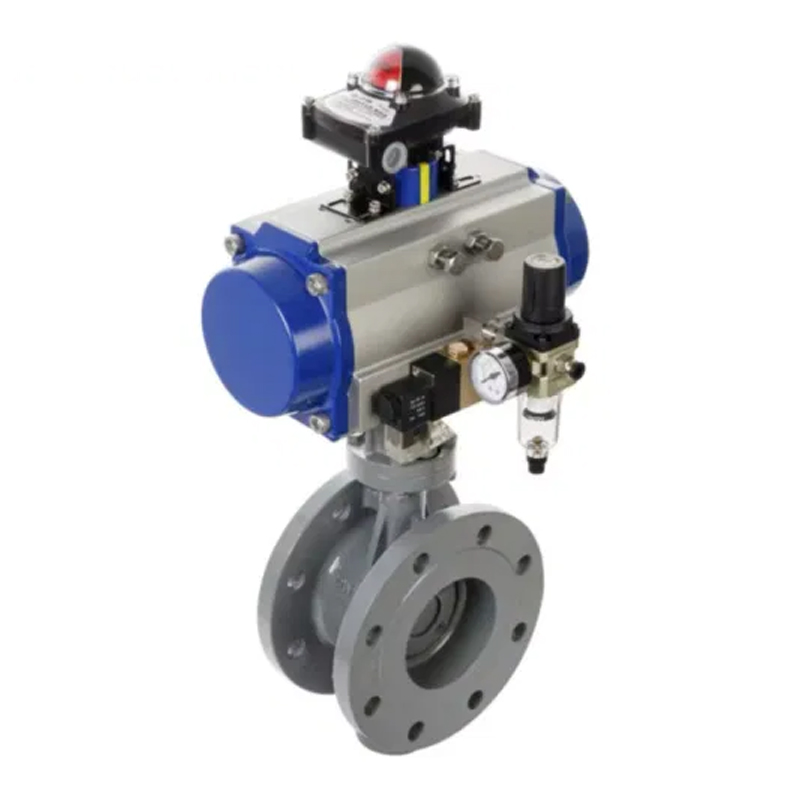
A low-air-consumption actuator is only as efficient as the system around it. Three accessories have a particularly strong effect on compressed air use.
An analog positioner continuously uses instrument air, while a smart positioner can reduce bleed air significantly. When the process demands precise throttling, choose a positioner with a documented low air set point and fast response. The pneumatic actuator positioner from AUKOMA is designed to stabilize valve position with a minimal supply requirement.
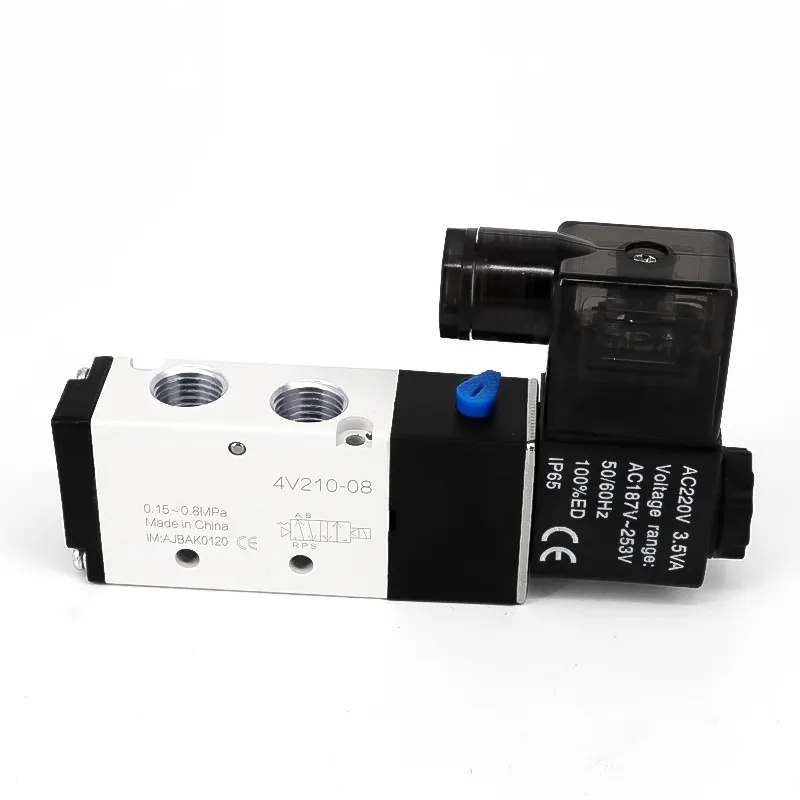 5/2 Way Pneumatic Solenoid Valve 4V210-08 AC220V Single Head Pilot Operated ValveThe 4V210-08 5/2-way pneumatic solenoid valve is a pilot-operated directional control valve designed for integration into pneumatic actuator systems operating on AC220...View Product →
A filter-regulator is not just a cleanliness device. It provides a stable, lower pressure to the actuator, preventing the unit from seeing the full plant header pressure when it does not need it. Correctly adjusted, it becomes one of the simplest passive air-saving components in the control loop.
Remote position feedback on a limit switch box helps maintenance teams identify a valve that is operating more often than intended, or an actuator that has developed an internal leak. Early detection stops small inefficiencies from becoming large utility losses.
Air treatment also matters. Moisture and contaminants accelerate seal wear, and worn seals leak air continuously. A clean, dry air supply keeps the actuator's internal cavities tight so that the theoretical air consumption matches the real one.
The following points will help you compare actuator offers on an objective basis:
There is no universal threshold. Low air consumption means the actuator's free air usage per stroke is minimized for the required torque. In practice, this means selecting the smallest internal volume that still delivers reliable torque at the available pressure, with no internal leakage and an efficient positioner.
Not always. For the same torque, rack-and-pinion actuators typically have a smaller cavity and lower per-stroke air consumption. However, if a large butterfly valve needs a high breakaway torque, a scotch-yoke may actually allow a smaller frame size, and its air consumption can become comparable to an oversized rack-and-pinion.
Industry estimates suggest that a well-managed compressed air optimization program can reduce system energy use by 20% to 35%. In a plant where pneumatic actuators dominate the air load, correct sizing, pressure reduction, and leakage control typically recover a significant portion of this savings without adding much capital cost.
Yes. A positioner that constantly bleeds air adds a continuous base load that can exceed the per-stroke consumption of the actuator itself. Always request the positioner's air consumption specification at the operating pressure.
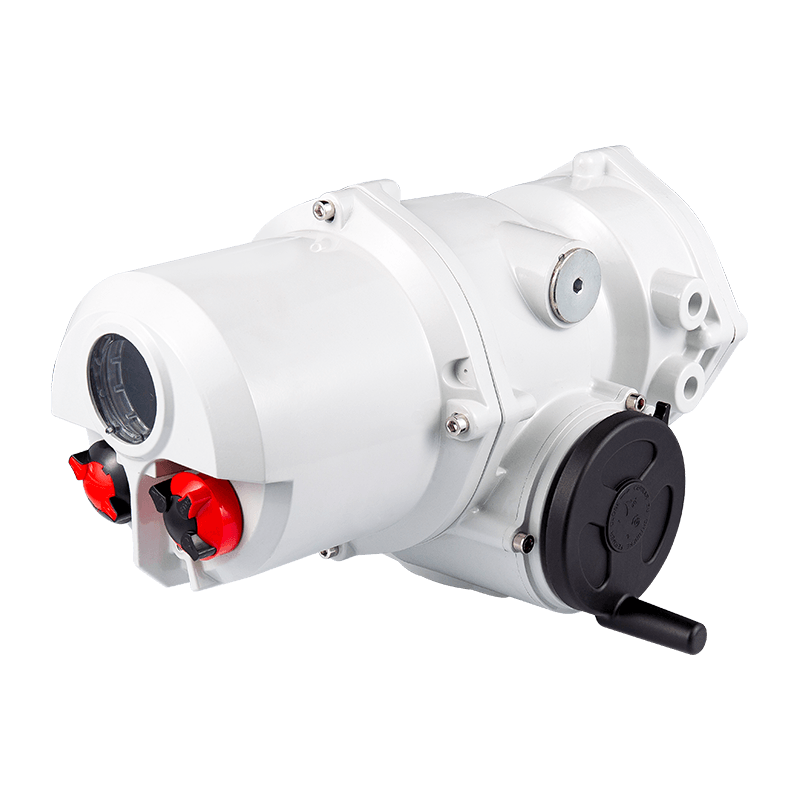
The AUKEMA partially rotating intelligent electric actuator has two control types: AKQ intelligent switch type and AKQM ...
See Details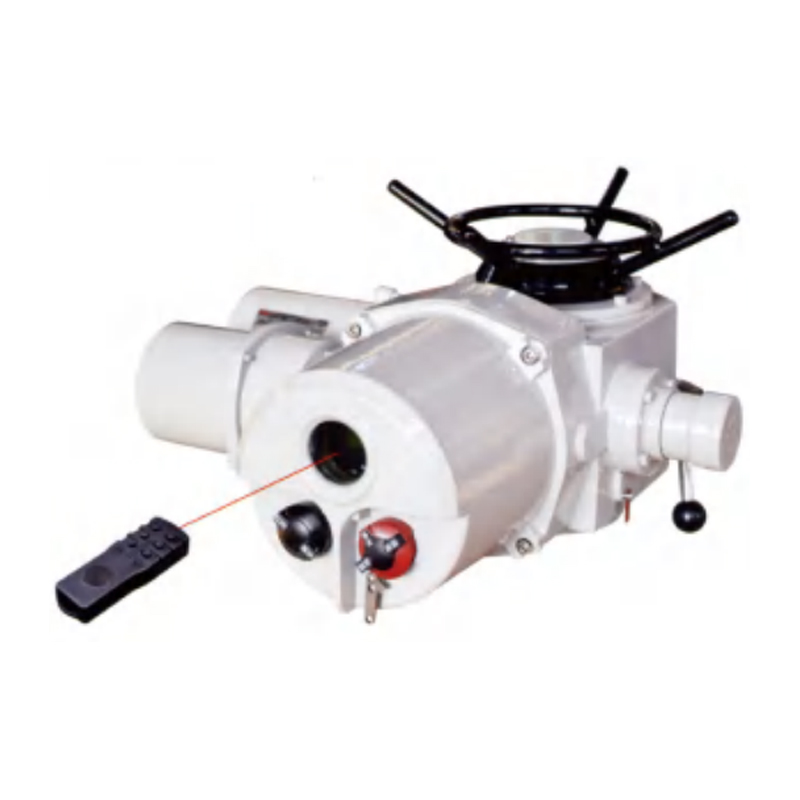
The CND-Z series is a multi turn intelligent non-invasive electric device that introduces the latest analog digital tech...
See Details

Copyright 2024 Changzhou Xinneng Automatic Control Equipment Co., Ltd All Rights Reserved.