0086 15335008985


 русский
 Español
Cat:Multi Turn Electric Actuator
The AUKEMA rotary intelligent electric actuator has two control types: AK intelligent switch type and AKM intelligent ad...
See Details
 Search
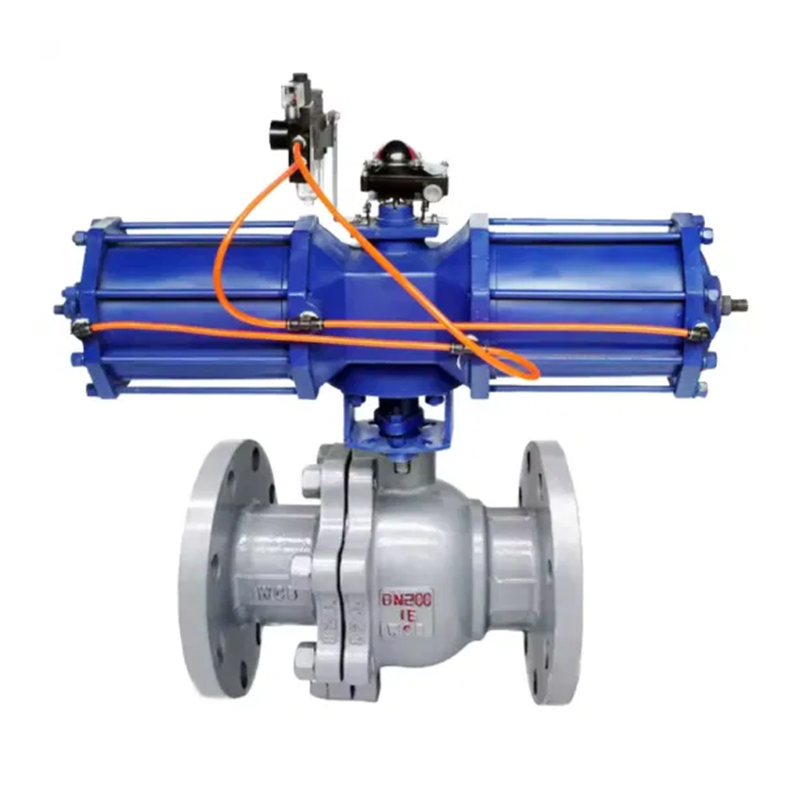
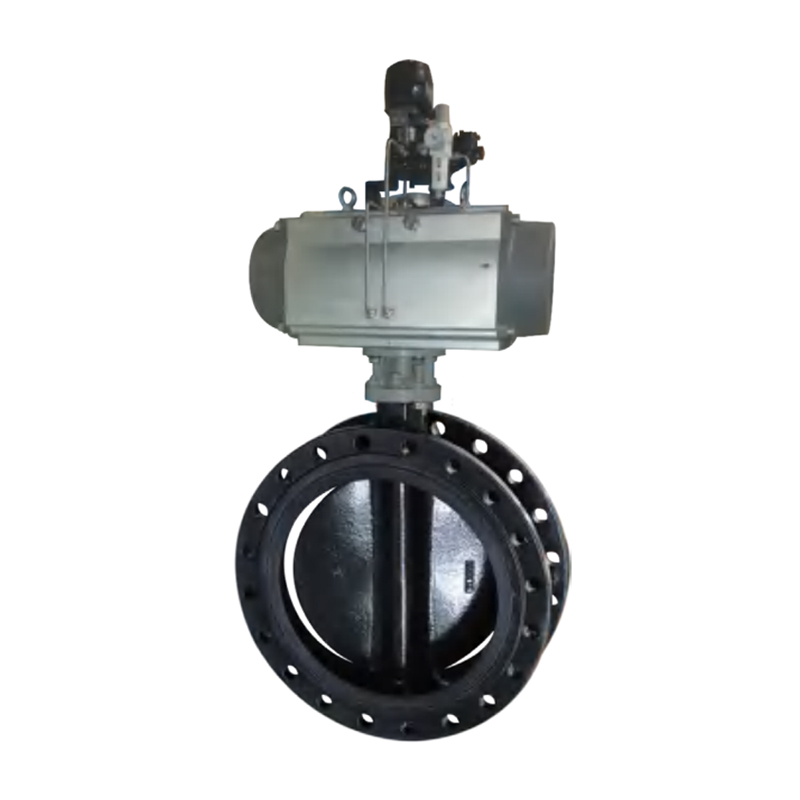
In the high-stakes world of mining, valve actuation is the unsung hero of operational efficiency. From slurry transport valve control to dust suppression automation, the reliability of Pneumatic Actuators directly impacts throughput, safety, and profitability. However, the choice between a Rack and Pinion Pneumatic Actuator and a Scotch Yoke Pneumatic Actuator is not trivial. Each offers distinct mechanical advantages tailored to specific mining applications. Furthermore, the ecosystem of Accessories for Pneumatic Actuator—from solenoid valves to positioners—can make or break a system's longevity in harsh, abrasive environments.
This analysis provides a technical deep dive into these mechanisms, supported by performance data and visualization, to guide engineers and maintenance managers toward optimized valve automation strategies.
Mining operations present a brutal triad of challenges: extreme particulate contamination (dust and ore fines), corrosive reagents (acids or alkalis used in flotation), and significant mechanical vibration. These factors accelerate component wear and compromise control accuracy. Pneumatic actuation remains the preferred power source because it is intrinsically safe (no electrical sparks) and offers high power density in a compact footprint. However, the actuator must be engineered to survive where standard industrial equipment fails. The design philosophy must prioritize seal integrity, corrosion-resistant coatings (e.g., three-layer epoxy), and robust bearing materials to withstand the high cycle demands of slurry processing.
Understanding the kinematic differences between the two primary actuator types is critical for proper selection.
The Rack and Pinion Pneumatic Actuator converts linear piston motion into rotary motion via a pinion gear meshing with a linear rack. This design is characterized by its compactness and constant torque output throughout the stroke. It excels in applications requiring high cycle life and precise positioning. The modular nature allows for easy field conversion between double-acting and spring-return configurations, a distinct advantage for maintenance flexibility.
The Scotch Yoke Pneumatic Actuator utilizes a sliding block within a yoke slot to translate linear piston movement into rotation. The primary advantage lies in its torque profile: the mechanism generates higher torque at the stroke ends (break-open and close positions) and lower torque in the mid-stroke. This matches the torque demand curve of quarter-turn valves (especially ball and butterfly valves), making the scotch yoke highly efficient for high-pressure, large-diameter valve applications. It is often favored for heavy-duty, high-torque duties despite having a slightly larger physical footprint than rack-and-pinion equivalents.
The performance and lifespan of a pneumatic actuator in mining are heavily dependent on its supporting accessories. Neglecting these components leads to premature failure and unplanned downtime [citation:5][citation:15].
| Accessory | Function in Mining | Criticality |
|---|---|---|
| Air Filter Regulator | Removes moisture and particulates from compressed air; stabilizes pressure. | High (Prevents seal wear and corrosion) |
| Limit Switch Box | Provides remote position feedback (open/closed) to the control system. | High (Essential for automation) |
| Explosion-proof Solenoid Valve | Controls air flow to actuator; ATEX certified for flammable atmospheres. | Critical (Safety compliance) |
| Volume Tank | Provides emergency air storage for fail-safe (spring-return) operation. | High (Safety critical in power loss) |
Choose a scotch yoke when you need high breakout torque for large, sticky valves (e.g., slurry knife gates or large ball valves) and when the valve torque curve is peak at the opening/closing points. It offers better efficiency for high-pressure drops [citation:4][citation:14].
Spring-return actuators use stored mechanical energy. In the event of air supply loss, the springs push the piston back to the default position (either open or close). This is crucial for safety in mining [citation:3][citation:6].
Regular maintenance includes checking/replacing air filter elements, draining moisture from filters, greasing moving parts (if not permanently lubricated), and inspecting seals for wear caused by abrasive particles [citation:1][citation:7].
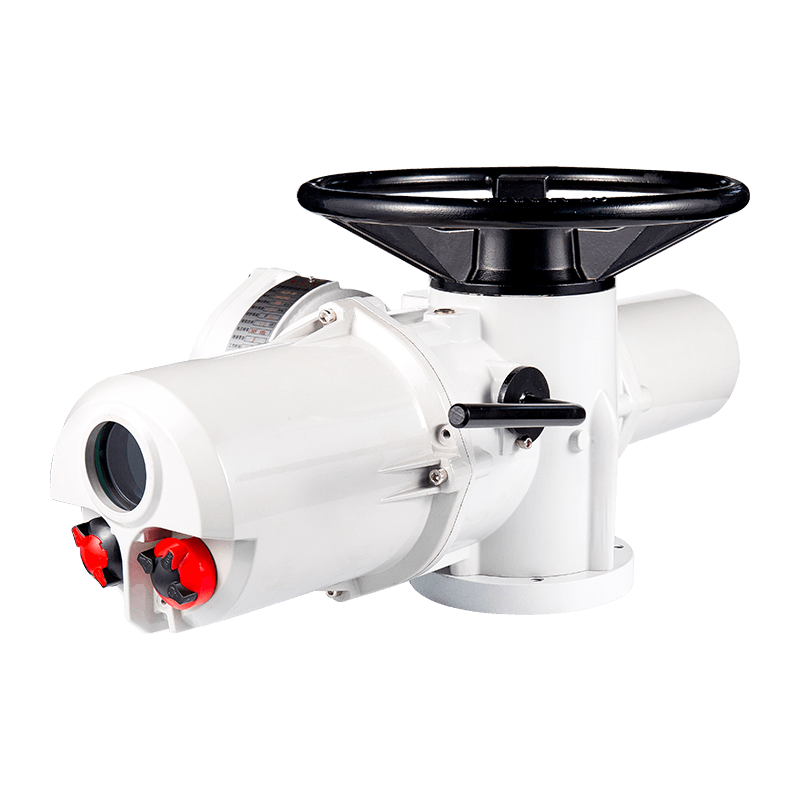
The AUKEMA rotary intelligent electric actuator has two control types: AK intelligent switch type and AKM intelligent ad...
See Details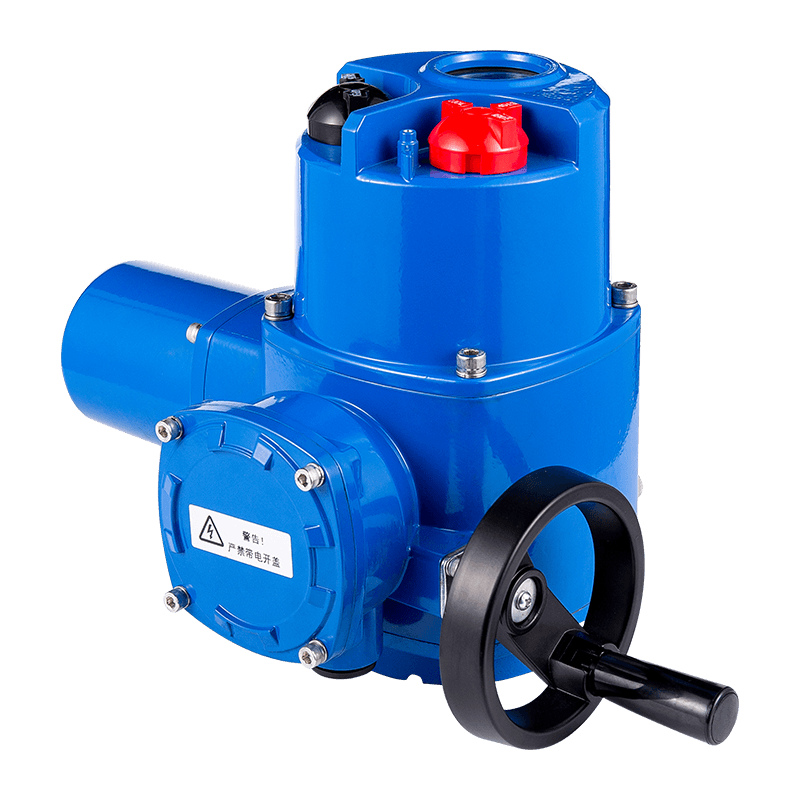
The QL series of rotary valve electric devices includes ordinary, integral, regulating, intelligent, explosion-proof and...
See Details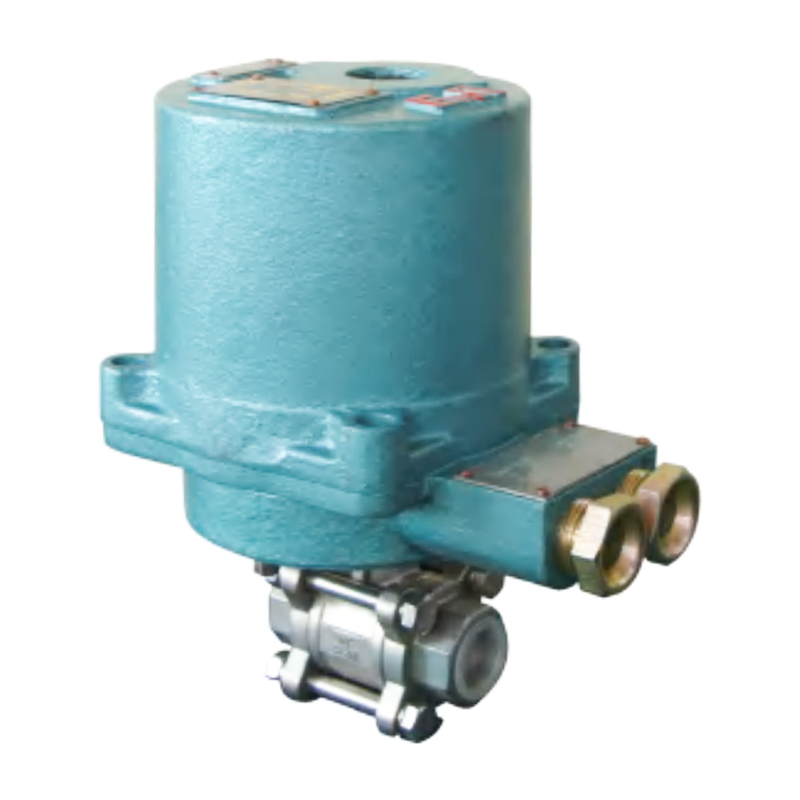
The MGQ Small Caliber High-Pressure Electric Valve is an integrated electromechanical valve engineered specifically for...
See Details

Copyright 2024 Changzhou Xinneng Automatic Control Equipment Co., Ltd All Rights Reserved.