0086 15335008985


 русский
 Español
Cat:Quarter Turn Electric Actuator
Compared with similar products, the QC series valve electric actuator has desirable performance and undeniable advantage...
See Details
 Search
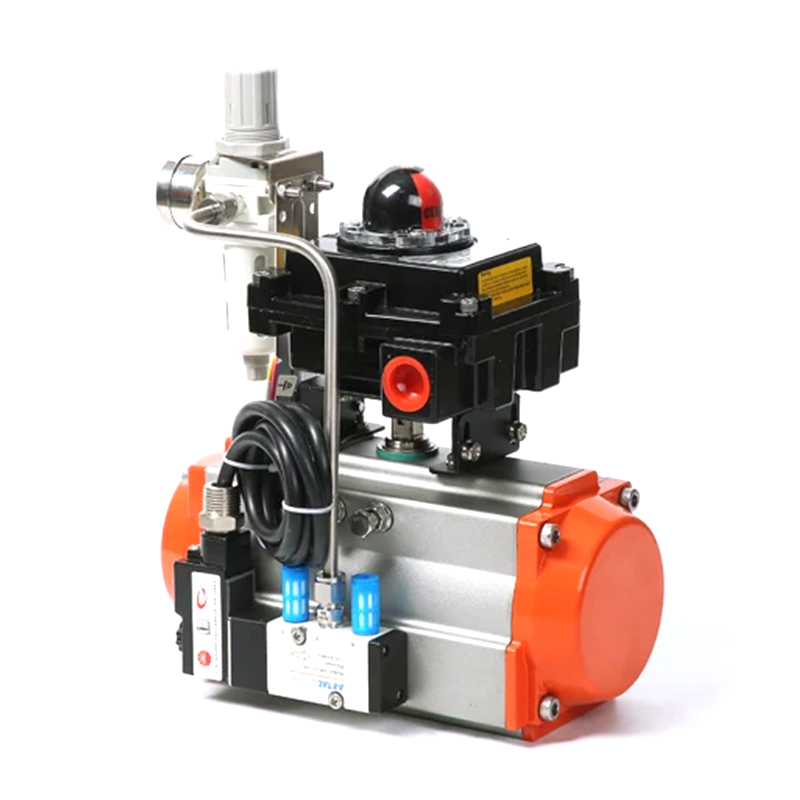
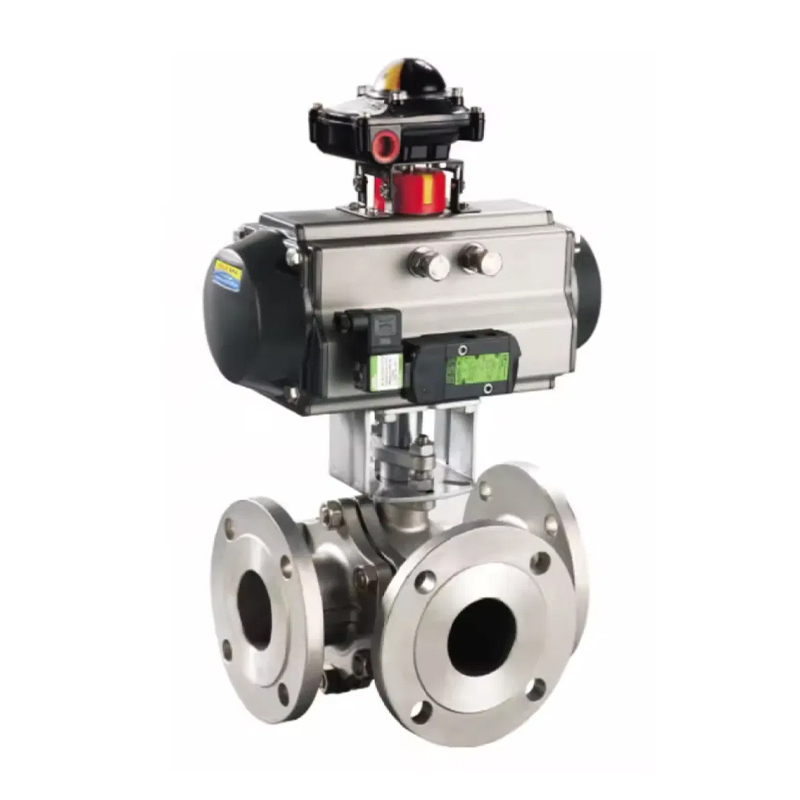
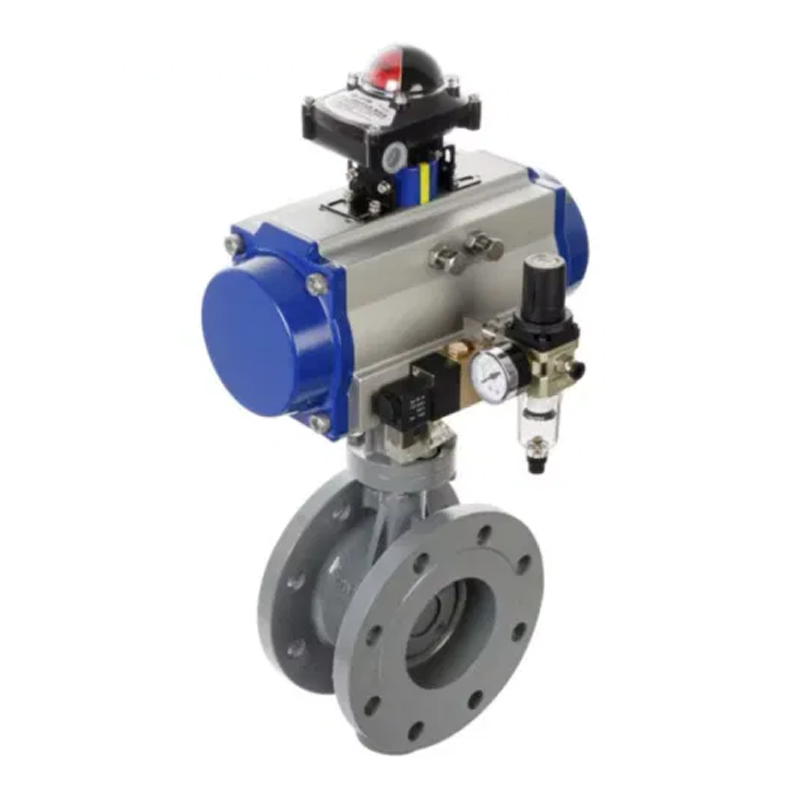
In modern industrial automation systems, fluid control is a core link that affects production efficiency, safety and stability. As a key component for converting energy into mechanical motion, Pneumatic Valve Actuator has become the most widely used driving device in pipeline control systems due to its unique advantages such as clean power source, fast response speed, and high safety performance.
Pneumatic valve actuators are professional driving devices specially designed for valve bodies, which use compressed air as the only power source to realize the opening, closing or adjusting action of valves. They are widely used in petroleum, chemical industry, natural gas, water treatment, food processing, pharmaceutical and other industrial fields, and are responsible for the precise control of gas, liquid and mixed media in pipelines.
According to incomplete industrial statistics, pneumatic actuators account for more than 65% of the global industrial valve driving market, which is far higher than electric and hydraulic actuators. This market share comes from their adaptability to harsh working environments: they can work normally in high temperature, low temperature, flammable, explosive, dusty and humid environments, and do not produce electric sparks, which is crucial for industrial sites with high safety requirements.
For B2B buyers, purchasing pneumatic valve actuators is not only a procurement of components, but also an investment in the stability of the entire production system. Understanding the working principle, structural composition, performance parameters and application scenarios of pneumatic valve actuators can help buyers make accurate procurement decisions, reduce later maintenance costs, and improve the overall operational efficiency of the system.
This article will conduct an in-depth and comprehensive analysis of the working principle of pneumatic valve actuators, covering all aspects from basic structure to actual application, from working mode to maintenance precautions, providing professional and practical reference information for industrial users, engineers and procurement personnel.
The stable operation of a pneumatic valve actuator depends on the coordinated work of multiple precision components. Each component has a clear functional division, and together they complete the conversion from compressed air energy to mechanical torque. Understanding these core components is the basis for mastering the working principle.
The piston or diaphragm is the core force-receiving component of the pneumatic actuator, which directly bears the pressure of compressed air and converts air pressure energy into linear or rotary mechanical force. Diaphragm-type actuators use high-strength rubber or polymer diaphragms, which are suitable for low-pressure scenarios; piston-type actuators use metal or plastic pistons, which can withstand higher air pressure and output larger torque.
The service life of the piston/diaphragm directly determines the overhaul cycle of the actuator. High-quality diaphragm components can withstand more than 1 million reciprocating actions, effectively reducing the frequency of equipment replacement and maintenance.
The cylinder or actuator body is the pressure-bearing shell of the component, which provides a closed space for compressed air. It is usually made of die-cast aluminum, stainless steel or cast iron, with good pressure resistance and corrosion resistance. The inner wall of the cylinder is processed with high precision to reduce the friction between the piston and the cylinder wall and improve the transmission efficiency.
The spring assembly is a key component for the reset function of the actuator, which is divided into single-acting spring and double-acting spring structure. When the air supply is interrupted, the spring can quickly push the piston or diaphragm to reset, driving the valve to the safe position (fully open or fully closed), which is a vital safety guarantee for industrial systems.
Industrial-grade springs are made of alloy steel, which can maintain stable elastic force after long-term use, and the fatigue resistance is 30% higher than that of ordinary springs, ensuring the reliability of emergency reset.
The output shaft is the component that transmits the torque of the actuator to the valve stem, which is connected with the valve body through couplings, brackets and other accessories. The output shaft has high torsional strength and precision, ensuring that the torque is completely transmitted to the valve without loss, and realizing the precise control of the valve opening.
Sealing components include O-rings, gaskets, oil seals, etc., which are used to prevent compressed air leakage and ensure the air tightness of the actuator. High-performance sealing materials can adapt to temperatures ranging from -40°C to 150°C, maintaining good sealing performance in extreme temperature environments.
The air port is the channel for compressed air to enter and exit the actuator, usually designed with standard threaded interfaces for easy connection with air pipes and solenoid valves. The accessory interface can be connected with position sensors, limit switches, positioners and other components to expand the functions of the actuator.
Pneumatic valve actuators are divided into different types according to the working mode, motion form and structural design. Each type has its own applicable scenarios and performance characteristics, which can meet the diversified control needs of industrial sites.
Single-acting pneumatic actuators are equipped with a built-in spring reset mechanism. Compressed air enters one side of the actuator to push the valve open, and when the air supply is cut off, the spring drives the valve to reset automatically. This type is suitable for systems requiring emergency safety protection, such as emergency shut-off valves in chemical plants.
Double-acting pneumatic actuators have no built-in spring, and the valve opening and closing are realized by compressed air entering the two sides of the cylinder alternately. It has the advantages of fast action speed and large output torque, and is suitable for large-diameter valves and systems with frequent actions.
Linear pneumatic actuators output linear reciprocating motion, which are matched with globe valves, gate valves and diaphragm valves to realize the lifting control of the valve stem. The stroke range is usually 10mm to 500mm, which can meet the needs of different valve strokes.
Rotary pneumatic actuators output 90-degree rotary motion (partially 180-degree or 360-degree), which are matched with ball valves, butterfly valves and plug valves. They are small in size and large in torque, and are the most widely used type in pipeline control.
On-off pneumatic actuators only have two states: fully open and fully closed, which are used for pipeline switch control, with simple structure and low cost, accounting for 55% of the total demand for pneumatic actuators.
Modulating pneumatic actuators are equipped with valve positioners, which can realize stepless adjustment of valve opening from 0% to 100%, and are used for precise control of medium flow, pressure and temperature, suitable for precision production processes.
The working principle of pneumatic valve actuators is based on the conversion of compressed air pressure energy to mechanical energy. Different types of actuators have slight differences in working processes, but the core energy conversion logic is consistent. The following is a detailed analysis of the working principles of single-acting and double-acting rotary pneumatic valve actuators, which are the most widely used in industry.
The single-acting actuator adopts the air-open spring-close or spring-open air-close design, and the working process is divided into two stages:
This working principle ensures that even if the air supply system fails, the valve can automatically return to the safe position, avoiding medium leakage or production accidents, which is the core advantage of single-acting actuators in safety-critical systems.
The double-acting actuator has two independent air chambers, and the valve action is completely driven by compressed air:
The double-acting actuator has no spring resistance, so the output torque is larger and the action speed is faster. The action response time is less than 0.5 seconds, which is suitable for large-diameter valves and systems requiring fast switching.
The modulating actuator adds an electric valve positioner on the basis of the basic structure, which realizes the closed-loop control of the valve opening:
The adjustment accuracy of this type of actuator can reach ±1%, which can meet the precise control requirements of medium parameters in industrial production.
For B2B buyers and engineers, performance parameters are the core basis for selecting pneumatic valve actuators. Mastering these parameters can ensure that the selected actuator matches the valve and working conditions perfectly.
Output torque is the most critical parameter, which refers to the rotational force output by the actuator to drive the valve. The unit is N·m. The selection principle is that the actuator torque is 1.2 to 1.5 times the valve driving torque to ensure smooth opening and closing of the valve. The torque range of industrial pneumatic actuators is from 5N·m to 10,000N·m, covering all sizes of valves.
The standard operating air pressure of pneumatic actuators is 0.4-0.8MPa, which is consistent with the pressure of industrial compressed air systems. Some high-torque models can adapt to a maximum pressure of 1.0MPa, and low-pressure models can work normally at 0.2MPa, suitable for systems with insufficient air supply pressure.
Action time refers to the time required for the actuator to complete a full opening or closing action. Small actuators have an action time of less than 0.3 seconds, and large actuators are about 2-5 seconds. Fast action speed is conducive to improving the response speed of the control system.
The standard temperature range is -20°C to 80°C, and the low-temperature resistant model can reach -40°C, and the high-temperature resistant model can reach 150°C. Selecting the appropriate temperature grade is crucial to prevent the sealing components from aging and failure.
The protection grade of industrial pneumatic actuators is usually IP65, which can prevent dust and water splashing, and is suitable for outdoor and harsh indoor environments. Some special models can reach IP67, with waterproof and dustproof performance.
The standard service life of high-quality pneumatic valve actuators is more than 500,000 actions, and the maintenance-free period is 2-3 years, which greatly reduces the later operation and maintenance costs.
Compared with electric and hydraulic actuators, pneumatic valve actuators have unique advantages that make them irreplaceable in industrial automation. These advantages are the key reasons why B2B buyers prefer pneumatic actuators.
Pneumatic actuators use compressed air as power, no electric current, no electric sparks, and are intrinsically safe. They are the first choice for flammable and explosive places such as petroleum, natural gas and chemical industry. They meet the ATEX explosion-proof standard and can be directly used in Zone 1 and Zone 2 hazardous areas.
The structure of pneumatic actuators is simple, with few moving parts, no complex circuits and electronic components. Daily maintenance only needs regular lubrication and air filtration treatment, and the annual maintenance cost is 60% lower than that of electric actuators.
Compressed air transmission speed is fast, and the actuator can respond to control signals instantly. The fast action speed is crucial for emergency shut-off systems, which can quickly cut off the medium in case of accidents and avoid the expansion of hazards.
Pneumatic actuators can adapt to high dust, high humidity, corrosion and vibration environments, and are not affected by electromagnetic interference. They can work stably for a long time in outdoor open-air and industrial workshop harsh environments.
The purchase price of pneumatic actuators is lower than that of electric and hydraulic actuators of the same torque level, and the installation is simple, without laying power lines. The compressed air can be shared with the factory air network, which reduces the initial investment cost of the system.
By adjusting the air supply pressure and installing flow control valves, the output torque and action speed of the actuator can be flexibly adjusted to adapt to different valve types and working condition requirements, with strong flexibility.
Pneumatic valve actuators can be equipped with different accessories to expand their functions and meet more complex control requirements. These accessories are important components to improve the performance and intelligence of the actuator system.
The solenoid valve is the control switch of the actuator, which controls the on-off and flow direction of compressed air through electric signals. It is divided into two-position three-way, two-position five-way and other types, and is the core component for realizing automatic control.
The valve positioner is used for modulating actuators to realize precise adjustment of valve opening. It receives standard control signals and feeds back the actual position of the valve, with adjustment accuracy up to ±0.5%.
The limit switch is used to feed back the opening and closing status of the valve to the control system, realizing remote status monitoring. It is usually equipped with two switches to indicate the fully open and fully closed status of the valve respectively.
The air filter regulator can filter impurities and moisture in compressed air, adjust the air supply pressure, protect the internal components of the actuator from wear and corrosion, and extend the service life.
The manual override device allows the operator to manually operate the valve when the air supply or control system fails, ensuring the normal operation of the system during maintenance and emergency situations.
The buffer device is used to reduce the impact force when the actuator acts, protect the valve and pipeline system, and reduce noise. It is suitable for large actuators and high-speed action scenarios.
Correct installation and commissioning are the prerequisites for the stable operation of pneumatic valve actuators. Improper installation will lead to reduced performance, shortened service life and even equipment damage. The following are standardized installation and commissioning steps for industrial sites.
After installation, conduct no-load commissioning first: supply compressed air, test the opening and closing action of the actuator, check whether the action is smooth and whether the torque is sufficient. Then conduct load commissioning with medium, adjust the air pressure and flow control valve to ensure the valve opens and closes in place. The commissioning qualified standard is that the action is accurate, no air leakage, and the status feedback is normal.
Regular daily maintenance can extend the service life of pneumatic valve actuators and reduce the failure rate. Mastering common fault troubleshooting methods can quickly solve on-site problems and avoid affecting production.
| Fault Phenomenon | Possible Cause | Solution |
| Actuator does not act | No air supply, solenoid valve failure, air pipe blockage | Check air supply, replace solenoid valve, clean air pipe |
| Air leakage | Sealing ring aging, loose joints | Replace sealing ring, tighten joints |
| Insufficient torque | Low air pressure, spring fatigue | Increase air pressure, replace spring assembly |
| Slow action | Air flow too small, internal friction too large | Adjust flow control valve, lubricate components |
Most faults of pneumatic actuators are caused by poor air quality and lack of maintenance. Establishing a complete maintenance system can reduce the occurrence of faults and ensure the long-term stable operation of the equipment.
Pneumatic valve actuators are widely used in various industrial fields that require fluid control, and their safety, reliability and cost-effectiveness make them the preferred driving device for most industrial valves.
Used in oil extraction, transportation, refining and natural gas storage and transportation systems, responsible for the control of oil and gas pipelines. The explosion-proof and emergency reset functions ensure the safety of flammable and explosive media, and are used in more than 80% of valve control points in oil refineries.
Suitable for acid, alkali, salt and other corrosive medium control, with corrosion-resistant shell and sealing materials. Used in chemical raw material production, polymerization reaction and other processes, adapting to harsh chemical environments.
Applied in water supply, sewage treatment, desalination and other projects, controlling the flow of water and chemicals. The maintenance-free characteristics are suitable for long-term operation of water treatment systems, reducing maintenance workload.
Using food-grade stainless steel materials and non-toxic sealing components, meeting hygiene standards. Used in food processing, beverage production and pharmaceutical preparation processes to ensure medium purity and hygiene.
Used in boiler water supply, steam control, desulfurization and denitrification systems of thermal power plants and hydropower plants, with high temperature resistance and high pressure resistance, adapting to the harsh working conditions of power plants.
Controlling the flow of pulp, dyes and water, with strong moisture and corrosion resistance, adapting to the humid and corrosive production environment of the paper and textile industry.
For B2B buyers, correct selection is the key to ensuring that the actuator meets the working conditions and reduces costs. The following selection criteria are summarized based on industrial procurement experience, providing a reference for procurement decisions.
Calculate the valve driving torque, and select the actuator torque as 1.2-1.5 times the valve torque. For high-pressure and viscous media, the safety factor can be increased to 2.0 to avoid insufficient torque leading to valve jamming.
Outdoor and corrosive environments choose stainless steel or coated aluminum alloy shells; flammable and explosive places choose explosion-proof accessories; high and low temperature environments choose special sealing materials.
Choose suppliers with complete industry certifications (ISO, CE, ATEX), check product quality inspection reports and service life test data. Prioritize products with long warranty period and perfect after-sales service to ensure later use and maintenance.
A: Single-acting has spring reset for safety protection; double-acting has no spring, larger torque and faster speed.
A: Standard pressure is 0.4-0.8MPa, matching industrial compressed air systems.
A: Actuator torque = valve driving torque × safety factor (1.2-1.5).
A: High-quality models can reach more than 500,000 actions, maintenance-free for 2-3 years.
A: Yes, they are intrinsically safe and meet ATEX explosion-proof standards.
A: Simple maintenance, regular air filtration and leakage checks are sufficient.
A: Need to equip an electric valve positioner and feedback device.
A: Standard -20°C to 80°C, special models -40°C to 150°C.
A: Yes, adjust by installing a flow control valve on the air pipe.
A: Replace the aging sealing ring or tighten the air pipe joints.
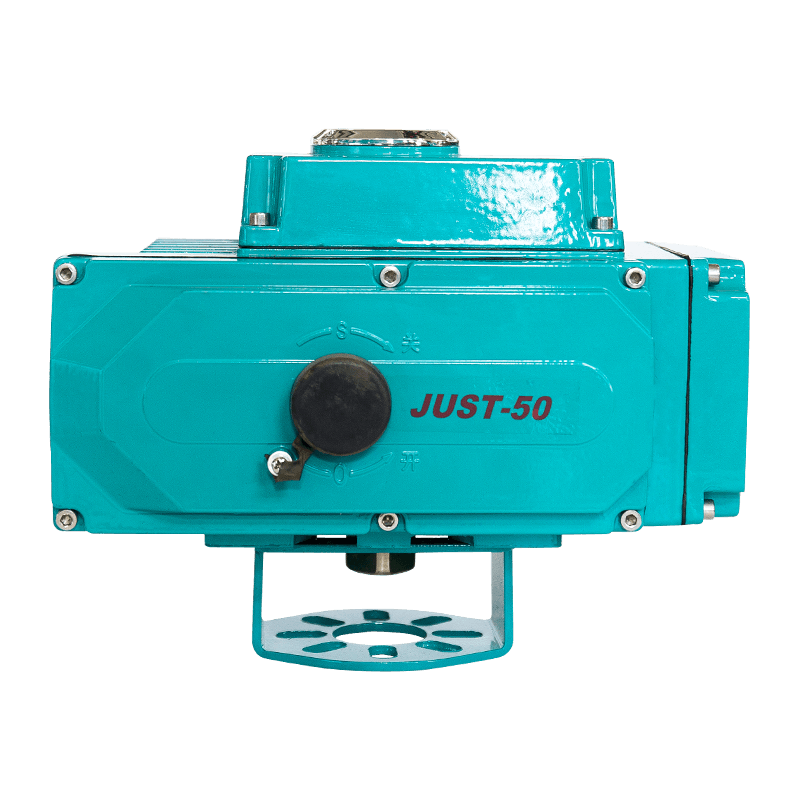
Compared with similar products, the QC series valve electric actuator has desirable performance and undeniable advantage...
See Details

Copyright 2024 Changzhou Xinneng Automatic Control Equipment Co., Ltd All Rights Reserved.