0086 15335008985


 русский
 Español
Cat:Quarter Turn Electric Actuator
The AUKEMA partially rotating intelligent electric actuator has two control types: AKQ intelligent switch type and AKQM ...
See Details
 Search
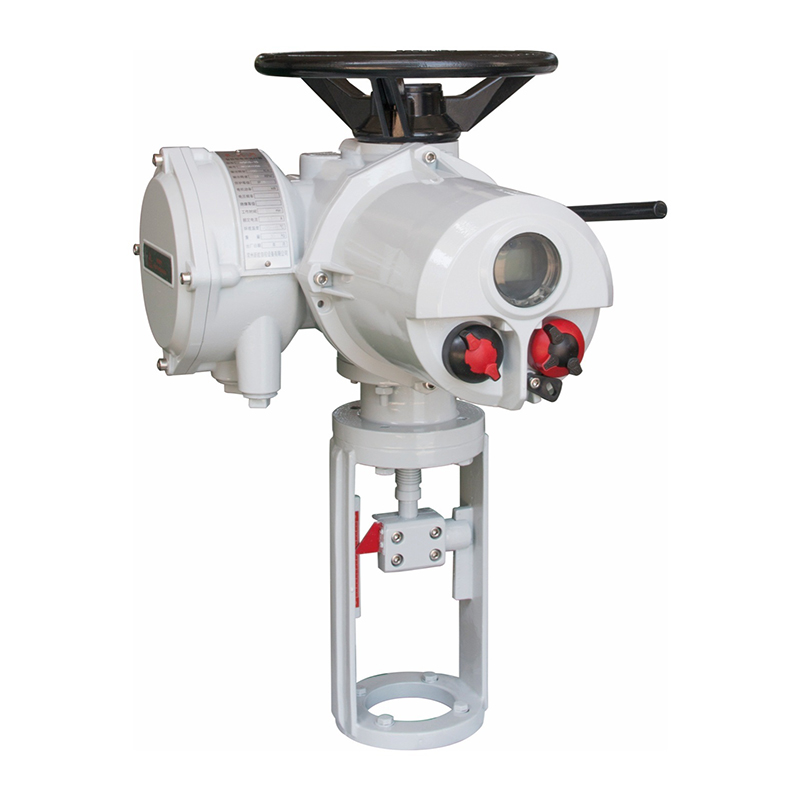
Modern industrial automation increasingly relies on precise, clean, and energy-efficient motion solutions. Among these, linear electric actuators have replaced pneumatic and hydraulic systems in thousands of applications due to their superior controllability, lower total cost of ownership, and reduced environmental impact. Unlike fluid-based systems, electric actuators convert electrical energy directly into linear motion using a motor coupled with a mechanical transmission mechanism. This open guide provides technical insights into core components, performance metrics, industry-specific requirements (especially food and beverage), and selection methodologies. You will find comparative data, a selection flowchart, and maintenance best practices — all free from brand-specific promotions.
Market data indicates that the global electric actuator market is growing at a CAGR of 7.9% (2024-2030), driven by demand for Industry 4.0-compatible components. With typical energy savings of 50-70% over pneumatic equivalents, linear electric actuators are becoming standard in packaging, material handling, and sanitary production lines. This guide focuses on practical engineering aspects, from ball screw mechanics to washdown-rated designs.
At the heart of most high-performance electric actuators lies the ball screw assembly. A linear ball screw actuator uses recirculating steel balls between the screw shaft and nut to convert rotary motion from the motor into smooth linear displacement. This rolling contact yields efficiencies up to 92%, compared to 30-50% for acme screws. Typical backlash values fall below 0.03 mm, enabling repeatable positioning with microstep or servo control.
Industrial-grade linear ball screw actuator units offer dynamic load capacities from 500 N to over 50 kN, linear speeds up to 2 m/s, and stroke lengths ranging from 50 mm to 2000 mm. With proper lubrication, operational life can exceed 100,000 km of travel or 20,000 hours, depending on duty cycle. For example, a bottling plant using ball screw actuators for fill-nozzle positioning achieved a 30% increase in cycle consistency compared to previous pneumatic systems, while reducing energy consumption by 55%.
The data confirms that where precision, long life, and energy efficiency are critical, a linear ball screw actuator is the superior choice. For food and beverage applications, stainless steel variants with food-grade grease further extend reliability under frequent washdowns.
Selecting the correct actuator requires evaluating several technical variables. Use the following checklist to define your application requirements before consulting datasheets.
Real-world case: A confectionery packaging line required 150 mm stroke, 800 N load, and IP67 protection. By selecting a stainless steel linear electric actuator with an integrated brake, they eliminated external locking devices and reduced machine footprint by 15%.
The food and beverage industry imposes strict hygienic standards (EHEDG, 3-A Sanitary Standards, FDA). Standard industrial actuators fail quickly under high-pressure, high-temperature washdowns with caustic or acidic detergents. Linear actuators for food and beverage industry are engineered with:
Data from a dairy processing facility: replacing 40 pneumatic cylinders with stainless steel electric actuators reduced unplanned downtime by 65% (from 12 to 4 hours per month) and cut compressed air leakage losses equivalent to 18,000 kWh annually. Another meat processing plant reported that linear actuators for food and beverage industry with IP69K rating survived over 3000 washdown cycles without seal failure, while standard units failed after 400 cycles.
Below table compares standard industrial linear electric actuators with food-grade variants. The differences impact initial cost, but lifetime savings from reduced contamination risks often justify premium designs.
| Feature | Standard industrial actuator | Food & beverage grade actuator |
|---|---|---|
| Housing material | Aluminum (anodized) or painted steel | 316L stainless steel or electropolished |
| IP rating typical | IP54 – IP65 | IP67 – IP69K |
| Lubrication | Standard mineral grease | NSF H1, Kosher, Halal certified |
| Surface finish | As-machined or painted | Ra ≤0.8 µm, no dead zones |
| Temperature range | -20°C to +60°C | -30°C to +80°C (for washdown) |
| Relative cost factor | 1.0 (baseline) | 1.6 – 2.2 |
| Lifetime in wet/food zone | 0.5 – 2 years | 5 – 10 years |
For beverage filling, conveyors, slicing machines, and dough dividers, investing in certified linear actuators for food and beverage industry reduces risk of recalls and extends mean time between failures (MTBF) by over 300%.
The following SVG diagram guides you through the logical decision process to choose between standard, ball-screw based, or food-grade electric actuators based on your application parameters.
The flowchart highlights that ball screw technology is recommended for loads above 2000 N or when high precision is required. For food & beverage zones, always prioritize IP69K and stainless steel construction, regardless of load.
Proper installation and preventive maintenance extend the life of linear electric actuators by 2-3 times. Follow these proven practices:
Data from a logistics automation center: implementing quarterly lubrication and alignment checks increased average actuator life from 18,000 to 42,000 running hours. Additionally, using condition monitoring (current draw and temperature sensors) predicted 88% of failures before unplanned downtime occurred.
A1: A linear ball screw actuator achieves 85-92% electrical-to-mechanical efficiency, while pneumatic cylinders typically operate at 10-25% efficiency due to compressed air generation and distribution losses. For a typical 1000 N load over 500 mm stroke, an electric actuator consumes about 15-20 Wh vs. 80-120 Wh for a pneumatic system.
A2: Not recommended. External covers rarely provide full IP69K protection and can harbor bacteria. Dedicated linear actuators for food and beverage industry feature seamless stainless steel housings, high-temperature seals, and food-grade lubricants. Retrofitting standard units often voids warranties and leads to premature failure within months.
A3: Critical speed depends on screw diameter and end supports. For a 25 mm diameter screw with fixed-supported mounting, maximum practical stroke is 1500-2000 mm at speeds below 500 mm/s. For longer strokes (up to 6000 mm), consider rotating nut designs or belt-driven actuators with linear guides.
A4: Under normal 8-hour daily operation with weekly washdowns, re-lubricate every 6 months or after 2000 operating hours. Use NSF H1 grease in small quantities (typically 1-2 cm³ per bearing block). Over-lubrication can cause grease to leak onto product surfaces.
A5: For areas where washdown liquids may directly hit the actuator, IP69K is required. For splash zones only (no high-pressure jets), IP67 may suffice. Always check local food safety regulations — many require IP69K for any component above open product conveyors.
A6: Only if they operate synchronously with identical load and stroke, and the drive's rated current supports the total amperage. However, for independent motion, each actuator requires its own drive. Some multi-axis controllers can coordinate up to 6 actuators using EtherCAT or CANopen.
This open guide has walked through the technical foundations of linear electric actuators, emphasizing the superiority of ball screw mechanisms for precision and efficiency, hygiene requirements for food and beverage production, and the importance of systematic selection. Data from real installations confirm that proper sizing and maintenance reduce operational costs by 40-60% compared to pneumatic systems, while food-grade variants eliminate contamination risks. As automation advances, actuators with integrated IO-Link and predictive maintenance capabilities will become standard. For your next project, begin with the selection flowchart and always prioritize environmental protection (IP) and lubrication compatibility.
Remember: the best actuator is not the one with the highest specifications, but the one that matches your exact load profile, duty cycle, and environmental demands. Use the tables and checklist above to generate your requirement specification, then consult detailed datasheets.
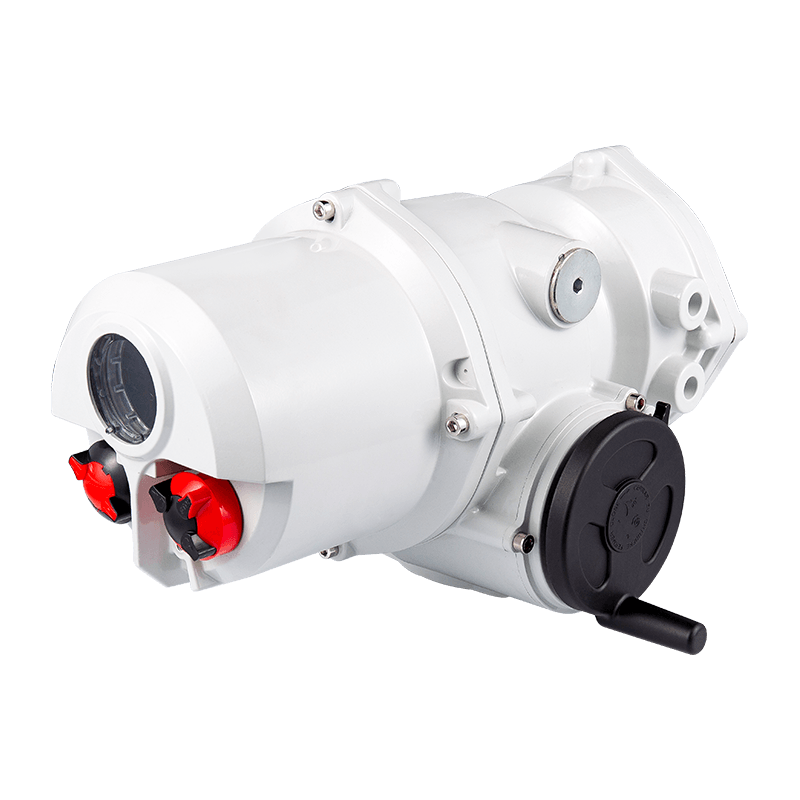
The AUKEMA partially rotating intelligent electric actuator has two control types: AKQ intelligent switch type and AKQM ...
See Details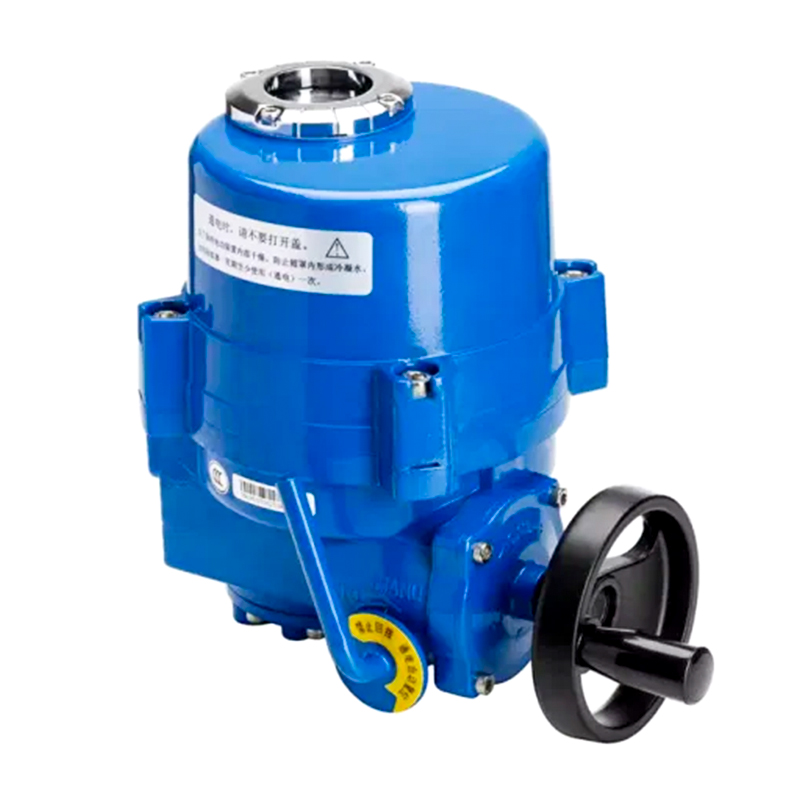
The QM series partial rotary valve electric device includes ordinary switch type, integral type, regulating type, intell...
See Details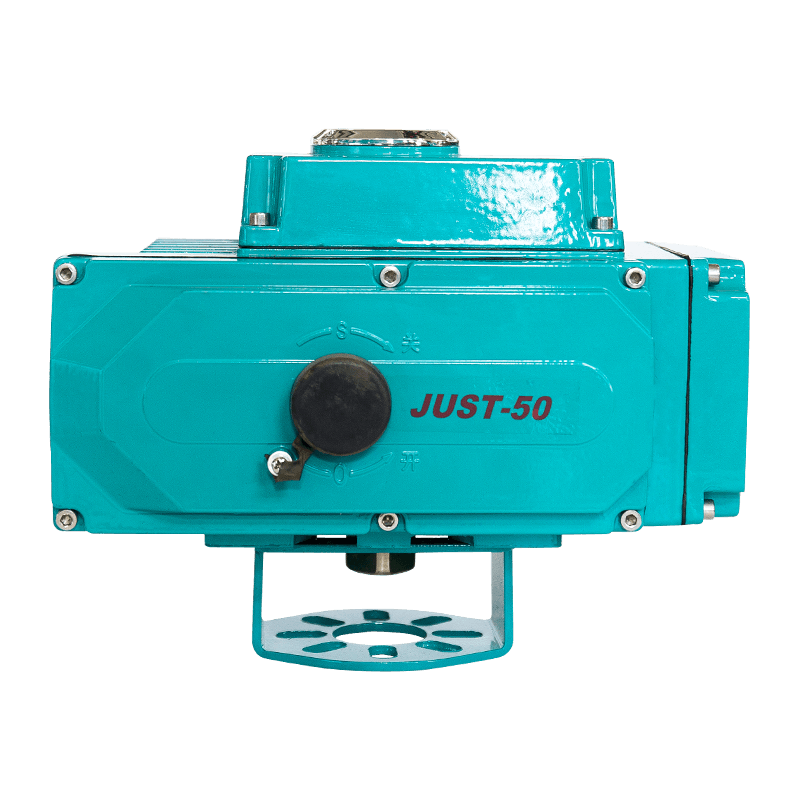
Compared with similar products, the QC series valve electric actuator has desirable performance and undeniable advantage...
See Details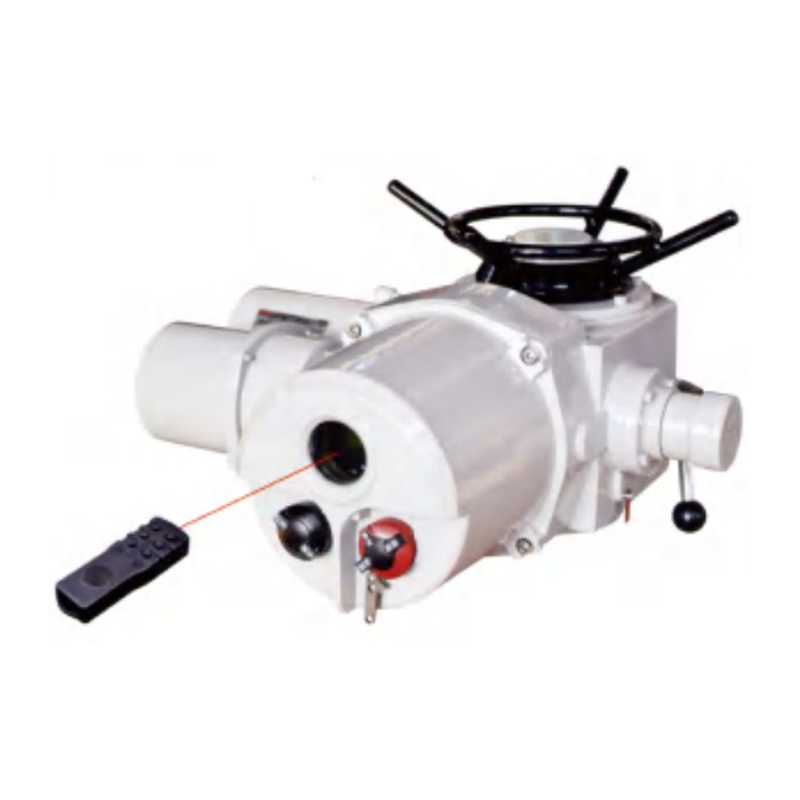
The CND-Z series is a multi turn intelligent non-invasive electric device that introduces the latest analog digital tech...
See Details

Copyright 2024 Changzhou Xinneng Automatic Control Equipment Co., Ltd All Rights Reserved.