0086 15335008985


 русский
 Español
Cat:Multi Turn Electric Actuator
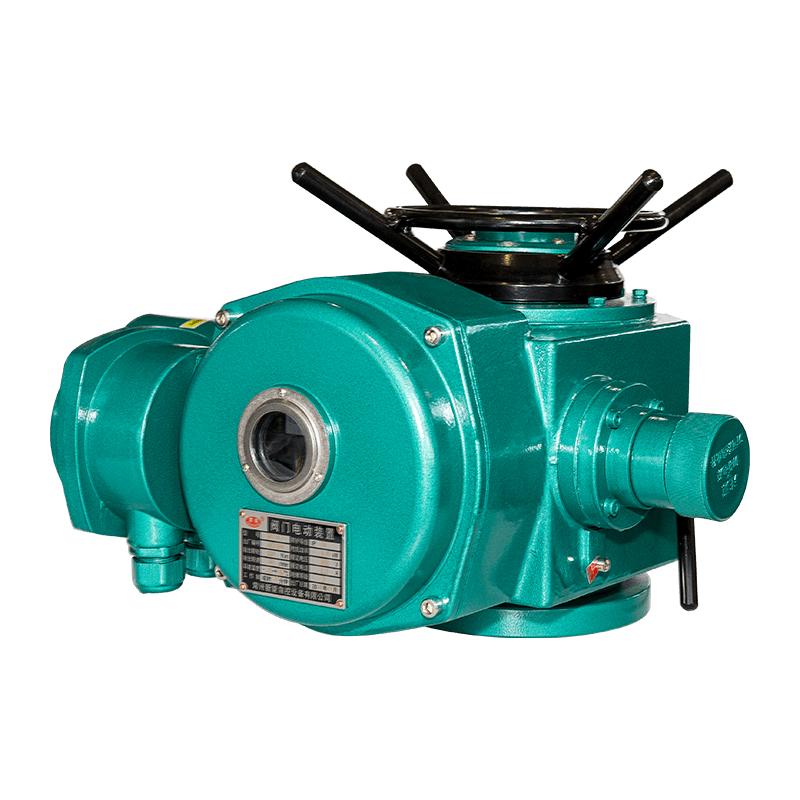
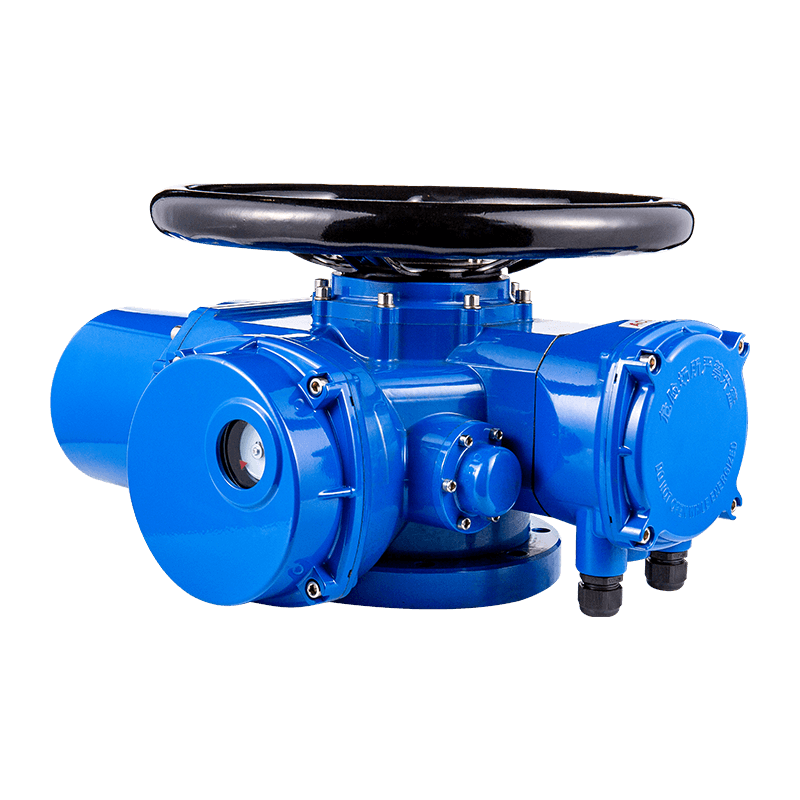
The AUKEMA rotary intelligent electric actuator has two control types: AK intelligent switch type and AKM intelligent ad...
See Details
 Search
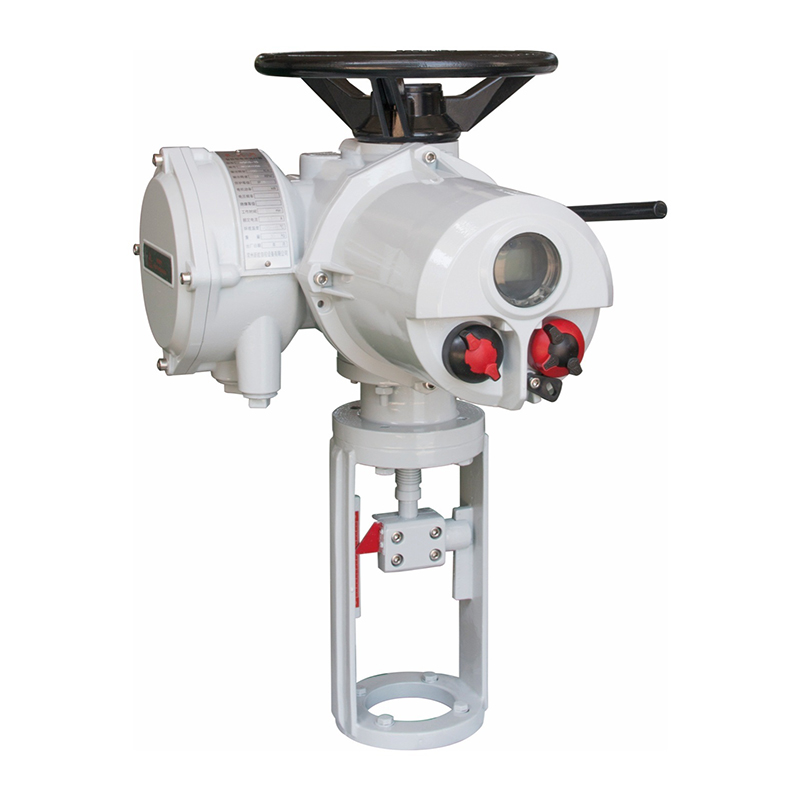
In the realm of industrial automation, a Linear Electric Actuator serves as the critical bridge between digital control systems and physical movement. Unlike rotary motors that create circular motion, these devices convert electrical energy into straight-line displacement. This conversion is essential for tasks requiring pushing, pulling, lifting, or positioning loads with high repeatability.
For B2B procurement managers and engineers, selecting the correct actuator type is not merely about movement; it is about balancing load capacity, precision, duty cycle, and environmental resilience. Modern industrial environments demand components that can integrate seamlessly into IoT frameworks while maintaining rigorous physical performance standards under continuous operation.
The lead screw design is perhaps the most ubiquitous form of linear motion technology. It operates on the principle of a threaded rod rotating to move a nut attached to the extension tube. This type is highly valued in the B2B sector for its self-locking capabilities and cost-effectiveness in low-to-medium duty applications.
A standard lead screw actuator consists of a motor, a gearbox, and the screw assembly. The friction between the nut and the screw provides a natural braking mechanism, meaning the actuator will hold its position even when power is removed. This makes it an ideal choice for vertical lifting platforms or adjustable workstation furniture where safety and stability are paramount.
Technical parameters often seen in high-grade industrial lead screw models include:
While efficient, lead screw actuators are subject to wear over time due to the sliding friction. Therefore, they are best suited for applications where the duty cycle remains below 25%.
When an industrial process requires high frequency and extreme precision, the Linear Electric Actuator utilizing a ball screw mechanism is the industry standard. This design replaces sliding friction with rolling friction by using recirculating ball bearings between the screw and the nut.
The primary advantage of the ball screw is its mechanical efficiency, which typically exceeds 90%. This allows for higher speeds and longer continuous run times without overheating. In B2B manufacturing lines, such as automotive assembly or electronics testing, these actuators provide the necessary speed and sub-millimeter accuracy.
Consider the following comparison of performance metrics for high-speed ball screw systems:
| Feature | Standard Specification | Industrial Benefit |
| Efficiency | 90% - 95% | Reduced Energy Consumption |
| Positional Accuracy | ±0.01 mm | High-Quality Output |
| Duty Cycle | Up to 100% | Continuous Operation |
Due to the rolling elements, these actuators require periodic lubrication but offer a significantly longer service life (measured in millions of inches of travel) compared to sliding screw types.
Belt-driven linear systems are designed for long-stroke applications where speed is the priority over absolute force. Using a reinforced timing belt stretched across two pulleys, these actuators can achieve travel lengths that would cause a traditional screw to whip or vibrate.
In large-scale warehousing and logistics, belt-driven actuators move goods across several meters in seconds. They are characterized by their low noise levels and minimal maintenance requirements, as there are no metal-on-metal sliding parts in the drive mechanism.
B2B buyers focusing on packaging machinery or large-format 3D printing often prefer belt drives because they reduce the overall weight of the gantry system, allowing for faster acceleration and deceleration phases.
The most advanced type of linear motion is the direct-drive linear motor. This technology effectively "unrolls" a rotary motor so that the stator and rotor are laid out in a straight line. There are no mechanical transmission components like screws, belts, or gears.
Because there is no mechanical linkage, there is zero backlash. This makes linear motors the premier choice for semiconductor manufacturing and medical imaging equipment. They offer the highest possible acceleration and the most precise velocity control available in the market today.
Key technical highlights include:
From a B2B perspective, while the initial investment is higher, the total cost of ownership (TCO) is often lower in high-speed precision environments due to the elimination of downtime caused by mechanical failure.
Choosing between these four types requires a methodical evaluation of the application's physical constraints and operational goals. For a procurement specialist, the decision often hinges on technical compatibility and long-term reliability rather than just unit price.
When evaluating a Linear Electric Actuator, consider the following data points:
In heavy machinery sectors, for example, a high-force ball screw actuator with an IP69K rating might be necessary to withstand high-pressure washdowns and heavy vibration.
To assist in the technical vetting process, the table below summarizes the typical performance ranges of the four primary actuator types discussed.
| Actuator Type | Max Load | Max Speed | Precision |
| Lead Screw | High | Low | Moderate |
| Ball Screw | Very High | Moderate | High |
| Belt Drive | Moderate | Very High | Moderate |
| Linear Motor | Moderate | Extreme | Extreme |
Data indicates that for 80% of general industrial automation tasks, the Ball Screw and Lead Screw variants offer the most balanced ROI for typical B2B procurement cycles.
The lifespan of a linear actuator is directly correlated to its environment and maintenance schedule. Predictive maintenance is becoming a standard requirement for B2B operations to avoid costly production line stoppages.
By implementing these steps, facilities can extend the operational life of their motion control systems by 30% to 50%, ensuring maximum value from their capital equipment investments.
Dynamic load refers to the force the actuator can exert while in motion. Static load is the weight the actuator can safely support when it is stationary and the power is off.
The stroke length should be the total distance the load needs to move, plus a small safety margin at both ends to prevent the actuator from hitting its internal mechanical limits.
Yes, provided they have an appropriate IP rating (typically IP66 or higher) and use materials like stainless steel or specialized coatings to resist corrosion from UV and moisture.
A belt drive is chosen when you need very high speeds over long distances (exceeding 2 meters) and where extreme precision (microns) is not as critical as cycle time.
Most industrial actuators require a driver or controller to manage speed, direction, and positioning, although some basic models can operate with a simple switch and power source.
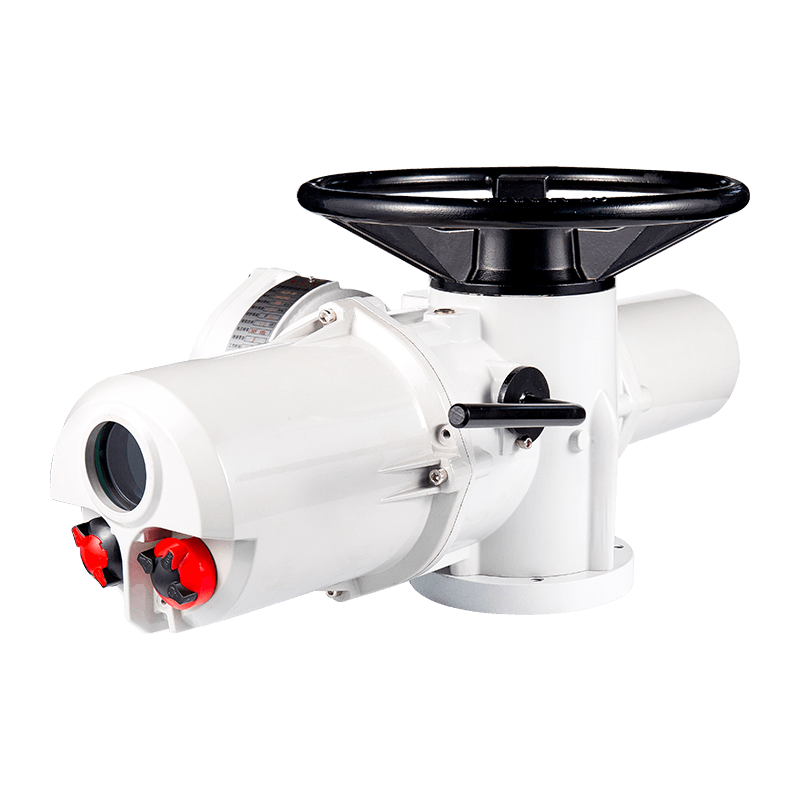
The AUKEMA rotary intelligent electric actuator has two control types: AK intelligent switch type and AKM intelligent ad...
See Details

Copyright 2024 Changzhou Xinneng Automatic Control Equipment Co., Ltd All Rights Reserved.