
0086 15335008985


 русский
 Español
 Search
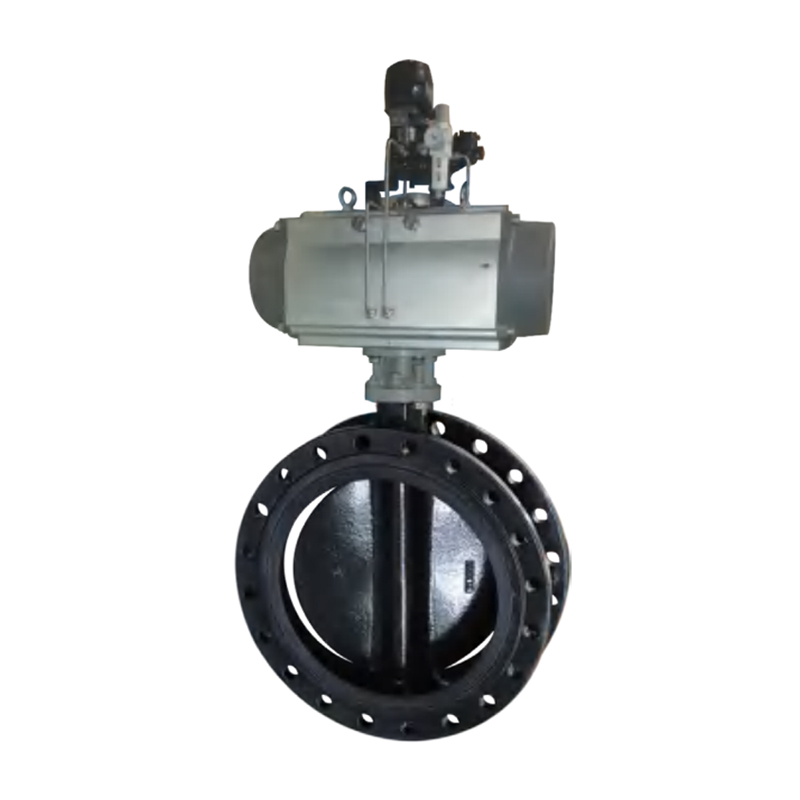
What are the types of valves used in mining industry?
Introduction to Coal Mine Valves and Their Critical Role
The mining industry operates under some of the most demanding conditions imaginable, where equipment must withstand extreme pressures, abrasive materials, corrosive environments, and high temperatures. Within this challenging landscape, Coal Mine Valves serve as essential components that ensure operational safety, process efficiency, and environmental compliance. These specialized valves control the flow of fluids, gases, and slurries throughout various mining operations, from underground extraction to surface processing facilities.
The global mining valve market has experienced significant growth, with projections indicating the market will reach $7.3 billion by 2030, growing at a compound annual growth rate of 5.4%. This expansion reflects the increasing demand for robust flow control solutions capable of handling high-concentration slurries containing 30% to 60% solids, corrosive reagents such as cyanide and sulfuric acid, and operating pressures reaching up to 100 bar in certain applications.
In coal mining operations specifically, valve selection directly impacts worker safety, equipment longevity, and production continuity. A single valve failure in critical applications can result in downtime costs ranging from $25,000 to $150,000 per hour, not including potential environmental penalties or safety hazards. Therefore, understanding the various types of valves available and their specific applications within coal mining contexts is essential for procurement professionals, maintenance engineers, and operations managers seeking to optimize their systems.
Understanding the Operating Environment in Coal Mining
Before examining specific valve types, it is crucial to understand the unique challenges that coal mining environments present. Underground coal mines present particularly harsh conditions where valves must perform reliably despite exposure to coal dust, methane gas, high humidity, and abrasive slurry mixtures. Surface processing facilities add additional complexity with chemical reagents used in coal washing and preparation processes.
Abrasion and Erosion Challenges
Coal slurries typically contain solid particles ranging from 0.1 mm to 5 mm in diameter, moving at velocities between 2 to 4 meters per second. When velocities drop below 2 m/s, sedimentation occurs, while speeds exceeding 4 m/s can increase erosion rates by up to 300%. The particles strike valve internals continuously, causing material loss through abrasion mechanisms. Harder particles such as quartz and pyrite content in coal seams create particularly aggressive wear conditions that standard industrial valves cannot withstand.
Corrosion Considerations
Coal mine water often contains dissolved minerals, acids, and processing chemicals that accelerate corrosion. pH levels in mine drainage can range from 2 to 9 depending on geological conditions and processing requirements. Sulfur-bearing coals produce acidic conditions that attack carbon steel components, while chloride content in some mining regions promotes stress corrosion cracking in stainless alloys. Valve materials must be selected based on comprehensive chemical compatibility analysis.
Pressure and Temperature Extremes
Hydraulic systems in modern mining equipment operate at pressures reaching 31.5 MPa, requiring valves with substantial pressure containment capabilities. Dewatering systems, slurry transport pipelines, and gas extraction networks each present distinct pressure profiles that influence valve design selection. Temperature variations from sub-zero surface conditions to elevated temperatures in deep underground workings further complicate material selection and sealing system design.
Explosion Protection Requirements
Underground coal mines contain methane gas and coal dust, creating potentially explosive atmospheres. Valve actuation systems and electrical components must comply with explosion-proof standards such as GB 3836 series or ATEX directives. Flameproof enclosures, intrinsic safety barriers, and specially designed grounding provisions prevent ignition sources from triggering catastrophic events. These safety requirements significantly influence valve specification and installation practices.
Knife Gate Valves for Coal Slurry Applications
Knife gate valves represent one of the most widely deployed valve types in coal mining operations, specifically engineered to handle thick, abrasive slurries that would rapidly destroy conventional valve designs. The distinctive blade-like gate cuts through solid-laden media rather than sliding across surfaces, enabling reliable shutoff even with high-concentration coal slurries containing up to 62% solids by weight.
Design Features and Construction
Modern knife gate valves for coal mining incorporate several critical design elements that differentiate them from standard industrial versions. The gate blade typically features tungsten carbide overlay achieving hardness ratings of 1500 HV, enabling cutting through particles up to 10 mm diameter while maintaining sharpness over extended operational cycles. Integrally forged blade construction eliminates weak points where fatigue cracking might initiate under cyclic loading conditions.
Sealing systems utilize embedded seat designs that prevent slime jamming, a common failure mode in slurry service. U-type rubber sealing strips line the grooves of the valve body and gate edges, achieving zero-leakage performance standards. Some advanced designs incorporate replaceable seat cartridges that can be changed in the field without removing the valve from the pipeline, reducing maintenance downtime by approximately 70% compared to traditional designs.
Material Selection for Extended Service Life
Valve body materials for coal mine applications typically include ductile iron ASTM A536 Grade 65-45-12 for standard services, providing tensile strength of 450-600 MPa. For corrosive environments, 316L stainless steel or duplex 2205 alloys offer superior resistance to acid attack. Internal flow paths receive surface treatments achieving roughness values of Ra ≤ 3.2 μm to minimize particle adhesion and turbulence-induced erosion.
Polyurethane linings represent a significant advancement in wear protection, providing 7 times greater wear resistance than standard rubber compounds in ISO 15370 testing protocols. These linings can be replaced independently of the valve body, extending overall valve service life to 2-5 years in typical coal slurry applications compared to 3-6 months for unprotected carbon steel gate valves.
Application Areas in Coal Mining
Knife gate valves excel in multiple coal mining applications including coal preparation plant refuse discharge, slag and bottom ash handling in power generation facilities, tailings thickener discharge control, and hydrocyclone isolation. The full-bore design when fully open minimizes pressure drop, reducing pump energy consumption by 8-12% compared to partially restricted flow paths. Self-cleaning action during operation prevents material buildup that could cause valve seizure.
In one documented application at a major coal processing facility, switching to specialized slurry knife gate valves eliminated recurring maintenance issues, resulting in 20% uptime improvement and three years of trouble-free operation. The facility reported 15% reduction in overall downtime costs following the valve upgrade program.
Ball Valves for Mining Flow Control and Isolation
Ball valves provide versatile flow control capabilities across coal mining operations, offering 360-degree sealing surfaces and rapid quarter-turn operation. These characteristics make them particularly suitable for applications requiring frequent cycling, emergency isolation, or precise flow modulation in multiphase flow conditions involving gas-liquid-solid mixtures.
Floating vs Trunnion Mounted Designs
Floating ball valves utilize system pressure to force the ball against the downstream seat, creating a tight seal suitable for lower pressure applications up to ANSI Class 600. The ball floats between the seats, allowing slight movement that compensates for minor misalignment. These designs work effectively in sizes up to DN200 for coal mine water systems, gas drainage lines, and general service applications.
Trunnion mounted ball valves feature upper and lower bearing supports that fix the ball position, preventing movement under high differential pressure. This design accommodates larger sizes from DN150 to DN1200 and pressure ratings up to ANSI Class 2500. The trunnion design maintains consistent seat contact and reduces operating torque by approximately 40% compared to floating designs of equivalent size. Metal-to-metal seated trunnion ball valves with Stellite or tungsten carbide coatings achieve service lives of 3-5 years in abrasive slurry service.
V-Port Ball Valves for Precision Control
V-port ball valves incorporate a machined V-shaped opening in the ball, enabling precise flow modulation with control accuracy of ±1%. The V-port angle, typically ranging from 15 degrees to 90 degrees, determines the flow characteristic as linear, equal percentage, or quick-opening. Linear flow characteristics achieved with 30-45 degree ports provide direct relationship between valve rotation and flow rate, essential for maintaining slurry velocities within the optimal 2-4 m/s range.
The streamlined V-port design minimizes dead zones where solids might accumulate, while the tapered edges create a scouring effect that sweeps particles through the valve. Port diameters ranging from 50-80% of nominal valve size accommodate different particle size distributions. A DN150 valve with 70% port opening handles 4 mm particles while maintaining a flow coefficient (Cv) of 150, cutting pressure drop by 25% compared to standard globe valves.
Material Innovations for Abrasive Service
Bimetallic ball construction represents a significant advancement for mining applications. The outer surface utilizes high-chromium iron or ceramic materials providing hardness ratings of HRC 85-90, while the internal structure employs nickel alloys for toughness and pressure containment. This combination enhances particle resistance by 50% compared to homogeneous material balls.
Ceramic ball valves utilizing structural ceramics for all wetted parts except the stem deliver exceptional wear and corrosion resistance. Ceramic-to-ceramic hard seals achieve ANSI Class VI tightness standards with zero leakage performance. These valves withstand temperatures up to 650°C and demonstrate service life extension of 200-300% compared to traditional metal valves in coal chemical gasification applications handling 62% concentration coal slurry at 1.0 MPa pressure.
Butterfly Valves for Large Volume Flow Management
Butterfly valves dominate large-diameter flow control applications in coal mining operations, offering lightweight construction, compact face-to-face dimensions, and rapid quarter-turn operation. Their cost-effectiveness and versatility make them suitable for water management, cooling systems, and tailings transportation where precise throttling is less critical than reliable isolation and flow regulation.
Double-Offset and Triple-Offset Designs
Concentric butterfly valves with the disc mounted on the centerline of the pipe provide economical solutions for low-pressure water applications. However, coal mining slurry services require eccentric designs that minimize seat contact and wear. Double-offset butterfly valves feature a stem mounted slightly behind and to the side of the disc centerline, creating a camming action that lifts the disc out of the seat during opening. This reduces friction and extends seat life by approximately 40% compared to concentric designs.
Triple-offset butterfly valves add a third geometric offset with an inclined conical seat and matching disc profile. This design achieves metal-to-metal sealing without friction during operation, enabling bi-directional tight shutoff in high-pressure applications up to ANSI Class 600. The laminated disc construction with ceramic coatings provides exceptional abrasion resistance for coal slurry services.
Ceramic Coating Technologies
Advanced ceramic coatings applied to disc and seat surfaces through thermal spray or chemical vapor deposition processes create hard, wear-resistant surfaces while maintaining the structural integrity of the base metal. Chromium carbide coatings achieving thickness of 50-100 μm reduce wear rates by 30% compared to uncoated surfaces. Ceramic coatings with hardness exceeding HRC 90 demonstrate 50-100% improvement in service life under severe erosion conditions.
Actuation and Control Integration
Butterfly valves in modern coal mining operations frequently integrate with automated control systems through electric, pneumatic, or hydraulic actuators. Gear-reduced handwheels ensure operating torque remains below 200 N·m for manual operation in underground maintenance scenarios. Electric actuators with position feedback enable precise flow control integration with distributed control systems, while pneumatic actuators provide rapid emergency isolation capabilities with closing times under 3 seconds for critical safety applications.
Check Valves for System Protection and Backflow Prevention
Check valves represent critical safety components in coal mining fluid systems, ensuring unidirectional flow and protecting pumps, compressors, and other equipment from damaging backflow and water hammer effects. These passive devices require no external actuation, responding automatically to flow direction changes to prevent reverse flow that could cause catastrophic equipment damage or process contamination.
Swing Check and Wafer Check Configurations
Swing check valves utilize a hinged disc that opens under forward flow and closes by gravity when flow stops, suitable for horizontal installations with minimal solids content. In coal mining applications, wafer check valves with spring-assisted mechanisms provide superior performance. These compact designs fit between standard pipe flanges, reducing installation space requirements by 60% compared to traditional flanged check valves.
Spring-assisted non-slam mechanisms prevent water hammer by ensuring rapid disc closure before reverse flow velocities can develop. Center-guided designs maintain disc alignment throughout the stroke, preventing binding or flutter that could cause premature wear. Available in sizes from 1 inch to 24 inches and pressure classes from 150 to 1500, these valves accommodate the full range of coal mining pipeline specifications.
Critical Applications in Mining Operations
Check valves serve essential functions in mine dewatering systems where pumps lower the water table near extraction sites. Vertical or horizontal installations guard against water hammer while maintaining continuous flow away from the mine. In pump discharge lines, check valves prevent backflow that could spin pumps backwards and cause mechanical damage. Pipeline applications spanning multiple kilometers with elevation changes rely on check valves to maintain flow direction regardless of terrain variations.
Autoclaving operations in coal processing utilize high-alloy check valves achieving Class V shutoff capabilities to prevent reverse flow of high-temperature, high-pressure process fluids. Solvent extraction plants and pregnant leach solution processes employ check valves at pump discharge points to manage aqueous and organic fluids while preventing cross-contamination.
Gate Valves and Globe Valves for Isolation and Throttling
Multi-turn valves including gate and globe designs provide reliable isolation and throttling capabilities in coal mining applications where precise flow control or complete shutoff is required. These traditional valve types continue to serve important functions despite the emergence of specialized mining valve designs, particularly in water management, steam systems, and chemical dosing applications.
Gate Valve Design Variants
Rising stem gate valves provide visual position indication through stem extension as the valve opens, while non-rising stem designs maintain constant overall height suitable for space-constrained underground installations. Both variants utilize a sliding gate perpendicular to flow direction that provides minimal flow restriction when fully open. For coal mining water systems, resilient seated gate valves with rubber-encapsulated wedges achieve bubble-tight shutoff against pressure differentials up to 16 bar.
Knife gate variants of traditional gate valves incorporate sharpened edges and reinforced construction specifically for slurry service. These designs achieve full-bore flow when open while providing effective shutoff in applications with suspended solids. The linear motion of gate valves makes them suitable for throttling service, though partial opening in high-velocity slurry service accelerates seat erosion.
Globe Valve Throttling Capabilities
Globe valves utilize a movable plug or disc that seats against a stationary ring to regulate flow. The perpendicular flow path creates higher pressure drop than gate or ball valves but enables precise throttling characteristics. In coal mining chemical dosing systems, globe valves with characterized plugs provide linear or equal percentage flow control essential for maintaining process chemistry. Precision-machined Acme threads and polished stems enable smooth actuation and tight sealing.
Angle-pattern globe valves with inlet and outlet ports at 90 degrees reduce installation space requirements and minimize fluid impact damage in high-velocity applications. These designs are particularly suitable for regulating high-pressure oil-coal slurry mixtures where right-angle body configuration reduces erosion at the valve inlet.
Specialized Valves for Coal Mining Safety Systems
Beyond general flow control applications, coal mining operations require specialized valve types designed for specific safety-critical functions. These include pressure relief valves, safety valves for hydraulic supports, explosion-proof servo valves for tunneling equipment, and diverter valves for material handling systems.
Pressure Relief and Safety Valves
Pressure relief valves automatically release excess pressure when system limits are exceeded, protecting pipelines and equipment from catastrophic failure. In coal mining hydraulic systems operating at 31.5 MPa, pilot-operated safety valves provide precise pressure control with tight reseating characteristics to minimize fluid loss. These valves must respond within milliseconds to pressure spikes while maintaining stability during normal operating fluctuations.
Hydraulic prop safety valves in underground roof support systems operate under unique conditions distinct from industrial hydraulic applications. These valves control the working resistance of hydraulic props through personal safety mechanisms that interact with roof rock pressure. Operating requirements include rapid response to overload conditions, stable holding pressure during normal loading, and reliable performance despite contamination from coal dust and moisture.
Explosion-Proof Servo Valves
Coal mining tunneling machines rely on explosion-proof servo valves to control hydraulic systems for walking, rotation, and extension functions. These valves must comply with strict explosion-proof standards such as GB 3836 series, incorporating flameproof and intrinsic safety technologies. Valve bodies require shock and vibration resistance to prevent dust ingress while maintaining precise flow control under high dust, high temperature, and high pressure conditions.
The internal structure includes valve cores driven by solenoids to achieve precise pressure control, springs maintaining stable positions during non-operating states, and seal rings preventing high-pressure fluid leakage during core movement. Response times under 50 milliseconds enable precise control of tunneling machine movements in complex geological conditions while maintaining explosion protection integrity.
Diverter and Rotary Valves
Diverter valves enable flow path switching in coal handling systems, directing material flow between processing lines, storage silos, or transport systems. Split-modular designs allow in-line maintenance without system shutdown, providing significant cost savings in continuous operations. Ceramic-lined rotary valves handle high-concentration coal slurry in gasification processes, with WCB carbon steel bodies and fully ceramic-lined flow paths providing exceptional erosion resistance.
Pinch Valves and Diaphragm Valves for Corrosive Media
For applications involving highly corrosive reagents or where complete isolation of the valve body from process media is essential, pinch valves and diaphragm valves provide effective solutions. These designs isolate all metallic components from fluid contact, extending service life in aggressive chemical environments.
Pinch Valve Operating Principles
Pinch valves utilize a flexible elastomer sleeve that is compressed or pinched closed to stop flow. In the open position, the sleeve provides a smooth, uninterrupted flow path with minimal pressure drop. Only the sleeve contacts the process media, protecting the valve body from abrasion and corrosion. Sleeve materials including natural rubber, EPDM, nitrile, and specialized compounds can be selected based on chemical compatibility requirements.
In coal mining applications, pinch valves excel in tailings handling where abrasive slurries would rapidly wear metal valves. The self-cleaning action of the sleeve prevents material buildup, while the ability to change sleeves without removing the valve from the line reduces maintenance time. Operating pressures up to 20 bar and temperatures to 80°C are achievable with appropriate sleeve selection.
Diaphragm Valve Advantages
Diaphragm valves employ a flexible diaphragm pressed against a weir or saddle to control flow. The diaphragm isolates all operating mechanisms from the process fluid, making these valves ideal for corrosive chemicals used in coal processing such as flotation reagents, pH adjustment chemicals, and cleaning solutions. Throttling capability provides flow control in addition to on/off function.
Rubber, PTFE, or elastomer diaphragms can be replaced independently of the valve body, extending overall valve life. The streamlined flow path minimizes dead zones where chemical precipitation might occur. These characteristics make diaphragm valves suitable for reagent dosing systems, water treatment chemical injection, and acid handling in coal preparation plants.
Valve Selection Criteria and Specification Guidelines
Selecting appropriate valves for coal mining applications requires systematic evaluation of process parameters, environmental conditions, and operational requirements. A comprehensive selection process minimizes lifecycle costs while ensuring reliable performance and safety compliance.
Process Parameter Assessment
The first step in valve specification involves thorough analysis of service conditions. Operating pressure and temperature ranges determine pressure class and material requirements. Chemical composition of the media, including pH level, solids content, particle size distribution, and presence of corrosive species, influences material compatibility decisions. Flow characteristics including velocity, viscosity, and flow rate determine valve size and type suitability.
For slurry applications, solids concentration typically ranges from 30% to 60% by weight, with particle sizes from sub-micron fines to 10 mm fragments. Valves must accommodate the maximum expected particle size without blockage while maintaining flow capacity. Velocity constraints require maintaining minimum speeds to prevent sedimentation while avoiding excessive erosion from high velocities.
Material Selection Framework
Material selection follows assessment of mechanical requirements, corrosion resistance needs, and cost constraints. Carbon steel bodies provide economical solutions for water and low-corrosion applications, while stainless steels including 304, 316, and duplex grades address more aggressive environments. For severe abrasion, hardened materials including Stellite 6, tungsten carbide, and ceramics provide superior wear resistance.
The following table summarizes common material selections for coal mining valve components:
| Component | Standard Service | Abrasive Service | Corrosive Service |
| Body | WCB Carbon Steel | Ductile Iron GGG50 | CF8M 316L SS |
| Trim | 304 Stainless Steel | Stellite 6 / Tungsten Carbide | Duplex 2205 / Ceramic |
| Seats | EPDM / NBR | Polyurethane / Metal | Viton / PTFE |
| Stem | 304 SS | 17-4PH / 316 SS | Hastelloy C / Monel |
Standards and Certification Requirements
Valves for coal mining applications must comply with applicable industry standards ensuring safety, quality, and interoperability. API 6D and API 598 provide design and testing requirements for pipeline valves. ASME B16.34 covers pressure-temperature ratings and dimensional standards. ISO 15848 addresses fugitive emissions control, increasingly important for environmental compliance.
Explosion-proof certifications including ATEX, IECEx, or national equivalents such as GB 3836 are mandatory for underground coal mine applications. Pressure Equipment Directive (PED) compliance is required for European installations, while Canadian Registration Numbers (CRN) are necessary for Canadian provinces. Fire-safe testing to API 607 or ISO 10497 ensures valve integrity during fire events.
Total Cost of Ownership Analysis
Initial purchase price represents only a fraction of valve lifecycle cost. Procurement decisions should evaluate total cost of ownership including installation, maintenance, energy consumption, and replacement frequency. A valve costing 50% more initially but delivering 3 times the service life and requiring 70% less maintenance provides superior economic value over a 10-year operating period.
Energy costs associated with pressure drop across valves can be significant. A DN200 gate valve with 1.2 bar pressure drop consumes approximately 15,000 kWh annually more than a V-port ball valve with 0.3 bar drop, representing $1,800 annual cost difference at typical industrial electricity rates. For installations with 100 such valves, annual savings of $180,000 justify higher initial investment in low-resistance designs.
Installation and Maintenance Best Practices
Proper installation and preventive maintenance significantly extend valve service life and ensure reliable operation in coal mining applications. Following manufacturer guidelines and industry best practices minimizes premature failures and unplanned downtime.
Pre-Installation Procedures
Prior to installation, inspect valves for shipping damage and verify model numbers, connection sizes, and flow direction markings match specifications. Clean pipeline sections to remove welding debris, rust, or construction debris that could damage valve seats. Verify material compatibility between valve components and process media. Calibrate torque wrenches for proper flange bolt tightening.
Pipeline alignment is critical for long-term valve performance. Misalignment exceeding 0.3 mm can induce stress on valve bodies, causing seat distortion and premature leakage. Allow sufficient space for actuator removal and maintenance access. For underground installations, ensure adequate headroom for handwheel operation or actuator servicing.
Installation Techniques
Install valves with stem orientation vertical where possible to prevent debris accumulation in body cavities. Use compatible gaskets such as EPDM or PTFE for coal slurry applications, avoiding materials that could degrade in service. Tighten flange bolts evenly in star pattern sequences to 40-80 N·m torque specifications, preventing uneven loading that could warp valve bodies.
For actuated valves, verify proper alignment between actuator and valve stem to prevent side loading. Configure purge ports where provided for flushing with 3-5 bar pressure for 5 minutes every 8 hours of operation. This prevents solids accumulation in packing chambers and actuator linkages.
Preventive Maintenance Programs
Monthly visual inspections should identify external leaks, corrosion, or physical damage before they escalate to failures. Quarterly maintenance includes cleaning pneumatic actuator air filters and checking purge port filter condition. Every six months, lubricate stems and internal components with 2-3 mL of packing lubricant and 5-10 mL of body lubricant using molybdenum disulfide-based greases suitable for mining environments.
Annual inspections should examine seat conditions, replacing seats when wear exceeds 0.5 mm or when leakage exceeds acceptable limits. Every 18 months, inspect ball or disc surfaces for erosion, re-polishing when wear reaches 0.2 mm and replacing components at 0.5 mm wear depth. Document all maintenance activities to establish replacement intervals and identify systemic issues.
Troubleshooting Common Issues
Stem leakage typically results from packing degradation or insufficient compression. Tighten packing nuts incrementally or replace packing material when adjustment fails to seal. Seat leakage in metal-seated valves may require reconditioning of sealing surfaces or component replacement. Poor flow control accuracy often indicates positioner drift requiring recalibration or port clogging necessitating cleaning.
Actuator failures may stem from air supply contamination, electrical faults, or mechanical wear. Check air quality at 40 micron filtration and verify electrical connections before replacing components. For valves experiencing clogging, implement purge flushing protocols or consider upgrading to self-cleaning knife gate designs better suited to the specific slurry characteristics.
Emerging Trends in Mining Valve Technology
The mining valve industry continues evolving with technological advancements addressing efficiency, safety, and environmental concerns. Smart valve technologies incorporating sensors and connectivity enable predictive maintenance and remote monitoring capabilities increasingly important for modern mining operations.
Intelligent Valve Positioners and Monitoring
Digital valve positioners with HART, Foundation Fieldbus, or Profibus communication protocols provide real-time position feedback, diagnostic information, and configuration capabilities. These devices detect developing issues such as increasing friction from packing degradation or seat wear before they cause operational failures. Integration with distributed control systems enables automatic alarm generation when valve performance deviates from baseline parameters.
Vibration sensors and acoustic monitoring devices can detect cavitation, flashing, or mechanical looseness indicating internal valve damage. Pressure sensors upstream and downstream of control valves enable flow calculation and process optimization. These technologies support transition from reactive maintenance schedules to condition-based maintenance, reducing costs and improving availability.
Advanced Materials and Coatings
Research in ceramic matrix composites and advanced thermal spray coatings promises further extension of valve service life in extreme abrasion applications. Diamond-like carbon coatings providing hardness exceeding 2000 HV with low friction coefficients may replace current hard-facing techniques. Additive manufacturing enables complex internal geometries optimizing flow patterns and minimizing erosion while reducing component weight.
Self-healing elastomer compounds that automatically seal minor cuts or abrasions in valve seats and diaphragms could significantly extend soft goods service life. Nanostructured materials with tailored properties may provide superior corrosion resistance without the cost penalties of high-nickel alloys currently required for aggressive chemical service.
Sustainability and Environmental Compliance
Increasing environmental regulations drive demand for valves with enhanced fugitive emissions control. Low-emissions packing systems and live-loaded designs maintain consistent sealing force despite thermal cycling and wear. Zero-leakage valve technologies including bellows seals and double-packing arrangements prevent process fluid escape to atmosphere, protecting worker health and reducing environmental impact.
Energy efficiency considerations influence valve selection with low-torque designs reducing actuator power requirements and full-port configurations minimizing pumping energy. Lifecycle assessment methodologies evaluating environmental impact from manufacture through disposal guide sustainable procurement decisions. Remanufacturing programs refurbish used valves to like-new condition, reducing waste and conserving resources.
Frequently Asked Questions About Coal Mine Valves
Q1: What makes coal mine valves different from standard industrial valves?
Coal mine valves are specifically engineered to withstand abrasive slurries, high pressures, and corrosive environments typical of mining operations. They incorporate hardened materials such as tungsten carbide or ceramics, specialized sealing systems resistant to solid-laden media, and often require explosion-proof certifications for underground applications. Standard industrial valves lack these specialized features and would fail prematurely in mining conditions.
Q2: Which valve type is best for coal slurry applications with high solids content?
Knife gate valves are generally preferred for high solids content coal slurry applications due to their ability to cut through solid particles and self-cleaning action. For applications requiring flow control rather than simple on/off operation, V-port ball valves with ceramic or Stellite coatings provide excellent abrasion resistance and precise throttling capability. The specific selection depends on particle size distribution, concentration, and pressure conditions.
Q3: How often should coal mine valves be inspected and maintained?
Monthly visual inspections should be conducted to identify external leaks or damage. Quarterly maintenance includes cleaning filters and checking actuator operation. Comprehensive inspections every 6-12 months should examine internal components for wear, with seat replacement typically required when wear exceeds 0.5 mm. Critical safety valves may require more frequent testing per regulatory requirements. Preventive maintenance programs reduce unplanned downtime by up to 70% compared to reactive approaches.
Q4: What pressure ratings are required for underground coal mine valves?
Underground coal mine valve pressure requirements vary by application. Water management systems typically operate at 1.0-2.5 MPa, requiring ANSI Class 150-300 ratings. Hydraulic support systems operate at 31.5 MPa, requiring high-pressure valve designs. Slurry transport systems range from 1.0 MPa to 10 MPa depending on pipeline length and elevation changes. Always select valves with pressure ratings exceeding maximum expected operating pressure by at least 20% safety margin.
Q5: Are explosion-proof valves mandatory for all underground coal mining applications?
Explosion-proof valve actuation is mandatory in classified hazardous areas where methane gas or coal dust may be present in explosive concentrations. This includes most underground working faces, return airways, and areas near coal handling equipment. Non-explosion-proof valves may be used in surface facilities or underground intake airways where hazardous atmosphere classification does not apply. Consult local mining safety regulations and area classification drawings to determine specific requirements for each installation location.
Q6: What materials provide the best corrosion resistance for coal mine water applications?
For coal mine water with neutral pH, 316L stainless steel provides excellent corrosion resistance at moderate cost. Acidic mine drainage with low pH requires duplex 2205 or super duplex stainless steels. Highly corrosive environments may require nickel alloys such as Hastelloy C or titanium. For cost-sensitive applications, carbon steel with rubber or polyurethane linings provides effective corrosion protection at lower initial cost, though linings require periodic replacement.
Q7: How can valve downtime costs be minimized in coal mining operations?
Minimizing valve downtime requires selecting appropriate valve types for specific applications, implementing preventive maintenance programs, and maintaining spare parts inventory. Knife gate valves with replaceable seats reduce maintenance time by allowing field repair without valve removal. Smart valve technologies with predictive diagnostics identify developing issues before failure. Total cost of ownership analysis justifies higher initial investment in premium valves that deliver extended service life and reduced maintenance requirements.
Q8: What certifications should be verified when procuring coal mine valves?
Essential certifications include API 6D for pipeline valves, API 598 for testing, and ASME B16.34 for pressure-temperature ratings. Underground applications require explosion-proof certifications such as ATEX, IECEx, or GB 3836. Fire-safe certification to API 607 or ISO 10497 is recommended for critical applications. Environmental compliance may require ISO 15848 fugitive emissions certification. Verify all certifications are current and issued by accredited third-party organizations.
Previous Post
Why Use Pneumatic Valve Actuators?
Next Post
What Is The Pneumatic Actuator Working Principle?
Related Products
CONTACT US
Shape the Future of Product with Us!

QUICK LINKS
CONTACT INFORMATION
- ADDRESS: Laoli Industrial Park, Chaoyang Village, Hengshan Bridge Town, Wujin District, Changzhou City, Jiangsu Province, China
- TELEPHONE: 0086 15335008985
- EMAIL: [email protected]
MOBILE

Copyright 2024 Changzhou Xinneng Automatic Control Equipment Co., Ltd All Rights Reserved.
