0086 15335008985


 русский
 Español
Cat:Multi Turn Electric Actuator
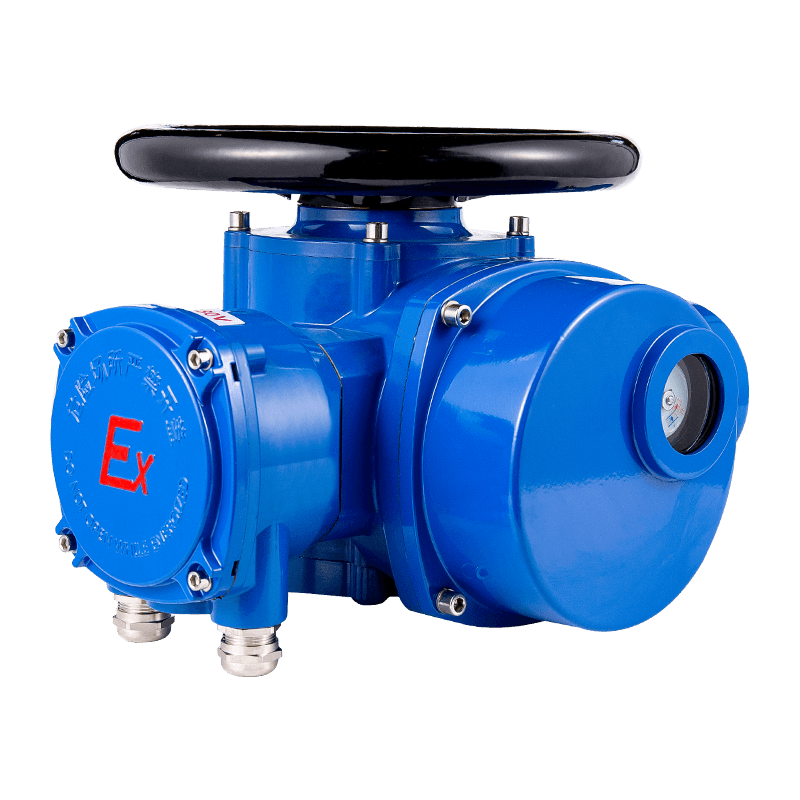
The AUKEMA rotary intelligent electric actuator has two control types: AK intelligent switch type and AKM intelligent ad...
See Details
 Search
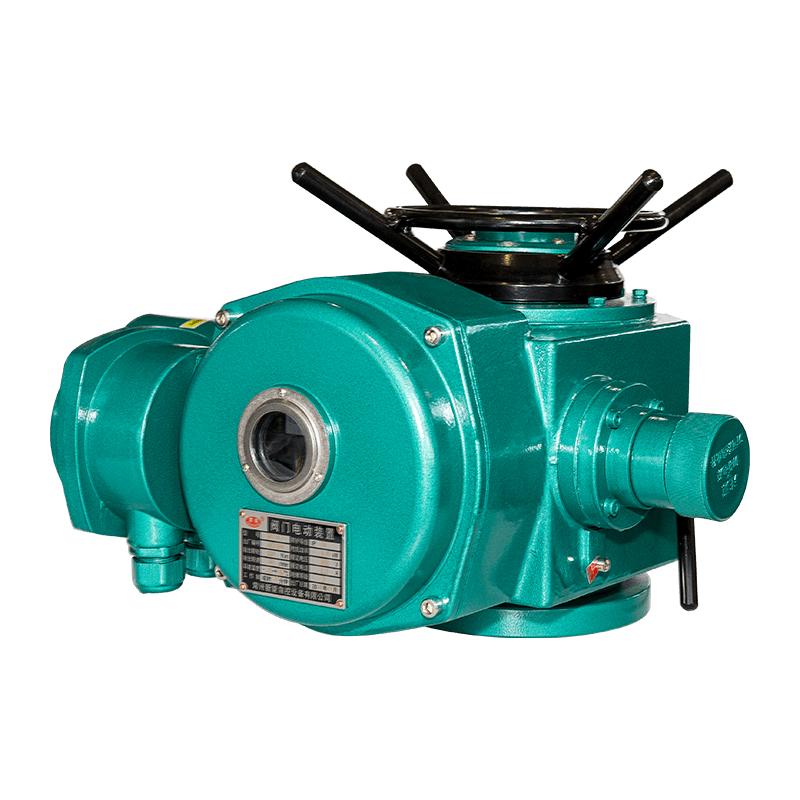
In modern industrial automation, selecting the right actuator type can determine whether a system runs with precision or fails under load. Electric Actuators have become the backbone of process control across oil and gas, water treatment, power generation, and manufacturing. Unlike pneumatic or hydraulic alternatives, electric actuators offer cleaner installation, programmable control, and tighter feedback integration. But not all electric actuators are the same — their mechanical output, motion type, and torque range vary significantly depending on the application.
This guide breaks down the three principal categories used in industrial settings: multi-turn, quarter-turn, and linear electric actuators. Each serves a distinct mechanical function, and understanding those differences is critical for engineers making procurement or design decisions.
An industrial electric actuator is a device that converts electrical energy into mechanical motion to operate valves, dampers, gates, or other flow-control components. The core mechanism typically involves an electric motor driving a gearbox, which then outputs the required torque or thrust. Integrated electronics handle position feedback, limit switching, and communication with control systems such as SCADA, DCS, or PLCs.
The shift toward electric actuation has accelerated for several reasons:
Industry estimates suggest electric actuators now account for over 35% of all new valve automation installations globally, with the share growing at roughly 6% annually as facilities pursue digital transformation programs.
Regardless of output motion type, industrial electric actuators share a common internal architecture:
| Component | Function | Common Technology |
|---|---|---|
| Electric Motor | Generates rotational energy | AC induction, DC brushless, stepper |
| Gearbox / Drive Train | Multiplies torque, reduces speed | Worm gear, spur gear, planetary gear |
| Position Sensor | Reports valve or stem position | Potentiometer, encoder, resolver |
| Control Electronics | Interprets signals, drives motor | PCB with microcontroller, H-bridge |
| Limit Switches | Defines end-of-travel boundaries | Mechanical cam, magnetic, optical |
| Manual Override | Allows hand operation during power loss | Handwheel with declutch mechanism |
| Enclosure | Protects internals from environment | Aluminum or stainless, IP67/IP68 rated |
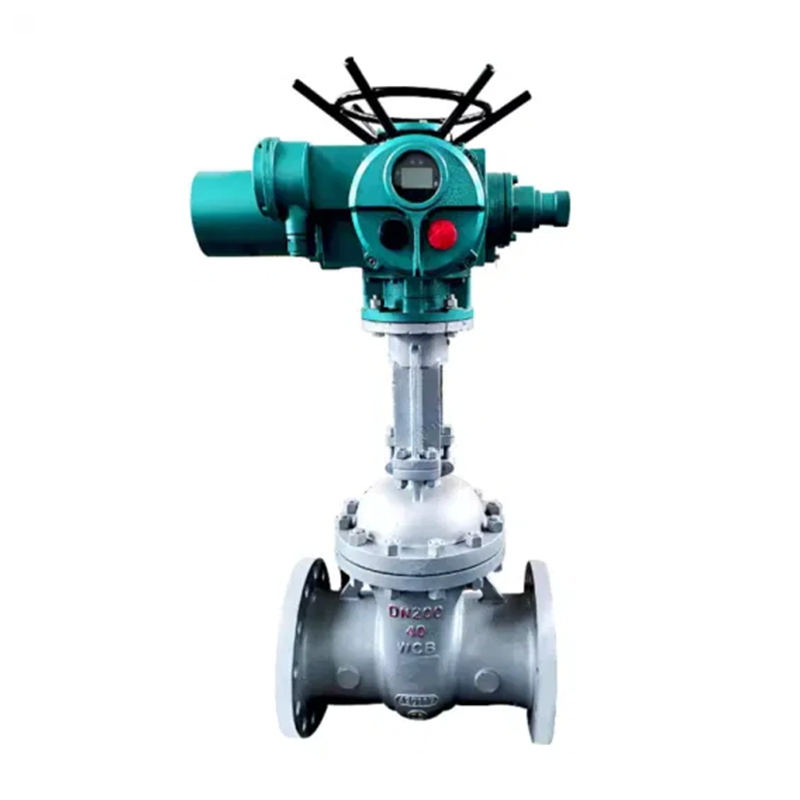
A Multi Turn Electric Actuator produces continuous rotational output requiring more than one full revolution to complete the valve stroke. This category is primarily used to operate gate valves, globe valves, sluice gates, and rising-stem ball valves where the stem must travel through many turns to reach the fully open or fully closed position.
The electric motor drives a worm gear or helical gear set that simultaneously reduces speed and multiplies torque. Output is typically delivered through a standardized stem nut or drive sleeve that engages the valve's rising or non-rising stem directly. Because the output shaft rotates continuously in one direction for opening and reverses for closing, precise position tracking is essential.
Multi-turn actuators are engineered for high-torque applications. Industrial units typically span the following ranges:
Motor operating time per stroke is directly related to gear ratio and motor speed, typically ranging from 15 seconds to several minutes depending on the required number of turns and selected output speed.
When specifying a multi-turn electric actuator for an industrial project, engineers must evaluate the following parameters against valve and process requirements:
| Parameter | Typical Range | Impact on Selection |
|---|---|---|
| Output Torque | 10 - 32,000 Nm | Must exceed valve breakaway torque with a safety factor |
| Number of Turns | 1.5 - 500+ turns | Determines gear ratio and stroke time |
| Supply Voltage | 110V, 220V, 380V, 480V AC | Must match site power infrastructure |
| Duty Cycle | 15 min, 30 min, S2/S4 | Determines permissible operating frequency |
| Enclosure Rating | IP65 to IP68 | Governs suitability for wash-down or submerged use |
| Communication Protocol | 4-20mA, HART, PROFIBUS | Must be compatible with existing control system |
Multi-turn actuators appear in virtually every sector of heavy industry. Recurring use cases include rising-stem gate valves on water mains, globe valves on steam control headers, sluice gates in wastewater treatment, and knife gate valves in mining slurry circuits. In each scenario, the ability to modulate flow at any point in the stem's travel — not just at the fully open or fully closed position — is a defining advantage over simpler on/off alternatives.
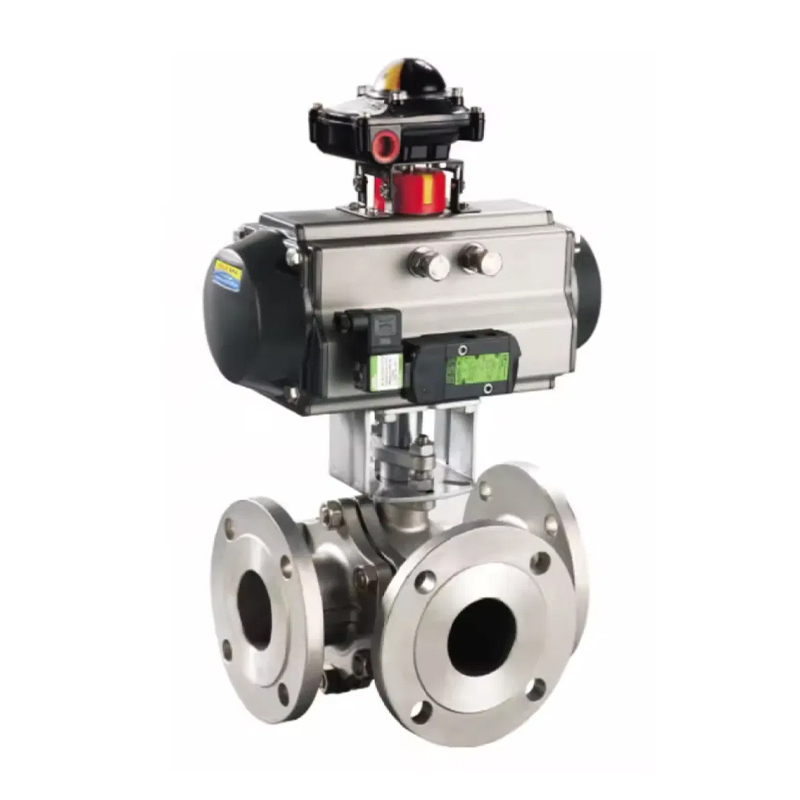
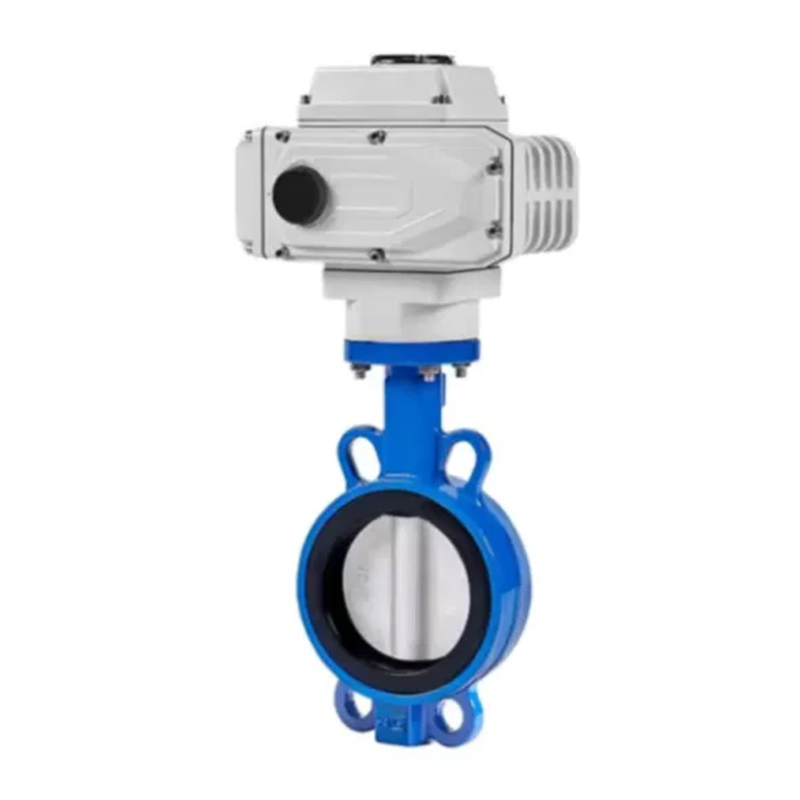
A Quarter Turn Electric Actuator delivers exactly 90 degrees of rotational output to open or close a valve. This category covers ball valves, butterfly valves, plug valves, and dampers — all of which shift from fully open to fully closed through a single quarter rotation of the shaft.
The motor drives a reduction gear train that outputs 90 degrees of rotation with high torque at low speed. The output coupling conforms to the ISO 5211 standard, which defines mounting flange dimensions and drive socket geometry. This standardization allows a single actuator model to mount across multiple valve manufacturers without custom adapters.
Quarter-turn actuators produce torque outputs calibrated to the resistive torque of the valve at its most demanding point in the stroke. For ball valves, that point is typically mid-stroke when the bore is at 45 degrees to flow and pressure differential is highest. Sizing conventions typically apply a safety factor of 1.25 to 1.5 over the rated valve torque.
Many quarter-turn applications require the valve to move to a defined position upon loss of power or control signal. This is achieved through two main mechanisms:
| Fail-Safe Mechanism | Operating Principle | Best Suited For |
|---|---|---|
| Spring Return | Charged spring drives valve on power loss | Safety shutoffs, fire protection lines |
| Battery Backup (ESD) | Onboard battery drives motor on signal loss | Emergency shutdown valves with stroke time control |
| Capacitor Return | Capacitor bank discharges to drive motor | Fast-acting isolation valves |
Spring-return designs add mechanical complexity and require periodic spring inspection, while battery and capacitor designs offer programmable fail positions including fail-in-place, which holds the valve at its last known position on signal loss.
Quarter-turn actuators come in two functional classes. On/off units simply drive the valve to either hard stop and are optimized for switching speed and endurance. Modulating units add proportional position control with a 4-20mA or 0-10V control input, enabling the valve to hold any angle between 0 and 90 degrees based on a process demand signal. Modulating actuators require higher-resolution position feedback and more sophisticated control electronics but deliver flow regulation capability essential in process throttling applications.
Where rotational output is impractical or where the valve design demands straight-line stem motion, a linear electric actuator (also called a liner electric actuator in industrial catalogs) provides the solution. These units convert motor rotation into axial thrust through a leadscrew, ball screw, or roller screw mechanism.
The screw type governs efficiency, load capacity, and service life:
Linear actuator capacity is defined by thrust force and stroke length, rather than torque and turns:
| Class | Thrust Output | Stroke Length | Typical Valve Type |
|---|---|---|---|
| Light Industrial | 0.5 kN - 5 kN | 25 - 150 mm | Control valves, small globe valves |
| Medium Industrial | 5 kN - 50 kN | 100 - 400 mm | Gate valves, diaphragm valves |
| Heavy Industrial | 50 kN - 200 kN | 300 - 1,000 mm | Large gate valves, knife gates, sluice gates |
Linear electric actuators compete directly with pneumatic cylinders for straight-line motion. Key performance differentiators include:
Linear actuators deployed in outdoor, marine, or chemically aggressive environments require specific ingress protection and material specifications. IP67 (temporary immersion) and IP68 (continuous submersion) are standard for subsea or floodable vault installations. For hazardous locations, ATEX Zone 1/Zone 2 or IECEx-certified units with flameproof or increased-safety motor enclosures are mandatory. Stainless steel external hardware and conformal-coated electronics extend service life in coastal and high-humidity environments.
Selecting between multi-turn, quarter-turn, and linear actuator types requires matching the actuator's output motion to the valve's mechanical requirements. The table below summarizes the most decision-critical differences:
| Criteria | Multi-Turn | Quarter-Turn | Linear |
|---|---|---|---|
| Output Motion | Multi-rotation (continuous) | 90-degree rotation | Axial (straight line) |
| Primary Valve Types | Gate, globe, sluice | Ball, butterfly, plug | Globe, gate, diaphragm, knife |
| Torque / Force Range | 10 - 32,000 Nm | 5 - 8,000 Nm | 0.5 - 200 kN thrust |
| Position Control | Modulating, on/off | Modulating, on/off | Modulating, on/off |
| Fail-Safe Options | Battery, capacitor | Spring, battery, capacitor | Spring, battery |
| Mounting Standard | ISO 5210 | ISO 5211 | EN ISO 15081, custom flanges |
| Installation Complexity | Medium | Low | Low to Medium |
All three actuator categories support both on/off switching and proportional modulation. However, the degree of control sophistication built into the unit varies widely. Entry-level on/off units use simple mechanical limit switches and a single control relay. Mid-range modulating units add analog position feedback with 4-20mA or 0-10V I/O. Advanced smart actuators incorporate a digital positioner with PID loop, fieldbus communication, partial stroke testing, and diagnostic data logging — all within the actuator enclosure.
For critical control loops where valve position accuracy impacts product quality or safety, smart modulating actuators with integrated diagnostics can reduce unplanned downtime by detecting seat wear, stem packing friction increases, and gear backlash trends before they cause process upsets.
Before mounting any electric actuator, the following verification steps reduce commissioning failures:
Incorrect limit switch calibration is the leading cause of actuator damage in the first year of service. The open and close limit switches must be set to stop motor power before the valve reaches its mechanical hard stop. For gate and globe valves, the close limit should cut motor power when the disc is firmly seated but before the motor torque exceeds the valve's maximum allowable seat load. For ball and butterfly valves, the 90-degree travel stop is set in the actuator's gear cam mechanism and should be verified with a degree indicator rather than by feel.
| Activity | Interval | Notes |
|---|---|---|
| Visual inspection of enclosure and cable entries | Monthly | Check for ingress, corrosion, loose glands |
| Manual override function test | Quarterly | Ensure declutch mechanism engages and disengages freely |
| Limit switch and torque switch verification | Every 6 months | Operate under load; confirm positions match DCS readback |
| Partial stroke test (for safety valves) | Monthly to quarterly | Validates actuator and valve movement without full cycle |
| Gearbox grease renewal | Every 3-5 years | Per manufacturer schedule; use specified grease grade |
| Battery replacement (if fitted) | Every 3-5 years | Capacity test first; replace proactively before failure |
Understanding the symptom-to-cause relationship allows maintenance teams to act before full failure occurs:
A multi-turn actuator rotates through many full revolutions to stroke the valve from open to closed, making it suited for gate valves and globe valves with rising or non-rising stems. A quarter-turn actuator delivers exactly 90 degrees of rotation, matching the open-to-closed travel of ball valves, butterfly valves, and plug valves. The two types share similar electronics and motor technology, but differ in gearbox design and output coupling standards.
Start with the valve manufacturer's published breakaway torque and running torque data at the maximum differential pressure the valve will see. Apply a safety factor of at least 1.25 to account for seat wear, temperature effects, and line pressure variation. For modulating applications, also consider mid-travel torque at the 45-degree position, which is typically the highest for ball valves. The selected actuator output torque must exceed this calculated requirement across the full operating temperature range.
In most cases, yes. The key requirements are that the stroke length and thrust force of the electric unit match or exceed the pneumatic cylinder's specifications, and that the rod end connection geometry is compatible with the valve's yoke and stem connector. Some pneumatic cylinders also include integrated positioners that must be replicated in the electric actuator's control electronics. Voltage and signal wiring infrastructure must be routed to the valve location, which may require additional conduit installation.
Modern industrial electric actuators support a wide range of protocols depending on the product tier. At the basic level, discrete wiring (open/close commands, open/closed feedback contacts) and analog 4-20mA position feedback are universal. Mid-range smart actuators add HART for overlay communication on the 4-20mA loop. Advanced units support PROFIBUS DP, Foundation Fieldbus, Modbus RTU/TCP, DeviceNet, and increasingly Ethernet-based protocols such as PROFINET and EtherNet/IP for integration with Industry 4.0 architectures.
For typical outdoor above-grade installations exposed to rain and hose-down cleaning, IP65 (dust-tight and water jet protected) is the minimum acceptable rating. In coastal environments or applications with potential flooding, IP67 (temporary immersion to 1 meter) or IP68 (continuous submersion) is recommended. The enclosure material matters as much as the IP rating: cast aluminum with epoxy coating suits most environments, while 316 stainless steel is specified for offshore, marine, and strong acid or alkali exposure conditions.
The required partial stroke test frequency depends on the Safety Integrity Level (SIL) target for the safety function and the actuator's proven-in-use failure rate data. In practice, most SIL 2 applications perform partial stroke tests every one to three months to maintain the required probability of failure on demand. The partial stroke test typically exercises the valve through 10 to 30 percent of its travel, enough to verify mechanical freedom of movement without disrupting process flow.
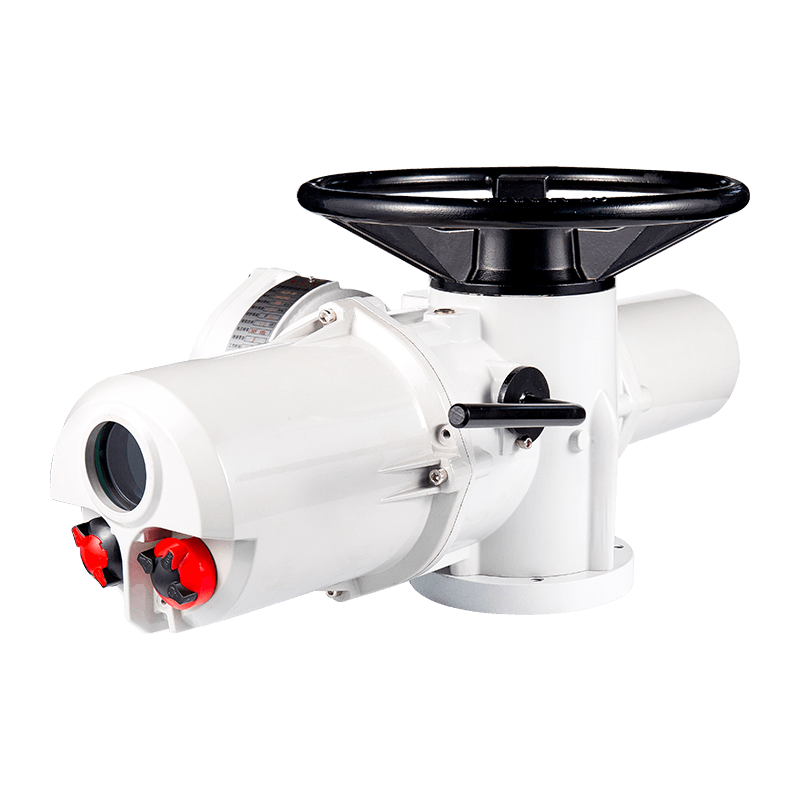
The AUKEMA rotary intelligent electric actuator has two control types: AK intelligent switch type and AKM intelligent ad...
See Details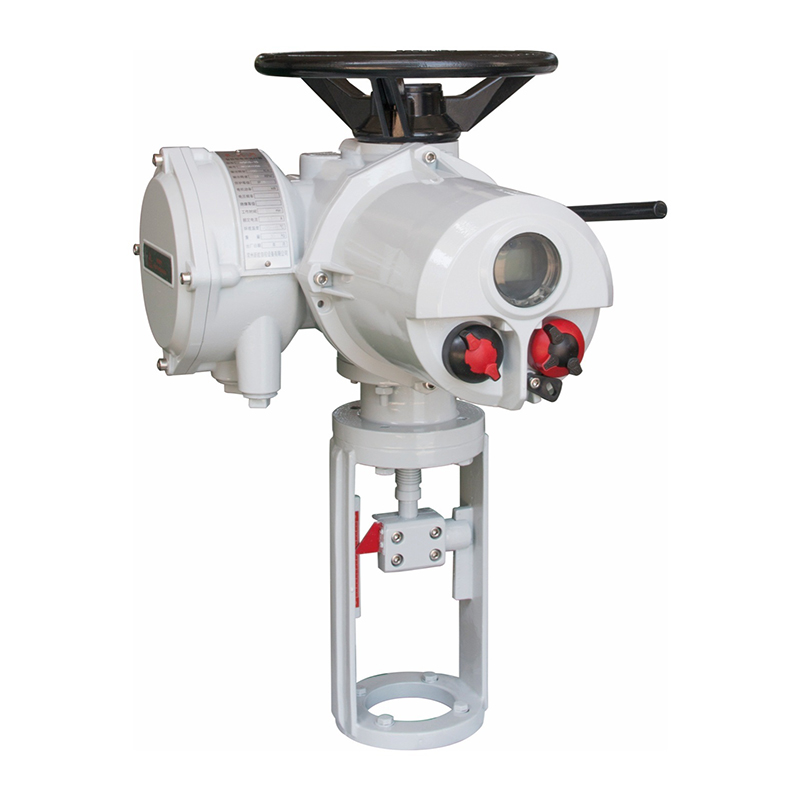
AKML linear stroke adjustable intelligent electric actuator, suitable for valves with linear thrust action, consists of ...
See Details

Copyright 2024 Changzhou Xinneng Automatic Control Equipment Co., Ltd All Rights Reserved.