
0086 15335008985


 русский
 Español
 Search
Home / News / Industry News / Pneumatic Piston Actuator Guide: How They Work, Types, and Selection Tips
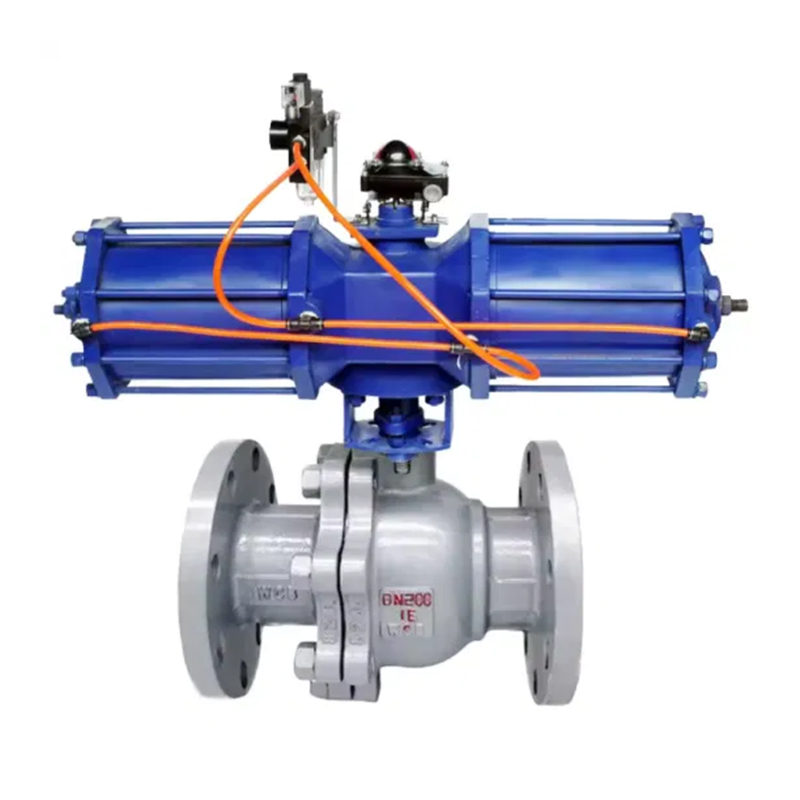
Pneumatic Piston Actuator Guide: How They Work, Types, and Selection Tips
When a process engineer reviews valve actuation options for a chemical plant or water treatment upgrade, the recurring question is which pneumatic mechanism delivers the steadiest torque output between the compressed air supply and the valve stem. The pneumatic piston actuator is the core component that answers this question.
What Is a Pneumatic Piston Actuator?
A pneumatic piston actuator is a mechanical device that converts compressed air energy into controlled linear or rotary motion. Unlike electric actuators that rely on a motor and gear train, a pneumatic actuator uses compressed air acting on a piston inside a cylinder. When a control signal is sent to a solenoid valve, compressed air enters one side of the cylinder, pushes the piston, and the resulting motion is transmitted through a shaft or a rack-and-pinion mechanism to operate a valve.
The pneumatic piston actuator is the most widely used type in industrial valve automation because it delivers high torque in a compact package, operates in a wide range of ambient temperatures, and is relatively easy to control. In a spring-return single-acting design, it also provides an inherent fail-safe function: when air pressure is lost, the spring returns the valve to a predefined safe position.
How Does a Pneumatic Piston Actuator Work?
The core operating principle relies on air pressure acting on the surfaces of a piston inside a cylinder. The total force produced is equal to the air pressure multiplied by the area of the piston. In a double-acting piston design, compressed air is alternately admitted to either side of the piston, producing linear motion in both directions.
In a rack-and-pinion actuator, two pistons are arranged in opposing positions inside a single body. When air enters the center chamber, the pistons move outward in opposite directions. The linear motion is converted into a 90-degree rotation of the output shaft through a pinion. When the air supply is switched to the outer chambers, the pistons move back toward the center and reverse the rotation. This opposed-piston design balances the force in the bore and delivers consistent torque at both ends of the valve stroke.
In a scotch-yoke actuator, a single large piston drives a sliding block, and the block engages a yoke connected to the output shaft. The torque output increases at the beginning and end of the stroke, which makes the scotch-yoke design especially suitable for valves that need high breakaway torque at the fully closed position.
The working principle of a pneumatic actuator is straightforward and well documented; you can explore the pneumatic actuator working principle for an expanded technical explanation.
| Feature | Rack-and-Pinion | Scotch-Yoke |
|---|---|---|
| Piston arrangement | Double opposing pistons | Single large piston |
| Torque output | Relatively constant through stroke | Higher at start and end of stroke |
| Cycle speed | Faster cycle time | Slower cycle time |
| Typical applications | Moderate-torque quarter-turn valves | Ball and butterfly valves with high breakaway torque |
Types of Pneumatic Piston Actuators
For industrial valve automation, the piston-type actuator is mainly divided into two families:
Rack-and-Pinion Pneumatic Actuators
Rack-and-pinion actuators use two pistons arranged in opposing positions. They are compact, fast-acting, and produce relatively uniform torque over the full 90-degree stroke. This type is widely used to automate ball valves, butterfly valves, and plug valves in process control systems.
The AKT series rack-and-pinion pneumatic actuator is a representative example of this category. It features an extruded aluminum body with hard-anodized pistons that reduce wear over millions of operating cycles. Its mounting dimensions are designed for direct assembly onto quarter-turn valves. For projects requiring a proven rack-and-pinion design, the AKT series rack-and-pinion pneumatic actuator is a practical choice.
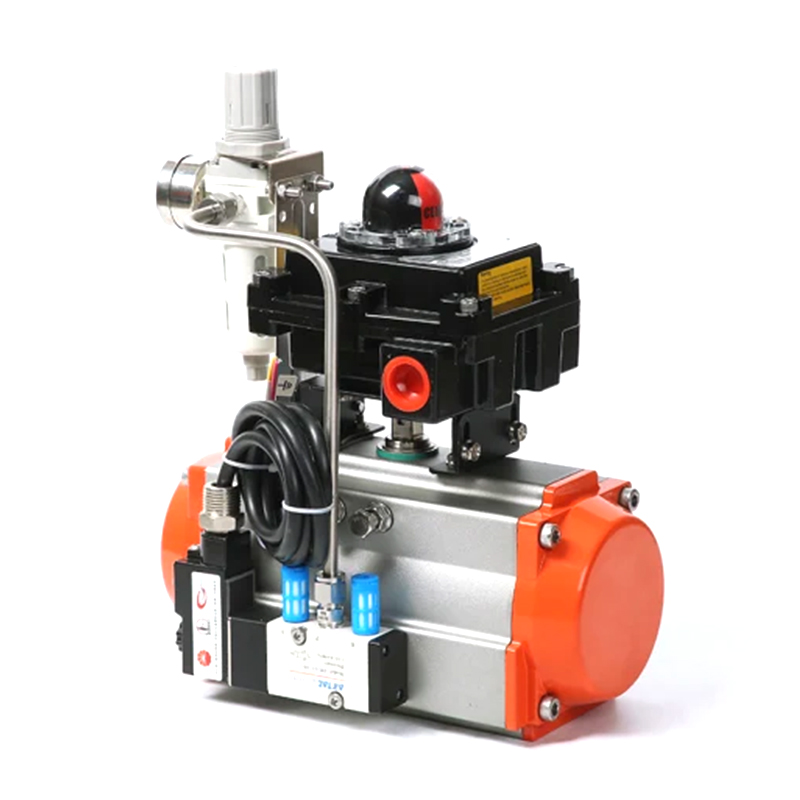 AKT Series Rack and Pinion Pneumatic Actuator for Quarter-Turn ValvesThis rack-and-pinion actuator features an extruded aluminum body and hard-anodized pistons for durable operation. It is designed for direct mounting on quarter-turn valves, making it a practical choice for automated flow control.View Product →
Scotch-Yoke Pneumatic Actuators
Scotch-yoke actuators use one or two pistons and a yoke mechanism to convert linear motion into rotary motion. This design provides torque amplification at the ends of the stroke, which suits valves that stick or need extra force to fully seat, such as a large high-pressure ball valve or a big-bore butterfly valve.
The AKW series scotch-yoke pneumatic actuator follows this design with a robust housing and a sliding yoke block. It is available in double-acting and spring-return versions and supports adjustable travel stops for precise end-position control. For heavy-duty valves with high breakaway torque, the AKW series scotch-yoke pneumatic actuator supplies extra force at the critical seating and unseating points.
 AKW Series Scotch Yoke Pneumatic Actuator for High Breakaway TorqueWith a scotch-yoke mechanism, this actuator delivers high torque at stroke ends, ideal for large ball or butterfly valves. Available in double-acting and spring-return versions with adjustable travel stops.View Product →
Key Factors in Selecting a Pneumatic Piston Actuator
Selecting a pneumatic actuator is not simply about matching the valve to an actuator catalog. Several factors affect long-term reliability and safety.
Torque Requirements
Calculate the operating torque of the valve at line pressure and temperature. Include a safety factor of 25 to 50 percent for friction and for the seating and unseating process. For quarter-turn valves, the breakaway torque at the fully closed position is often higher than the dynamic torque.
Single-Acting vs. Double-Acting
- Double-acting actuator: Air is applied to both sides of the piston, depending on the direction of movement. No spring is needed, which reduces cost and overall size. But if the air supply fails, the valve does not return to any specific position.
- Single-acting (spring-return) actuator: Air is admitted to one side of the piston, and a spring returns the valve when air is lost. This is the fail-safe choice for applications where blocking flow is safer than leaving the valve in the current state.
Environmental Conditions
Consider ambient temperature, humidity, dust, corrosive media, coastal salt fog, and explosion-proof requirements. Seal materials such as nitrile (NBR) and fluorocarbon (FKM) have different temperature ranges, and O-rings may harden and cause leakage in high-temperature environments. For harsh industrial environments, additional review of the actuator body coating and the solenoid valve is required. You can read more about how to choose pneumatic actuators for harsh industrial environments for practical guidance on this topic.
Cost of Ownership and Maintenance Access
A valve actuator is only as durable as its maintenance plan. Rack-and-pinion actuators can be serviced by replacing seals and O-rings. Selecting a design with a corrosion-resistant coating, accessible mounting bolts, and generous seal replacement intervals reduces downtime over the life cycle.
Engineering practice tip: For pneumatic actuator sizing, the torque safety factor should not be below 25%. When the process temperature exceeds 120°C, choose FKM seals and re-check the torque rating.
Industrial Applications of Pneumatic Piston Actuators
Pneumatic piston actuators are found in almost every fluid process industry. In coal mines, they operate explosion-proof gas butterfly valves and water-distribution valves for mine drainage. Because mine environments contain dust and explosive gas, the actuator needs to be combined with the appropriate flameproof control box or solenoid valve.
In water treatment plants, pneumatic actuators control oxygen and sludge valves in aeration tanks and are used in filter back-flush systems. Their speed and repeatability make them a natural choice when compressed air is available but motor power is not needed.
In natural gas and shipping systems, a scotch-yoke actuator provides the high breakaway torque needed to close a ball valve tightly. For automated gas pipelines or marine ball valve packages, a pneumatically actuated flange ball valve such as the Q641F pneumatic flange ball valve can be assembled directly with the actuator to form a complete valve unit.
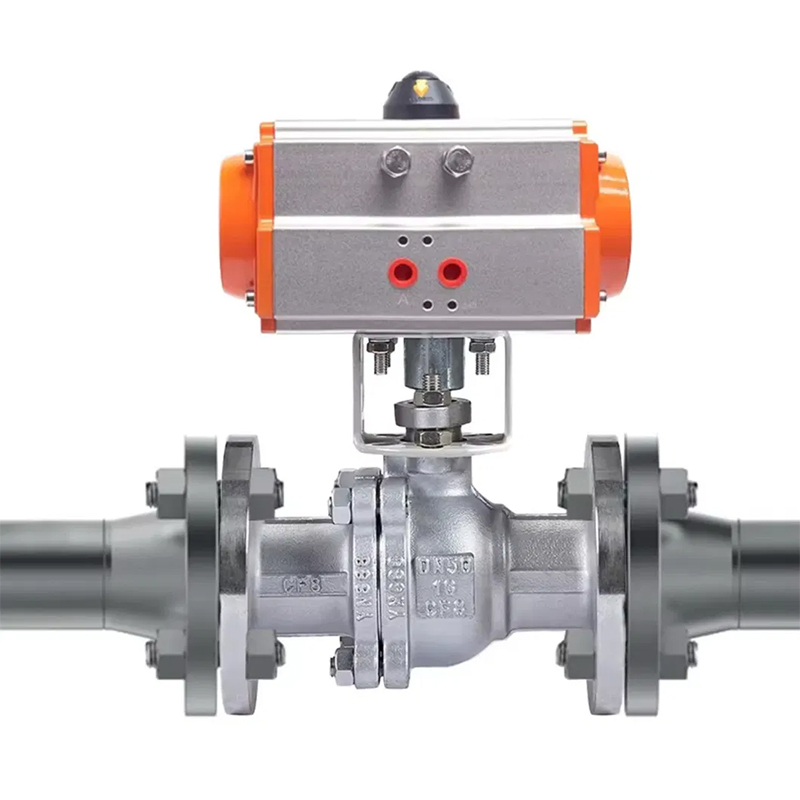 Q641F Pneumatic Flange Ball Valve with Actuator IntegrationThis flange ball valve offers a straight flow path and low resistance, suitable for water, gas, and other media. When paired with a scotch-yoke actuator, it provides tight shutoff for pipeline applications.View Product →
Maintenance and Common Failure Modes
Pneumatic piston actuators are reliable, but they still require routine maintenance. Common field issues include:
- Air leakage through O-rings or seals: Periodic seal replacement is required, and the seal material must match the process temperature.
- Sluggish operation due to dirty or wet air: Install a filter regulator to condition the air supply before it enters the actuator.
- Positioner drift caused by vibration: Check positioner mounting, air pressure stability, and the supply line dampening.
- Corrosion on the aluminum housing: In humid or salt spray environments, choose an anodized body with an additional protective coating.
Frequently Asked Questions
Q1: What is the difference between a pneumatic piston actuator and an electric actuator?
A pneumatic actuator uses compressed air as its power source, while an electric actuator uses a motor and gear box. The pneumatic design usually delivers faster speed and higher torque density in a smaller package, while an electric actuator provides precise position control and easier wiring. The choice depends on the available air supply, control philosophy, and safety requirements.
Q2: Is a pneumatic piston actuator double-acting or single-acting?
The same actuator housing can be manufactured as double-acting or spring-return single-acting. A double-acting actuator uses air in both directions and holds the valve in position when air pressure is present. A single-acting actuator uses springs to return the valve to a defined fail-safe position when air is removed.
Q3: Can a pneumatic piston actuator work in a coal mine environment?
Yes, but the actuator must be compatible with the surrounding atmosphere. For a coal mine, the actuator should be supplied with the correct explosion-proof solenoid valve or control unit. Mining-specific valve devices carry the required safety mark, and the user should verify the certification before use.
Q4: How often should a pneumatic piston actuator be maintained?
For a standard process environment, consider a visual inspection every six months and a full seal replacement every two to five years. In dirty, humid, or high-cycling service, shorten the interval.
Conclusion
Matching a pneumatic piston actuator to the air supply, valve, and fittings ultimately depends on torque, action type, environment, and maintenance strategy. Choosing a proven, serviceable design with materials selected for the site conditions is the first step toward reliable valve operation in an automated system.
Previous Post
Pneumatic Rotary Actuator Types, Sizing, and Selection for Valve Automation
Next Post
Small Pneumatic Actuator Selection Guide: Key Specs, Torque, and Sizing Tips
Related Products
-
-
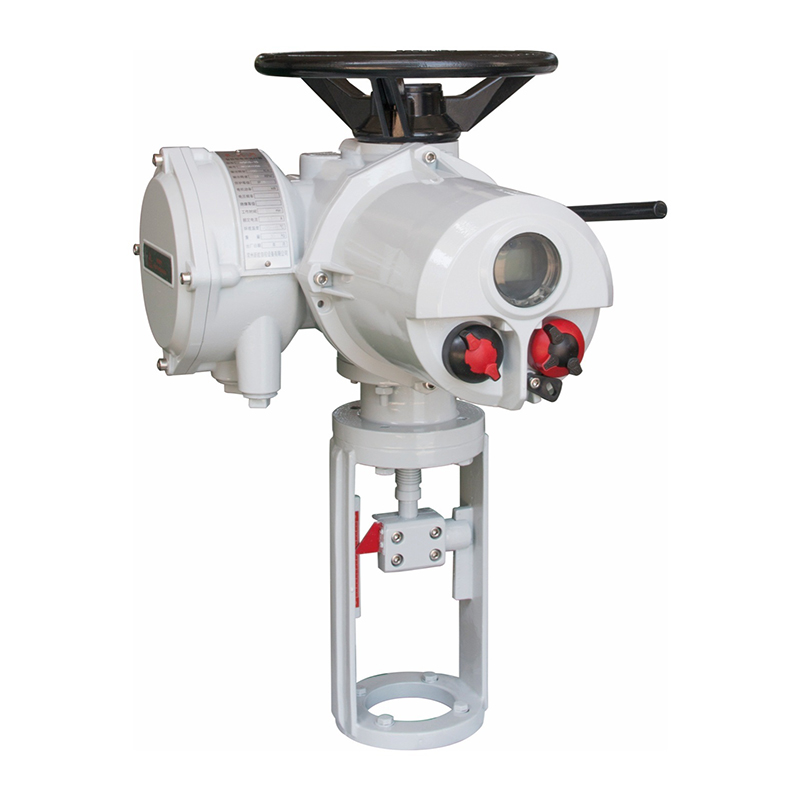
Cat:Liner Electric Actuator
AKML linear stroke adjustable intelligent electric actuator, suitable for valves with linear thrust action, consists of ...
See Details -
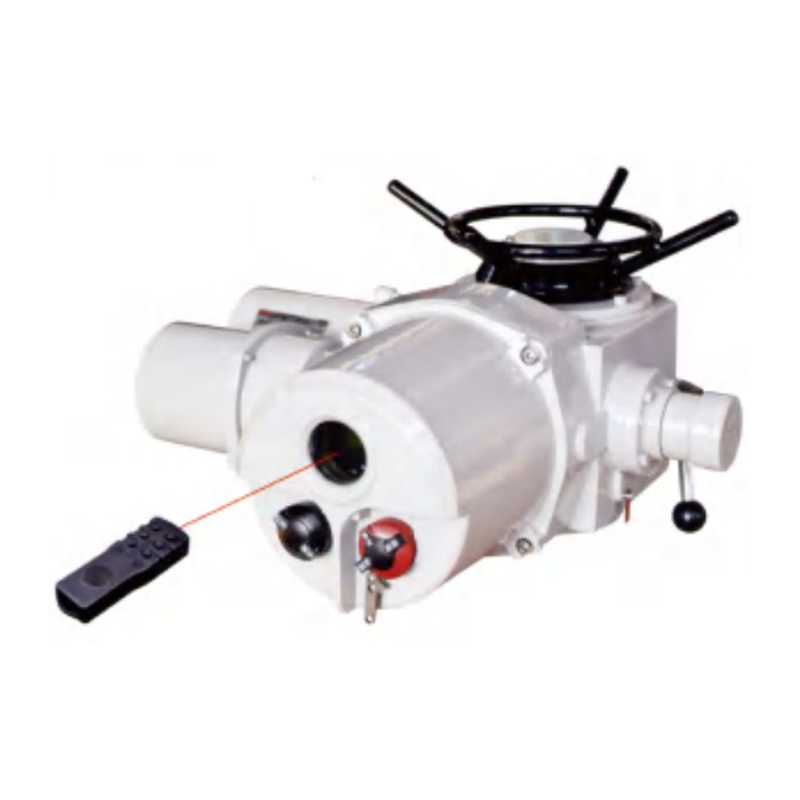
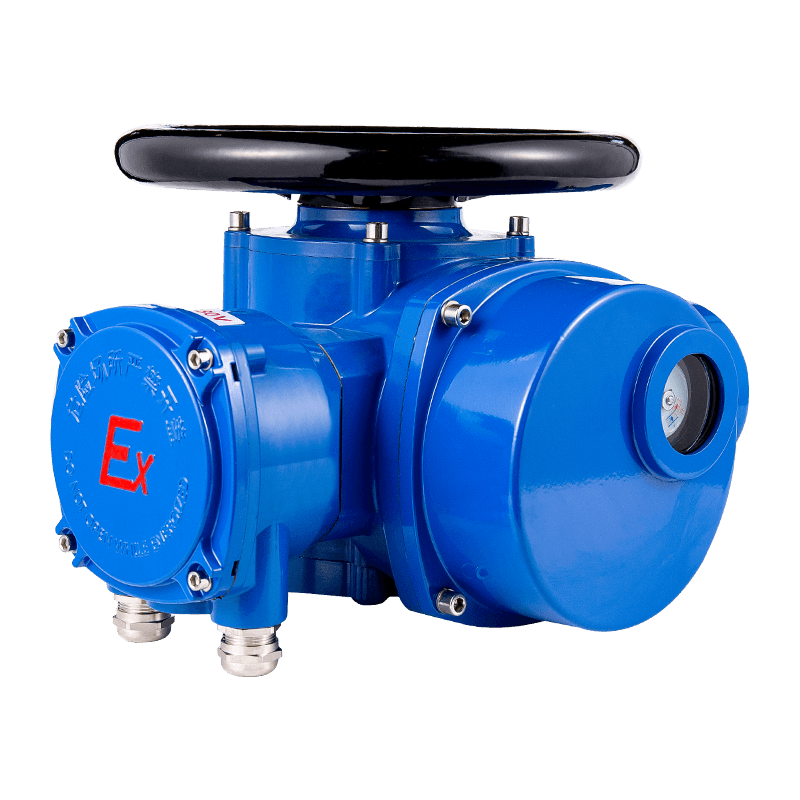
Cat:Multi Turn Electric Actuator
The CND-Z series is a multi turn intelligent non-invasive electric device that introduces the latest analog digital tech...
See Details
CONTACT US
Shape the Future of Product with Us!

QUICK LINKS
CONTACT INFORMATION
- ADDRESS: Laoli Industrial Park, Chaoyang Village, Hengshan Bridge Town, Wujin District, Changzhou City, Jiangsu Province, China
- TELEPHONE: 0086 15335008985
- EMAIL: [email protected]
MOBILE

Copyright 2024 Changzhou Xinneng Automatic Control Equipment Co., Ltd All Rights Reserved.
