0086 15335008985


 русский
 Español
Cat:Quarter Turn Electric Actuator
The QM series partial rotary valve electric device includes ordinary switch type, integral type, regulating type, intell...
See Details
 Search
A standard catalogue actuator that runs for years on a surface water line can be disqualified from underground service before it is ever powered up. Coal mines are hazardous locations by definition: methane can accumulate in return airways, coal dust is both abrasive and electrically conductive, and humidity, temperature swing, and vibration all sit at the harsh end of the industrial range. Electric actuators for coal mining therefore have to clear three hurdles at once: certified explosion protection, sealed enclosures against dust and moisture, and enough torque margin to move valves that may not have been cycled in months.
This guide explains how actuator technology maps to real mine systems, which certificates to verify before a purchase order is signed, and how to size a unit so it still closes the valve on the day it matters most.
Methane becomes explosive in air at concentrations between roughly 5 and 15 percent, and it collects in roof cavities, goaf areas, and return airflow routes. Electrical equipment in those zones must be designed so an internal fault cannot ignite the surrounding atmosphere. For valve actuators, that means a flameproof enclosure, sealed cable entries, and housing surface temperatures kept below the ignition thresholds of gas and coal dust. This is why mining units are built to defined temperature classes such as T4, rather than assembled as general-purpose machines with a bolted terminal box.
The mechanical environment compounds the electrical one. Actuators on dewatering lines face water hammer and flooded pump rooms, units near haulage roads endure continuous vibration, and a seized valve kilometres from the shaft is never a quick maintenance visit. Manual overrides, torque-limiting protection, and local controls inside the flameproof housing are therefore practical necessities, not premium options. For a wider view of how these control loops are evolving, see how modern actuation is transforming coal mine valve control systems.
Procurement teams should also map the certification landscape early. Explosion-proof product certification, the explosion-proof industrial production license, and the mining product safety mark form three separate layers of compliance, and each answers a different question: is the design safe, is the factory licensed to build it, and is the specific unit approved for underground coal use.
Choose the motion before the model. Nearly every valve duty underground falls into one of three actuator motions, and getting this decision right at the specification stage prevents most field problems later.
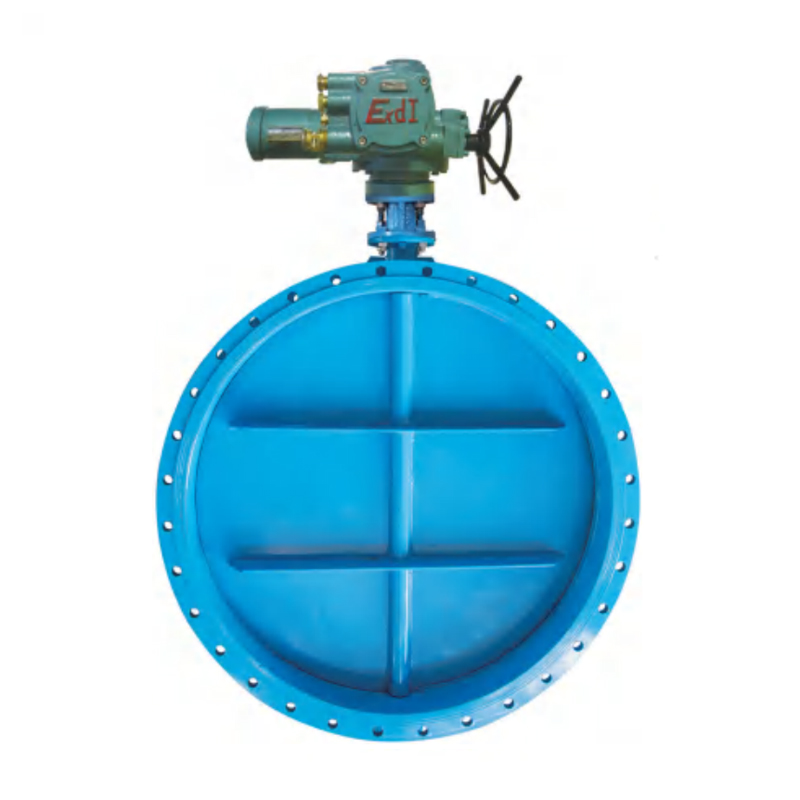
Butterfly and ball valves need 90 degrees of travel, which makes quarter-turn electric actuators the natural fit for gas drainage pipelines, ventilation ducts, and quick-isolation points. Their compact, high-torque output suits the large-diameter, low-friction character of a ventilation butterfly, while flameproof versions handle methane-carrying lines safely.
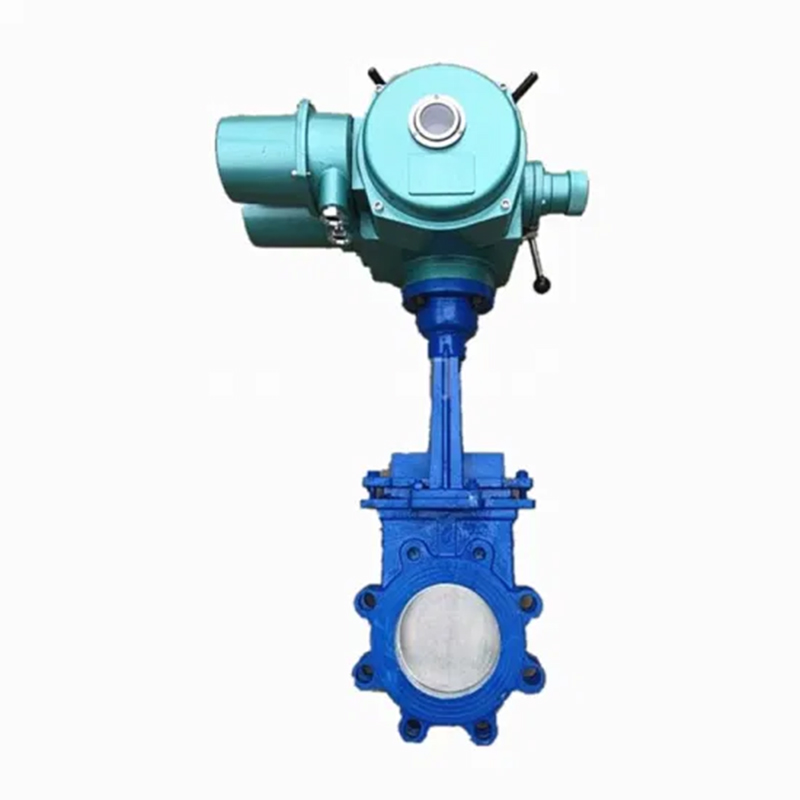
Gate valves on dewatering and water supply networks, globe valves on high-pressure circuits, and knife gates on slurry service all need multiple turns of stroke. Multi-turn electric devices supply the seated breakaway torque these valves demand and give the position resolution required for part-open control on distribution headers.
Where a dosing or pressure-reducing valve needs a push-pull stroke, a linear electric actuator converts rotary motion into direct thrust and holds position against process forces without extra linkage.
| Mine system | Typical valve | Actuator motion | Why it fits |
|---|---|---|---|
| Gas drainage pipelines | Explosion-proof butterfly valve | Quarter-turn | Fast 90-degree isolation in gas-carrying lines |
| Ventilation ducts | Ventilation butterfly valve | Quarter-turn | Large diameter with low seating torque |
| Dewatering and water supply | Gate valve, distribution valve | Multi-turn | High seating load and precise opening control |
| Slurry and backfill lines | Knife gate (slurry valve) | Multi-turn | Blade cuts through settled solids |
| Small-bore high-pressure lines | High-pressure electric valve | Multi-turn or linear | Compact body with high thrust output |
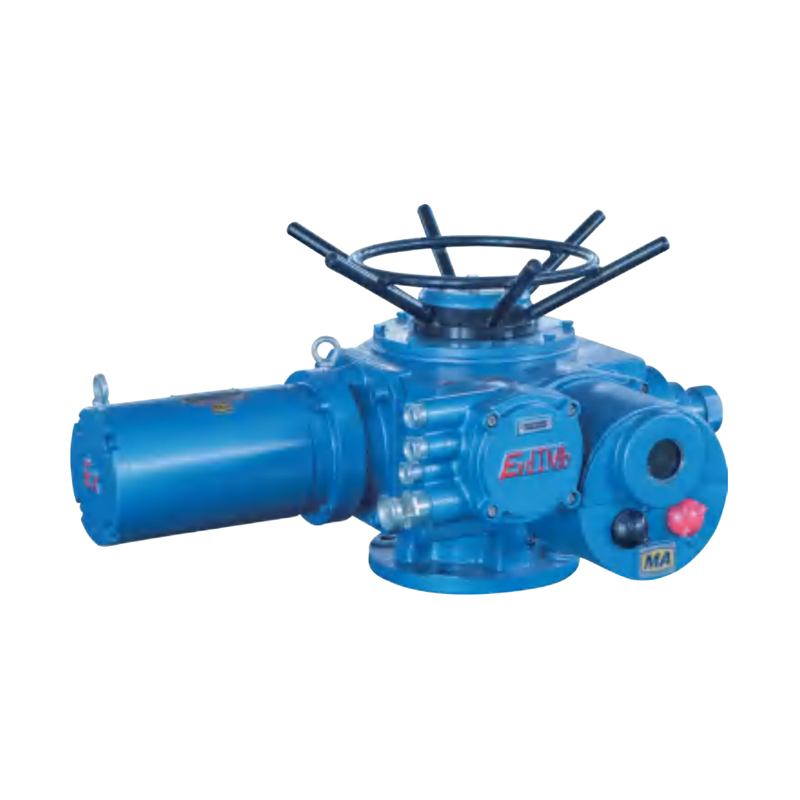
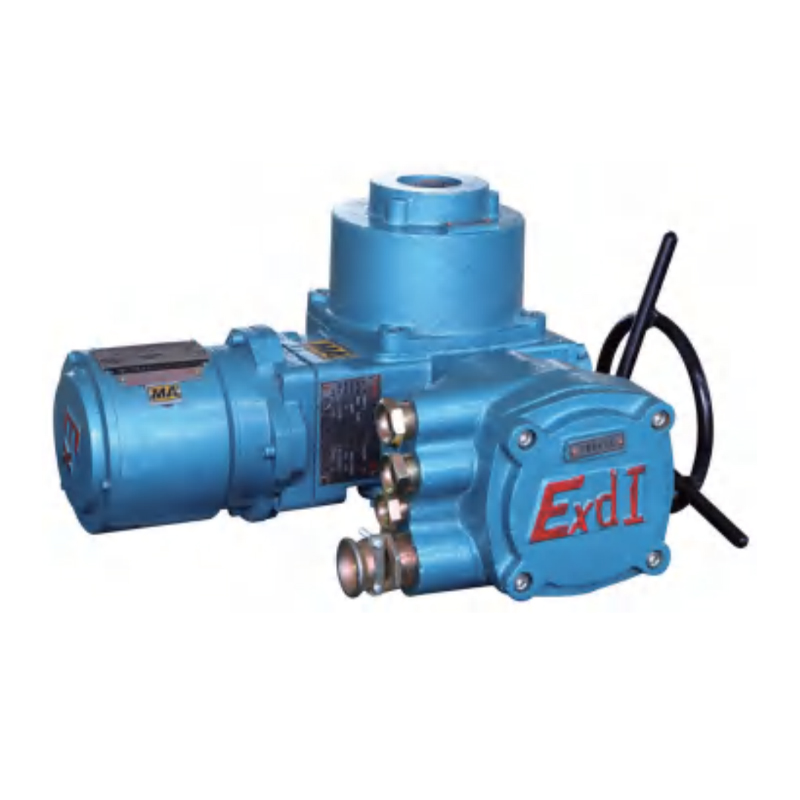
As a baseline reference, the QB series below was developed specifically as a flameproof valve electric device for mine duty:
QB Series Flameproof Valve Electric Device for Mine DutyA mining explosion-proof electric actuator with Exd I Mb marking for quarter-turn valves such as butterfly valves and dampers. It pairs with the KXBC control box for DCS-integrated automation, making it a relevant baseline reference when verifying explosion-proof procurement documents.View Product →Mining procurement projects often fail quietly at the document stage. A certificate issued for one frame size does not automatically cover its larger sibling, and a valid design approval says nothing about whether the factory is licensed to manufacture explosion-proof products at volume. Collect and cross-check five documents before issuing a purchase order:
A manufacturer that already holds this full stack shortens project approval considerably. AUKEMA (Changzhou Xinneng Automatic Control Equipment), for example, has held ISO 9001 certification since 2006 and supplies its mining series of actuators, control boxes, and valves under the MA mark with a supporting documentation package. For a structured vetting process, this guide to choosing actuator manufacturers that keep mining valves running works as a practical checklist.
Size for the valve as it will be after two years underground, not as it left the factory. Seat wear, sediment packing, and infrequent cycling all raise breakaway torque, so a common engineering practice is to specify 1.25 to 1.5 times the measured operating torque, and more for knife gates working in slurry.
Where single-unit simplicity is preferred, an integrated flameproof design such as the ZBY series keeps the control intelligence and the drive in one certified housing:
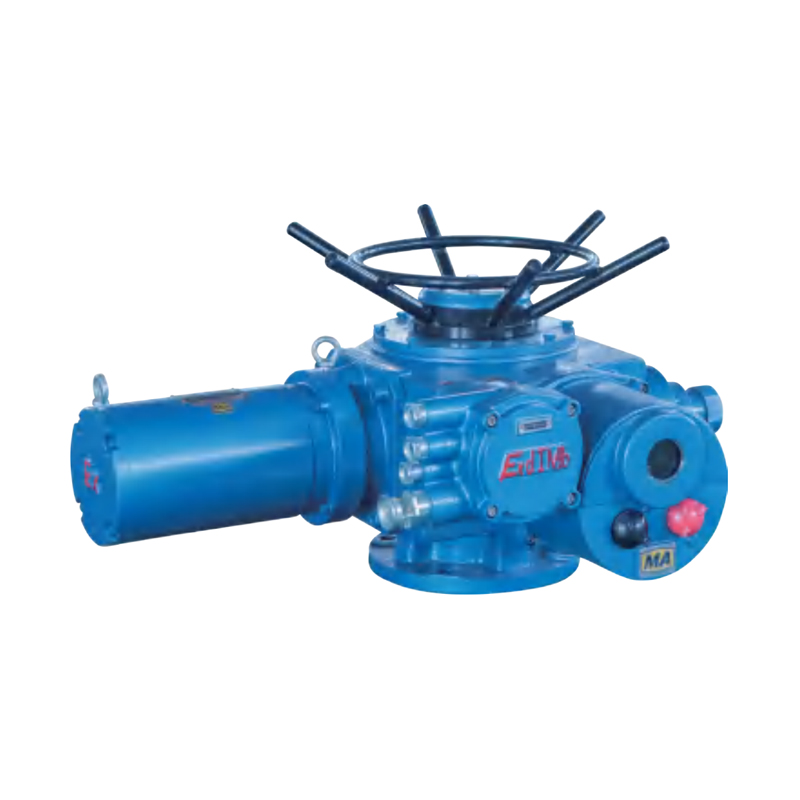 ZBY Series Integrated Explosion-Proof Valve Electric DeviceThis integrated unit combines an intelligent controller and drive in one Exd I Mb certified housing, supporting local, centralized, and remote control without a separate control box. It suits linear-motion valves like gate valves, simplifying installation for single-unit mine applications.View Product →
Most mining automation budgets concentrate on five duty areas:
Gas drainageVentilationDewateringSlurry and backfillFire water systems
On gas drainage systems, flameproof quarter-turn actuators drive dedicated explosion-proof gas butterfly valves so that operators above ground can isolate or route methane lines without sending a crew down. The control layer typically sits in a certified enclosure such as the KXBC series, which consolidates local operation, interlocking, and status indication for several valves at one station:
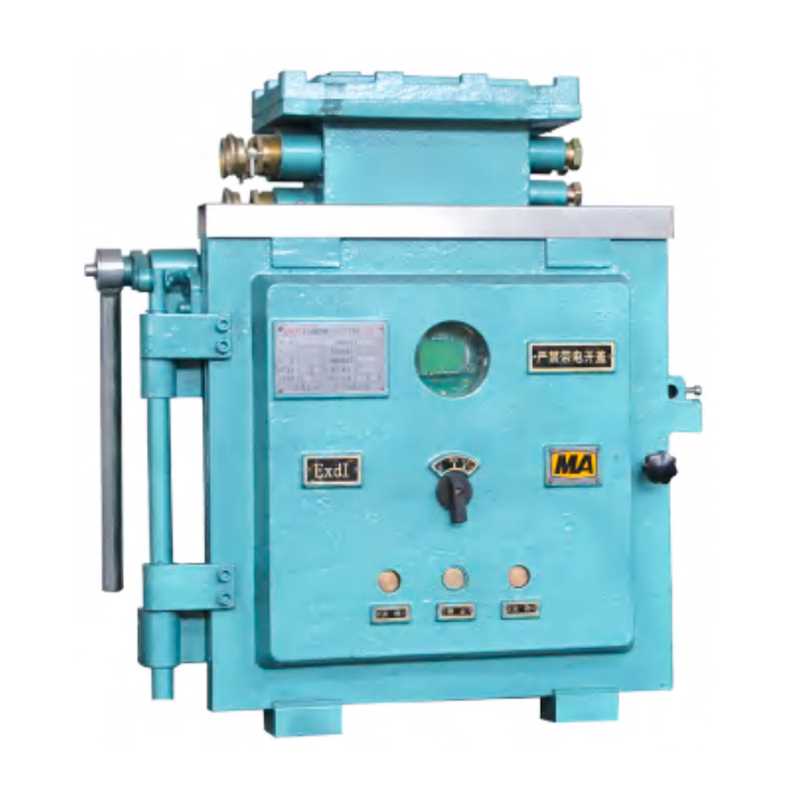 KXBC-1 Explosion-Proof Valve Control Box for Mining AutomationA matched control enclosure for mining explosion-proof valve actuators with DCS interface, multiple protection functions, remote/local switching, and interlocked status indicators. It consolidates operation and monitoring at one station for gas drainage, dewatering, and ventilation circuits.View Product →
Dewatering networks pair multi-turn actuators with gate valves and distribution valves so pump stages can be sequenced remotely during heavy water inflow. Slurry and backfill circuits use electric knife gates that cut through settled solids on every cycle, and ventilation regulators use quarter-turn units on large duct butterflies where frequent, low-torque adjustment is the norm.
Look for a flameproof enclosure certified for the mine gas group, a temperature class at least equal to T4, and the mining product safety mark for underground coal service. Product ranges are commonly grouped as BT4, CT4, and MA mining types, and the nameplate on the delivered unit must match the certificate for that exact model.
Intelligent and integrated versions can, provided the unit is rated for modulating duty and the positioning electronics accept the mine control system's signal standard. For valves that simply isolate, a basic on-off flameproof device is the more economical and equally compliant choice.
A baseline of 1.25 to 1.5 times the valve's measured torque covers most duties. Increase the margin for knife gates in slurry, gate valves that cycle rarely, and any line where scale or sediment accumulates. Wherever possible, measure breakaway torque on an aged valve rather than trusting catalogue figures.
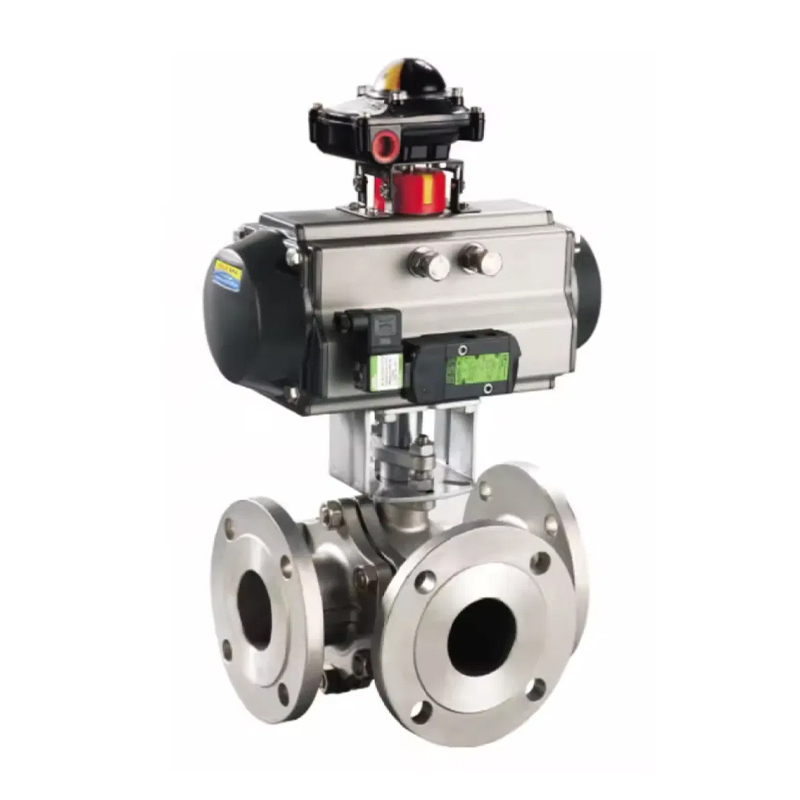
Pneumatic actuation wins where compressed-air mains already run past the valve and a spring-return failsafe is mandatory. Electric actuation wins where power distribution exists but air supply does not, and where precise positioning, position feedback, or integration with a surface control room is required. In both cases, certified explosion protection drives most of the enclosure cost, so compare total certified packages rather than bare units.
Certification first, motion second, torque margin third. Once those three are settled, the remaining specification work becomes straightforward:
That last point deserves emphasis. Mixing brands creates interface risk in torque matching, mounting dimensions, and signal levels, and underground there is no convenient window to fix it. Manufacturers that build the actuator, the control box, and the valve themselves, as AUKEMA does across its coal-mine series supplied to large mining groups, remove those interfaces before the equipment ever reaches the shaft bottom.
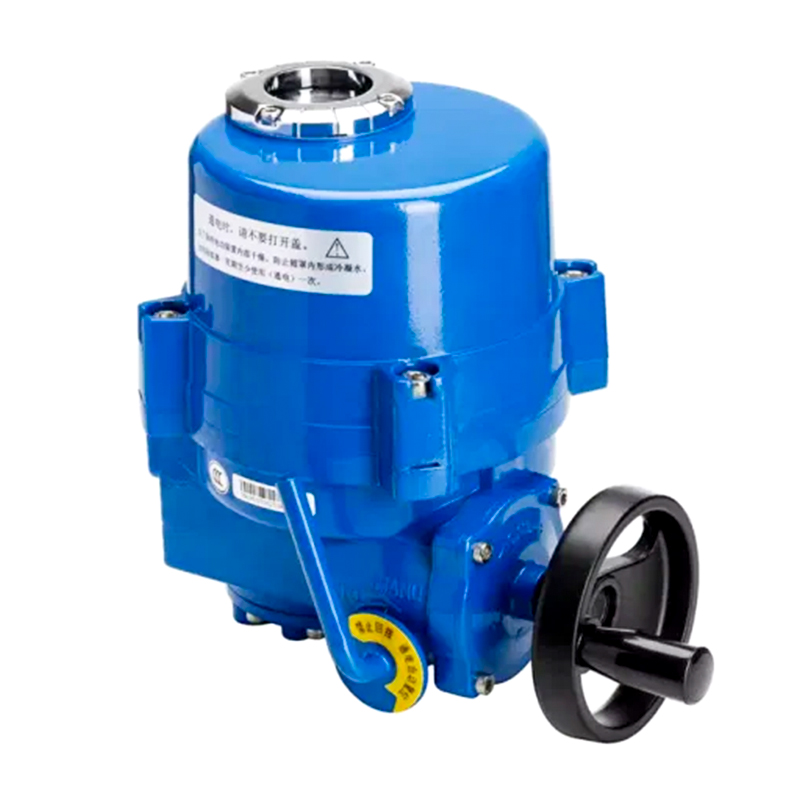
The QM series partial rotary valve electric device includes ordinary switch type, integral type, regulating type, intell...
See Details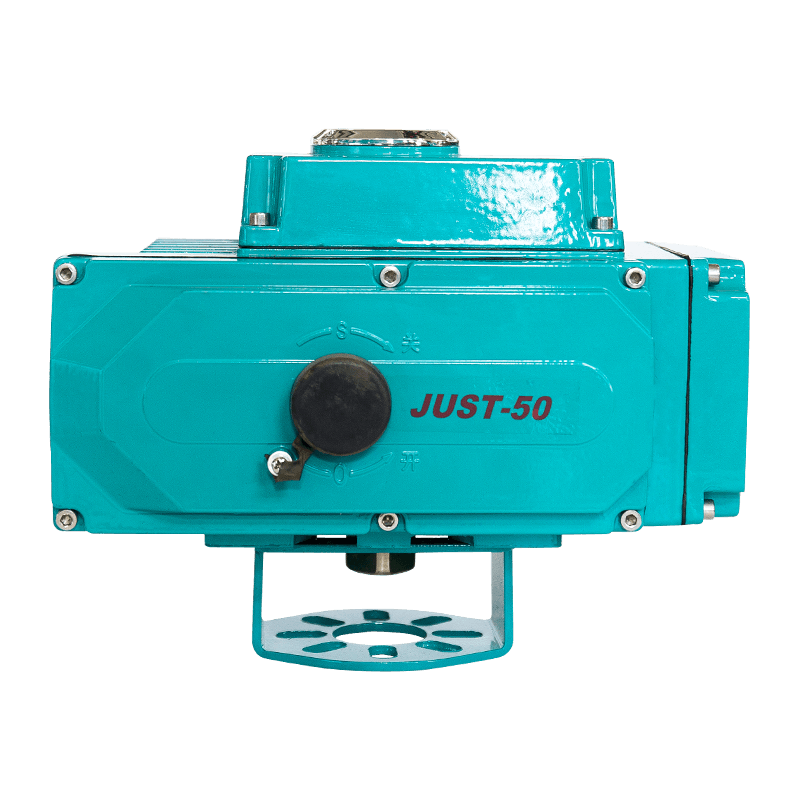
Compared with similar products, the QC series valve electric actuator has desirable performance and undeniable advantage...
See Details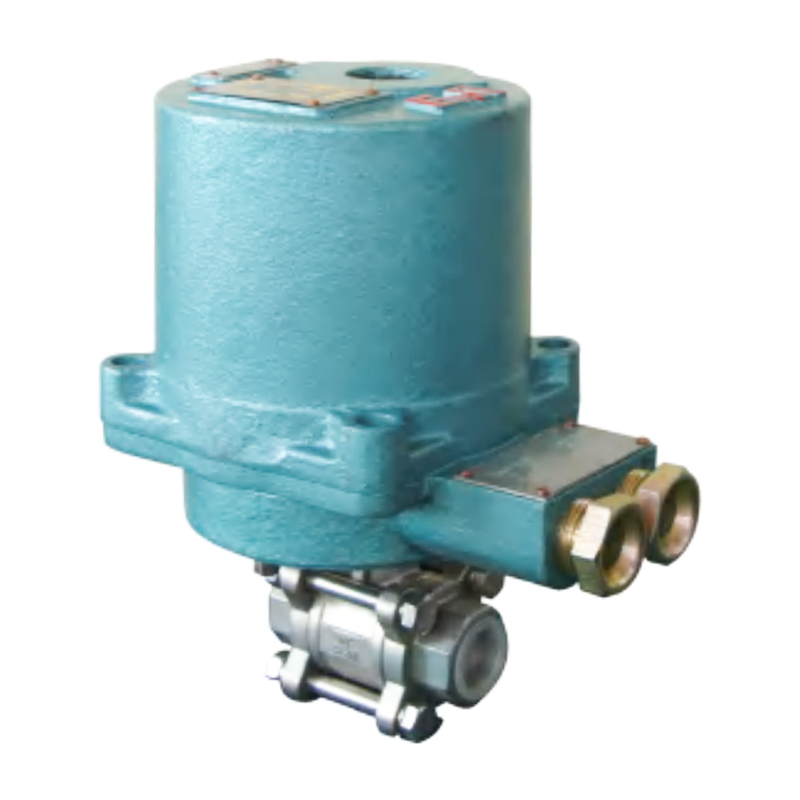
The MGQ Small Caliber High-Pressure Electric Valve is an integrated electromechanical valve engineered specifically for...
See Details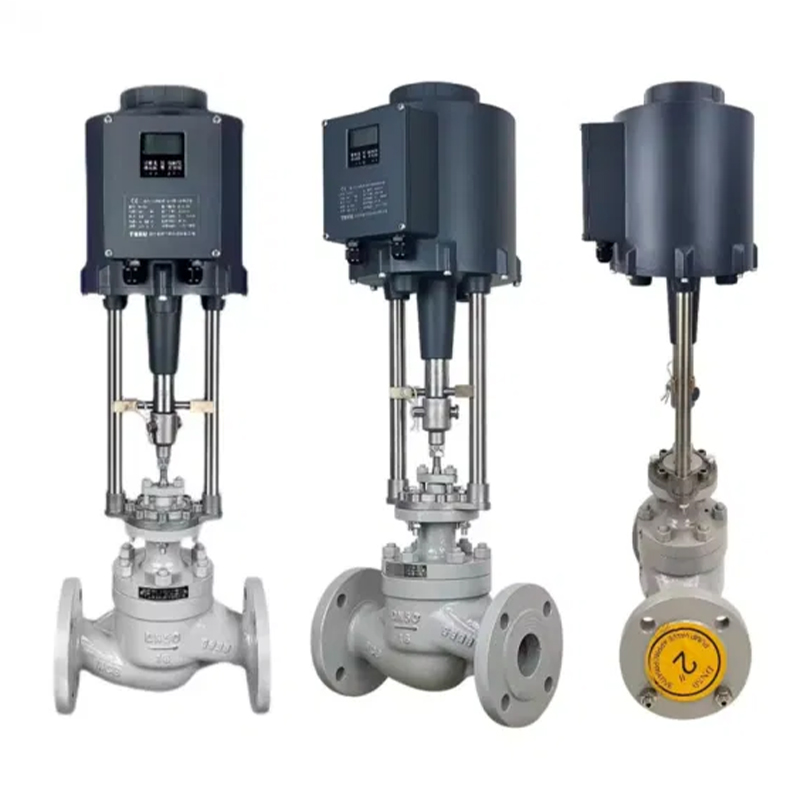
Mainly used in the industrial field, equipped with the new Keyou A8 intelligent valve actuator control system, it has po...
See Details

Copyright 2024 Changzhou Xinneng Automatic Control Equipment Co., Ltd All Rights Reserved.