
0086 15335008985


 русский
 Español
 Search
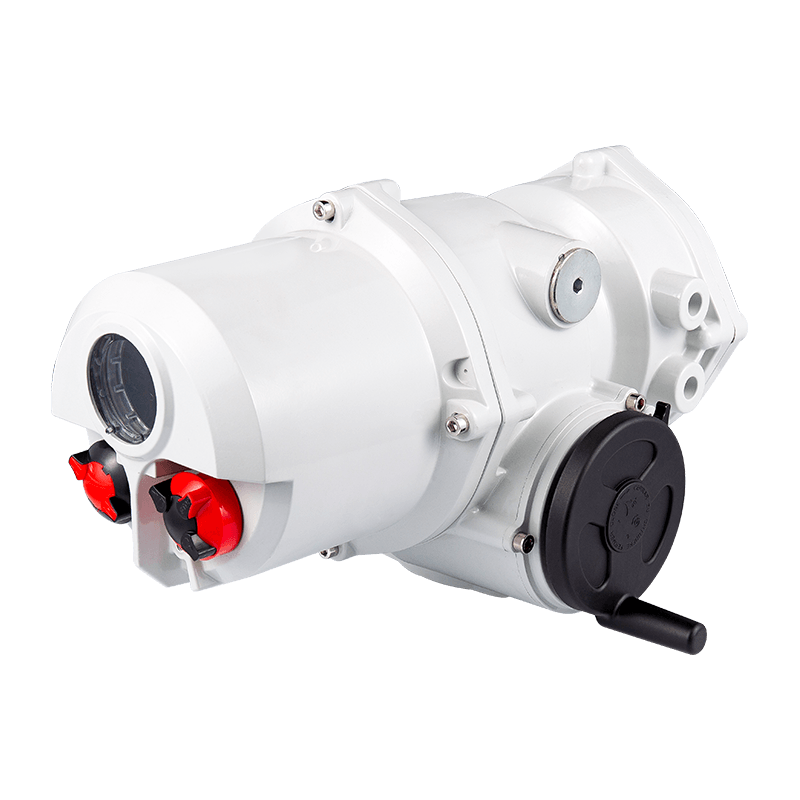
Fail-Safe Electric Actuators for Quarter-Turn Valves
Understanding Fail-Safe Electric Actuators for Quarter-Turn Valves
In modern industrial automation, the demand for reliable valve control systems has never been higher. Quarter turn electric actuator systems equipped with fail-safe mechanisms represent a critical advancement in process safety and operational continuity. These specialized devices ensure that quarter-turn valves—such as ball valves, butterfly valves, and plug valves—return to a predetermined safe position during power failures or emergency conditions.
The integration of fail-safe functionality into electric actuators addresses one of the most significant challenges in industrial automation: maintaining process integrity when external power sources are compromised. Unlike standard electric actuators that remain in their last position during power loss, fail-safe actuators incorporate energy storage systems or spring-return mechanisms that automatically drive the valve to a safe state, protecting personnel, equipment, and the environment from potential hazards.
Core Design Principles of Fail-Safe Systems
Energy Storage Mechanisms
Fail-safe electric actuators employ two primary energy storage approaches to ensure reliable operation during power interruptions. The first method utilizes internal battery systems that maintain sufficient charge to complete the fail-safe action when main power is lost. These battery-backed systems typically provide enough energy for one to three complete stroke cycles, ensuring the valve reaches its designated safety position even during extended outages.
The second approach involves spring-return mechanisms that store mechanical energy during normal operation. When power fails, pre-tensioned springs release their stored energy to drive the valve to the safe position. Spring-return systems offer the advantage of instantaneous response without dependency on battery charge levels, making them particularly suitable for applications requiring immediate safety action. The typical spring-return time ranges from 3 to 15 seconds depending on valve size and torque requirements.
Intelligent Position Monitoring
Modern fail-safe actuators incorporate sophisticated position feedback systems that continuously monitor valve status. Hall effect sensors and absolute encoders provide real-time position data with accuracy levels reaching ±0.5% of full stroke. This precision ensures that the fail-safe action terminates exactly at the intended safety position, preventing over-travel that could damage valve seats or under-travel that might compromise process isolation.
The monitoring systems also track actuator health parameters including motor temperature, torque consumption patterns, and battery charge status. Predictive algorithms analyze these parameters to alert maintenance personnel of potential issues before they impact fail-safe functionality, enabling proactive maintenance scheduling and reducing unplanned downtime.
Safety Standards and Certification Requirements
Fail-safe electric actuators for quarter-turn valves must comply with stringent international safety standards to ensure reliable performance in critical applications. The IEC 61508 standard for functional safety of electrical systems provides the foundation for actuator safety integrity level (SIL) certification. Actuators achieving SIL 2 or SIL 3 ratings demonstrate quantifiable reliability metrics with failure rates below specified thresholds for dangerous undetected failures.
| Safety Integrity Level | Risk Reduction Factor | Availability | Typical Applications |
| SIL 1 | 10 to 100 | 90% to 99% | General industrial processes |
| SIL 2 | 100 to 1,000 | 99% to 99.9% | Chemical processing, power generation |
| SIL 3 | 1,000 to 10,000 | 99.9% to 99.99% | Offshore platforms, nuclear facilities |
Explosion-proof certifications such as ATEX and IECEx are mandatory for actuators deployed in hazardous environments where flammable gases or dust may be present. These certifications verify that actuator enclosures can contain internal explosions and prevent ignition of surrounding atmospheres. Temperature classifications range from T1 (450°C) to T6 (85°C), with actuators selected based on the auto-ignition temperature of present hazardous materials.
Torque Specifications and Sizing Considerations
Proper sizing of fail-safe electric actuators requires comprehensive analysis of valve torque characteristics and safety margin requirements. Quarter-turn valves exhibit dynamic torque profiles that vary throughout the rotation cycle, with peak torque typically occurring at the unseating and seating positions. Actuator selection must account for these peak values plus additional safety factors to ensure reliable operation under all process conditions.
Breakaway and Running Torque Analysis
Breakaway torque—the force required to initiate valve movement from a closed position—often exceeds running torque by 30% to 50% due to static friction and media adhesion effects. For fail-safe applications, actuator sizing must prioritize breakaway torque capability to ensure the safety action can initiate even after extended periods of valve inactivity. Industry best practices recommend applying a minimum 25% safety factor above the calculated maximum valve torque to accommodate process variations and valve degradation over time.
Fail-Safe Torque Delivery Methods
Battery-powered fail-safe systems must deliver sufficient torque throughout the entire stroke, with battery voltage monitoring ensuring adequate power reserves. Spring-return systems provide torque curves that typically decrease as the spring extends, requiring careful matching to valve torque requirements. Progressive spring designs and multi-spring configurations help maintain more consistent torque output across the rotation range, improving reliability for high-torque quarter-turn valves.
Integration with Process Control Systems
Fail-safe electric actuators must seamlessly integrate with distributed control systems (DCS) and safety instrumented systems (SIS) to provide comprehensive process protection. Communication protocols including HART, Profibus PA, Foundation Fieldbus, and Ethernet/IP enable bidirectional data exchange between actuators and control systems. These digital interfaces transmit not only position commands and feedback but also diagnostic information that supports predictive maintenance strategies.
Partial Stroke Testing Capabilities
Advanced fail-safe actuators support partial stroke testing (PST) functionality that validates actuator and valve operability without disrupting the process. PST routines move the valve through a limited portion of its travel—typically 10% to 20% of full stroke—while monitoring torque signatures and position response. This testing capability satisfies safety system proof-test requirements while maintaining process continuity, reducing the need for full shutdowns to verify safety function availability.
Emergency Shutdown Integration
In safety instrumented functions, fail-safe actuators respond to hardwired emergency shutdown (ESD) signals that override all other control commands. ESD signal response times typically range from 100 to 500 milliseconds, with the actuator initiating fail-safe action immediately upon signal detection. Hardwired ESD inputs bypass digital communication pathways, ensuring safety action execution even during communication system failures or cyber security events.
Environmental Protection and Enclosure Ratings
Fail-safe electric actuators operate in diverse environmental conditions requiring appropriate enclosure protection. Ingress protection (IP) ratings define actuator resistance to dust and moisture penetration, with common industrial specifications including:
- IP65: Dust-tight construction with protection against water jets from any direction
- IP66: Enhanced water protection against powerful water jets
- IP67: Temporary immersion protection up to 1 meter depth
- IP68: Continuous submersion protection under specified conditions
NEMA enclosure types provide additional specifications for North American applications, with NEMA 4X offering corrosion-resistant construction suitable for harsh chemical environments. Temperature operating ranges for standard actuators typically span -20°C to +60°C, with extended temperature variants available for arctic or desert installations. Heater and thermostat systems prevent condensation accumulation within enclosures, protecting electronic components from moisture damage.
Maintenance Strategies for Long-Term Reliability
Maintaining fail-safe functionality requires systematic maintenance programs that address both mechanical and electrical components. Battery-backed systems demand periodic capacity testing and replacement schedules, with typical battery service life ranging from 3 to 5 years depending on operating temperature and cycle frequency. Battery monitoring systems provide advance warning of degraded capacity, enabling planned replacement before fail-safe capability is compromised.
Spring System Inspection Protocols
Spring-return mechanisms require visual inspection of spring integrity and lubrication condition. Spring fatigue testing verifies that stored energy remains within design specifications after extended service. Lubrication maintenance follows manufacturer specifications regarding grease type and reapplication intervals, with high-cycle applications requiring more frequent service. Torque verification testing confirms that spring systems continue delivering required fail-safe forces throughout their service life.
Diagnostic and Condition Monitoring
Modern actuators generate extensive diagnostic data that enables condition-based maintenance strategies. Key monitoring parameters include:
- Motor current draw patterns indicating mechanical resistance changes
- Torque signature analysis for valve condition assessment
- Cycle count accumulation for wear component life tracking
- Temperature monitoring for thermal protection and lubrication condition
- Vibration analysis for bearing and gear condition evaluation
Remote monitoring capabilities enable centralized tracking of actuator fleets across multiple facilities, optimizing maintenance resource allocation and identifying systemic issues that may affect multiple installations.
Application-Specific Considerations
Oil and Gas Production Facilities
Upstream oil and gas applications subject actuators to severe environmental stress including extreme temperatures, corrosive atmospheres, and vibration from compression equipment. Fail-safe actuators in these environments require robust construction with stainless steel or epoxy-coated aluminum enclosures. Emergency shutdown valves on wellheads and production manifolds must achieve SIL 3 ratings with response times under 10 seconds to prevent uncontrolled hydrocarbon release.
Power Generation Plants
Thermal power plants utilize fail-safe actuators for critical isolation valves in steam systems, feedwater circuits, and cooling water networks. High-temperature variants withstand ambient temperatures exceeding 70°C in turbine hall environments. Steam valve applications require actuators capable of operating against high differential pressures during emergency isolation events, with torque ratings frequently exceeding 10,000 Nm for large-bore isolation valves.
Water Treatment and Distribution
Municipal water systems employ fail-safe actuators for isolation and control of treatment process valves. Potable water applications require actuators with NSF/ANSI 61 certification for materials safety. Flood protection systems utilize battery-backed fail-safe actuators that maintain isolation capability during power outages coinciding with storm events. Remote monitoring integration enables centralized control of distributed valve networks across extensive pipeline infrastructure.
Selection Guidelines for Optimal Performance
Specifying fail-safe electric actuators requires systematic evaluation of application requirements across multiple dimensions. The selection process should address:
- Valve torque requirements including breakaway, running, and seating values
- Fail-safe direction specification (fail-close or fail-open) based on process safety analysis
- Power supply characteristics including voltage, frequency, and backup requirements
- Environmental conditions including temperature range, humidity, and hazardous area classification
- Control system integration requirements for communication protocols and signal types
- Safety integrity level requirements based on process hazard analysis
- Speed of response requirements for emergency shutdown applications
Engaging with experienced application engineers during the specification phase ensures that all critical parameters receive appropriate consideration. Factory acceptance testing validates actuator performance against specified requirements before field installation, reducing commissioning time and ensuring immediate operational readiness.
Frequently Asked Questions
Q1: What is the difference between a standard electric actuator and a fail-safe electric actuator?
A standard electric actuator remains in its last position when power is lost, while a fail-safe actuator automatically drives the valve to a predetermined safety position using stored energy from batteries or springs.
Q2: How long do batteries typically last in battery-backed fail-safe actuators?
Batteries in fail-safe actuators generally last 3 to 5 years depending on operating temperature and cycle frequency. Most systems include battery monitoring that alerts operators when replacement is needed.
Q3: Can fail-safe actuators be used with any type of quarter-turn valve?
Fail-safe actuators can be applied to ball valves, butterfly valves, plug valves, and damper drives provided the actuator torque rating exceeds the valve requirements including appropriate safety factors.
Q4: What SIL rating is required for fail-safe actuators in chemical processing?
Chemical processing applications typically require SIL 2 rated actuators, though specific requirements depend on process hazard analysis. Critical applications involving toxic materials may require SIL 3 certification.
Q5: How fast do fail-safe actuators respond during emergency conditions?
Response times vary by actuator size and type, with typical fail-safe stroke completion ranging from 3 to 15 seconds for spring-return systems. Emergency shutdown signal detection occurs within 100 to 500 milliseconds.
Q6: Are fail-safe actuators suitable for underwater or submerged applications?
Yes, actuators with IP68 ratings are available for continuous submersion applications. These specialized units feature sealed enclosures and corrosion-resistant materials suitable for flood protection and marine installations.
Q7: What maintenance is required for spring-return fail-safe actuators?
Spring-return actuators require periodic visual inspection of spring condition, lubrication maintenance according to manufacturer schedules, and torque verification testing to confirm continued fail-safe capability.
Previous Post
What are the four types of linear actuators?
Next Post
Pneumatic Actuators: How They Work & Key Applications
Related Products
-
-
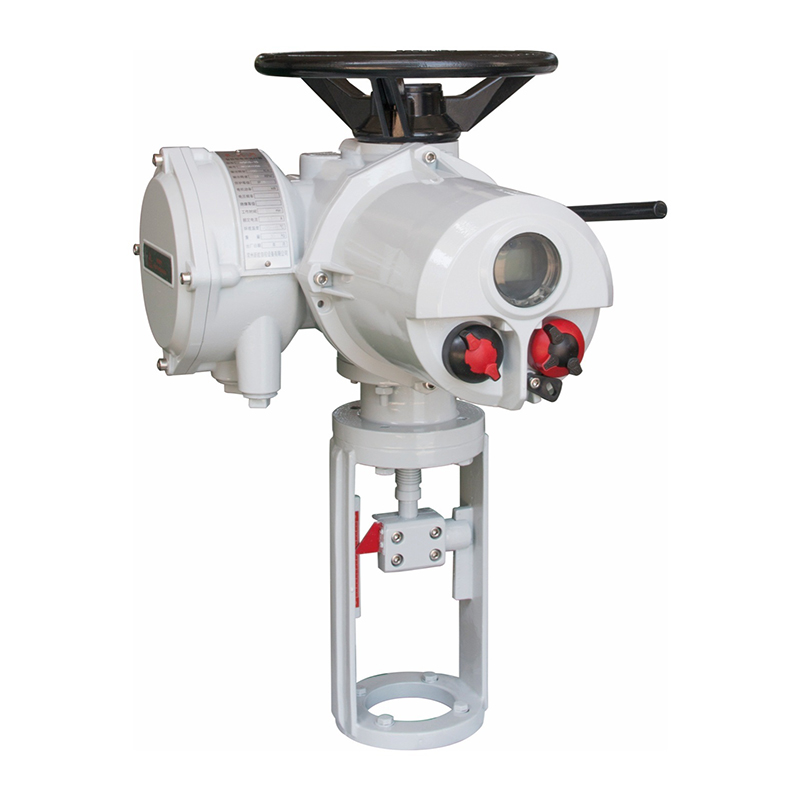
Cat:Liner Electric Actuator
AKML linear stroke adjustable intelligent electric actuator, suitable for valves with linear thrust action, consists of ...
See Details
CONTACT US
Shape the Future of Product with Us!

QUICK LINKS
CONTACT INFORMATION
- ADDRESS: Laoli Industrial Park, Chaoyang Village, Hengshan Bridge Town, Wujin District, Changzhou City, Jiangsu Province, China
- TELEPHONE: 0086 15335008985
- EMAIL: [email protected]
MOBILE

Copyright 2024 Changzhou Xinneng Automatic Control Equipment Co., Ltd All Rights Reserved.
