
0086 15335008985


 русский
 Español
 Search
Home / News / Industry News / How to Choose Actuator Manufacturers That Keep Mining Valves Running Under Pressure
How to Choose Actuator Manufacturers That Keep Mining Valves Running Under Pressure
The Real Cost of Actuator Downtime in Mining Operations
An unplanned valve failure underground rarely stays a small problem for long. A single stuck actuator on a ventilation or slurry line can halt a section of a mine for hours, and in coal operations that delay often triggers a full safety review before work resumes. Procurement teams that treat actuator sourcing as a commodity decision tend to discover the real cost only after installation, when response times, seal life, or explosion-proof ratings fall short of what the site actually needs.
This guide breaks down what separates a dependable actuator supplier from one that simply meets a spec sheet on paper, with a focus on the equipment categories most relevant to mining and heavy industrial plants.
Underground Duty
Explosion-proof housings and corrosion-resistant coatings are non-negotiable for coal mine service.
Response Speed
Emergency shutoff valves typically need full-stroke actuation in a few seconds, not minutes.
Duty Cycle
Continuous process lines demand actuators rated for thousands of cycles without seal degradation.
Electric and Pneumatic Actuators: Matching Technology to Application
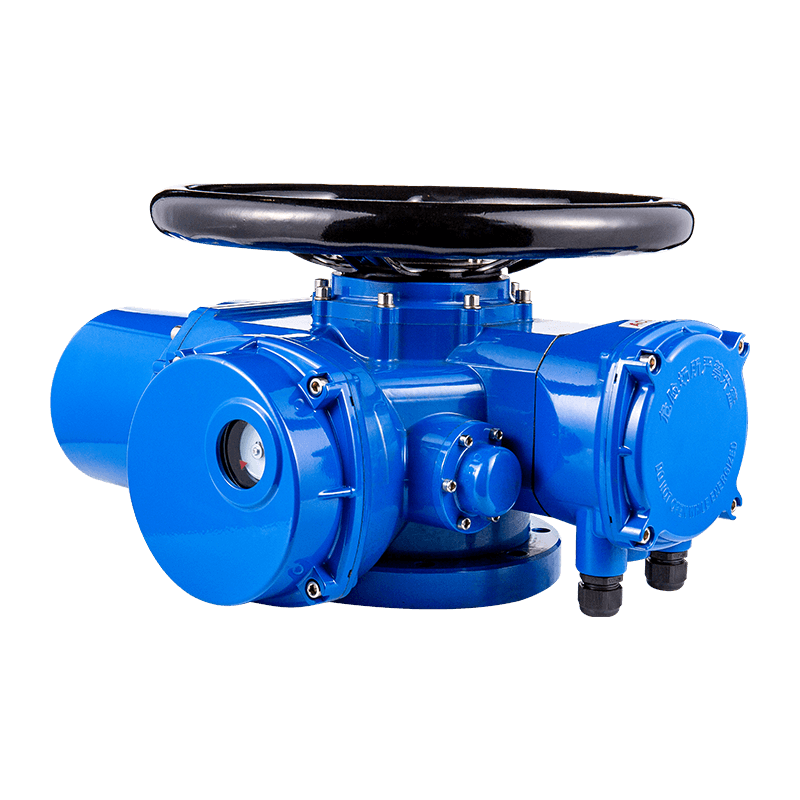
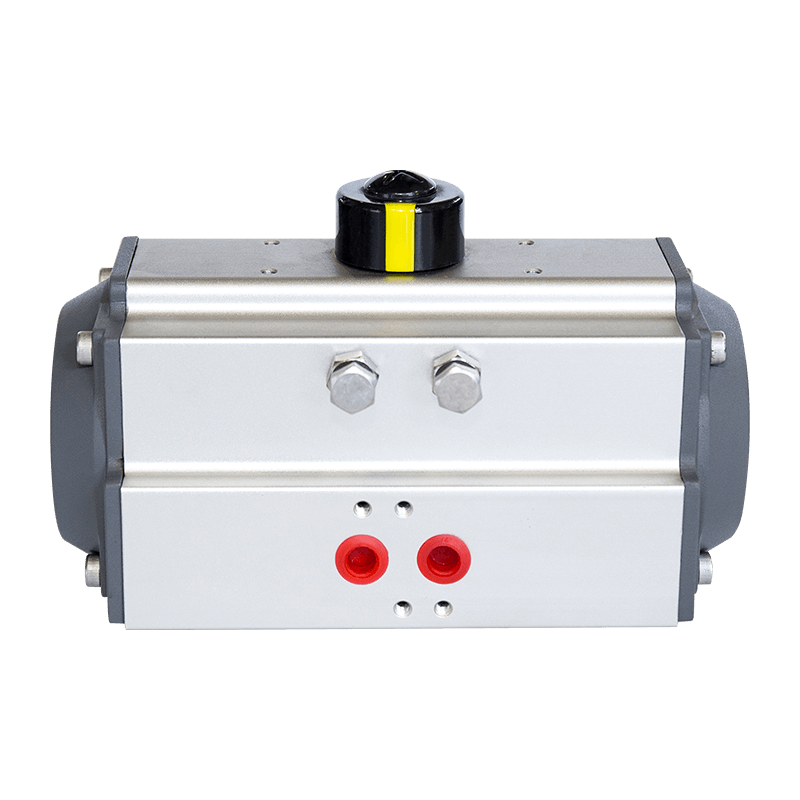
Most industrial control loops rely on either electric actuators or pneumatic actuators, and the choice between them shapes everything from wiring budgets to response time.
| Criteria | Electric Actuators | Pneumatic Actuators |
|---|---|---|
| Power Source | AC or DC electrical supply | Compressed air network |
| Response Time | Moderate, precise positioning | Fast, ideal for on-off duty |
| Best Fit Environment | Sites with stable power, need for modulating control | Sites with existing air supply, hazardous zones |
| Maintenance Pattern | Scheduled electrical and gearbox checks | Seal and diaphragm inspection cycles |
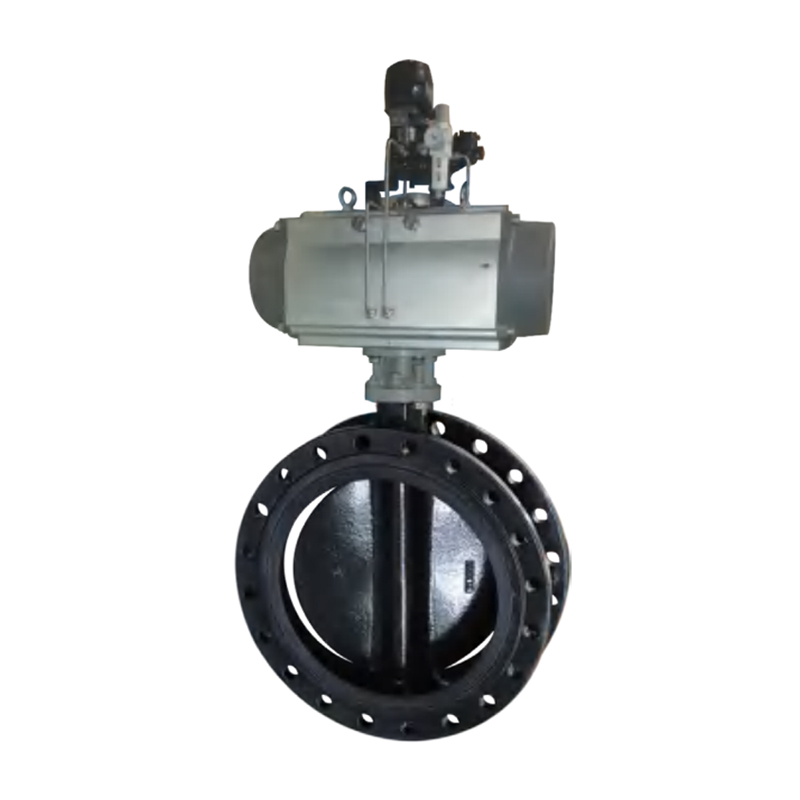
Neither category is universally superior. A processing plant with reliable instrument air and a need for rapid emergency shutoff usually leans pneumatic, while a remote site without a compressor room often standardizes on electric drives for simplicity of installation.
Coal Mine Valves and Electric Actuators for Underground Conditions
Underground coal environments combine methane risk, high humidity, and constant vibration, which is why coal mine valves and their matching actuators are engineered to a different baseline than surface equipment. A Coal Mine Electric Actuator intended for this duty typically carries explosion-proof certification, sealed terminal boxes, and manual override handles for power-loss scenarios.
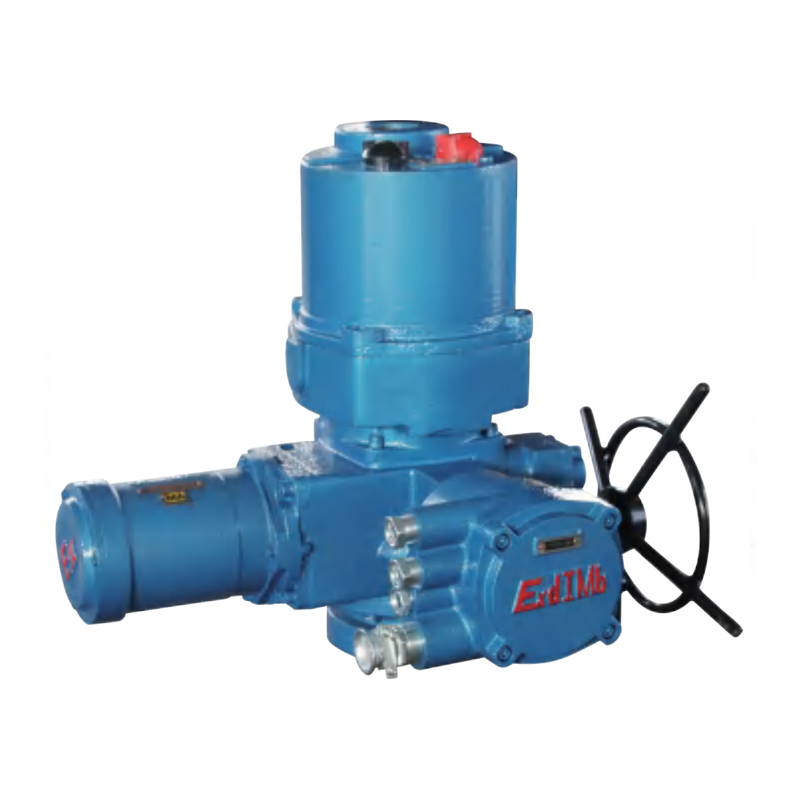
Suppliers that specialize in this segment usually document three things clearly: the ingress protection rating of the housing, the explosion-proof standard the unit is certified against, and the ambient temperature range the internal electronics can tolerate. If a data sheet is vague on any of these points, treat it as a signal to ask more questions before ordering.
Underground reliability is rarely about a single component. It comes from matching the valve body, actuator torque, and enclosure rating to the specific conditions of the tunnel section, not from picking the cheapest unit that technically fits the flange.
Rack and Pinion vs Scotch Yoke Pneumatic Actuators: Choosing the Right Design
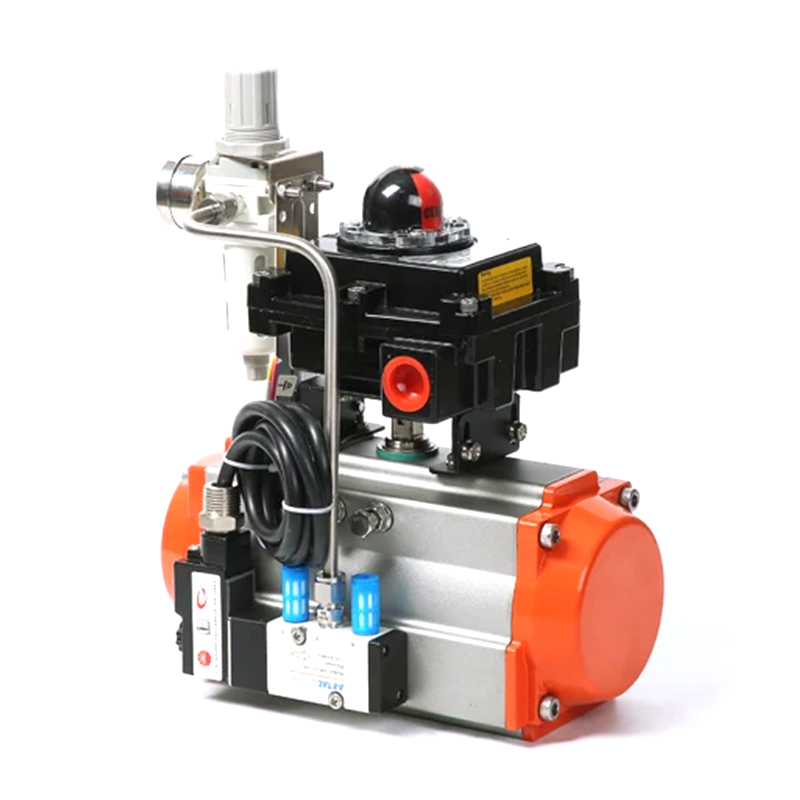
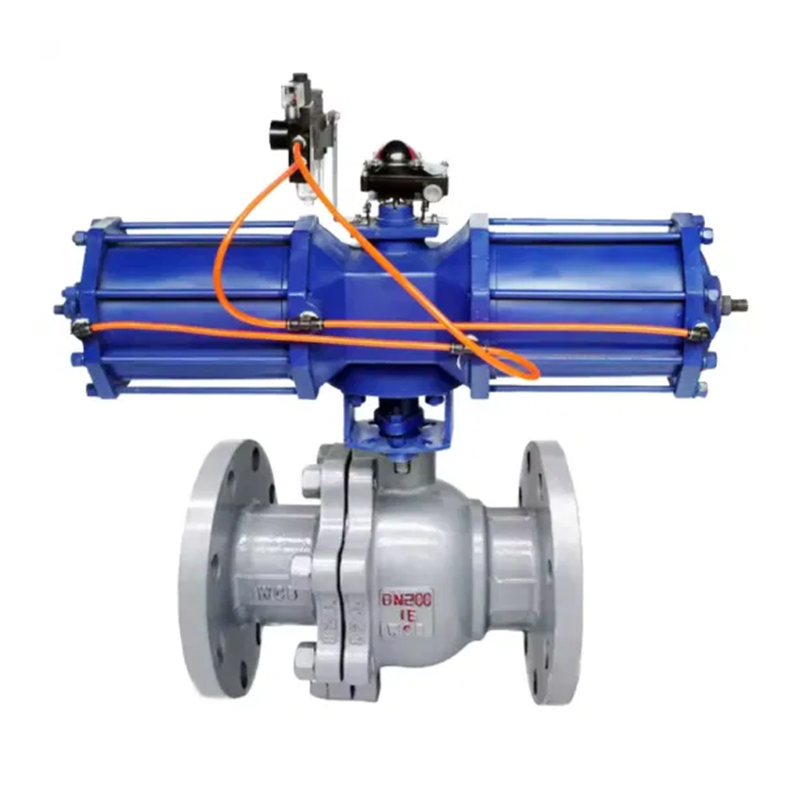
Within pneumatic actuation, two mechanical designs dominate quarter-turn valve automation: the Rack and Pinion Pneumatic Actuator and the Scotch Yoke Pneumatic Actuator. Both convert linear piston motion into rotary output, but the torque curve each produces is different, which matters more than it might seem.
| Design | Torque Profile | Typical Application |
|---|---|---|
| Rack and Pinion | Symmetrical torque output across the stroke | Ball valves, butterfly valves with steady load |
| Scotch Yoke | Higher breakaway torque at start and end of stroke | High-pressure ball valves, plug valves needing extra seating force |
A supplier that only offers one of these designs will often try to make it fit every application, which is a subtle warning sign. A manufacturer confident in its engineering will instead ask about your seating torque requirements before recommending a design.
How to Evaluate Actuator Manufacturers: A Practical Checklist
Beyond the technical fit of the product, the manufacturer behind it determines whether that reliability holds up over years of service. The following areas are worth verifying before signing a purchase order.
- Documented quality management certification covering design and production, not just assembly
- In-house torque and cycle testing records available for review, not only third-party summaries
- Clear lead times for both standard units and custom torque or voltage configurations
- Technical support that can specify actuator sizing based on valve torque data, not generic charts
- Spare parts availability for seals, gearboxes, and control modules for the expected service life
Below is a simplified view of how a structured evaluation process typically flows once a shortlist of candidate suppliers is built.
Reliability Standards and Certifications to Look For
Standards do not guarantee performance on their own, but they narrow the field to manufacturers willing to submit their processes to outside review.
ISO 9001 Quality System Explosion-Proof Certification Ingress Protection Rating Third-Party Torque Testing
- Quality management certification confirms consistent production control across batches.
- Explosion-proof certification is required for any actuator installed in a coal mine or other hazardous atmosphere.
- Ingress protection ratings should match the actual moisture and dust exposure at the installation point, not a generic minimum.
- Independent torque testing reports give buyers a way to confirm published specifications rather than relying on marketing figures alone.
Frequently Asked Questions
Q1: What is the main difference between electric and pneumatic actuators for valve automation?
Electric actuators run on electrical power and suit sites needing precise modulating control, while pneumatic actuators run on compressed air and typically respond faster in on-off or emergency shutoff duty.
Q2: Why do coal mine valves need special actuator certification?
Underground coal environments carry methane and dust hazards, so actuators used there must carry explosion-proof certification and sealed enclosures rated for the specific atmosphere.
Q3: How do I decide between a rack and pinion and a scotch yoke pneumatic actuator?
The decision depends on the torque profile the valve needs across its stroke. Scotch yoke designs deliver higher breakaway torque at the start and end of travel, while rack and pinion designs provide steadier torque throughout.
Q4: What documentation should a reliable actuator manufacturer provide?
Look for quality management certification, in-house or third-party torque and cycle test records, and clear technical specifications covering ingress protection, temperature range, and hazardous area ratings.
Q5: How often should industrial actuators be inspected once installed?
Inspection frequency depends on duty cycle and environment, but most industrial sites schedule electrical and mechanical checks on electric actuators and seal or diaphragm inspections on pneumatic actuators at regular maintenance intervals rather than waiting for a failure signal.
Previous Post
How Modern Actuation Is Transforming Coal Mine Valve Control Systems
Next Post
What Is an Actuator and How Do You Choose the Right Type for Your Valve?
Related Products
-
-
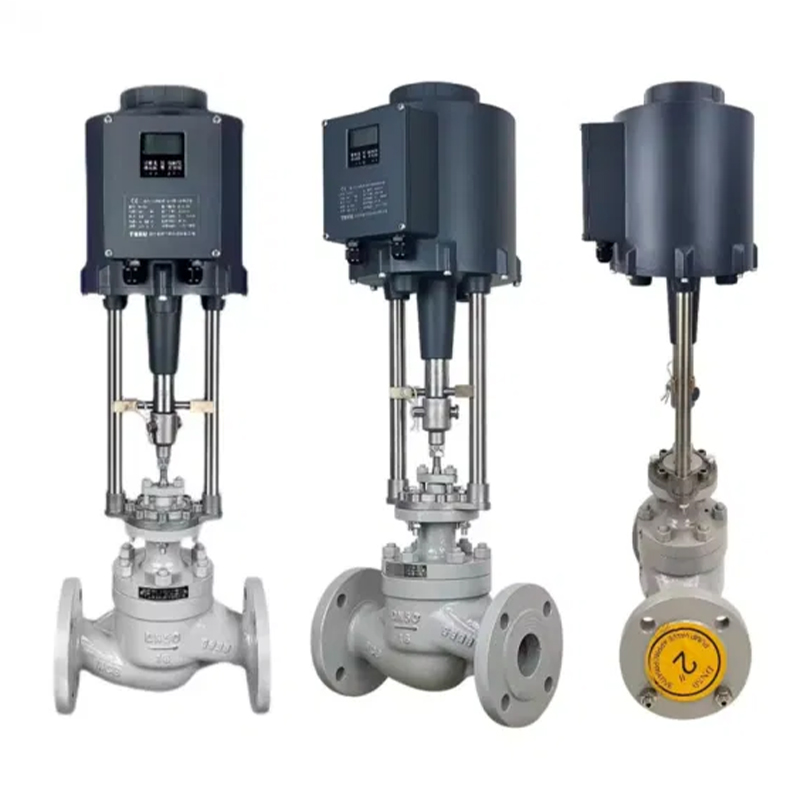
Cat:Liner Electric Actuator
Mainly used in the industrial field, equipped with the new Keyou A8 intelligent valve actuator control system, it has po...
See Details
CONTACT US
Shape the Future of Product with Us!

QUICK LINKS
CONTACT INFORMATION
- ADDRESS: Laoli Industrial Park, Chaoyang Village, Hengshan Bridge Town, Wujin District, Changzhou City, Jiangsu Province, China
- TELEPHONE: 0086 15335008985
- EMAIL: [email protected]
MOBILE

Copyright 2024 Changzhou Xinneng Automatic Control Equipment Co., Ltd All Rights Reserved.
