0086 15335008985


 русский
 Español
Cat:Quarter Turn Electric Actuator
Compared with similar products, the QC series valve electric actuator has desirable performance and undeniable advantage...
See Details
 Search
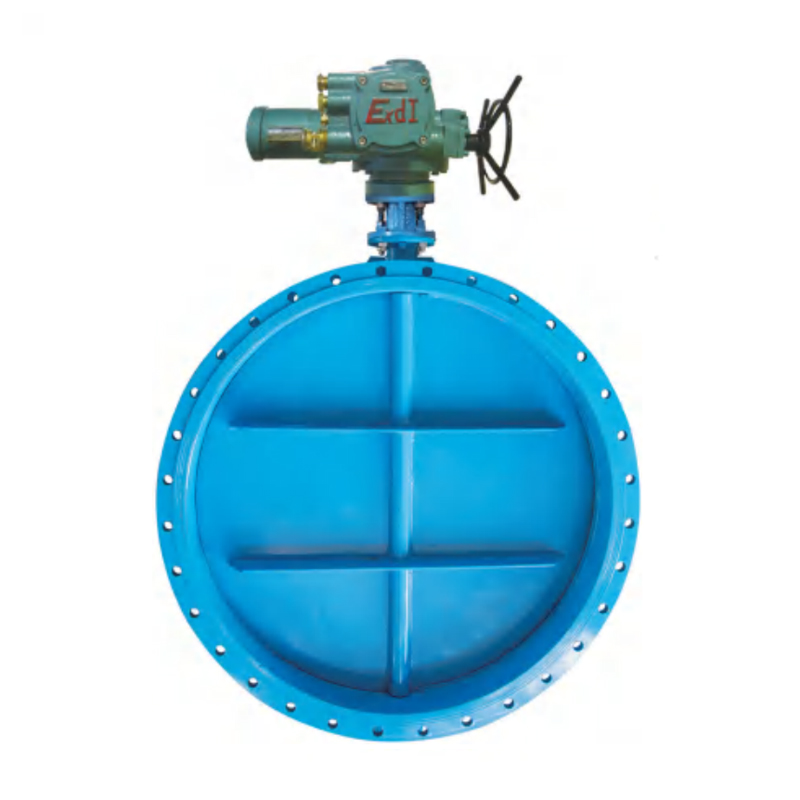
Valve control inside an active coal mine is not a simple extension of surface industrial practice. Confined galleries, explosive dust concentrations, high humidity, and long unmanned runs between shifts all place unusual demands on flow-control hardware. A valve that performs reliably in a chemical plant may fail within months underground if it was never designed for methane-rich atmospheres or constant vibration from conveyor systems.
This is why operators increasingly specify a dedicated coal mine series of valves and actuation hardware rather than adapting general industrial components. Purpose-built assemblies account for explosion-proof housings, corrosion-resistant coatings, and simplified maintenance access that fits the physical constraints of a mine tunnel.
Tunnel widths often limit maintenance clearance to less than one meter around a valve body.
Methane accumulation requires ignition-proof electrical enclosures on every control component.
Ventilation and dewatering valves may cycle continuously across three-shift operations.
A coherent coal mine series is built around three design priorities: containment integrity, mechanical simplicity, and rapid field service. Rather than treating the valve body, actuator, and control box as separate procurement items, a series approach standardizes interfaces so that any valve type can be paired with any compatible actuator without custom machining underground.
Standardization matters most during unplanned downtime. When a maintenance crew can swap an actuator motor from stock without re-engineering the mounting bracket, mean time to repair drops substantially compared with mixed-vendor installations assembled piecemeal over the life of a mine.
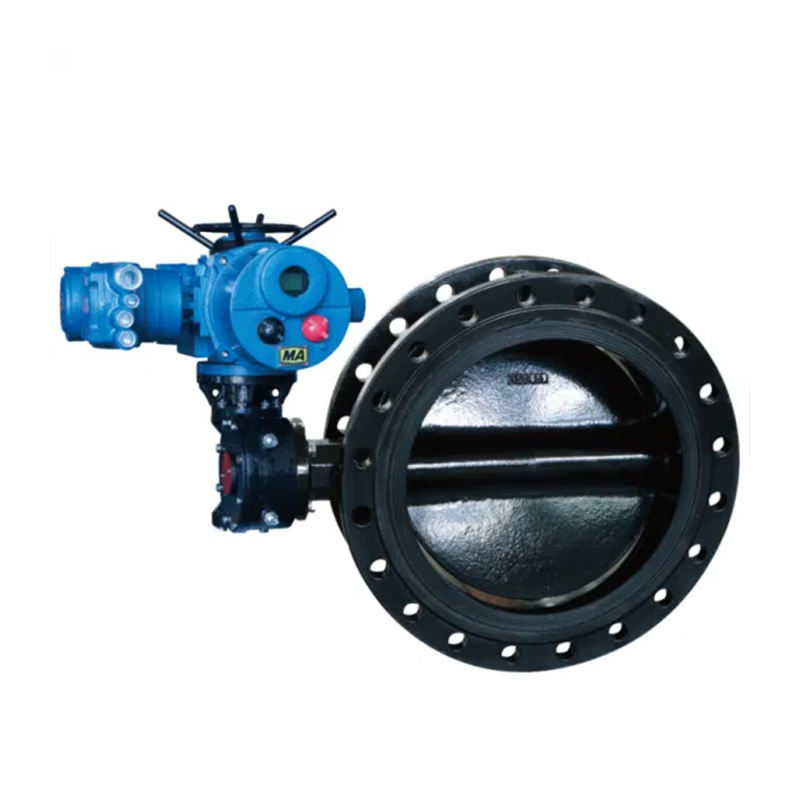
Coal mine valves are rarely interchangeable across applications. Dewatering lines, compressed air distribution, hydraulic support supply, and ventilation dampers each favor a different body geometry. Selecting the wrong style tends to show up later as excessive actuator torque, premature seat wear, or unacceptable pressure drop.
| Valve Type | Typical Underground Use | Flow Characteristic | Maintenance Profile |
|---|---|---|---|
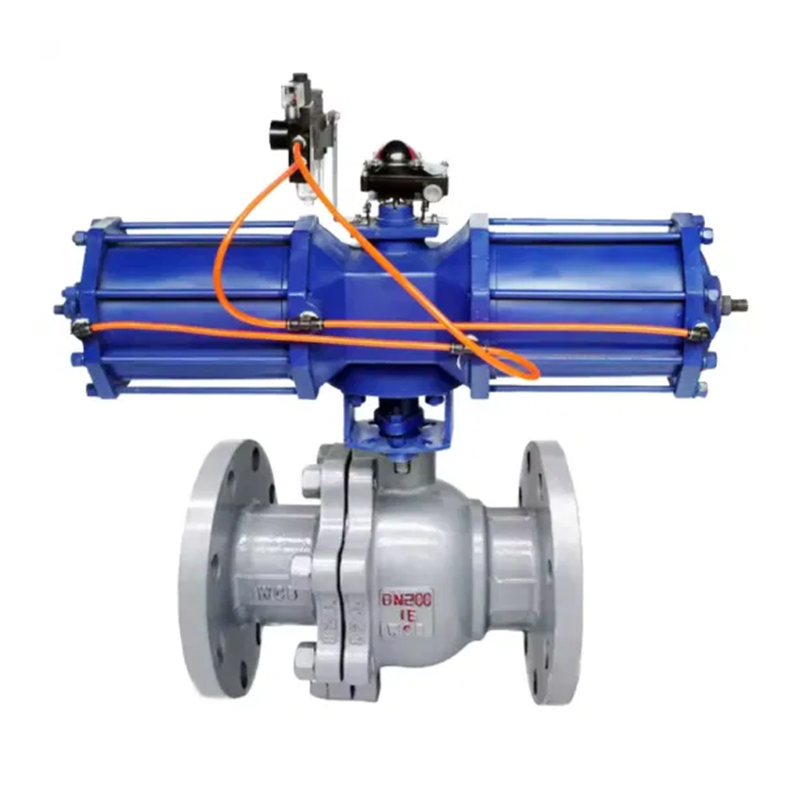
| Ball Valves | Compressed air, hydraulic support lines | Full bore, minimal pressure drop | Low frequency, tight shutoff |
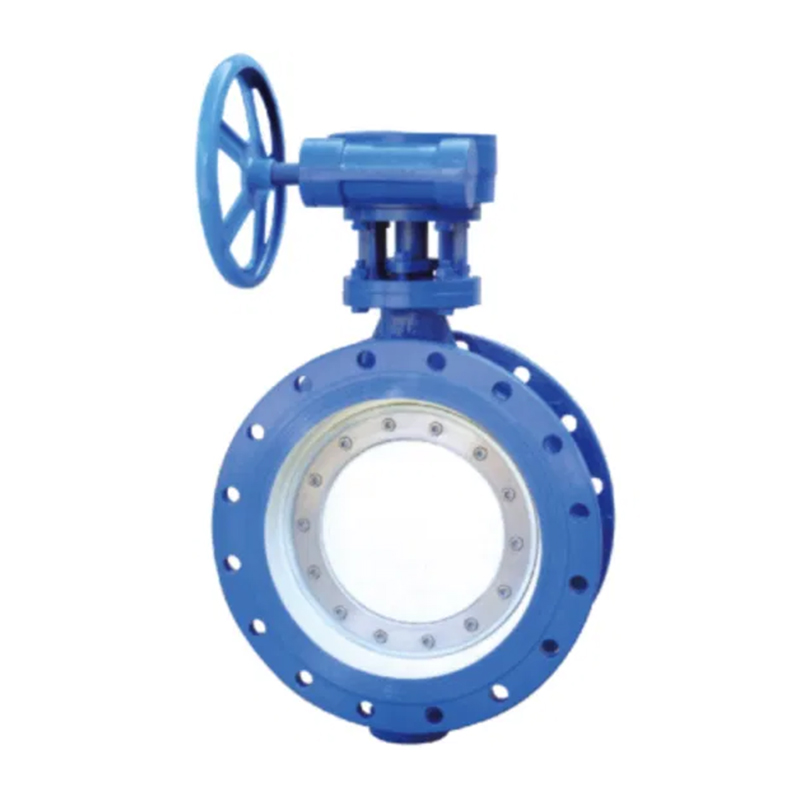
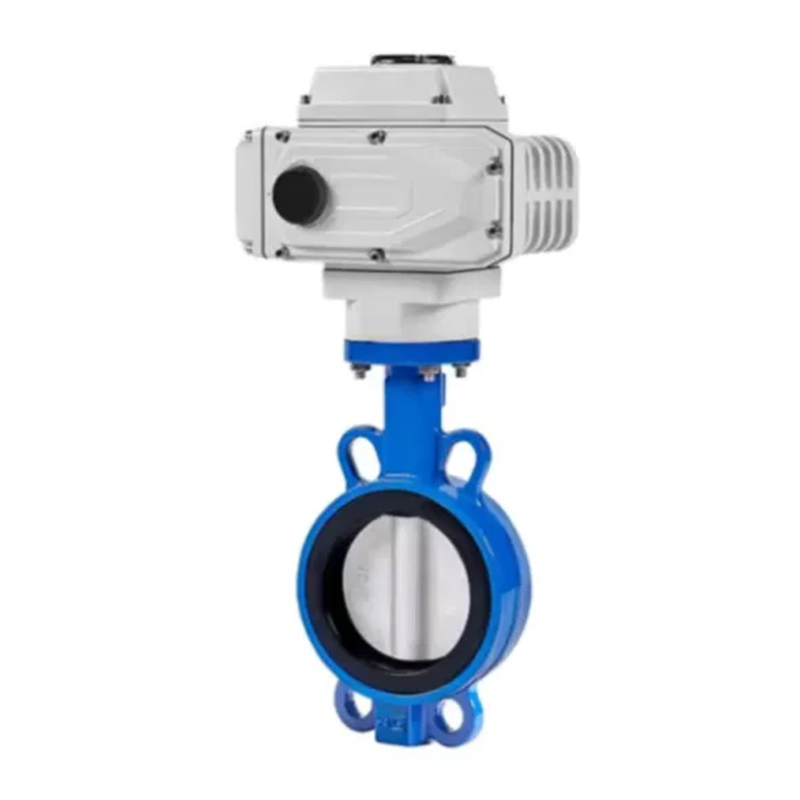
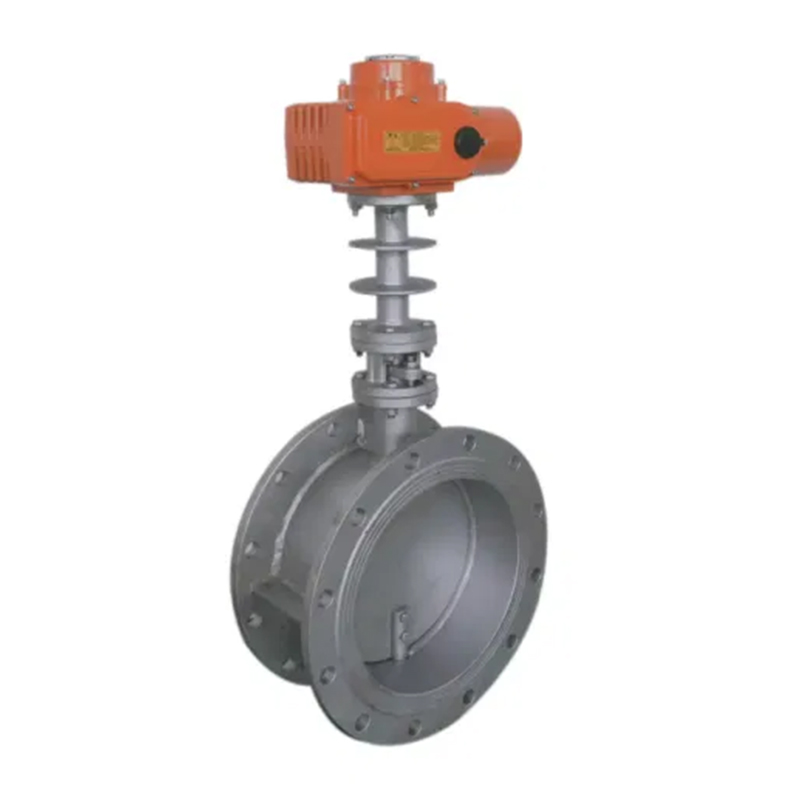
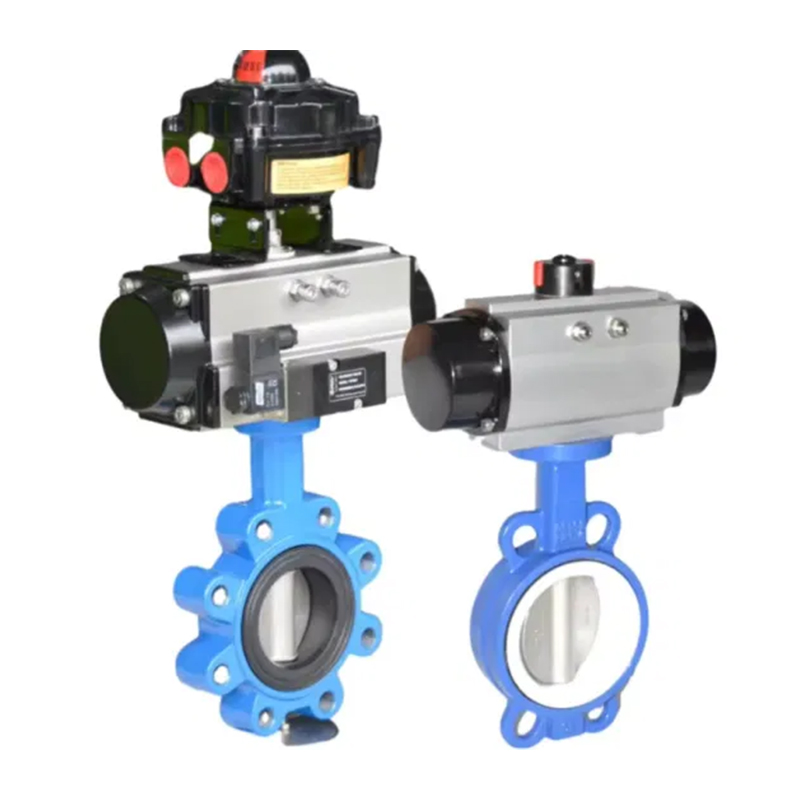
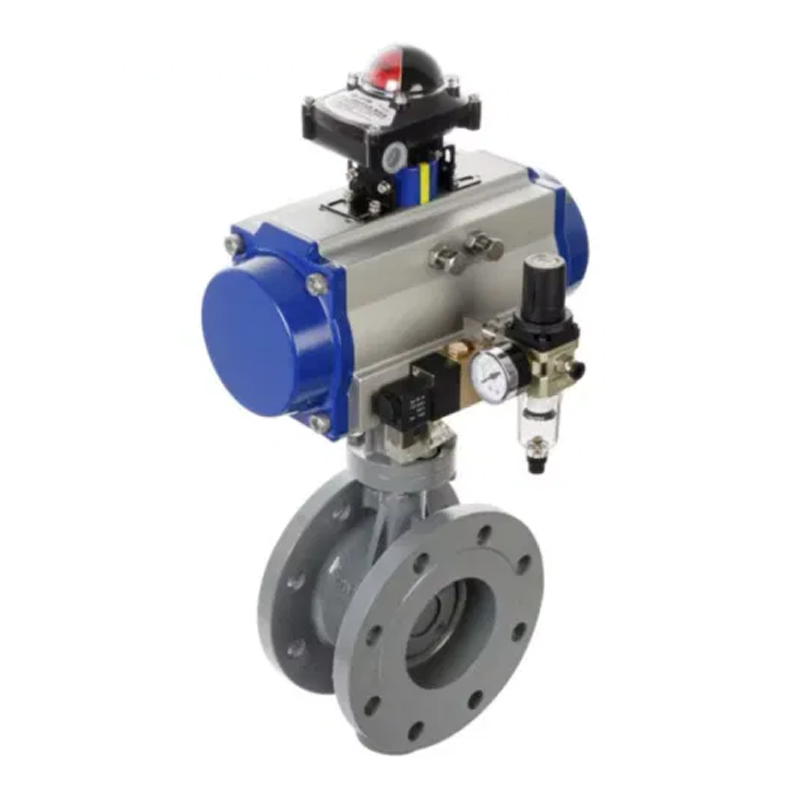
| Butterfly Valves | Ventilation ducting, large-bore water | Compact, moderate throttling | Lightweight, quick quarter-turn service |
| Gate Valves | Dewatering mains, isolation points | Straight-through, low turbulence | Slower actuation, robust isolation |
In practice, many mines run all three families side by side: ball valves for tight-shutoff service lines, butterfly valves for large-diameter ventilation ducts where weight and installed footprint matter, and gate valves at isolation points along dewatering mains where straight-through flow reduces erosion at high velocity.
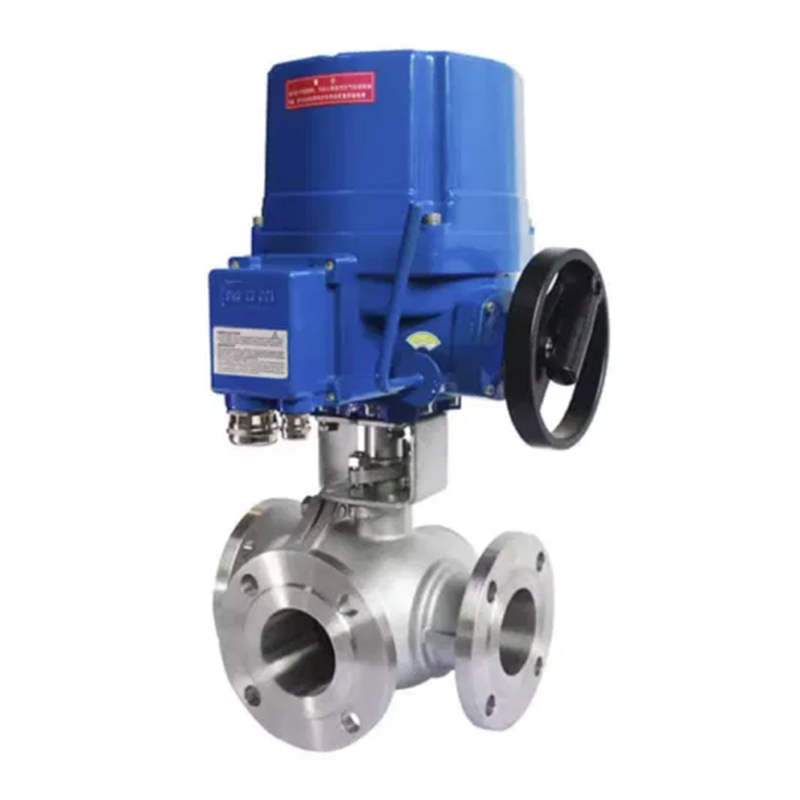
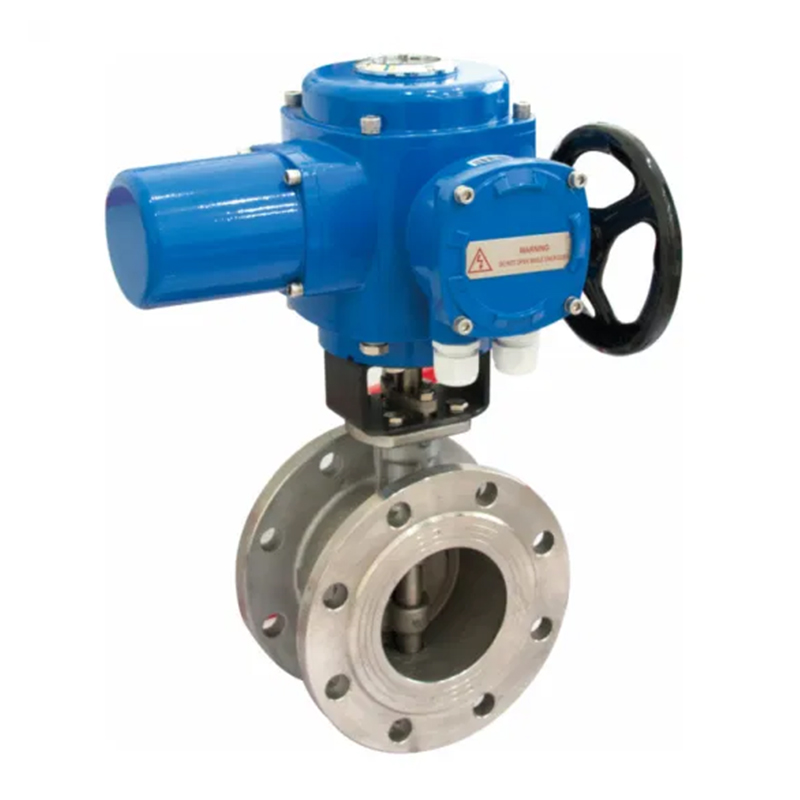
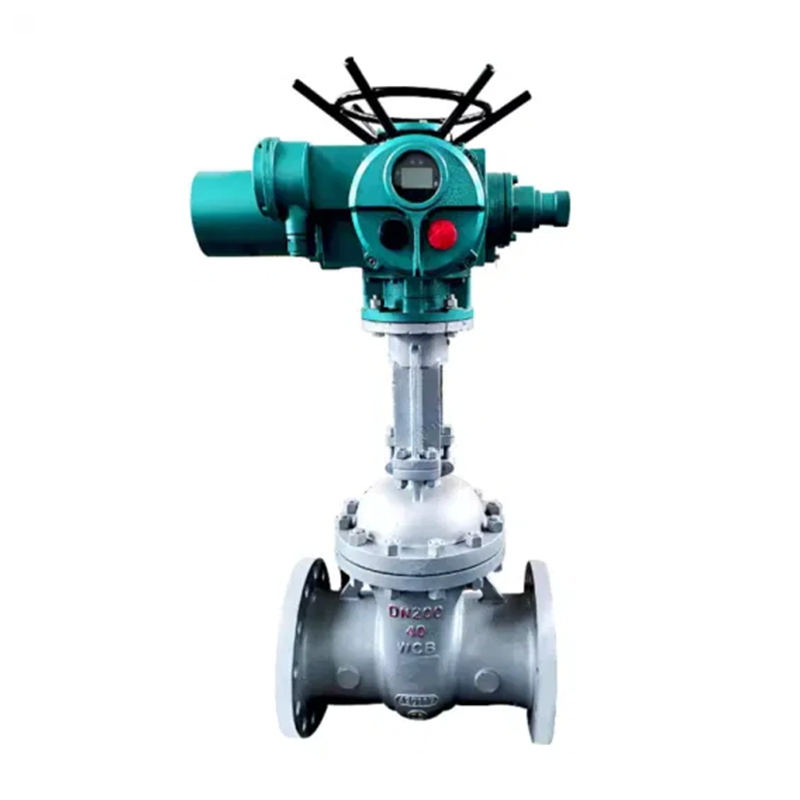
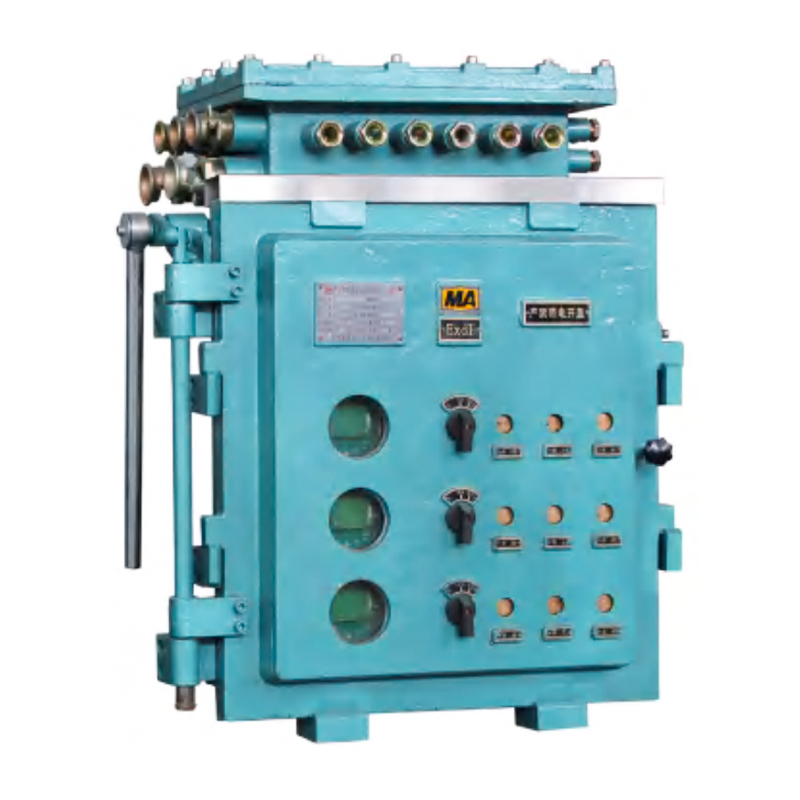
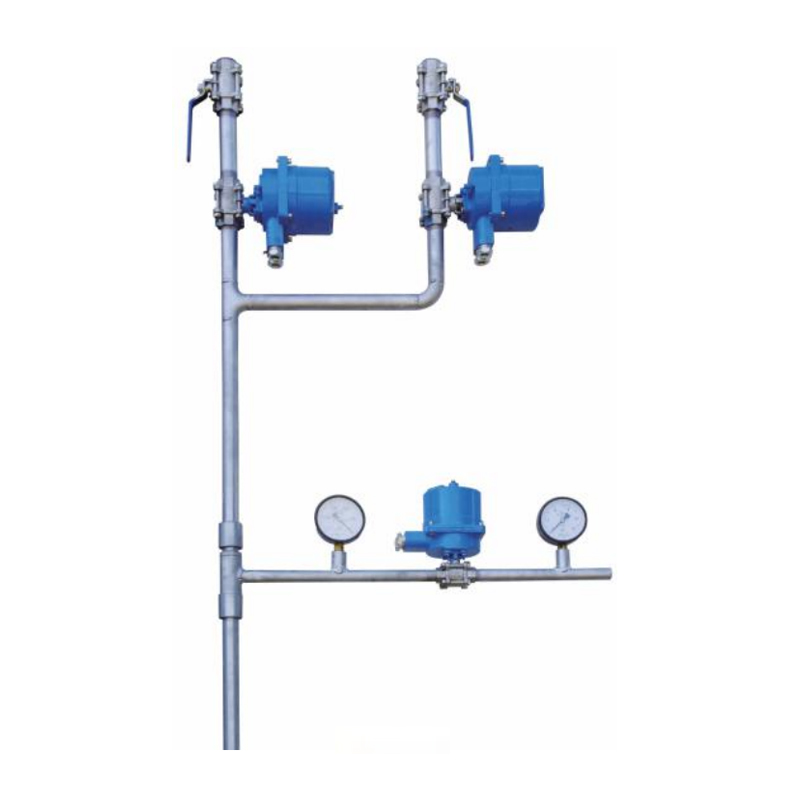
A well-specified coal mine control box does more than house a start-stop switch. It typically consolidates local and remote command, torque and position feedback, and fault indication into a single explosion-proof enclosure mounted near the valve. This lets a control room operator open or close a valve kilometers away without sending a technician into a confined heading.
Centralizing command signals at the coal mine control box reduces the number of manual valve interventions required per shift, which directly lowers personnel exposure to hazardous zones.
Because the control box sits at the interface between electrical and mechanical hazards, its enclosure rating is often the single most scrutinized item during a safety inspection. Cable gland integrity, terminal sealing, and enclosure gasket condition should be part of every routine walkdown.
Actuation hardware converts an electrical or pneumatic command into valve stem movement. Underground, the choice between motorized and manual-assist actuation depends on cycle frequency, available power, and how quickly a valve must respond during an emergency shutdown.
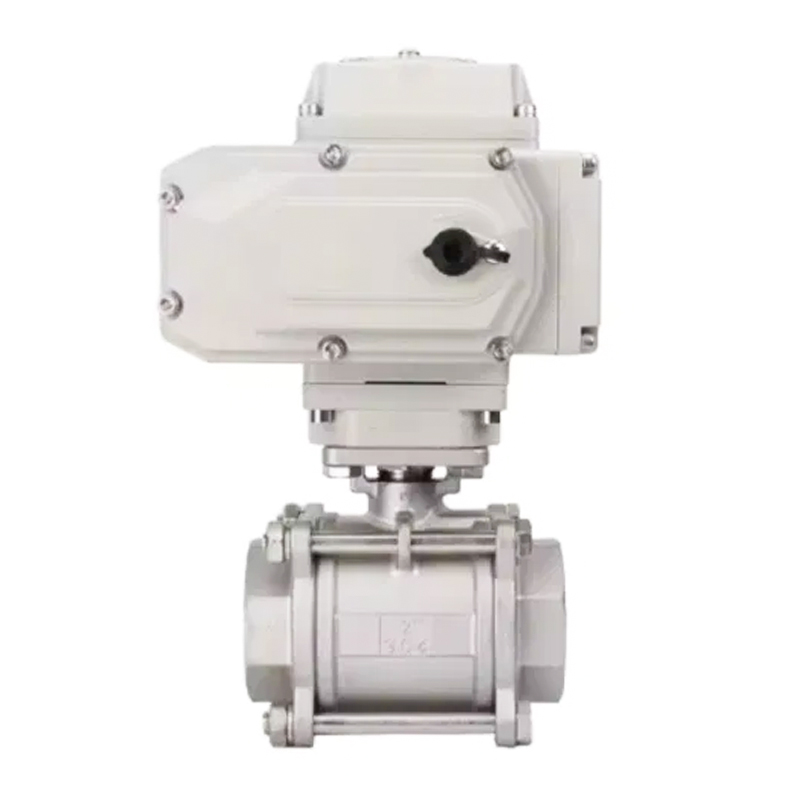
An actuator motor drives quarter-turn or multi-turn valves through a gear train, typically with an integrated torque switch that stops the motor once the seat reaches its rated closing force. Explosion-proof motor housings are mandatory in gassy seams, and duty ratings should account for the possibility of repeated open-close cycles during ventilation adjustments.
A lever actuator provides manual quarter-turn operation through a fixed-position handle, often used as a backup on valves that also carry a motorized actuator, or as the primary means of operation on lower-cycle isolation points where powering a motor is not justified. Lever actuators are valued underground for their simplicity: there is little to fail beyond the linkage itself.
For linear valves such as some gate and globe styles, actuator lift describes the vertical travel needed to fully raise the gate or plug out of the flow path. Undersized lift mechanisms are a common cause of throttled flow that appears, on inspection, to be a fully open valve. Lift specifications should always be checked against the actual valve stroke rather than assumed from a generic actuator datasheet.
| Actuation Type | Best Suited To | Response Speed | Power Requirement |
|---|---|---|---|
| Actuator Motor | High-cycle, remote-operated lines | Fast, repeatable | Electrical, explosion-proof |
| Lever Actuator | Backup or low-cycle isolation | Manual, operator-dependent | None |
| Actuator Lift Mechanism | Linear-stroke valves | Moderate, stroke-limited | Electrical or hydraulic |
Ventilation regulation frequently uses a 4 way valve with actuator to redirect airflow between two ducted paths without stopping flow entirely. Instead of a simple open-close cycle, the four-way body allows a single actuator to blend or switch flow direction, which is useful when air quantity must be shifted between working faces as extraction advances.
Because these assemblies sit in active airflow paths, seal wear should be checked more frequently than on isolation-only valves, since partial degradation is harder to detect from position feedback alone.
Ventilation valves carry outsized safety importance because a stuck or mispositioned damper can allow gas accumulation in a working area within minutes. A disciplined protocol reduces that risk without requiring constant manual checks.
| Protocol Element | Purpose |
|---|---|
| Position feedback verification | Confirms actual valve state matches control room display |
| Fail-safe actuator setting | Defines valve behavior on loss of power or signal |
| Torque-limit alarms | Flags mechanical binding before actuator damage occurs |
| Scheduled stroke testing | Verifies full travel is still achievable under load |
| Gas monitoring interlock | Links valve position to ambient gas sensor readings |
Fail-safe behavior deserves particular attention during design review. A ventilation damper that fails open is not automatically the safer default in every layout; the correct fail-safe position depends on airflow routing and should be confirmed against the mine's ventilation plan rather than assumed from the actuator's factory default.
The sequence below outlines how a remote command travels from the control box through the actuator to physical valve motion, which is useful when troubleshooting a valve that is not responding as expected.
When a valve fails to reach its commanded position, the fault is usually isolated to one of four stages: no signal reaching the control box, no power reaching the actuator motor, mechanical binding at the stem, or a feedback sensor reporting an incorrect state. Working through the diagram in order narrows the search quickly rather than disassembling the valve body first.
Underground maintenance windows are short and infrequent, so reliability planning matters more than it would on a surface installation with continuous access.
Gearboxes and stem threads should follow a fixed interval rather than a reactive schedule.
Elastomer seats degrade faster in humid roadways and warrant closer visual checks.
Standardized actuator interfaces shorten replacement time during unplanned outages.
A practical reliability program pairs scheduled stroke testing with condition-based triggers, such as rising torque readings on the actuator motor, so that a developing mechanical problem is caught before it produces a failed stroke during an actual ventilation change.
Coal mine valves are built with explosion-proof or intrinsically safe components, corrosion-resistant coatings for humid roadways, and mounting interfaces suited to confined tunnel access, whereas standard industrial valves are typically designed for open, climate-controlled environments.
A control box allows valves to be opened, closed, and monitored remotely, reducing the number of times personnel must physically approach a valve located in a hazardous or gas-prone zone.
Lever actuators suit low-cycle isolation points or serve as manual backup where powered operation is unnecessary, while actuator motors are better suited to high-cycle or remotely commanded applications.
Insufficient actuator lift can leave a gate valve only partially clear of the flow path even when the actuator reports a fully open position, restricting flow without any visible fault indication.
It allows a single actuator to redirect or proportion airflow between two ducted paths, reducing the number of separately powered devices needed at a ventilation junction.
Testing frequency depends on duty cycle and site risk assessment, but scheduled testing combined with torque-based condition monitoring is generally more reliable than testing on a purely calendar-based interval alone.
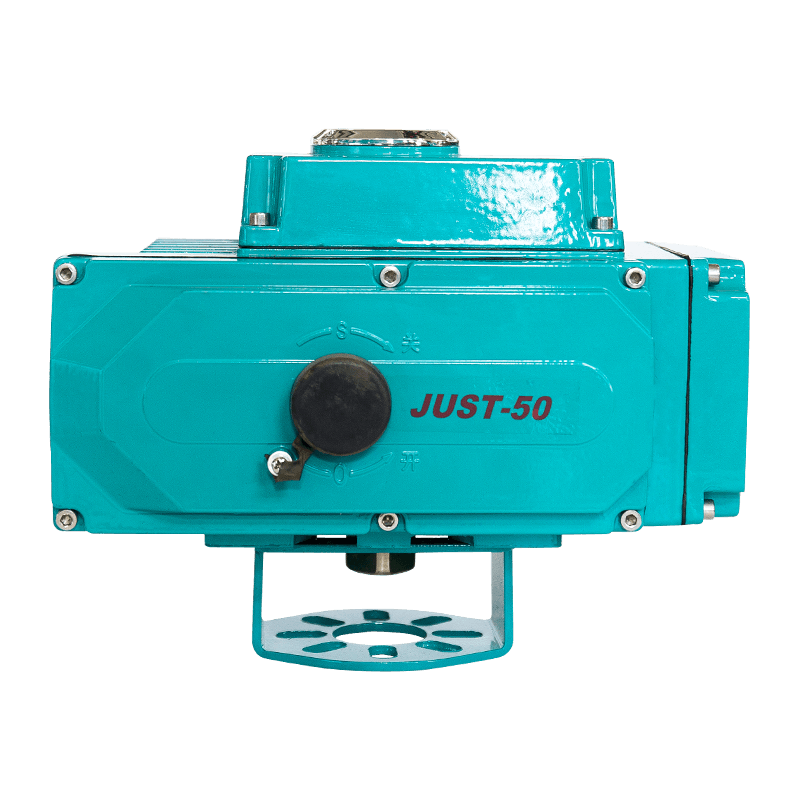
Compared with similar products, the QC series valve electric actuator has desirable performance and undeniable advantage...
See Details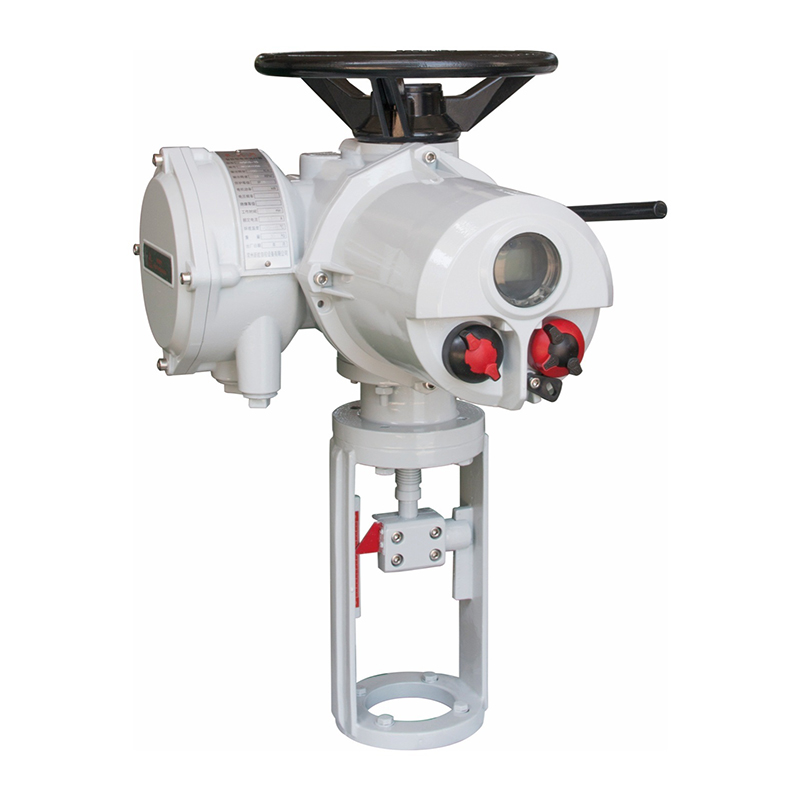
AKML linear stroke adjustable intelligent electric actuator, suitable for valves with linear thrust action, consists of ...
See Details

Copyright 2024 Changzhou Xinneng Automatic Control Equipment Co., Ltd All Rights Reserved.