
0086 15335008985


 русский
 Español
 Search
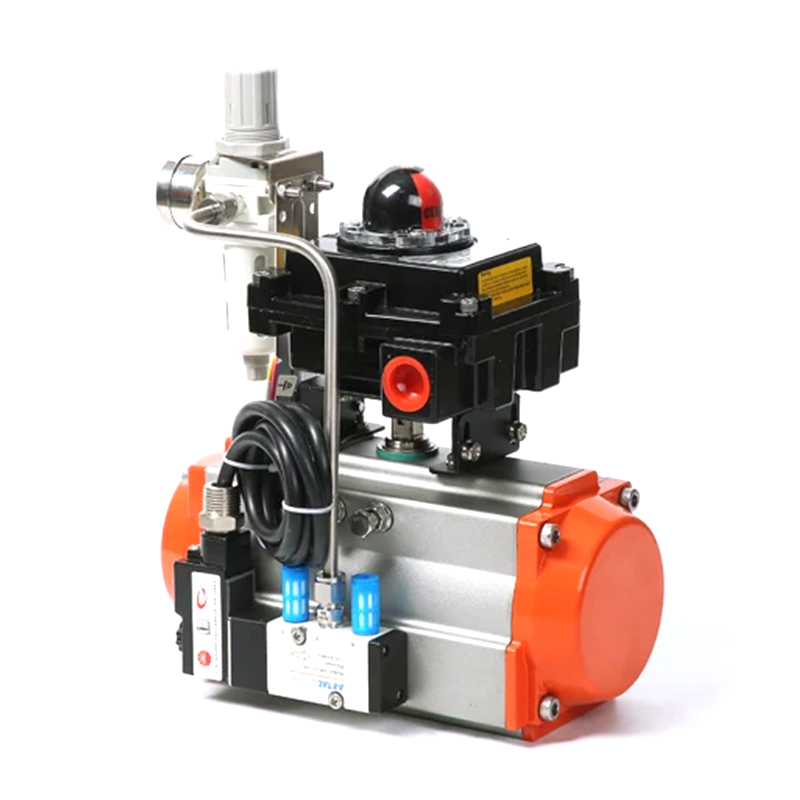
Why Use Pneumatic Valve Actuators?
Introduction to Pneumatic Valve Actuators and Stainless Steel Construction
Pneumatic valve actuators are core mechanical components that convert compressed air energy into linear or rotary mechanical motion to control the opening, closing, and positioning of industrial valves. As critical automation equipment in fluid control systems, they are widely applied in industries such as oil and gas, chemical processing, water treatment, food and beverage, pharmaceuticals, and manufacturing, replacing manual valve operation to achieve efficient, stable, and remote-controlled fluid system management.
Among all types of pneumatic valve actuators, Stainless Steel Pneumatic Valve Actuator stands out as a premium and high-performance option due to its unique material properties and structural design. Unlike actuators made of cast iron, aluminum alloy, or plastic, stainless steel versions are manufactured with high-grade stainless steel alloys, delivering superior performance in harsh industrial environments where corrosion, high humidity, extreme temperatures, and sanitary conditions are required.
For B2B industrial buyers, selecting the right valve actuator is a long-term investment that directly impacts production efficiency, equipment lifespan, maintenance costs, and operational safety. Stainless steel pneumatic valve actuators are not just standard components; they are reliable solutions designed to meet strict industrial standards and solve critical operational challenges across diverse working conditions.
This article provides a comprehensive analysis of stainless steel pneumatic valve actuators, covering their core characteristics, functional advantages, material properties, application scenarios, selection criteria, maintenance requirements, and industry-specific value propositions to help industrial enterprises make informed purchasing and application decisions.
Core Material Advantages of Stainless Steel Pneumatic Valve Actuators
Corrosion Resistance: The Defining Feature of Stainless Steel Alloys
Corrosion is one of the leading causes of actuator failure in industrial environments. Standard actuators made of carbon steel or aluminum alloy are prone to rust, oxidation, and material degradation when exposed to moisture, chemicals, saltwater, or acidic/alkaline media, resulting in shortened service life and increased replacement costs.
Stainless steel pneumatic valve actuators utilize chromium-nickel stainless steel alloys that form a passive protective oxide layer on the surface. This layer prevents direct contact between the metal substrate and corrosive substances, delivering exceptional resistance to rust, oxidation, chemical corrosion, and salt spray. Independent industrial testing shows that stainless steel actuators have a corrosion resistance lifespan 5-8 times longer than carbon steel actuators in corrosive environments.
- Resistant to acidic, alkaline, and neutral chemical fluids
- Suitable for offshore, marine, and coastal high-salt environments
- No rust formation even under long-term high-humidity conditions
- Compatible with clean water, wastewater, and chemical process media
Structural Strength and Mechanical Durability
Stainless steel alloys maintain excellent mechanical strength and structural integrity across a wide range of operating conditions. The material’s high tensile strength, impact resistance, and load-bearing capacity ensure that the actuator housing, internal components, and connection parts do not deform, crack, or break under high pressure, heavy loads, or mechanical shocks.
Unlike lightweight aluminum alloys that may deform under extreme pressure or plastic components that degrade over time, stainless steel provides rigid structural support, making these actuators suitable for high-pressure valve systems and heavy-duty industrial applications. Stainless steel actuators can withstand operating pressures up to 1.0 MPa without structural damage, meeting the requirements of most high-pressure industrial systems.
Hygienic and Sanitary Compatibility
For industries requiring strict sanitary standards such as food and beverage, pharmaceuticals, and cosmetics, material hygiene is non-negotiable. Stainless steel is non-porous, non-toxic, and easy to clean and sterilize, preventing bacterial growth, residue accumulation, and cross-contamination.
Stainless steel pneumatic valve actuators comply with international sanitary standards, making them the only acceptable choice for sanitary fluid control systems. Their smooth surface finish eliminates dead zones where contaminants could collect, ensuring full compliance with industry hygiene regulations.
Functional Performance Characteristics of Pneumatic Valve Actuators
High Efficiency and Rapid Response Speed
Pneumatic actuators operate using compressed air as the power source, delivering instantaneous motion response with fast opening and closing speeds. Compared with electric and hydraulic actuators, pneumatic models have a simpler power transmission structure, reducing mechanical delay and improving overall response efficiency.
Stainless steel pneumatic valve actuators optimize internal airflow channels and piston/rack-and-pinion structures to minimize friction loss. Standard response time ranges from 0.2 to 1 second, supporting high-frequency valve switching operations required in automated production lines.
Wide Operating Temperature Adaptability
Industrial environments often involve extreme temperature conditions, from cryogenic low-temperature systems to high-temperature processing pipelines. Stainless steel materials maintain stable physical and mechanical properties across an extended temperature range without brittleness, softening, or performance degradation.
These actuators can operate reliably in temperatures from -40°C to 180°C, covering almost all conventional industrial temperature scenarios. Specialized versions can be customized for ultra-low or ultra-high temperature applications without compromising performance or lifespan.
Stable and Consistent Operational Performance
Consistency is critical for automated fluid control systems. Stainless steel pneumatic valve actuators provide uniform output torque and thrust across long-term operation, ensuring consistent valve positioning and flow control accuracy. The stable material properties prevent performance fluctuations caused by environmental changes, maintaining system stability.
Built-in buffer and damping structures reduce mechanical impact during operation, extending both actuator and valve service life while lowering overall system maintenance requirements.
Key Structural Design Features of Stainless Steel Pneumatic Valve Actuators
Two Main Actuator Types: Diaphragm and Piston/Rack-and-Pinion
Stainless steel pneumatic valve actuators are primarily designed in two structural configurations to match different valve types and control requirements: linear diaphragm actuators for globe valves and rotary rack-and-pinion actuators for ball, butterfly, and plug valves.
Diaphragm actuators generate linear motion via air pressure acting on a flexible diaphragm, ideal for regulating valve position and flow rate. Rack-and-pinion actuators convert linear piston motion into 90° rotary motion, delivering high torque for quarter-turn valves. Both designs feature full stainless steel construction for maximum durability.
IP Protection Rating and Environmental Sealing
Environmental sealing is essential for actuator reliability in harsh conditions. Stainless steel pneumatic valve actuators feature fully sealed structures with high-grade gaskets and O-rings, achieving IP65/IP67 protection ratings. This prevents dust, water, oil, and other contaminants from entering the internal mechanism, ensuring stable operation in outdoor, dusty, or wet environments.
The sealed design also reduces internal component wear, extending maintenance intervals and reducing operational downtime for industrial users.
Modular and Compact Design
Modern stainless steel actuators adopt a modular design that supports easy integration with limit switches, solenoid valves, positioners, and other accessories. The compact structure saves installation space, making them suitable for dense pipeline layouts and limited-space equipment rooms.
Modular components also simplify maintenance and repair, allowing users to replace individual parts without disassembling the entire actuator, reducing maintenance time and costs for B2B enterprises.
Long-Term Economic Value for B2B Industrial Buyers
Extended Service Life and Reduced Replacement Costs
For industrial enterprises, total cost of ownership (TCO) is a key purchasing consideration. While stainless steel actuators have a higher initial purchase price than standard materials, their 15-20 year service life significantly reduces long-term replacement costs. Carbon steel or aluminum actuators typically require replacement every 3-5 years in harsh environments, resulting in higher cumulative expenses.
Stainless steel’s corrosion and wear resistance eliminate frequent part replacements, directly lowering procurement budgets and labor costs associated with actuator changes over the equipment lifecycle.
Minimal Maintenance Requirements
Stainless steel pneumatic valve actuators are virtually maintenance-free under normal operating conditions. The durable material and sealed structure prevent common issues like rust, jamming, and air leakage, reducing routine inspection and maintenance workload.
Compared with other actuator types that require regular lubrication, cleaning, and part replacement, stainless steel models only need basic periodic inspections, saving industrial facilities valuable maintenance time and labor resources.
Improved System Efficiency and Production Continuity
Unplanned equipment downtime directly impacts production output and revenue. Stainless steel actuators’ high reliability minimizes unexpected failures, ensuring continuous operation of fluid control systems. Industrial data shows that reliable actuators can reduce production line downtime by up to 30%, significantly improving overall operational efficiency.
Stable performance also enhances product quality consistency in processing industries, reducing defective products and waste, which directly improves enterprise profitability.
Industry-Specific Applications of Stainless Steel Pneumatic Valve Actuators
Stainless steel pneumatic valve actuators offer tailored performance for diverse industrial sectors, with customized designs meeting each industry’s unique operational requirements. Below are the primary application industries and their specific use cases:
Food and Beverage Industry
Sanitary requirements are paramount in food and beverage processing. Stainless steel actuators control valves for water, juice, dairy, beer, wine, and edible oil transportation. Their hygienic, easy-to-clean design complies with food safety standards, supporting CIP (Clean-in-Place) and SIP (Sterilize-in-Place) processes.
- Beverage filling and mixing systems
- Dairy processing and pasteurization lines
- Food-grade water and steam control systems
Pharmaceutical and Biotechnology Industry
Pharmaceutical manufacturing requires sterile, contamination-free fluid control. Stainless steel actuators are used in drug synthesis, purification, injection water systems, and bioreactor processes, complying with cGMP and other pharmaceutical regulatory standards.
Chemical and Petrochemical Industry
Corrosive chemicals, high pressure, and extreme temperatures define this industry. Stainless steel actuators safely control corrosive fluid valves, acid-alkali pipelines, and petroleum processing systems, ensuring operational safety and environmental protection.
Water and Wastewater Treatment
Water treatment facilities involve continuous exposure to moisture and chemicals. Stainless steel actuators manage water intake, filtration, disinfection, and sludge treatment processes, resisting corrosion from chlorine, ozone, and wastewater contaminants.
Oil and Gas Industry
Offshore platforms, refineries, and pipeline systems require high-strength, corrosion-resistant actuators. Stainless steel models withstand saltwater corrosion and high-pressure conditions, ensuring safe and reliable valve control in critical energy infrastructure.
Selection Criteria for Stainless Steel Pneumatic Valve Actuators
Torque and Thrust Matching
The most critical selection factor is matching actuator output torque/thrust with valve operating requirements. Insufficient torque causes valve jamming, while excessive torque increases costs and may damage valves. Industry best practice recommends selecting an actuator with 1.2-1.5 times the valve’s rated torque for reliable operation.
Operating Pressure and Air Supply Requirements
Pneumatic actuators require stable compressed air supply. Standard operating pressure ranges from 0.4 to 0.8 MPa, matching most industrial air compression systems. Buyers must confirm factory air supply pressure to ensure compatibility with actuator performance parameters.
Valve Type and Actuator Motion Style
Linear actuators pair with globe, diaphragm, and gate valves; rotary actuators match ball, butterfly, and plug valves. Correct motion style selection ensures optimal performance and installation compatibility.
Environmental Conditions and Special Requirements
Buyers should evaluate operating environment factors including temperature, corrosion level, humidity, dust, and hygiene requirements. Special environments may need customized actuators with enhanced sealing, high-temperature resistance, or explosion-proof features.
Installation and Operational Best Practices
Standard Installation Procedures
Proper installation ensures optimal actuator performance and lifespan. Key steps include:
- Clean valve connection ports and ensure alignment with actuator mounting interface
- Tighten connection fasteners to specified torque values to prevent air leaks
- Connect air supply lines correctly and check for leaks
- Perform initial test operation to verify full stroke movement
Air Quality Requirements
Clean, dry compressed air is essential for long-term actuator reliability. Moisture, oil, and particulate contaminants in air supply cause internal component wear and performance degradation. Installing air filters, dryers, and lubricators is recommended to maintain air quality.
Routine Inspection and Care
Basic periodic inspections maximize service life:
- Monthly visual inspection for air leaks and physical damage
- Quarterly performance testing of response time and torque output
- Annual comprehensive inspection of seals and internal components
Performance Comparison Table: Stainless Steel vs. Common Actuator Materials
| Performance Index | Stainless Steel | Carbon Steel | Aluminum Alloy | Engineering Plastic |
| Corrosion Resistance | Excellent | Poor | Good | Good |
| Mechanical Strength | High | High | Medium | Low |
| Temperature Resistance | -40℃~180℃ | -20℃~120℃ | -30℃~100℃ | -10℃~80℃ |
| Service Life | 15-20 Years | 3-5 Years | 5-8 Years | 2-4 Years |
| Maintenance Cost | Very Low | High | Medium | High |
| Sanitary Compatibility | Compliant | Non-Compliant | Non-Compliant | Compliant |
This comparison clearly demonstrates that stainless steel pneumatic valve actuators outperform other materials in all key performance categories, justifying their premium position in industrial fluid control systems.
Safety and Compliance Standards
Stainless steel pneumatic valve actuators are manufactured in compliance with international industrial safety and quality standards, ensuring safe operation in critical applications:
- ISO 5211 standard for valve actuator mounting interfaces
- CE certification for European market safety requirements
- FDA compliance for food and pharmaceutical applications
- ATEX certification for explosive environments
Compliance with these standards ensures product quality, operational safety, and regulatory adherence for industrial users worldwide. Certified actuators reduce safety risks and legal compliance burdens for B2B buyers.
Frequently Asked Questions About Stainless Steel Pneumatic Valve Actuators
Q1: What is the main advantage of stainless steel pneumatic valve actuators?
The main advantage is exceptional corrosion resistance, combined with high strength, long service life, and hygienic compatibility for diverse industrial environments.
Q2: What industries are most suitable for these actuators?
They are ideal for food & beverage, pharmaceutical, chemical, water treatment, oil & gas, and marine industries.
Q3: What is the typical service life of stainless steel actuators?
Under normal operating conditions, they provide 15-20 years of reliable service.
Q4: Do these actuators require frequent maintenance?
No, they are low-maintenance with only basic periodic inspections needed.
Q5: Can they operate in extreme temperature environments?
Yes, standard models work reliably from -40°C to 180°C.
Q6: Are stainless steel pneumatic valve actuators explosion-proof?
Yes, ATEX-certified models are available for explosive industrial environments.
Q7: How to select the correct actuator torque for my valve?
Choose an actuator with 1.2-1.5 times your valve’s rated operating torque.
Q8: What air supply pressure is required for operation?
Standard operating pressure is 0.4-0.8 MPa, compatible with most industrial compressed air systems.
Previous Post
Why Electric Linear Actuators Are Transforming Aerospace Motion Control?
Next Post
What are the types of valves used in mining industry?
Related Products
CONTACT US
Shape the Future of Product with Us!

QUICK LINKS
CONTACT INFORMATION
- ADDRESS: Laoli Industrial Park, Chaoyang Village, Hengshan Bridge Town, Wujin District, Changzhou City, Jiangsu Province, China
- TELEPHONE: 0086 15335008985
- EMAIL: [email protected]
MOBILE

Copyright 2024 Changzhou Xinneng Automatic Control Equipment Co., Ltd All Rights Reserved.
