0086 15335008985


 русский
 Español
Cat:Multi Turn Electric Actuator
The AUKEMA rotary intelligent electric actuator has two control types: AK intelligent switch type and AKM intelligent ad...
See Details
 Search
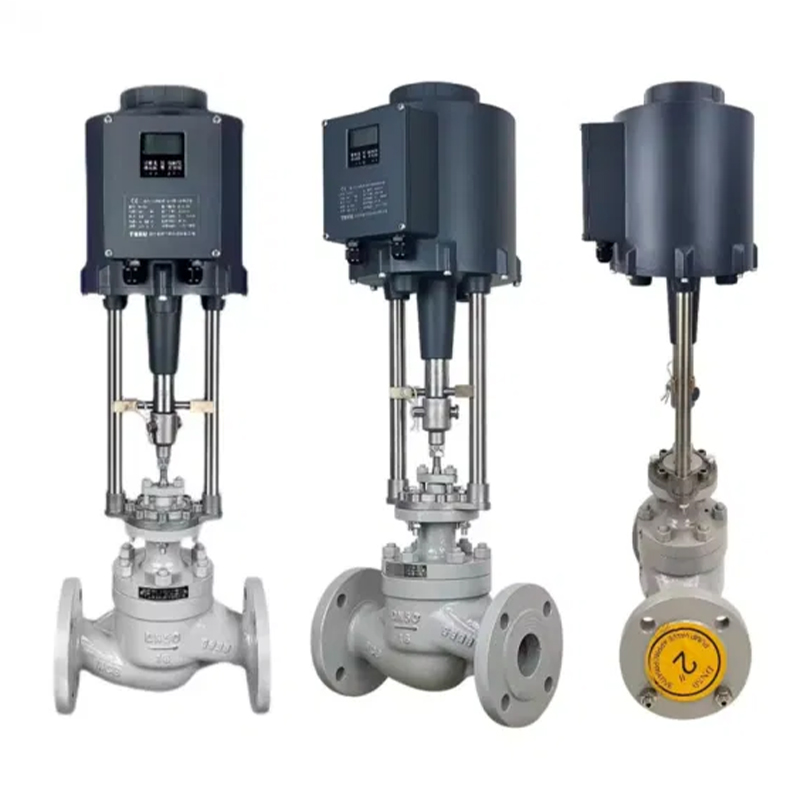
Modern industrial manufacturing demands precise, repeatable, and powerful force application to regulate flow dynamics in high-pressure environments. At the core of these automated systems lies a critical component capable of converting energy into straight-line motion. To understand the operational foundation of these units, engineers must first address a fundamental question: what are industrial linear actuators? These specialized mechanical devices generate force and motion along a linear path, serving as the muscular backbone for positioning valves, gates, and heavy process equipment.
Unlike rotary alternatives that drive quarter-turn ball or butterfly valves, a heavy duty linear actuator provides the direct axial thrust required by multi-turn or rising-stem valves, such as globe and gate configurations. This direct-line push-and-pull capability eliminates the mechanical inefficiencies inherent in motion-conversion linkages, maximizing force transmission and positioning resolution. By integrating robust materials with precise feedback mechanisms, industrial actuators ensure stable process parameter control under severe thermal, chemical, and physical stresses.
Selecting the optimal motion control solution requires a thorough assessment of driving media, as the underlying power source dictates speed, thrust capability, duty cycle, and environmental resilience. While hydraulic and pneumatic systems remain prevalent in legacy installations, linear actuators electric variants have seen widespread adoption due to their superior precision, lower energy footprints, and elimination of fluid contamination risks.
An electric linear actuator relies on an electric motor—either AC induction, brushless DC, or servo—coupled to a mechanical screw assembly. When the motor spins, it drives a lead screw, ball screw, or planetary roller screw, forcing a non-rotating drive nut to move axially along the shaft. This conversion mechanism provides exact control over stroke position, speed, and acceleration.
Fluid power options utilize pressurized media acting against a piston face to generate linear force. Pneumatic configurations leverage plant air for high-speed, lower-force duties but struggle with compressibility challenges that compromise precision positioning. Hydraulic systems deliver unmatched power density for extreme load conditions, though they require complex ancillary support infrastructure, including pumps, reservoirs, filtration systems, and expansive piping networks prone to high-pressure leaks.
| Performance Factor | Electric Actuation | Hydraulic Actuation | Pneumatic Actuation |
|---|---|---|---|
| Thrust Density | High to Extreme (Roller Screws) | Maximum Thrust Capabilities | Moderate Thrust Limits |
| Positioning Precision | Sub-millimeter Accuracy | Moderate / Sensor Dependent | Low (Air Compressibility) |
| Maintenance Demand | Low (Solid-State Components) | High (Fluid Seals, Filtration) | Moderate (Seal Replacement) |
| Energy Efficiency | High (Power on Demand Only) | Low (Continuous Pump Run) | Low (Piping Line Losses) |
Heavy industrial environments rely on robust flow control architectures to handle abrasive slurries, high-pressure steam, and corrosive chemical agents. Within these networks, linear actuator uses extend far beyond simple open-and-close functionality; they provide the modulating control needed to maintain system pressure equilibrium, manage volumetric flow rates, and prevent destructive water hammer events.
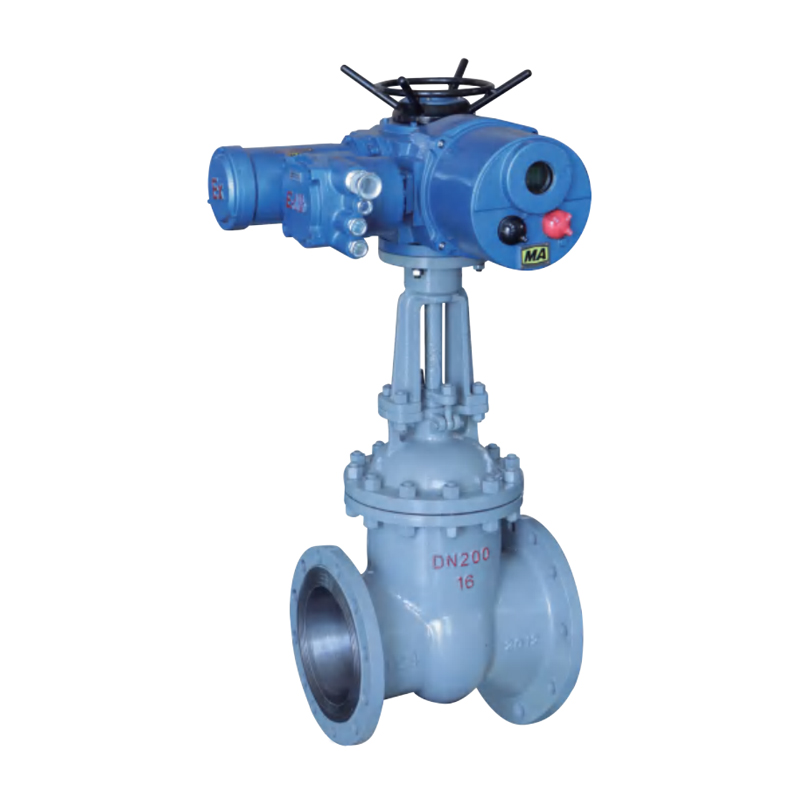
Large-diameter fluid handling pipelines regularly deploy a gate linear actuator to manage mainline isolation. Gate valves require substantial initial thrust to break free from their seats against differential line pressure. A heavy-duty electric assembly meets this requirement by using specialized motor windings designed to deliver high startup torque. This ensures reliable gate movement even after extended periods of inactivity in harsh environments.
Globe valves feature a plug that moves perpendicular to the seat plane, requiring precise linear positioning to modulate flow accurate to specific process curves. The high positioning resolution of an electric liner electric actuator allows it to respond to real-time sensor loops, making minute fractional adjustments to the plug position. This precision minimizes throttling turbulence and limits internal cavitation damage within the valve body.
Specifying a linear motion solution for heavy industrial use requires a deep evaluation of mechanical variables. Improperly matching an actuator to its operating environment can lead to premature component failure, process instability, or unscheduled facility shutdowns.
Engineers must calculate both the continuous dynamic thrust required to move a valve stem and the static holding force needed to resist line backpressure when the valve is locked in position. Mechanical structures, including internal thrust bearings and drive screws, must be rated to withstand these peak loads without structural deformation or accelerated wear.
The duty cycle represents the ratio of operating time to rest time within a specific period, expressed as a percentage. In high-demand modulating applications, actuators operate with nearly constant adjustments. Selecting an assembly with insufficient thermal dissipation or an inadequate duty rating can cause heat build-up in the motor windings, triggering thermal overload trips and stopping operation.
Heavy industrial deployment environments often contain corrosive gases, moisture, particulate contaminants, or extreme temperatures. Enclosures must feature high ingress protection classifications, such as IP67 or IP68, to prevent contamination from fouling internal mechanics or shorting electronic control boards. For volatile oil and gas environments, explosion-proof certifications are required to guarantee safety during operations.
The shift toward digital industrial facilities has transformed modern mechanical actuators into intelligent nodes within an automation architecture. Advanced linear motion actuators feature integrated digital controllers that support fieldbus protocols such as Modbus, Profibus, or HART. This connectivity enables remote configuration, precise real-time diagnostics, and detailed performance logging.
By continuously tracking parameters like motor current draw, position deviations, and temperature variations, asset management platforms can predict component wear before an actual breakdown occurs. For example, a sudden increase in the current required to stroke a gate valve typically indicates scale build-up inside the valve body or a degrading drive nut mechanism. This early warning allows maintenance teams to schedule targeted interventions during planned service windows, avoiding costly emergency shutdowns.
Technical Insight: Integrating high-resolution optical absolute encoders directly into the actuator drive train ensures the system retains its exact position data during unexpected power losses. This eliminates the need for time-consuming homing cycles when restarting the facility, protecting down-line processes from calibration errors.
Electric linear systems provide significantly higher positioning accuracy, cleaner operations due to the elimination of hydraulic fluid leaks, and lower operating costs because they draw power only while moving. They also simplify infrastructure by removing the need for auxiliary pumps, fluid reservoirs, and complex distribution piping.
Planetary roller screws use threaded rollers rather than recirculating balls around the main shaft. This design significantly increases the physical surface contact area within the nut assembly, allowing the actuator to support higher continuous thrust loads, handle severe shock impacts, and deliver a longer operating lifespan under heavy duty cycles.
A gate valve actuator is typically designed for isolation service, requiring high initial breakthrough torque to unseat the internal gate against line pressure, followed by a long stroke at consistent speeds. Modulating globe valve actuators focus on continuous, high-resolution micro-adjustments to precisely regulate flow rates through intermediate positioning.
An absolute encoder tracks the precise position of the actuator stem using unique digital codes for each position increment. This ensures the controller knows the exact valve position immediately upon system power-up, eliminating the need to run manual calibration or homing cycles that could disrupt active industrial processes.
Ingress protection ratings define how effectively the actuator housing seals out solid particulates and moisture. High ratings, such as IP67 or IP68, are essential in heavy industrial applications to protect sensitive internal gears, motors, and control electronics from corrosive chemical vapors, outdoor weather exposure, or high-pressure washdowns.
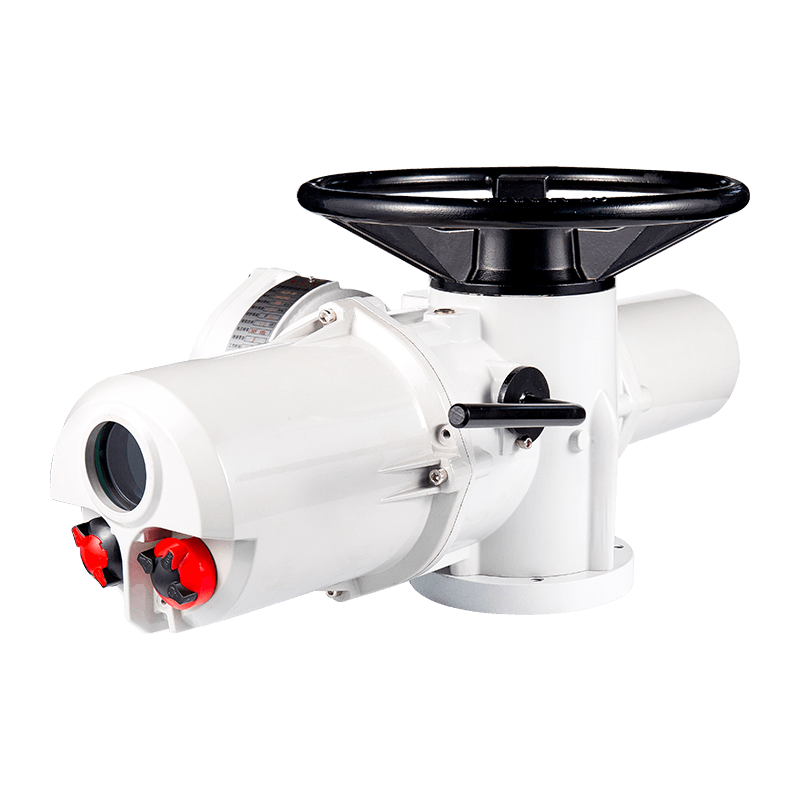
The AUKEMA rotary intelligent electric actuator has two control types: AK intelligent switch type and AKM intelligent ad...
See Details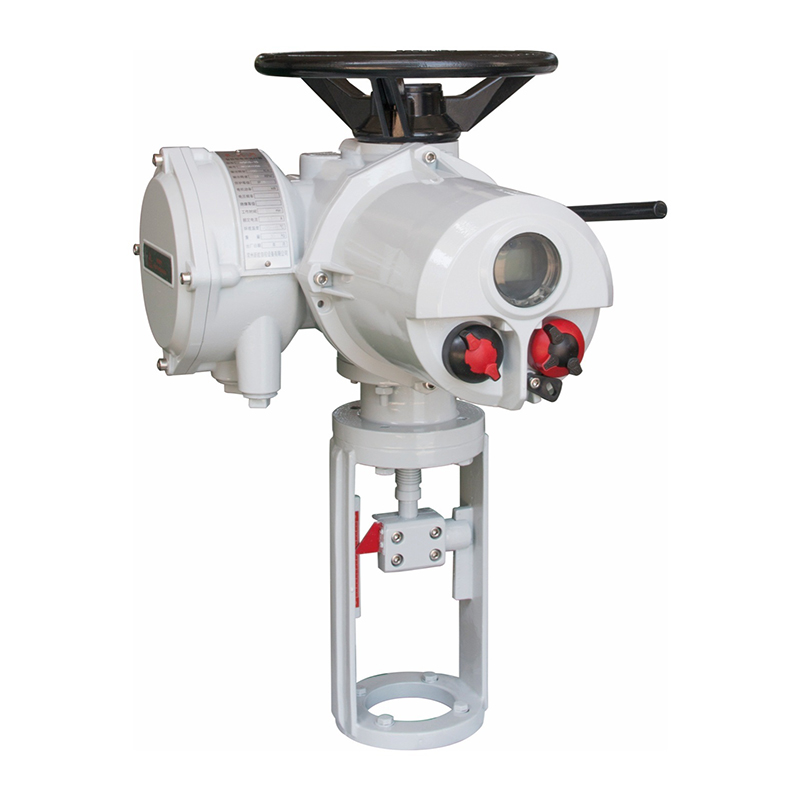
AKML linear stroke adjustable intelligent electric actuator, suitable for valves with linear thrust action, consists of ...
See Details
Mainly used in the industrial field, equipped with the new Keyou A8 intelligent valve actuator control system, it has po...
See Details

Copyright 2024 Changzhou Xinneng Automatic Control Equipment Co., Ltd All Rights Reserved.