
0086 15335008985


 русский
 Español
 Search
Home / News / Industry News / What Is an Actuator and How Do You Choose the Right Type for Your Valve?
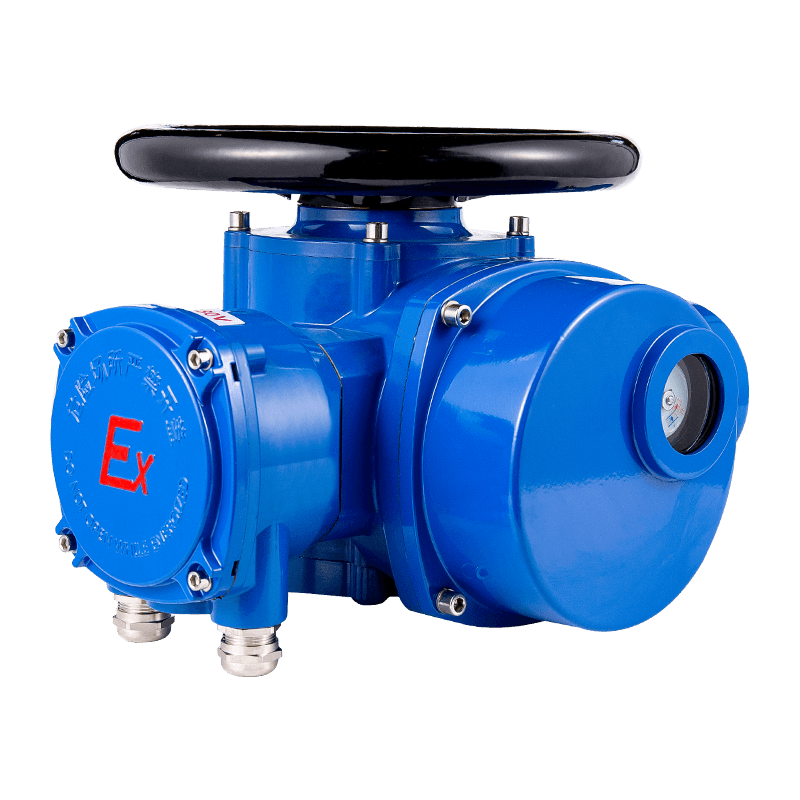
What Is an Actuator and How Do You Choose the Right Type for Your Valve?
Definition of Actuators: What They Are and What They Do
In almost every process plant, water treatment facility, or underground mining operation, there is a piece of equipment quietly doing the physical work that keeps a system running: the actuator. The definition of actuators is straightforward once you strip away the jargon: an actuator is a mechanical device that converts a source of energy, usually electrical, pneumatic, or hydraulic, into controlled physical motion. That motion is then used to open, close, or throttle a valve, damper, or other final control element.
Quick definition: An actuator is the muscle behind automated valve control. It receives a control signal, converts stored or supplied energy into rotary or linear motion, and moves the valve stem or ball to the commanded position.
So what is actuator used for in practical terms? Actuators are used wherever a valve, gate, or mechanical linkage needs to be operated remotely, repeatedly, or with precision that a person turning a handwheel simply cannot match. Typical applications include regulating flow in a pipeline, isolating a section of a system during an emergency shutdown, adjusting damper position in an HVAC duct, and controlling underground ventilation equipment in coal mining. Without actuators, plant operators would need to manually walk to every valve and adjust it by hand, which is slow, inconsistent, and in many cases unsafe.
Types of Actuators: The 4 Main Categories Explained
When people ask about the different types of actuators, most industrial catalogs group them into four broad categories based on their energy source. Understanding these 4 types of actuators is the first step toward specifying the right equipment for a given application.
| Actuator Type | Energy Source | Typical Motion | Common Application |
|---|---|---|---|
| Electric | Electric motor and gearbox | Rotary or linear, precise positioning | Process valves, remote automation |
| Pneumatic | Compressed air | Fast quarter-turn or linear stroke | On-off and fast-cycling valves |
| Hydraulic | Pressurized fluid | High force, slow to moderate speed | Large diameter valves, heavy machinery |
| Manual or mechanical | Human effort or spring force | Handwheel or lever driven | Backup operation, small valves |
Each category has its own strengths. Electric and pneumatic actuators dominate modern industrial automation because they interface easily with control systems, while hydraulic units are reserved for applications where raw force outweighs the need for compact size. Manual actuators remain relevant as a fail-safe backup when power or air supply is interrupted.
Electric Actuators: The Backbone of Modern Valve Automation
electric actuators use an integral motor, reduction gearing, and a control module to move a valve stem or ball to a commanded position. Because they only draw power when moving, they are well suited to facilities where compressed air infrastructure is expensive or unavailable. Modern units typically include a local control station, position feedback, torque limiting, and communication interfaces for integration into a plant-wide control system.
The main advantages of electric actuation in industrial valve automation include:
- Precise, repeatable positioning suitable for modulating control, not just open-close duty
- No need for a compressed air network, reducing installation cost in remote locations
- Built-in diagnostics such as torque monitoring and thermal protection
- Compatibility with standard industrial communication protocols for remote monitoring
Electric actuators are commonly specified for gate, globe, ball, butterfly, and plug valves across water treatment, power generation, oil and gas, and chemical processing industries.
Multi Turn vs Quarter Turn Electric Actuators: Matching Actuator to Valve
Not all valves move the same way, and this is where the distinction between multi-turn and quarter-turn actuators becomes important for correct specification.
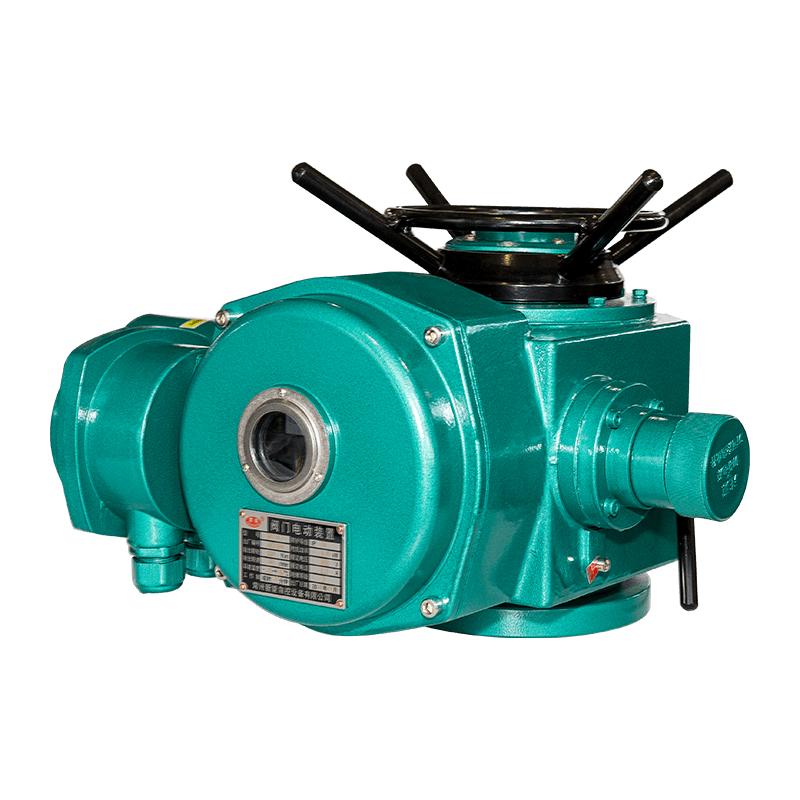
Multi Turn Electric Actuator
A multi turn electric actuator is designed to deliver many full rotations of output torque, matching the threaded stem travel of gate and globe valves. These actuators are ideal where the valve requires dozens or even hundreds of turns to move from fully closed to fully open.
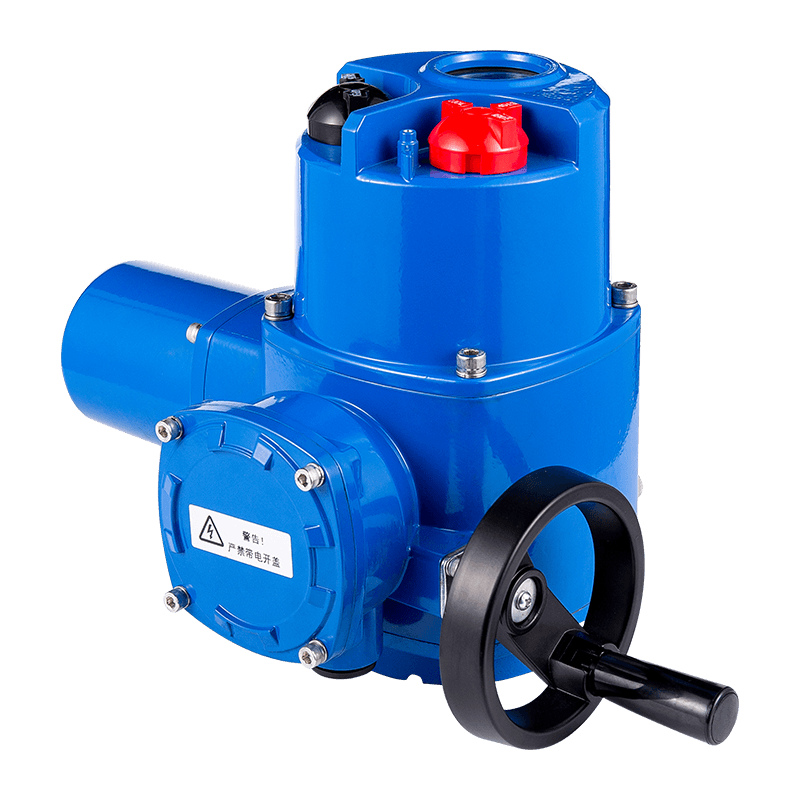
Quarter Turn Electric Actuator
A quarter turn electric actuator delivers a 90 degree output stroke, matching the operating range of ball and butterfly valves. Because the full stroke is short, these actuators typically cycle faster than multi-turn units of similar torque rating.
| Feature | Multi Turn | Quarter Turn |
|---|---|---|
| Typical valve type | Gate, globe, plug | Ball, butterfly, damper |
| Output motion | Multiple rotations | 90 degree rotation |
| Cycle speed | Slower, gradual | Faster, near instant |
| Best suited for | Throttling and isolation on long-stem valves | Quick shutoff and flow diversion |
Linear Electric Actuators for Straight-Line Motion Control
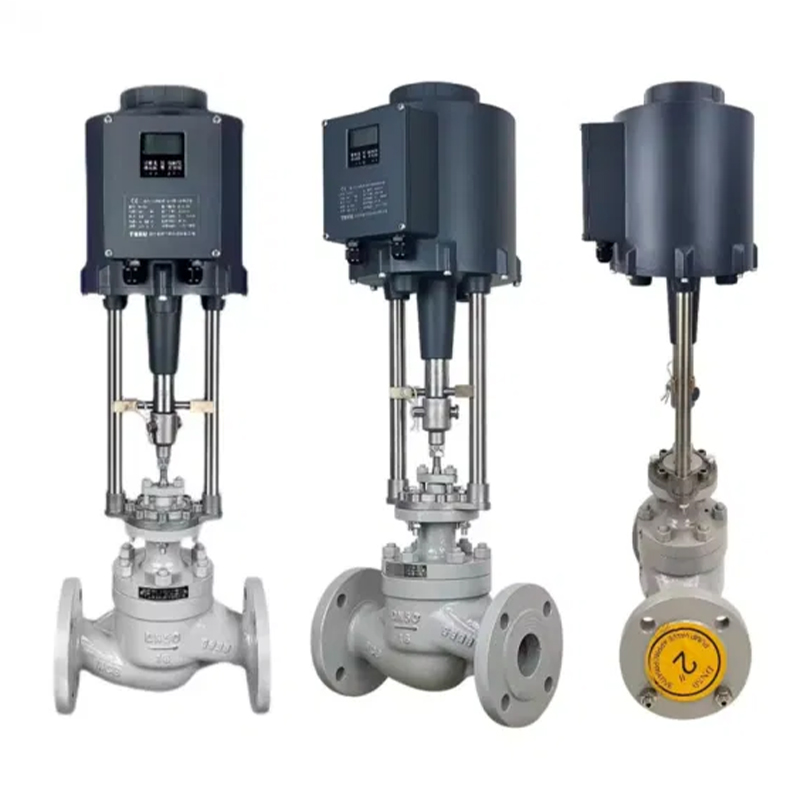
Some valves and mechanical assemblies do not rotate at all; instead, they rely on a push-pull stem that travels in a straight line. A liner electric actuator is built to convert the rotary output of an internal motor into linear thrust through a lead screw or similar mechanism. This design is common on control valves, dampers with sliding gates, and certain linear isolation valves where rotary motion cannot be applied directly to the stem.
Key considerations when specifying a linear electric actuator include maximum stroke length, thrust force required to overcome stem friction and pressure loading, and the need for manual override in case of power loss.
Pneumatic Actuators: Fast Cycling With Inherent Fail-Safe Options
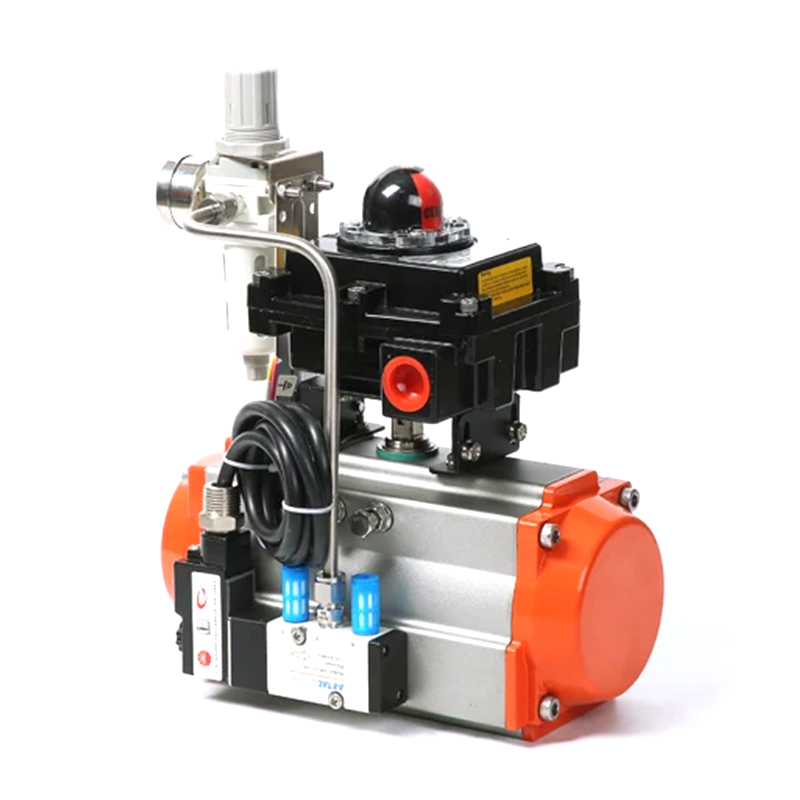
pneumatic actuators use compressed air acting on a piston or diaphragm to generate rotary or linear force. Because compressed air is stored energy, pneumatic actuators are naturally suited to fail-safe actuator systems: a spring-return design will automatically drive the valve to a predetermined safe position if air supply is lost, without relying on electrical power at all.
Typical benefits of pneumatic actuation include:
- Very fast cycle times, often under a second for smaller quarter-turn units
- Simple, robust construction with few electronic components to fail
- Inherent compatibility with hazardous areas since no electrical spark is generated at the actuator itself
- Lower unit cost where a compressed air network already exists on site
The trade-off is that pneumatic systems require a reliable, well-maintained air supply, and precise modulating control is generally more complex to achieve than with electric actuation.
Coal Mine Electric Actuator: Engineered for Extreme Underground Conditions
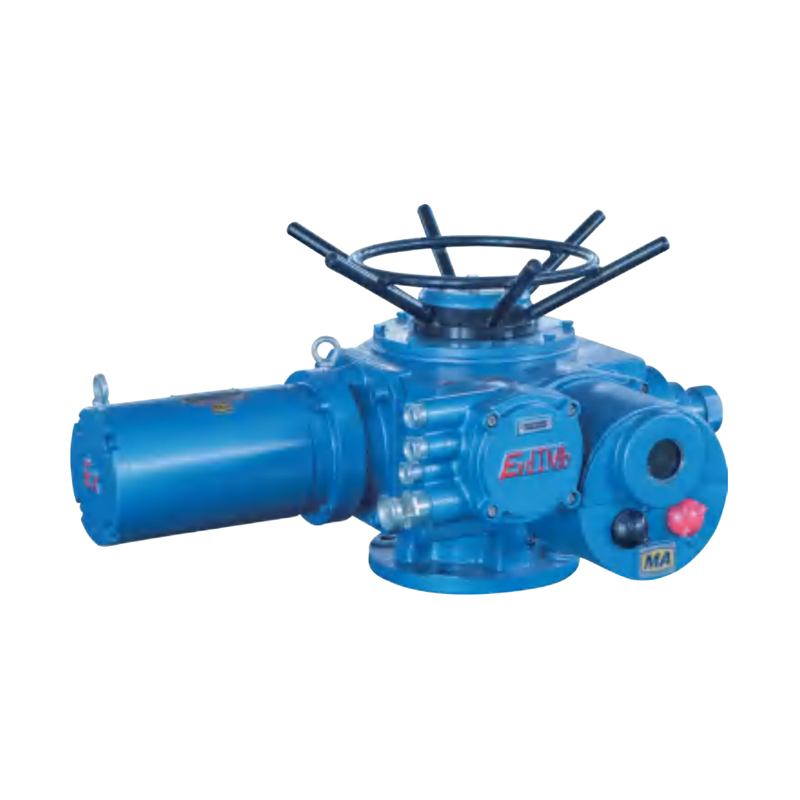
Underground mining presents one of the harshest operating environments for any piece of automation equipment. Flammable gas, coal dust, high humidity, and constant vibration all place additional demands on valve actuation. A coal mine electric actuator is built with a reinforced, flameproof enclosure designed to contain any internal spark or arc so it cannot ignite an explosive atmosphere outside the housing.
When choosing the right actuator for mining applications, several factors go beyond the standard surface-plant checklist:
- Certified explosion-proof or flameproof enclosure rating appropriate to the mine's gas and dust classification
- Corrosion resistant coatings and sealing to withstand persistent moisture and coal dust ingress
- Reinforced cabling and connectors resistant to mechanical impact from moving equipment
- Local manual override so ventilation or dewatering valves can still be operated during a power outage
These requirements make coal mine electric actuators a distinct product category rather than a simple variant of a standard industrial unit.
How to Select the Right Actuator: A Practical Decision Framework
Choosing between electric, pneumatic, multi-turn, quarter-turn, or linear actuation comes down to a short list of engineering questions. The diagram below outlines the general decision sequence used by automation engineers when specifying a new actuator.
Torque Requirements for Ball Valves: A General Reference
Torque requirements for ball valves increase with valve diameter and line pressure, and manufacturers publish torque tables for exact sizing. As a general reference for planning purposes only, engineers commonly see the following relative pattern:
| Ball Valve Size Range | Relative Torque Demand | Typical Actuator Class |
|---|---|---|
| Small bore, up to 2 inch | Low | Compact quarter-turn electric or pneumatic |
| Medium bore, 3 to 8 inch | Moderate | Standard quarter-turn electric |
| Large bore, above 8 inch | High | Heavy duty quarter-turn or hydraulic assist |
Always confirm the actual required torque against the valve manufacturer's data sheet, including a safety margin for seat friction and end-of-travel seating torque, before finalizing an actuator selection.
Electric vs Pneumatic Actuation in Hazardous Environments
For projects involving flammable gas, coal dust, or other classified hazardous areas, the choice between electric and pneumatic actuation in hazardous environments deserves particular attention.
| Consideration | Electric Actuator | Pneumatic Actuator |
|---|---|---|
| Fail-safe on loss of supply | Requires battery backup or mechanical fail-safe module | Inherent with spring-return design |
| Explosion protection method | Flameproof or increased safety enclosure | Intrinsically low spark risk at actuator body |
| Positioning accuracy | High, suitable for modulating duty | Best for on-off duty unless fitted with a positioner |
| Infrastructure dependency | Reliable electrical supply and cabling | Clean, dry, adequately sized compressed air network |
In practice, many hazardous-area facilities use a mix of both technologies, applying pneumatic actuation where fast, fail-safe shutoff is critical, and electric actuation where precise, remote-controlled modulation is the priority.
Frequently Asked Questions
Q1: What is actuator used for in a typical process plant?
An actuator is used to automatically open, close, or throttle a valve or damper based on a control signal, removing the need for an operator to adjust the device by hand.
Q2: What are the 4 types of actuators most commonly referenced in industry?
The four commonly referenced categories are electric, pneumatic, hydraulic, and manual or mechanical actuators, each defined by its energy source.
Q3: How do I know if I need a multi turn or quarter turn electric actuator?
The valve type determines this: gate and globe valves with threaded stems typically need a multi turn electric actuator, while ball and butterfly valves with a 90 degree stroke need a quarter turn electric actuator.
Q4: Why are coal mine electric actuators different from standard units?
Coal mine electric actuators include flameproof enclosures, reinforced sealing, and corrosion protection to safely operate in explosive, dusty, and humid underground conditions.
Q5: Is a pneumatic actuator always fail-safe?
Not automatically. Fail-safe behavior on loss of air supply depends on whether the actuator is fitted with a spring-return mechanism designed to drive the valve to a predetermined safe position.
Q6: How is torque for a ball valve actuator determined?
Torque is determined from the valve manufacturer's published data based on valve size, line pressure, and seat friction, with an added safety margin, rather than from a single fixed value.
Previous Post
How to Choose Actuator Manufacturers That Keep Mining Valves Running Under Pressure
Next Post
Quarter‑Turn vs Multi‑Turn Electric Actuators: How to Choose the Right Industrial Valve Automation
Related Products
-
-
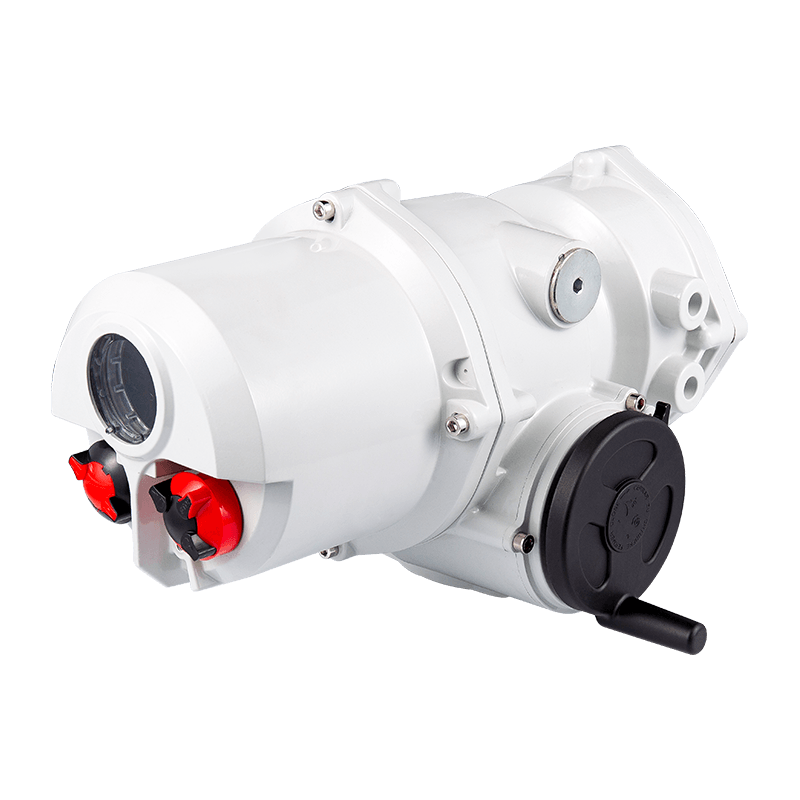
Cat:Quarter Turn Electric Actuator
The AUKEMA partially rotating intelligent electric actuator has two control types: AKQ intelligent switch type and AKQM ...
See Details
CONTACT US
Shape the Future of Product with Us!

QUICK LINKS
CONTACT INFORMATION
- ADDRESS: Laoli Industrial Park, Chaoyang Village, Hengshan Bridge Town, Wujin District, Changzhou City, Jiangsu Province, China
- TELEPHONE: 0086 15335008985
- EMAIL: [email protected]
MOBILE

Copyright 2024 Changzhou Xinneng Automatic Control Equipment Co., Ltd All Rights Reserved.
