0086 15335008985


 русский
 Español
Cat:Multi Turn Electric Actuator
The AUKEMA rotary intelligent electric actuator has two control types: AK intelligent switch type and AKM intelligent ad...
See Details
 Search
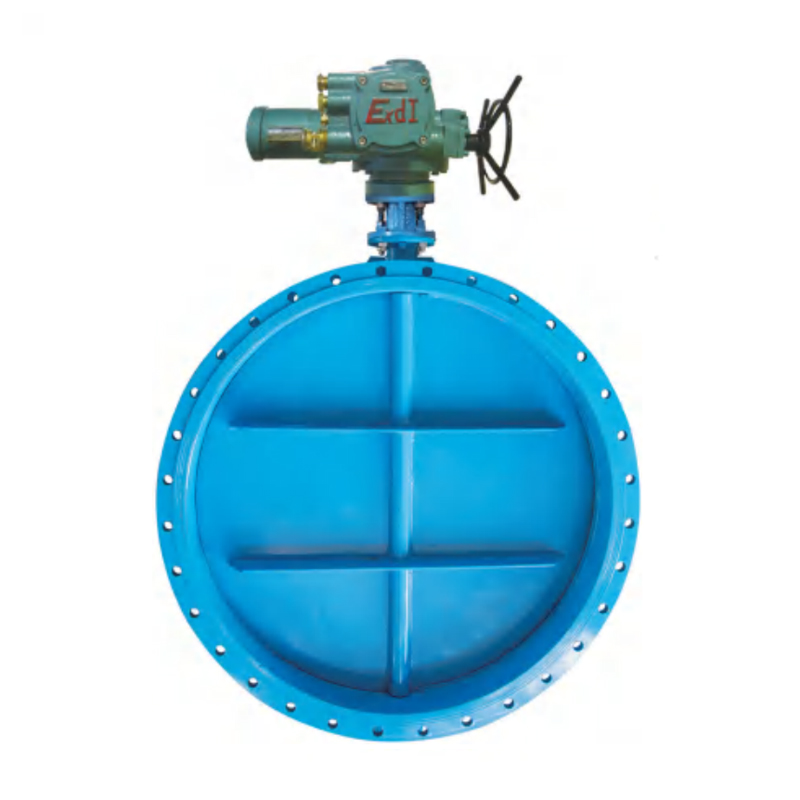
In underground mining environments, ventilation systems are fundamental to operational safety, productivity, and regulatory compliance. Among the many components that shape these systems, the mfd mining ventilation butterfly valve plays a decisive role in controlling airflow distribution, isolating ventilation branches, and supporting emergency response strategies. While the overall structure and actuation of such valves are important, sealing technology is the defining factor that determines whether the valve can perform reliably under harsh mining conditions.
Sealing technologies directly influence air leakage control, operational stability, maintenance frequency, and long-term durability. In mining ventilation networks, even minor leakage can reduce airflow efficiency, compromise ventilation planning, and increase energy consumption. Therefore, understanding what sealing technologies are used in an mfd mining ventilation butterfly valve is not merely a technical curiosity but a practical necessity for engineers, ventilation planners, and procurement specialists.
Sealing in an mfd mining ventilation butterfly valve serves a purpose distinct from sealing in fluid-handling valves. In ventilation systems, the medium is air, often laden with dust, moisture, and particulate matter. The operating pressure is typically low compared to fluid pipelines, but the volume of airflow and the operational environment present unique challenges.
The primary role of sealing is to ensure that when the valve is in a closed or throttled position, airflow passes only through the intended path. Effective sealing prevents uncontrolled leakage, which could otherwise undermine ventilation zoning and airflow balancing strategies. In mining applications, sealing performance also affects safety systems, such as the isolation of fire zones or the redirection of fresh air during emergencies.
Unlike valves used in clean industrial environments, an mfd mining ventilation butterfly valve must maintain sealing performance despite exposure to abrasive dust, structural vibration, and long operating cycles. This makes sealing technology a core design focus rather than a secondary feature.
Sealing technologies used in an mfd mining ventilation butterfly valve can be broadly grouped into several categories based on sealing principle and material interaction. These categories are not mutually exclusive, as some valve designs combine multiple sealing approaches to achieve balanced performance.
The main categories include elastomer-based soft seals, metal-based hard seals, composite sealing systems, and auxiliary sealing enhancements. Each category addresses specific operational requirements, such as leakage tolerance, temperature stability, wear resistance, and maintenance expectations.
Elastomer-based soft sealing is one of the most widely applied sealing technologies in an mfd mining ventilation butterfly valve. In this approach, a resilient sealing element is installed either on the valve disc edge or along the valve body seat. When the valve closes, the elastomer is compressed against a mating surface, creating a tight contact that blocks airflow.
The effectiveness of this sealing method lies in the material’s ability to deform slightly under contact pressure, filling minor surface irregularities. This characteristic allows soft seals to achieve low leakage levels even when manufacturing tolerances or surface wear are present.
Several elastomer materials are commonly used for soft sealing in mining ventilation valves. Selection depends on environmental exposure, temperature range, dust content, and expected service life.
| Elastomer material | Typical characteristics | Application relevance |
|---|---|---|
| Rubber-based compounds | Good elasticity and sealing conformity | Suitable for general mine ventilation conditions |
| Synthetic elastomers | Improved aging and wear resistance | Appropriate for long-term continuous operation |
| Abrasion-resistant elastomers | Enhanced resistance to dust and particles | Effective in high-dust airflow environments |
In an mfd mining ventilation butterfly valve, elastomer seals are often chosen for their ability to maintain sealing performance at low operating torque. This supports manual or simple mechanical actuation without excessive force requirements.
Soft sealing technologies offer several advantages. High initial sealing efficiency is one of the most notable benefits, making them suitable for applications where airflow isolation must be reliable. Additionally, elastomer seals are relatively forgiving of minor misalignment and surface imperfections.
However, limitations exist. Elastomers are susceptible to gradual wear caused by abrasive dust particles, and long-term exposure to moisture or temperature fluctuations can affect material properties. As a result, soft seals typically require periodic inspection and replacement to maintain performance.
Metal-to-metal hard sealing relies on direct contact between metallic surfaces to achieve airflow isolation. In this design, the sealing edge of the valve disc interfaces precisely with a machined seat on the valve body. Sealing effectiveness depends on surface finish, alignment accuracy, and structural rigidity.
In an mfd mining ventilation butterfly valve, hard sealing is often selected for environments where elastomer degradation would occur too rapidly. This includes conditions with elevated temperatures, persistent abrasive dust, or where maintenance access is limited.
Hard sealing surfaces are typically made from durable metal alloys selected for wear resistance and dimensional stability. Surface treatments may be applied to enhance performance, such as improving smoothness or reducing friction at the sealing interface.
| Hard sealing feature | Functional role | Operational benefit |
|---|---|---|
| Precision-machined sealing surfaces | Ensures consistent contact | Stable sealing over long service periods |
| Rigid structural support | Maintains alignment | Reduced performance degradation |
| Wear-resistant metal selection | Withstands abrasive airflow | Extended operational lifespan |
While metal-to-metal sealing does not achieve the same initial air tightness as soft sealing, it offers predictable performance over time, which is highly valued in long-term mining operations.
Hard sealing systems in an mfd mining ventilation butterfly valve often require higher closing torque compared to soft-sealed designs. This factor influences actuator selection and mechanical design. Additionally, because hard seals rely on precise geometry, installation accuracy becomes more critical.
Composite sealing systems combine elastomer and metal sealing elements to balance the strengths and weaknesses of each approach. In an mfd mining ventilation butterfly valve, this may involve a metal seat reinforced with a replaceable soft sealing insert or a metal disc edge supported by a resilient sealing layer.
This hybrid approach is increasingly adopted in mining ventilation applications because it addresses multiple performance requirements simultaneously. Balanced sealing efficiency, reasonable wear resistance, and manageable maintenance demands can be achieved without excessive compromise.
Composite sealing systems allow designers to tailor sealing performance to specific mine conditions. For example, the elastomer component can compensate for minor wear or deformation, while the metal structure provides long-term dimensional stability.
This adaptability makes composite sealing particularly relevant for users searching for durable ventilation valves or low leakage butterfly valves for mining, as it aligns with both operational and economic considerations.
Beyond the primary disc-to-seat interface, sealing around the valve shaft is another important consideration. In an mfd mining ventilation butterfly valve, shaft sealing prevents air leakage along the actuation axis and protects internal components from dust ingress.
Common approaches include packing-based seals or integrated sealing rings designed to accommodate rotational movement. These features contribute to overall sealing integrity, even though they do not directly control main airflow.
Valve-to-duct interfaces also influence overall leakage performance. Proper sealing at flanged or clamped connections ensures that the effectiveness of the valve’s internal sealing is not undermined by external leakage paths. While not part of the valve’s internal sealing technology, these interfaces are considered during system-level design.
In mining ventilation systems, sealing technologies are evaluated based on acceptable leakage levels rather than absolute airtightness. The sealing performance of an mfd mining ventilation butterfly valve must align with ventilation planning assumptions and regulatory expectations.
Soft seals generally offer lower leakage rates initially, while hard seals provide more stable performance over extended periods. Composite systems aim to deliver a balanced leakage profile.
Sealing durability directly affects maintenance planning. Elastomer-based seals may require replacement as part of routine servicing, whereas metal sealing surfaces are typically maintained through inspection and cleaning.
The choice of sealing technology often reflects a trade-off between maintenance frequency, initial cost, and operational reliability. Buyers searching for long service life ventilation valves often prioritize predictable performance over minimal initial leakage.
Selecting the appropriate sealing technology for an mfd mining ventilation butterfly valve involves a holistic assessment of operating conditions, ventilation system design, and maintenance capabilities. Factors commonly considered include dust concentration, humidity, operating cycles, and accessibility for inspection.
Rather than relying on a single criterion, effective selection balances technical requirements with practical constraints. This approach ensures that sealing technology supports the broader objectives of mine ventilation management.
Sealing elements are subject to gradual wear due to airflow-induced abrasion and mechanical cycling. Monitoring sealing performance through inspection and airflow measurement helps identify degradation before it impacts system effectiveness.
Soft seals typically show visible wear or loss of elasticity, while hard seals may exhibit surface scoring or alignment issues. Understanding these wear mechanisms supports informed maintenance planning.
In many mfd mining ventilation butterfly valve designs, sealing components are designed for replacement without removing the entire valve from service. This reduces downtime and simplifies maintenance logistics.
Composite sealing systems often offer the greatest flexibility in this regard, as replaceable soft elements can restore sealing performance without extensive structural work.
| Sealing technology type | Key advantage | Primary limitation | Typical application focus |
|---|---|---|---|
| Elastomer soft sealing | High sealing efficiency | Wear over time | Low leakage requirements |
| Metal-to-metal sealing | Long-term stability | Higher torque needs | Harsh environments |
| Composite sealing | Balanced performance | More complex design | Mixed operating conditions |
This comparison highlights that no single sealing technology is universally optimal. Instead, each approach serves specific operational priorities within mining ventilation systems.
Sealing technologies are a defining aspect of the performance and reliability of an mfd mining ventilation butterfly valve. From elastomer-based soft seals to metal-to-metal hard sealing and hybrid composite designs, each technology addresses different challenges posed by underground mining environments.
Understanding these sealing approaches enables engineers, operators, and procurement professionals to make informed decisions aligned with ventilation system objectives. By focusing on air leakage control, durability, and maintenance practicality, sealing technology selection becomes a strategic component of mine ventilation planning rather than a secondary consideration.
As mining operations continue to prioritize safety, efficiency, and long-term operational stability, the role of advanced and well-matched sealing technologies in mfd mining ventilation butterfly valve design will remain essential.
What is the most common sealing technology used in an mfd mining ventilation butterfly valve?
Elastomer-based soft sealing is commonly used due to its ability to achieve low leakage levels and accommodate minor misalignment.
Why are metal-to-metal seals used in mining ventilation valves?
Metal-to-metal seals are selected for environments with high dust levels or temperature variations where elastomer degradation may occur.
How does sealing affect airflow control accuracy?
Effective sealing ensures that airflow changes correspond accurately to valve position, supporting precise ventilation management.
Can sealing components be replaced without removing the valve?
Many designs allow sealing elements to be replaced in situ, reducing maintenance downtime.
How often should sealing performance be inspected?
Inspection frequency depends on operating conditions, but regular evaluation is recommended to ensure consistent ventilation performance.
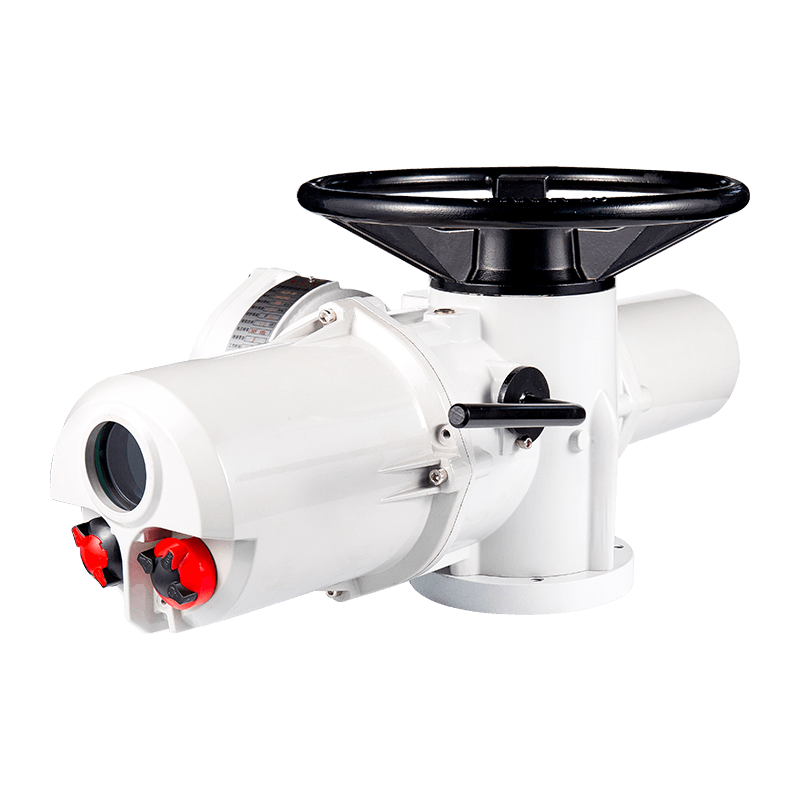
The AUKEMA rotary intelligent electric actuator has two control types: AK intelligent switch type and AKM intelligent ad...
See Details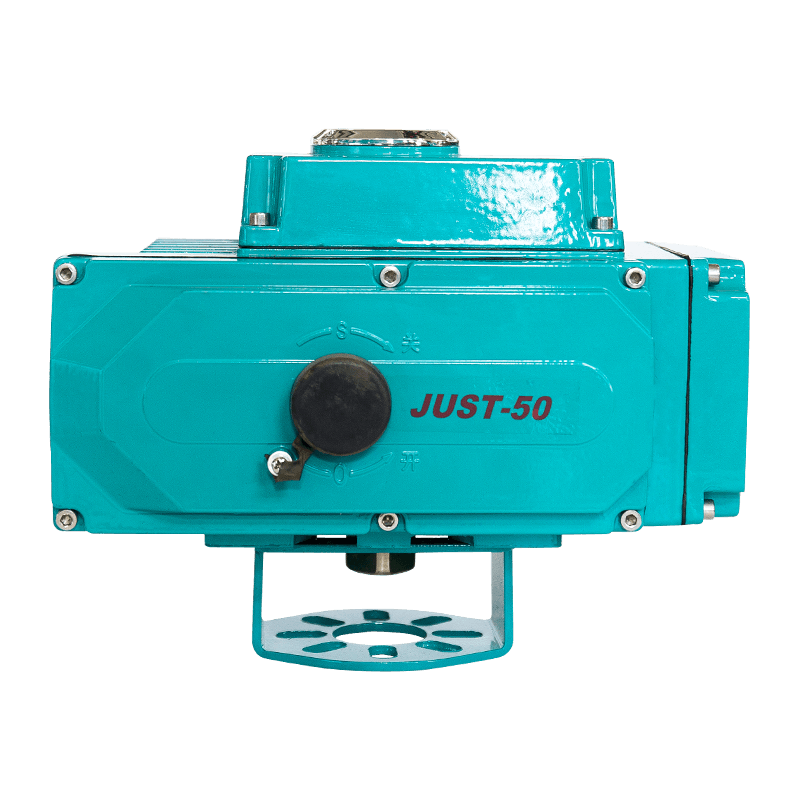
Compared with similar products, the QC series valve electric actuator has desirable performance and undeniable advantage...
See Details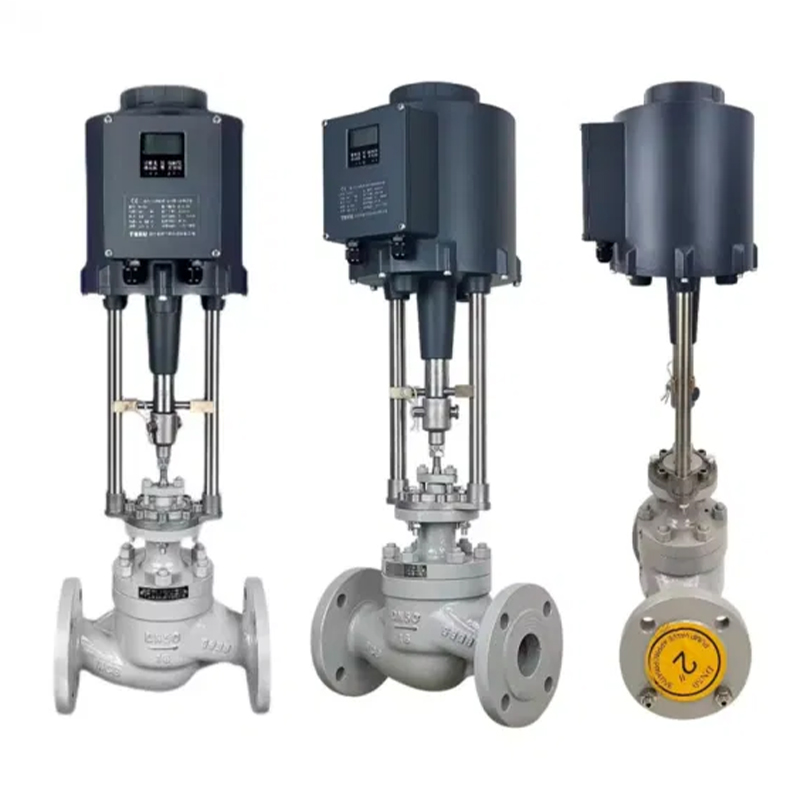
Mainly used in the industrial field, equipped with the new Keyou A8 intelligent valve actuator control system, it has po...
See Details

Copyright 2024 Changzhou Xinneng Automatic Control Equipment Co., Ltd All Rights Reserved.