0086 15335008985


 русский
 Español
Cat:Quarter Turn Electric Actuator
The AUKEMA partially rotating intelligent electric actuator has two control types: AKQ intelligent switch type and AKQM ...
See Details
 Search
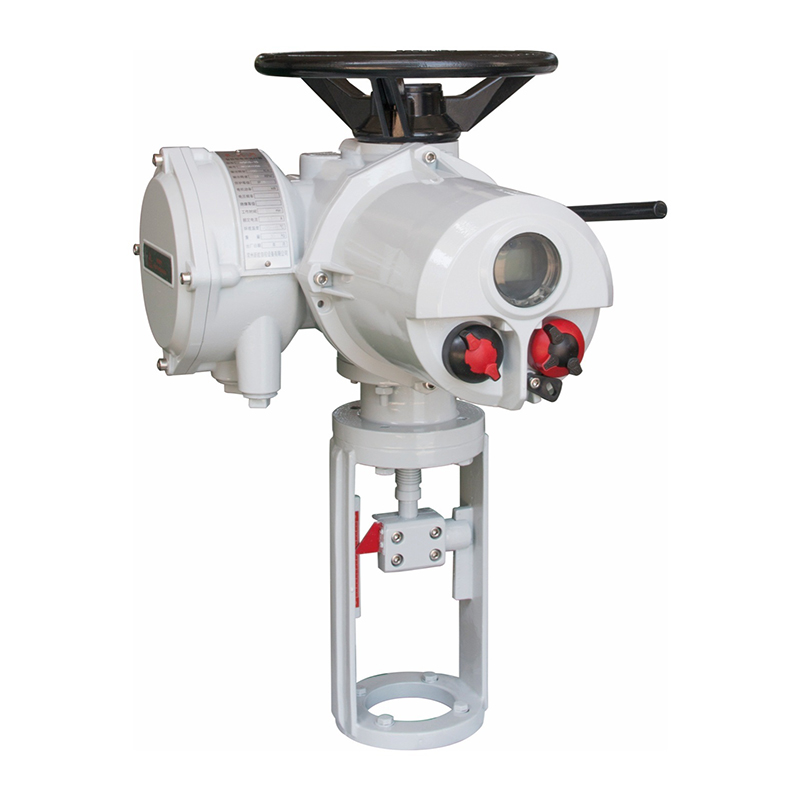
A linear actuator is a device that converts energy into straight-line motion — as opposed to the rotational motion produced by a standard motor. In simple terms, it pushes or pulls an object in a straight line. Linear actuators are used wherever precise, controlled linear movement is needed: raising a hospital bed, extending a solar panel, opening an industrial valve, or moving a machine arm along an assembly line.
Among all types, the linear electric actuator is the most widely adopted in modern industry due to its clean operation, programmable control, and low maintenance requirements. It uses an electric motor combined with a mechanical lead screw or ball screw to convert rotational energy into linear displacement.
Understanding how an electric motor works is key to understanding how a linear electric actuator operates. Here is the step-by-step process:
The result is precise, repeatable straight-line movement that can be controlled electronically with millimeter-level accuracy.
Two primary motor types are used in linear electric actuators:
| Feature | DC Motor | AC Motor |
|---|---|---|
| Power Source | Battery / DC supply (12V, 24V, 48V) | Mains supply (110V, 220V) |
| Speed Control | Easy via voltage/PWM | Requires VFD for variable speed |
| Typical Use | Mobile equipment, automation | Industrial fixed installations |
| Efficiency | High at lower voltages | High at full load |
| Noise Level | Low to medium | Low |
Most portable and mid-range industrial linear actuators use 24V DC motors, which offer a good balance of power, controllability, and compatibility with PLC-based systems.
A typical linear electric actuator includes the following core components:
The quality of the screw mechanism strongly influences performance. Ball screws offer higher efficiency (up to 90%) and smoother motion, while lead screws are self-locking and more cost-effective for lower-duty applications.
Linear actuators come in several forms. Each has distinct advantages depending on the application environment:
| Type | Drive Source | Typical Force Range | Best For |
|---|---|---|---|
| Electric (Motor-driven) | DC / AC Motor | 50 N – 50,000 N | Automation, medical, agriculture |
| Hydraulic | Pressurized fluid | 1,000 N – 500,000 N | Heavy construction, presses |
| Pneumatic | Compressed air | 100 N – 30,000 N | Fast-cycling factory lines |
| Mechanical (Manual) | Hand crank / lever | Varies | Simple, low-frequency tasks |
Electric linear actuators are increasingly preferred because they require no hydraulic fluid, no air compressor, and generate zero leakage risk — making them ideal for clean environments and precision automation.
When selecting a linear electric actuator, these specifications define suitability for your application:
This is the total distance the output rod travels from fully retracted to fully extended. Common ranges are 50 mm to 1,000 mm, with custom options available for special applications.
Measured in Newtons (N) or kilogram-force (kgf). A small desk-height adjustment actuator may handle 200–500 N, while heavy-duty industrial models can exceed 20,000 N. Always factor in both static holding load and dynamic operating load.
Extension and retraction speeds typically range from 2 mm/s to 100 mm/s. Higher speed usually means lower force output given the same motor power — a trade-off managed through gearing ratio selection.
Expressed as a percentage (e.g., 25%, 50%, or continuous). A 25% duty cycle means the actuator can operate for 1 minute out of every 4 minutes. Exceeding duty cycle ratings leads to motor overheating and premature failure.
The Ingress Protection rating indicates resistance to dust and moisture. IP65 is standard for most industrial outdoor use; IP67 or IP69K is required for washdown or submersion environments.
Linear electric actuators are found across a wide range of industries. Common real-world examples include:
In solar tracking alone, studies show that a single-axis tracking system using linear actuators can increase energy yield by 25–35% compared to fixed-tilt installations.
Choosing the correct actuator prevents costly failures and premature replacements. Follow this practical selection process:
A well-matched actuator will operate well within its rated limits, extending service life to 10,000 cycles or more in typical applications.
The shift toward electric linear actuators in modern engineering is driven by clear, measurable benefits:
A motor produces rotational motion. A linear actuator converts that rotation into straight-line movement using a screw mechanism. In an electric linear actuator, the motor is integrated inside the actuator housing.
Yes. Actuators with a lead screw (rather than a ball screw) are self-locking and hold position when power is off. Ball screw models require a brake or holding circuit to maintain position.
12V and 24V DC are the most common for industrial and mobile applications. 110V and 220V AC models are used for fixed industrial installations.
Typical service life ranges from 10,000 to 100,000 cycles depending on load, duty cycle, and environment. Proper sizing and IP-rated protection significantly extend lifespan.
IP66 means the actuator is fully dust-tight (6) and protected against powerful water jets from any direction (6). It is suitable for outdoor and washdown environments.
No. A servo system uses a motor plus a closed-loop feedback controller to maintain precise position or speed. A linear actuator may or may not include feedback — those with encoders can function as part of a servo system, but a basic actuator with limit switches is open-loop.
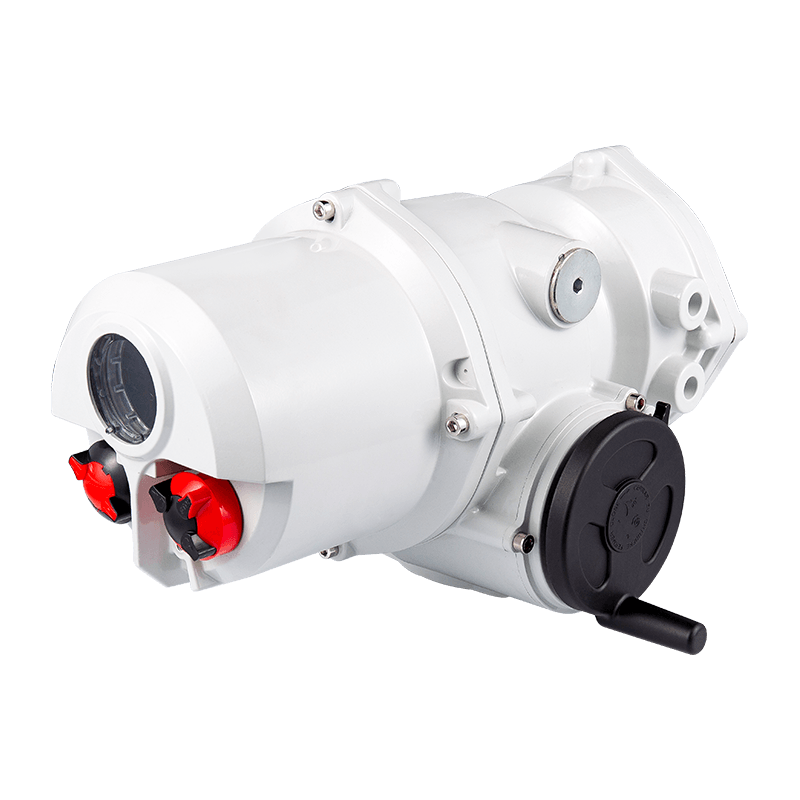
The AUKEMA partially rotating intelligent electric actuator has two control types: AKQ intelligent switch type and AKQM ...
See Details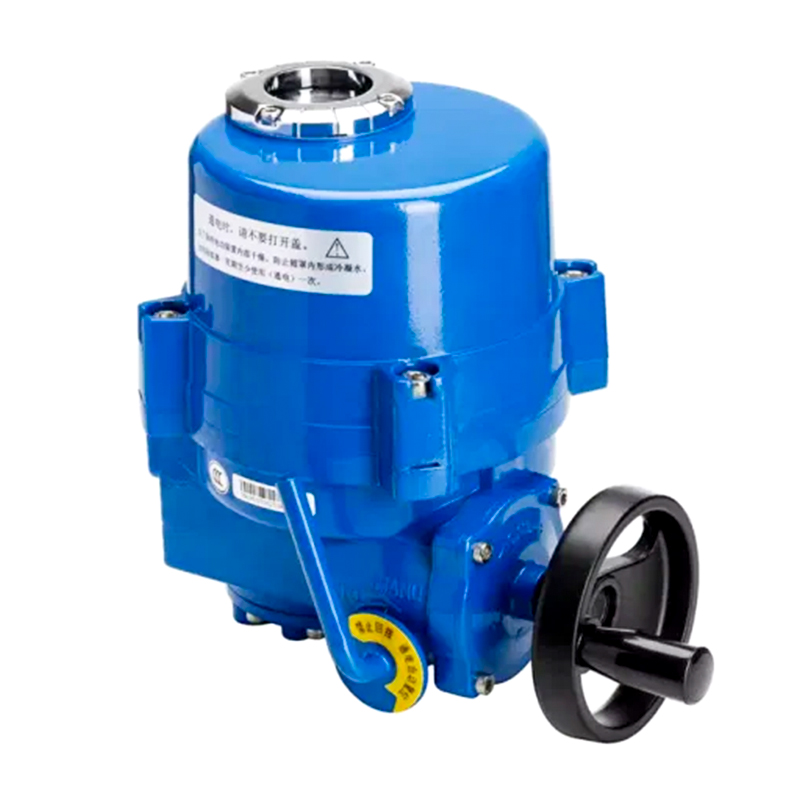
The QM series partial rotary valve electric device includes ordinary switch type, integral type, regulating type, intell...
See Details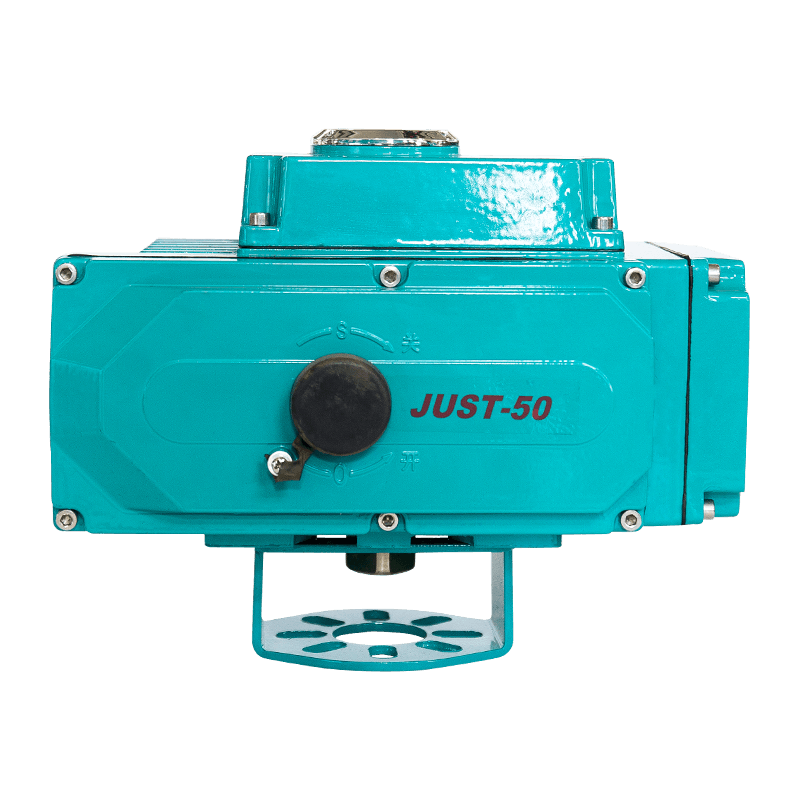
Compared with similar products, the QC series valve electric actuator has desirable performance and undeniable advantage...
See Details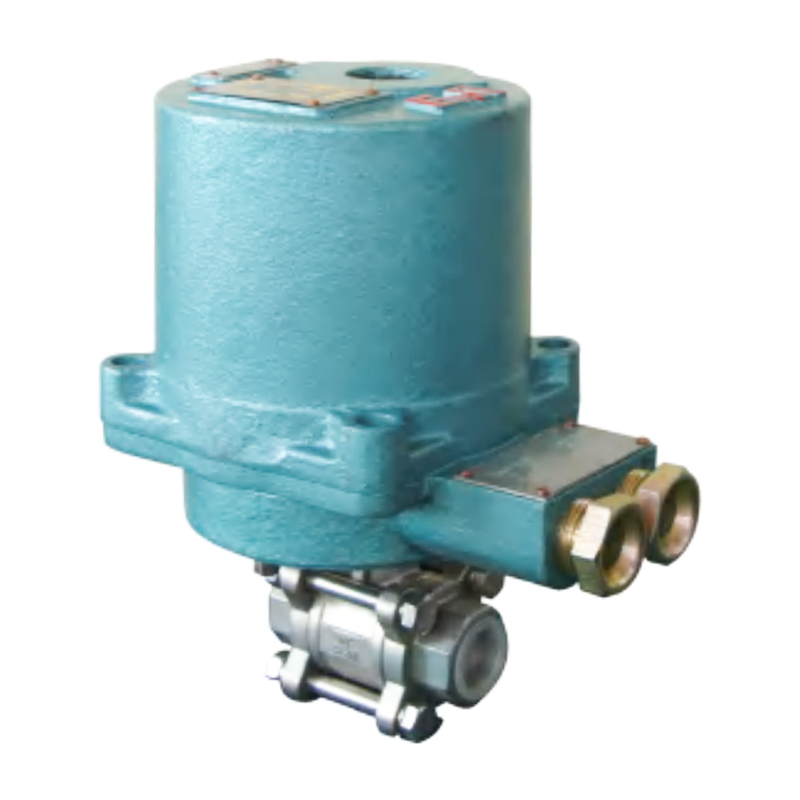
The MGQ Small Caliber High-Pressure Electric Valve is an integrated electromechanical valve engineered specifically for...
See Details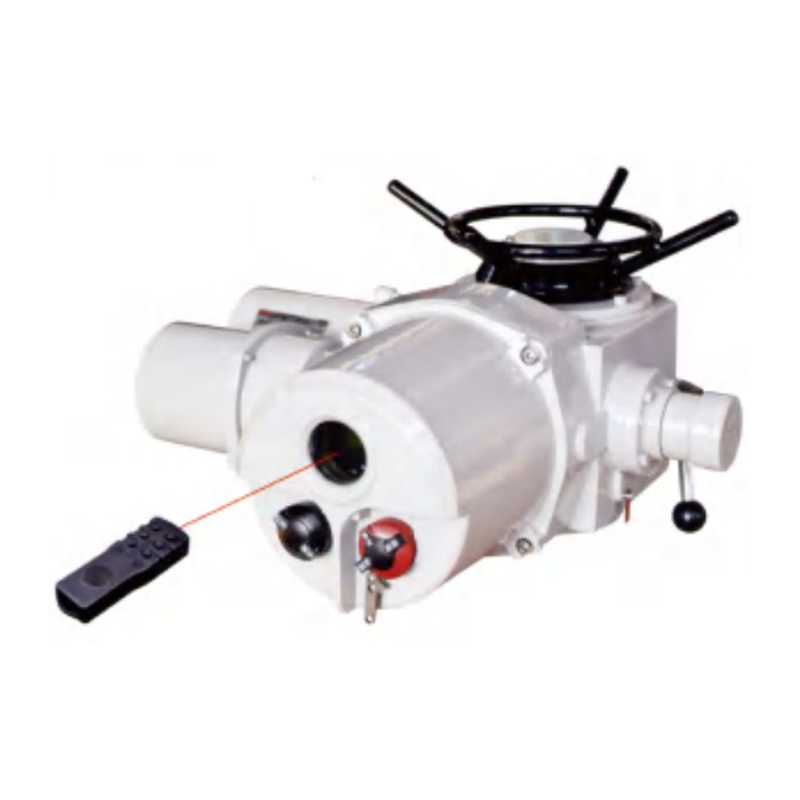
The CND-Z series is a multi turn intelligent non-invasive electric device that introduces the latest analog digital tech...
See Details

Copyright 2024 Changzhou Xinneng Automatic Control Equipment Co., Ltd All Rights Reserved.