0086 15335008985


 русский
 Español
Cat:Multi Turn Electric Actuator
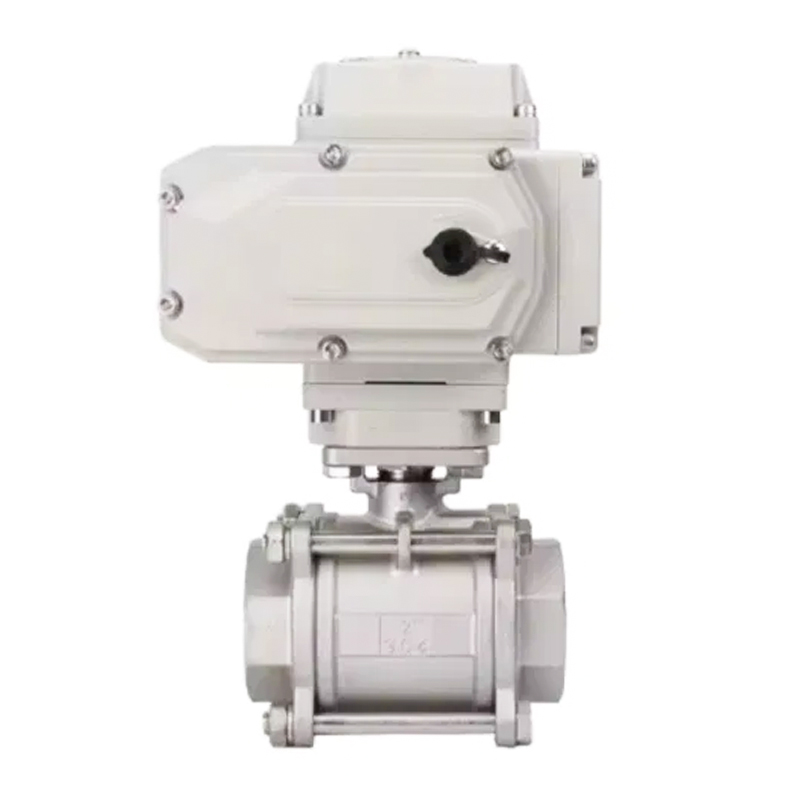
The AUKEMA rotary intelligent electric actuator has two control types: AK intelligent switch type and AKM intelligent ad...
See Details
 Search
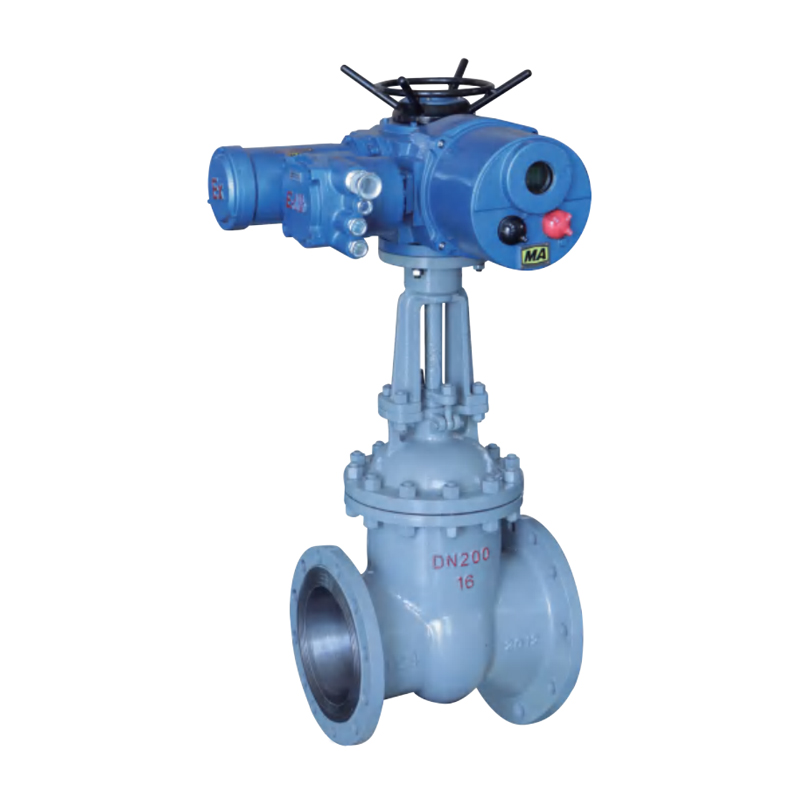
Commissioning is a decisive stage in the lifecycle of mz mining electric sniffing valve, directly influencing whether the equipment can operate reliably, safely, and consistently within a mining environment. After installation, commissioning bridges the gap between physical deployment and full operational readiness. It is not a single action, but a structured process that verifies installation integrity, confirms functional performance, aligns control logic, and ensures long-term stability under real operating conditions.
Commissioning is the structured verification and adjustment process that confirms whether mz mining electric sniffing valve performs exactly as intended within a specific mining system. Unlike installation, which focuses on physical placement and connection, commissioning evaluates operational readiness. It ensures that mechanical movement, electrical control, sensing response, and system communication all align with the defined operating conditions of the mine.
In mining environments, where gas concentration monitoring and controlled valve response are directly linked to safety management, commissioning becomes more than a procedural requirement. It represents a critical risk-control step. mz mining electric sniffing valve must respond accurately to control signals, maintain stable sealing behavior, and operate predictably under fluctuating environmental conditions such as humidity, dust exposure, and continuous duty cycles.
A well-executed commissioning process reduces the likelihood of false signals, delayed actuation, and unstable operation. It also provides a documented baseline for future maintenance and performance evaluation, which is essential for long-term system reliability.
Before active commissioning begins, a thorough preparation phase is required. This phase confirms that installation conditions meet the fundamental requirements for safe and effective commissioning.
The first step involves confirming that mz mining electric sniffing valve has been installed strictly according to the approved layout and orientation. Incorrect alignment or improper mounting can compromise valve movement and sensing accuracy. Technicians typically examine whether the valve body is securely fixed, whether the installation orientation matches the designed flow direction, and whether mechanical clearances are sufficient for normal operation.
Particular attention is given to sealing interfaces. Any misalignment at flanges or connection points can lead to leakage, which may affect the reliability of mining gas detection valve systems downstream. This verification stage establishes confidence that the physical foundation of commissioning is sound.
Electrical inspection follows mechanical verification. All power supply lines, control cables, and signal connections associated with mz mining electric sniffing valve must be checked for correctness, insulation integrity, and secure termination. Loose connections or incorrect wiring polarity can lead to unstable operation or unintended actuation during commissioning.
This step also confirms that grounding measures are properly implemented. Effective grounding is essential for underground safety equipment, as it reduces interference and supports stable signal transmission.
Commissioning should only proceed once environmental conditions are confirmed to be within acceptable operational ranges. Excessive moisture, abnormal temperature fluctuations, or airborne contaminants may distort commissioning results. The purpose of this assessment is not to control the environment permanently, but to ensure that commissioning data accurately reflects normal operating conditions.
Once pre-commissioning checks are completed, functional inspection begins. This stage verifies that mz mining electric sniffing valve responds correctly at a basic operational level before integration into a larger system.
The valve is first tested through controlled manual or low-power actuation, depending on system design. Observing the opening and closing movement allows technicians to confirm that mechanical components operate smoothly without abnormal resistance, vibration, or noise.
Smooth and consistent movement is a core indicator of mechanical integrity, as irregular motion may signal internal misalignment or contamination introduced during installation.
After manual inspection, controlled power is applied to mz mining electric sniffing valve. The objective is to observe how the valve behaves during initial energization. Proper power-on response demonstrates that internal electrical components, including actuators and control circuits, are functioning as expected.
This stage also confirms that no unexpected actuation occurs upon power application, which could otherwise pose safety risks during full system integration.
Calibration is one of the most critical commissioning steps for mz mining electric sniffing valve, particularly when the valve is part of a mining gas detection valve system. Calibration ensures that the valve responds appropriately to control inputs and sensing thresholds.
During commissioning, baseline sensitivity levels are established to match the operational requirements of the mine. These parameters define how mz mining electric sniffing valve reacts to detected changes in gas presence or control signals.
Accurate baseline calibration ensures both responsiveness and stability, preventing unnecessary actuation while maintaining readiness for genuine operational triggers.
Controlled test conditions are used to confirm that calibration parameters produce consistent results. Rather than relying on theoretical assumptions, commissioning uses practical verification to confirm real-world behavior.
This step is especially important for mining ventilation control, where coordinated response between multiple components depends on predictable valve behavior.
Commissioning does not stop at standalone verification. mz mining electric sniffing valve must function as part of a broader operational network.
Signal exchange between the valve and monitoring or control systems is tested to confirm accuracy and stability. This includes verifying that command signals are received correctly and that feedback signals accurately reflect valve status.
Reliable communication ensures that electric sniffing valve commissioning procedure aligns with operational control logic and safety protocols.
In many applications, mz mining electric sniffing valve is linked to alarm systems or interlock mechanisms. Commissioning verifies that these interactions occur correctly. When defined conditions are met, the valve must respond in coordination with alarms or system actions.
This coordinated behavior is central to underground safety management, as it supports timely and automated responses to changing conditions.
After integration testing, commissioning advances to performance verification. This stage simulates operating scenarios to confirm consistent valve behavior.
Repeated opening and closing cycles are conducted to observe consistency. Stable repetition confirms that mz mining electric sniffing valve can maintain performance under continuous duty, which is essential for long-term operation in mining environments.
Response stability is evaluated over extended periods. This ensures that sensitivity, actuation timing, and sealing behavior remain consistent, even when conditions fluctuate within normal operational ranges.
Comprehensive documentation is a required outcome of commissioning. These records provide traceability and support future maintenance or troubleshooting.
All key commissioning parameters are documented, including calibration settings, response observations, and integration results. This information establishes a reference baseline for future inspections.
Final acceptance confirms that mz mining electric sniffing valve meets all defined commissioning criteria. Acceptance documentation typically forms part of broader underground safety equipment records.
The table below summarizes typical commissioning checkpoints and their objectives.
| Commissioning stage | Key objective | Operational significance |
|---|---|---|
| Installation verification | Confirm mechanical and electrical correctness | Prevents early operational faults |
| Functional inspection | Validate basic movement and response | Ensures mechanical reliability |
| Calibration | Align sensitivity and response parameters | Supports accurate gas detection |
| System integration | Verify communication and coordination | Enables automated safety response |
| Performance verification | Confirm long-term operational stability | Reduces unplanned downtime |
Commissioning also serves as a diagnostic opportunity. Identifying issues at this stage prevents escalation during operation.
If mz mining electric sniffing valve responds too frequently or too slowly, recalibration is required. Proper commissioning ensures that sensitivity aligns with real operational needs.
Signal delays or feedback discrepancies often surface during integration testing. Addressing these during commissioning avoids future control errors.
Commissioning should always be conducted by trained personnel following structured procedures. Consistency and documentation discipline are essential, as deviations can compromise both safety and performance.
The following table outlines typical roles and responsibilities during commissioning.
| Role | Primary responsibility | Contribution to commissioning |
|---|---|---|
| Technical inspector | Verification and testing | Confirms compliance with requirements |
| Control system specialist | Signal and logic integration | Ensures system coordination |
| Safety supervisor | Process oversight | Validates safety readiness |
Effective commissioning extends beyond immediate operational readiness. It directly influences maintenance planning, performance consistency, and safety reliability over the service life of mz mining electric sniffing valve.
A thoroughly commissioned valve provides predictable behavior, simplifies future adjustments, and supports compliance with safety management practices. In contrast, inadequate commissioning often leads to repeated recalibration, unnecessary downtime, and increased operational risk.
Commissioning is an essential and structured process that transforms mz mining electric sniffing valve from a newly installed component into a fully operational element of a mining safety system. Through careful preparation, functional verification, calibration, system integration, and documentation, commissioning ensures that the valve performs reliably under real-world conditions.
By adhering to disciplined electric sniffing valve commissioning procedure practices and emphasizing clarity, accuracy, and verification, mining operations can significantly enhance the effectiveness and reliability of their mining gas detection valve systems. Proper commissioning is not merely a technical step, but a foundational measure for long-term safety and operational confidence.
What is the main purpose of commissioning mz mining electric sniffing valve after installation
The primary purpose is to verify operational readiness, ensuring the valve functions correctly, communicates reliably, and meets safety requirements before full operation.
How long does commissioning mz mining electric sniffing valve usually take
The duration varies depending on system complexity, but it typically involves several structured stages rather than a single action.
Is calibration always required during commissioning
Yes, calibration is essential to align valve sensitivity and response behavior with actual operating conditions.
Can mz mining electric sniffing valve be commissioned without system integration testing
System integration testing is strongly recommended, as the valve often operates as part of a coordinated safety and control network.
Why is documentation important in commissioning
Documentation establishes a performance baseline, supports maintenance planning, and provides traceability for safety audits.
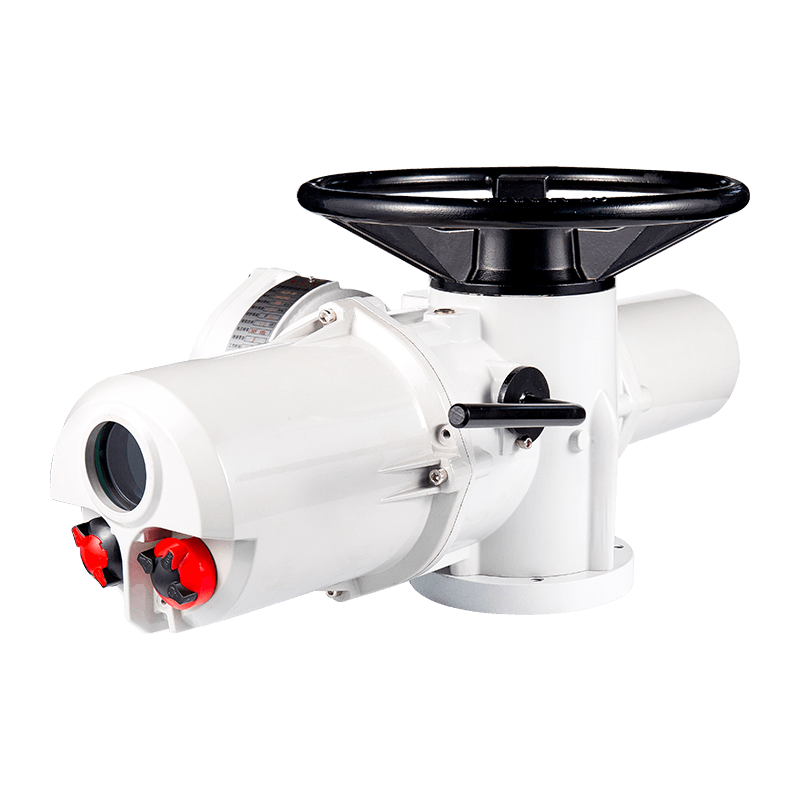
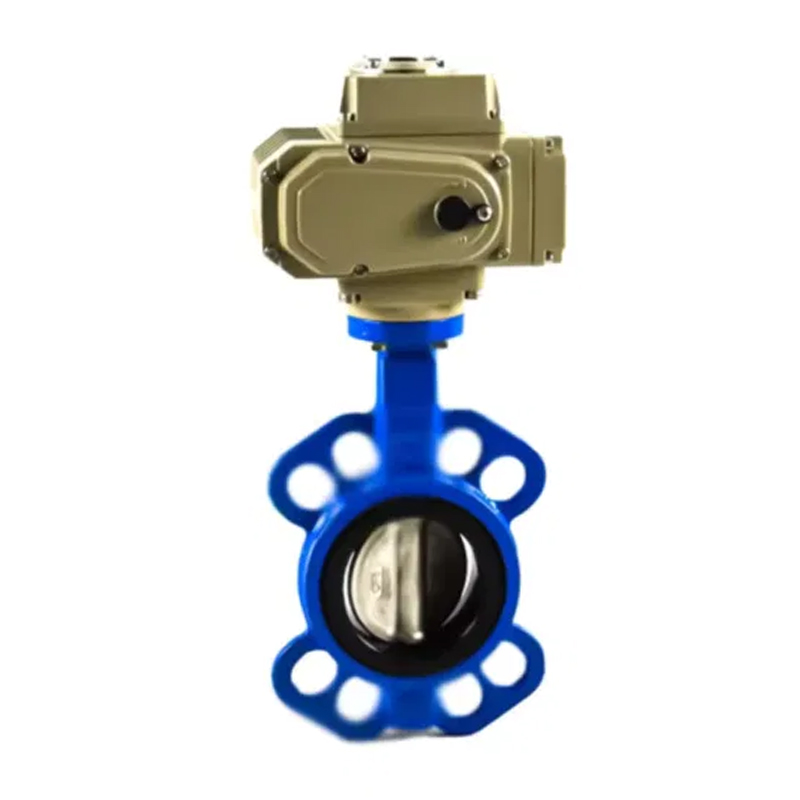
The AUKEMA rotary intelligent electric actuator has two control types: AK intelligent switch type and AKM intelligent ad...
See Details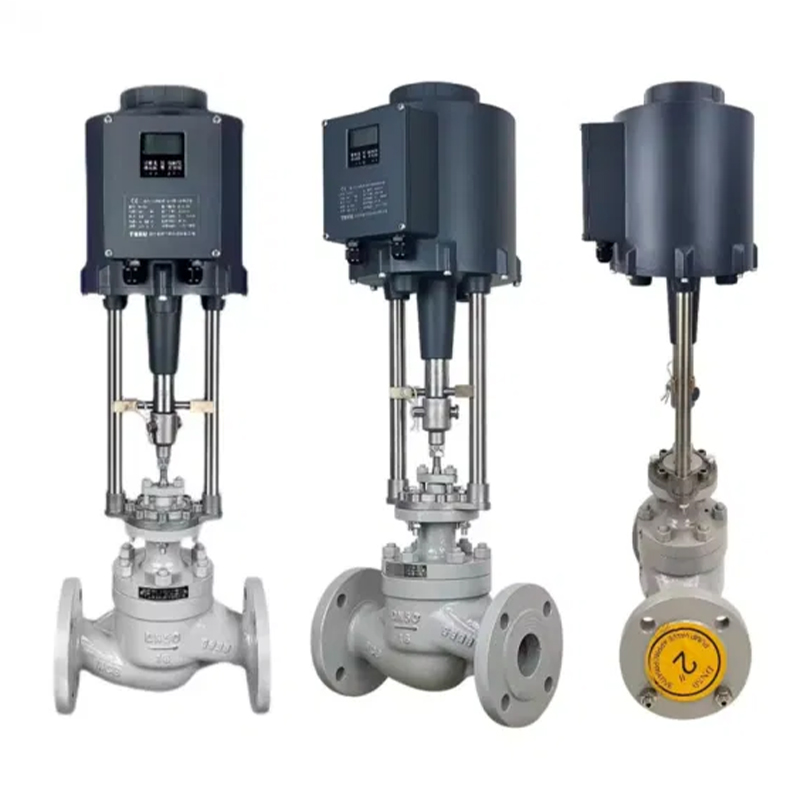
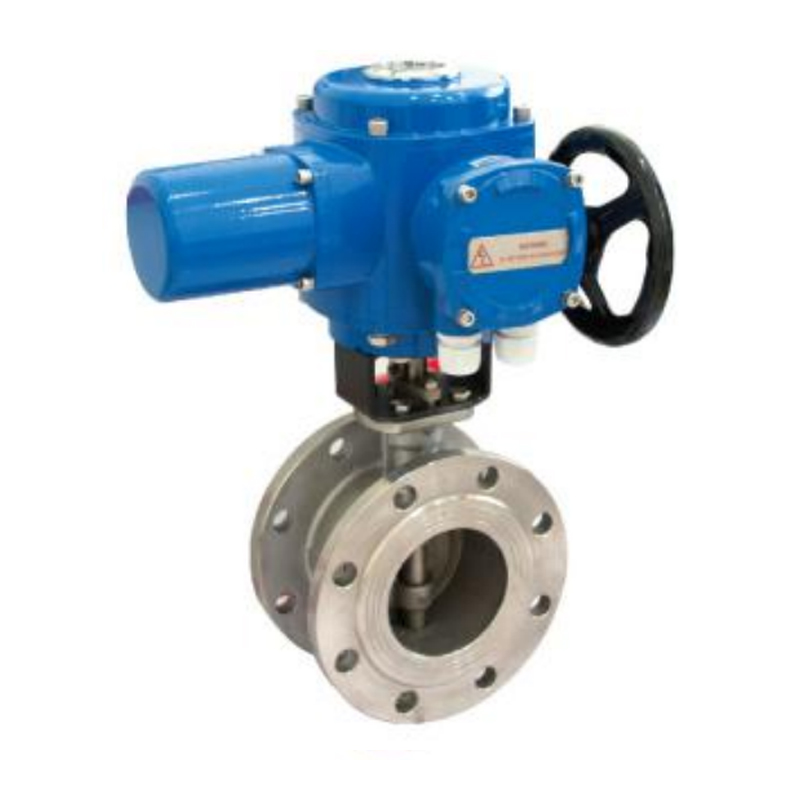
Mainly used in the industrial field, equipped with the new Keyou A8 intelligent valve actuator control system, it has po...
See Details

Copyright 2024 Changzhou Xinneng Automatic Control Equipment Co., Ltd All Rights Reserved.