0086 15335008985


 русский
 Español
Cat:Multi Turn Electric Actuator
The AUKEMA rotary intelligent electric actuator has two control types: AK intelligent switch type and AKM intelligent ad...
See Details
 Search
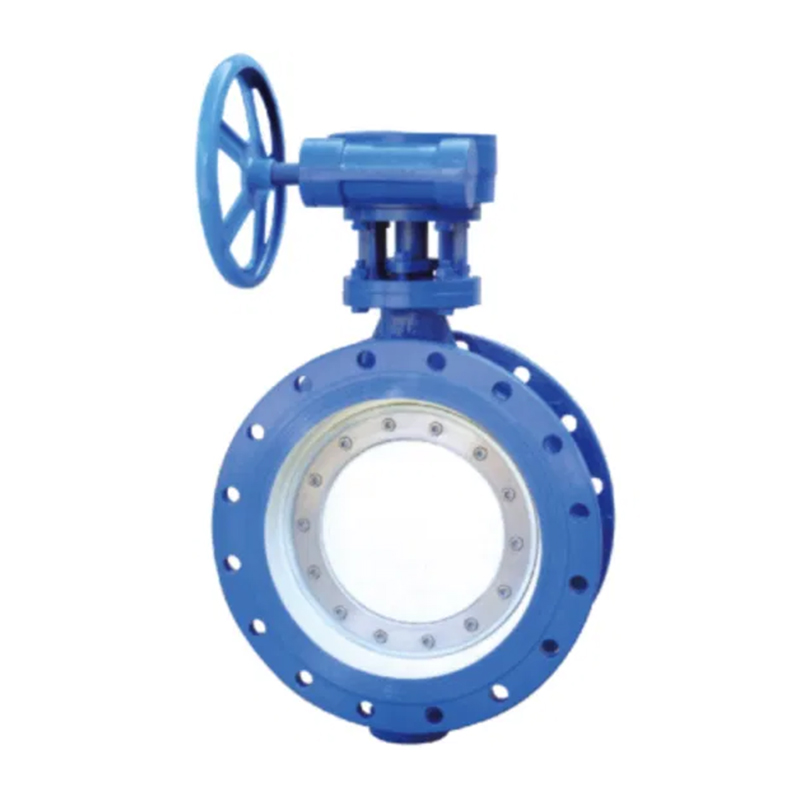
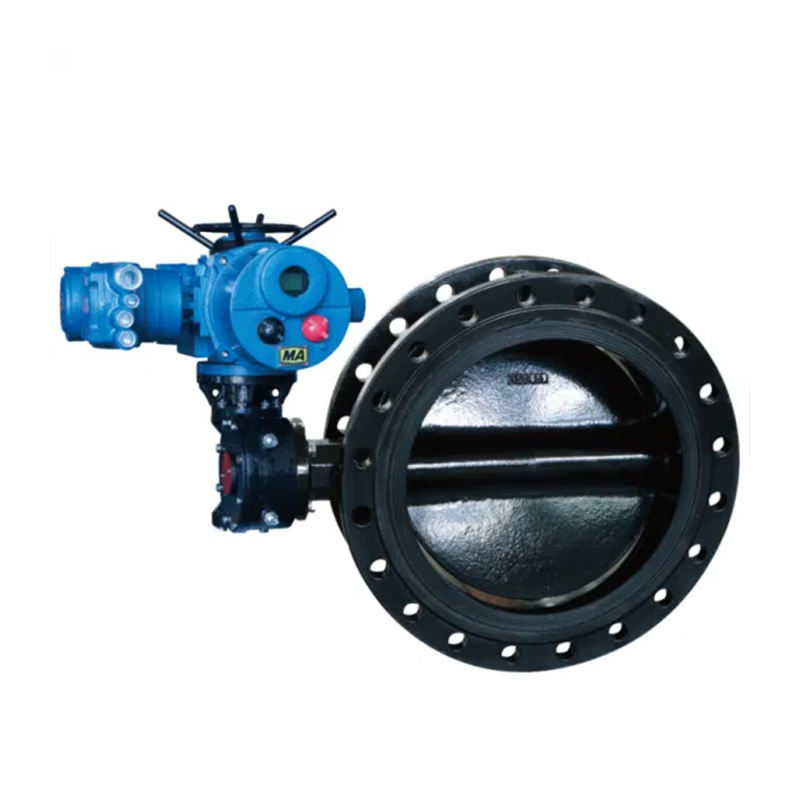
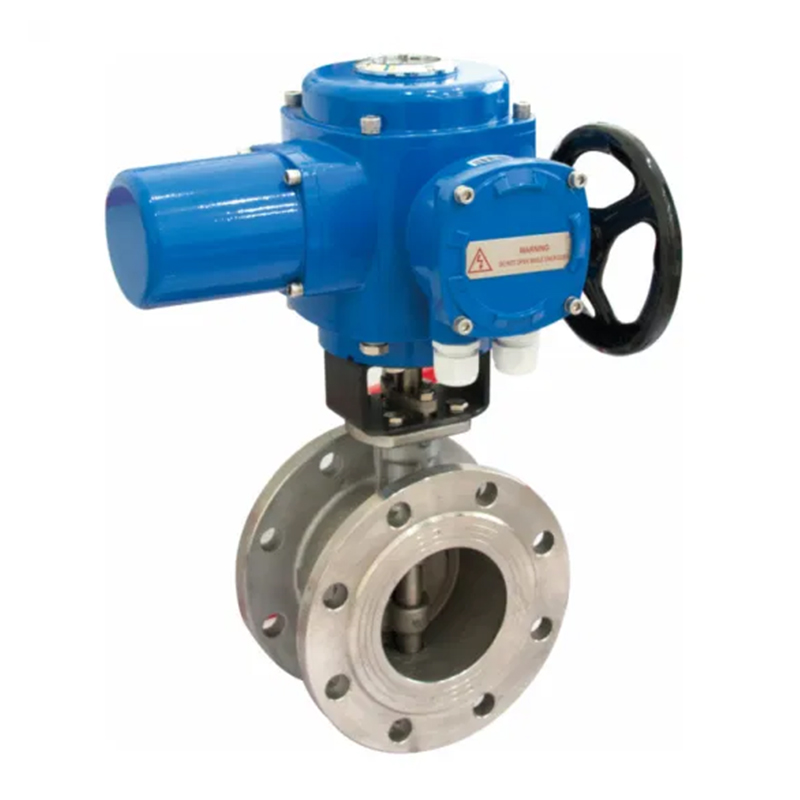
In industrial fluid control systems, butterfly valves are widely used because of their compact structure and relatively simple operating principles. However, not all butterfly valves are designed to perform safely and reliably in harsh, high-risk environments. In mining operations, where flammable gases, combustible dust, vibration, moisture, and long operating cycles are common, the limitations of standard butterfly valves become increasingly apparent. This is where the md mining explosion-proof electric butterfly valve distinguishes itself.
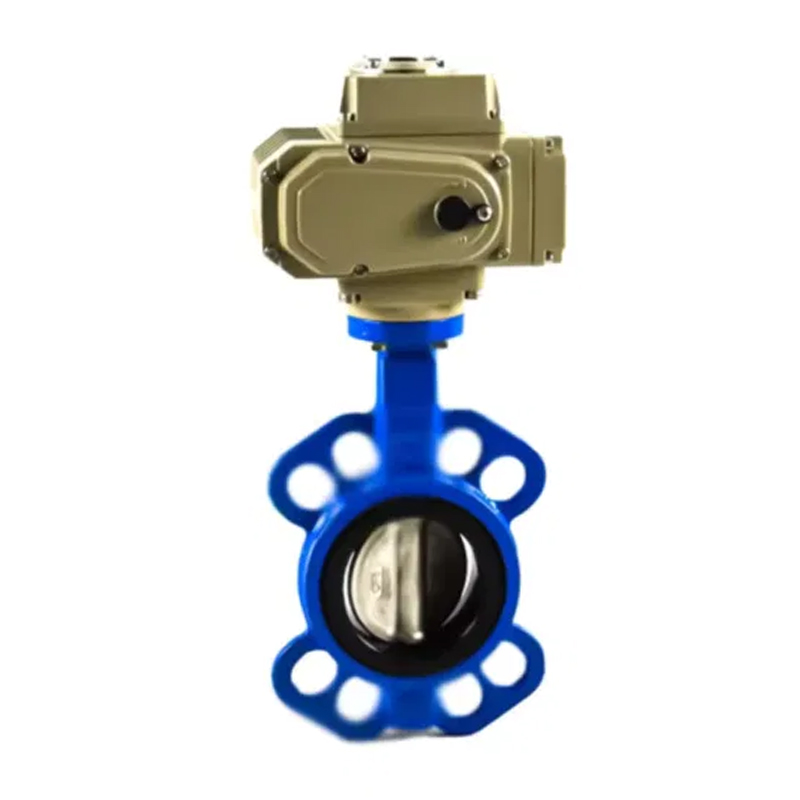
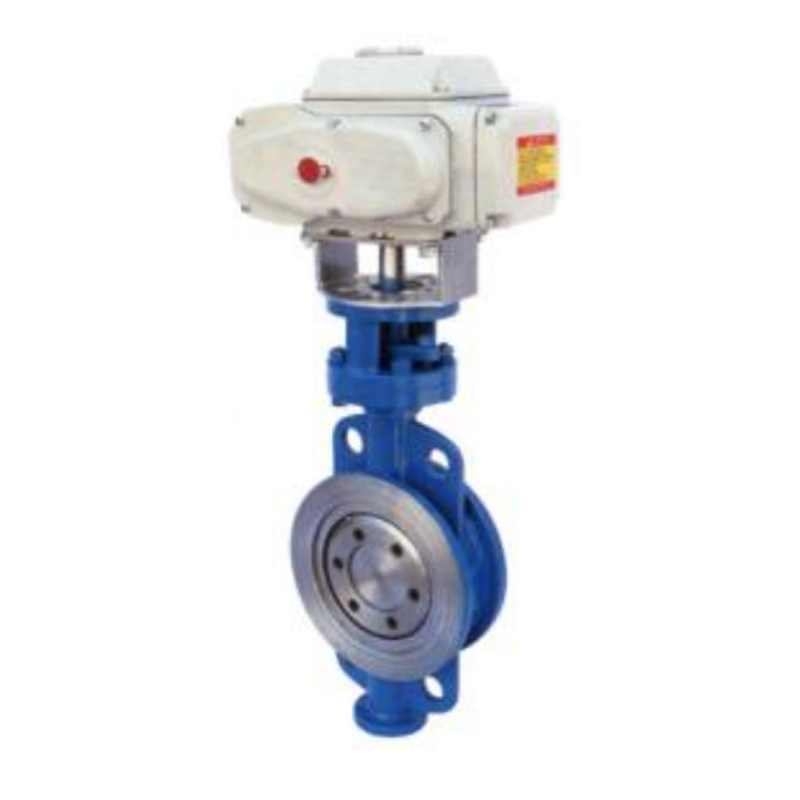
Butterfly valves are quarter-turn valves used to regulate or isolate flow in pipelines. Their basic structure includes a valve body, a disc mounted on a rotating shaft, and sealing elements that ensure shut-off performance. When the disc rotates parallel to the flow, the valve is open; when perpendicular, the valve is closed.
In general industrial applications such as water treatment, general HVAC systems, or low-risk process pipelines, standard butterfly valves can meet performance requirements. They are valued for their light weight, ease of installation, and cost efficiency. However, mining systems impose demands that go beyond conventional operational conditions.
Mining pipelines often carry abrasive media, operate in confined underground spaces, and are exposed to explosive atmospheres. These factors require valves to provide not only flow control but also a high level of operational safety and reliability. The md mining explosion-proof electric butterfly valve is engineered specifically to address these challenges.
The most critical distinction between a standard butterfly valve and the md mining explosion-proof electric butterfly valve lies in their design objectives. While standard valves prioritize general flow control, explosion-proof valves are designed with safety as a core requirement.
Standard butterfly valves typically assume a non-hazardous environment. Their actuator housings, electrical components, and sealing systems are not intended to prevent ignition sources. In contrast, the md mining explosion-proof electric butterfly valve incorporates structural and electrical measures to minimize the risk of sparks, overheating, or electrical faults that could trigger an explosion.
Key design differences include reinforced actuator enclosures, sealed electrical pathways, and enhanced material selection. These features are not optional additions but integral aspects of the valve’s construction.
Explosion-proof design does not mean that a device can withstand an explosion without damage. Instead, it means that any internal ignition will be contained and prevented from igniting the surrounding atmosphere. This concept is central to the md mining explosion-proof electric butterfly valve.
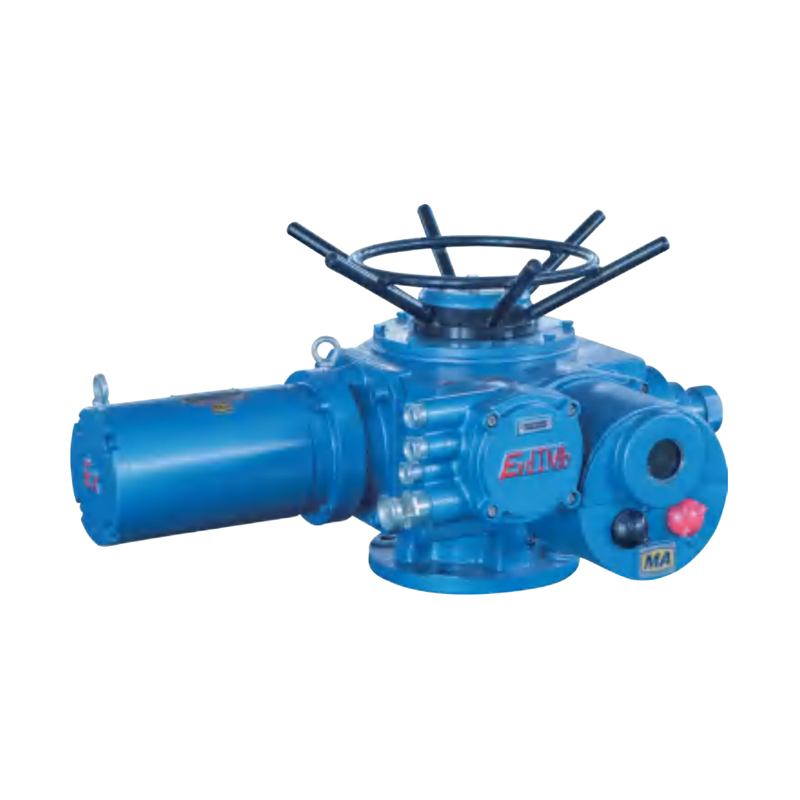
Mining environments often contain methane, coal dust, or other combustible substances. Even a small electrical spark or surface temperature increase can create a serious safety hazard. Therefore, the electric actuator and control components of the md mining explosion-proof electric butterfly valve are housed within enclosures designed to isolate potential ignition sources.
Explosion-proof electric actuator, hazardous area valve, and mining safety valve are common buyer search terms associated with this product category. These terms reflect the market’s focus on safety compliance rather than basic valve operation.
One of the defining features of the md mining explosion-proof electric butterfly valve is its electric actuation system. Standard butterfly valves are often manually operated or fitted with non-specialized actuators. While manual valves reduce electrical risks, they also limit automation and remote control capabilities.
In modern mining operations, automation is essential for efficiency and safety. Electric actuation allows valves to be operated remotely, reducing the need for personnel to enter hazardous areas. The md mining explosion-proof electric butterfly valve enables this automation while maintaining safety standards through explosion-proof design.
Remote flow control, automated pipeline isolation, and electric valve actuator for mining are frequently emphasized concepts in procurement discussions. These functions are not reliably achievable with standard butterfly valves in explosive environments.
The actuator enclosure of the md mining explosion-proof electric butterfly valve is significantly different from that of a standard butterfly valve. Standard enclosures are typically designed to protect against dust or moisture but not internal explosions.
In contrast, explosion-proof enclosures are engineered to withstand internal pressure and prevent flame propagation. This requires thicker walls, precision-machined joints, and carefully designed sealing interfaces. Robust enclosure construction is a defining characteristic that directly influences safety performance.
Additionally, the enclosure design considers long-term exposure to vibration and mechanical shock, which are common in mining operations. Standard butterfly valves may experience accelerated wear or loosening of components under such conditions.
Material choice is another area where the md mining explosion-proof electric butterfly valve differs from standard designs. In mining systems, valves may be exposed to corrosive substances, abrasive particles, and fluctuating temperatures.
Standard butterfly valves often use materials selected primarily for cost efficiency and general corrosion resistance. In contrast, the md mining explosion-proof electric butterfly valve emphasizes durable valve body materials, wear-resistant disc surfaces, and stable sealing elements that maintain performance over extended service periods.
These material considerations support consistent operation and reduce the likelihood of failure that could compromise safety or interrupt production.
Effective sealing is essential for any butterfly valve, but it becomes particularly critical in mining applications. Leakage in hazardous environments can contribute to unsafe conditions or process inefficiencies.
The md mining explosion-proof electric butterfly valve is designed to maintain sealing performance even under pressure fluctuations, vibration, and repeated cycling. This is achieved through enhanced seat design and careful alignment between the disc and sealing surfaces.
Standard butterfly valves may provide adequate sealing in stable conditions, but their performance can degrade more quickly in demanding environments. The emphasis on sealing reliability is a key differentiator for mining-specific designs.
Electric actuation in the md mining explosion-proof electric butterfly valve enables precise control over valve position. This precision supports flow regulation rather than simple on-off operation, which is often required in mining ventilation or process control systems.
Standard butterfly valves with basic actuators may lack accurate position feedback or consistent response. In contrast, mining-specific electric valves are designed to deliver stable control signals, repeatable positioning, and predictable response times.
This reliability is essential for integrated systems where valve operation affects broader process safety and efficiency.
The following table summarizes key functional differences between the md mining explosion-proof electric butterfly valve and standard butterfly valves.
| Aspect | md mining explosion-proof electric butterfly valve | Standard butterfly valve |
|---|---|---|
| Safety design | Explosion-proof enclosure and electrical isolation | General-purpose protection |
| Actuation method | Explosion-proof electric actuator | Manual or non-specialized actuator |
| Application environment | Hazardous mining and industrial areas | Non-hazardous environments |
| Control capability | Remote and automated control | Limited or manual control |
| Durability focus | Long-term stability under harsh conditions | General operating conditions |
Installation requirements also differ significantly. The md mining explosion-proof electric butterfly valve must be installed in accordance with safety guidelines that address hazardous environments. Cable routing, grounding practices, and enclosure integrity are all critical factors.
Standard butterfly valves typically involve simpler installation procedures, as they are not subject to the same safety constraints. However, improper installation of explosion-proof valves can undermine their protective features.
Proper installation practices are therefore an essential part of achieving the intended safety and performance benefits.
Maintenance strategies for the md mining explosion-proof electric butterfly valve emphasize inspection and preventive care rather than frequent component replacement. The robust design aims to reduce intervention frequency, which is particularly valuable in hard-to-access mining locations.
Standard butterfly valves may require more frequent maintenance when exposed to similar conditions, as they are not optimized for such environments. Reduced maintenance frequency and extended service life are important considerations for mining operators evaluating valve options.
Mining operations are subject to strict safety regulations. Equipment selection must align with these requirements to ensure compliance and protect personnel. The md mining explosion-proof electric butterfly valve is designed with this regulatory context in mind.
Standard butterfly valves, even if mechanically reliable, may not meet the necessary safety criteria for use in explosive atmospheres. As a result, they are often unsuitable for critical mining applications where compliance is mandatory.
While safety is the primary concern, energy efficiency and system integration are also relevant. Electric actuation allows the md mining explosion-proof electric butterfly valve to integrate with centralized control systems, supporting optimized operation.
Standard butterfly valves may lack the compatibility or reliability needed for seamless integration into modern automated mining systems. System-level efficiency is therefore another indirect benefit of specialized valve design.
The table below provides a broader comparison of application suitability.
| Application scenario | md mining explosion-proof electric butterfly valve | Standard butterfly valve |
|---|---|---|
| Underground mining pipelines | Highly suitable | Not recommended |
| Explosive gas environments | Designed for safe operation | Unsafe |
| Automated control systems | Fully compatible | Limited compatibility |
| Low-risk industrial systems | Suitable | Commonly used |
| Remote operation requirements | Supported | Often unsupported |
When evaluating what makes the md mining explosion-proof electric butterfly valve different from standard butterfly valves, it is important to consider long-term operational value rather than initial cost alone. The specialized design addresses risks that standard valves are not intended to manage.
Over time, improved safety, reduced downtime, and stable performance contribute to overall system reliability. These factors are particularly significant in mining operations, where unexpected failures can have serious consequences.
The md mining explosion-proof electric butterfly valve differs from standard butterfly valves in its fundamental approach to safety, control, and durability. Designed specifically for hazardous mining environments, it integrates explosion-proof electric actuation, reinforced structural features, and reliable sealing performance.
Standard butterfly valves remain suitable for many general industrial applications, but they lack the specialized features required for safe operation in explosive atmospheres. Understanding these differences allows engineers, operators, and procurement professionals to make informed decisions based on operational requirements rather than superficial similarities.
By focusing on safety-driven design, reliable electric control, and environment-specific engineering, the md mining explosion-proof electric butterfly valve fulfills a role that standard butterfly valves cannot adequately address.
What is the primary advantage of using md mining explosion-proof electric butterfly valve in mining systems?
The primary advantage is its ability to operate safely in explosive atmospheres while supporting automated and remote control.
Can md mining explosion-proof electric butterfly valve replace manual valves in all mining applications?
It can replace manual valves in many applications, particularly where automation and safety are priorities, but system requirements should always be evaluated individually.
How does md mining explosion-proof electric butterfly valve improve operational safety?
It isolates electrical ignition sources and maintains stable operation under harsh conditions, reducing potential risks.
Is maintenance more complex for md mining explosion-proof electric butterfly valve?
Maintenance focuses on inspection rather than frequent repair, which can simplify long-term upkeep in difficult environments.
Why are standard butterfly valves unsuitable for explosive environments?
They are not designed to contain internal ignition sources or prevent flame propagation, making them unsafe in such conditions.
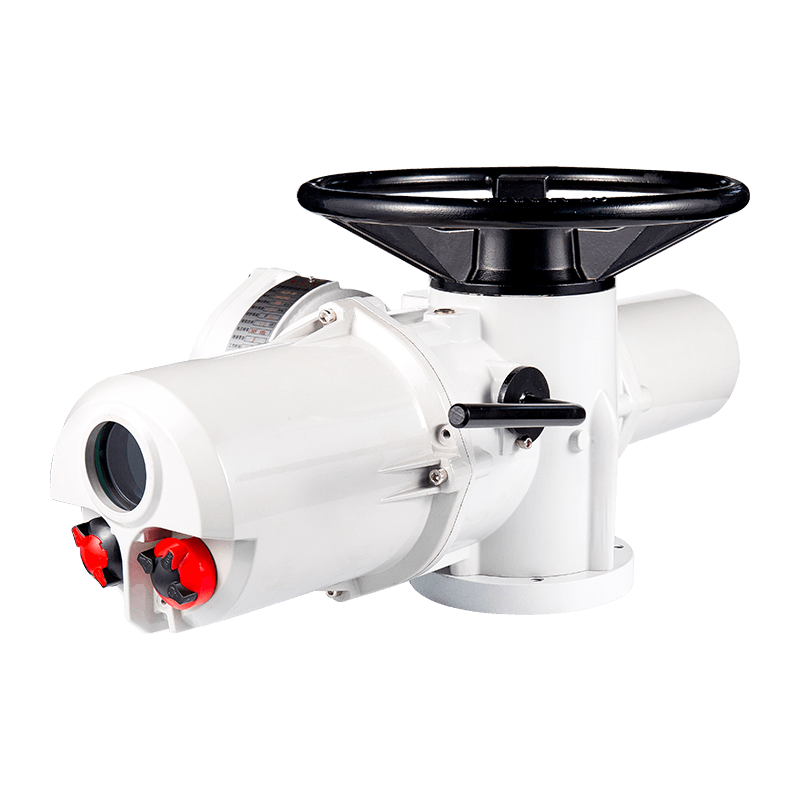
The AUKEMA rotary intelligent electric actuator has two control types: AK intelligent switch type and AKM intelligent ad...
See Details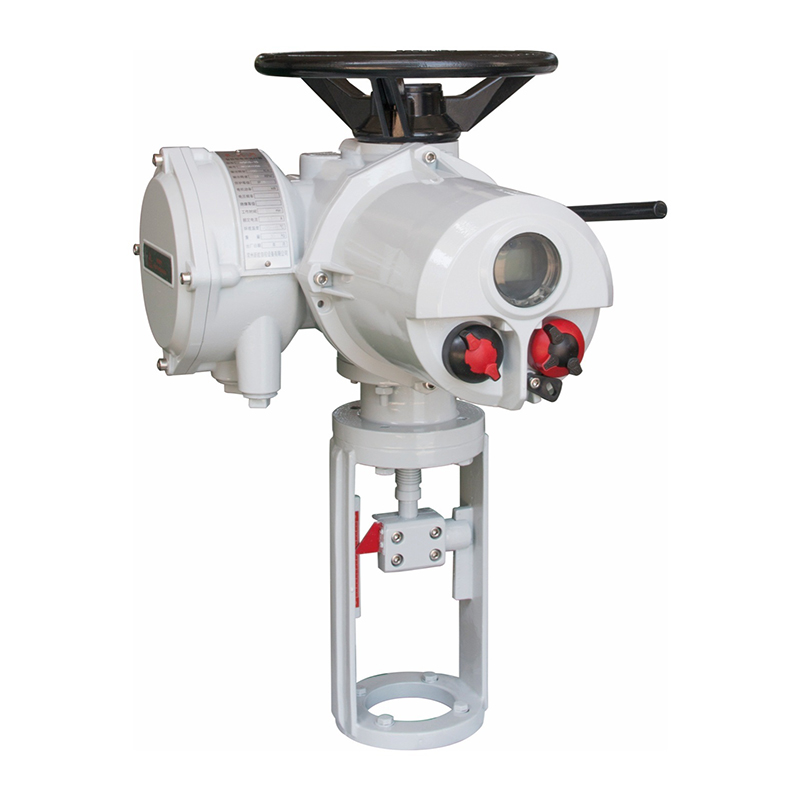
AKML linear stroke adjustable intelligent electric actuator, suitable for valves with linear thrust action, consists of ...
See Details

Copyright 2024 Changzhou Xinneng Automatic Control Equipment Co., Ltd All Rights Reserved.