0086 15335008985


 русский
 Español
Cat:Quarter Turn Electric Actuator
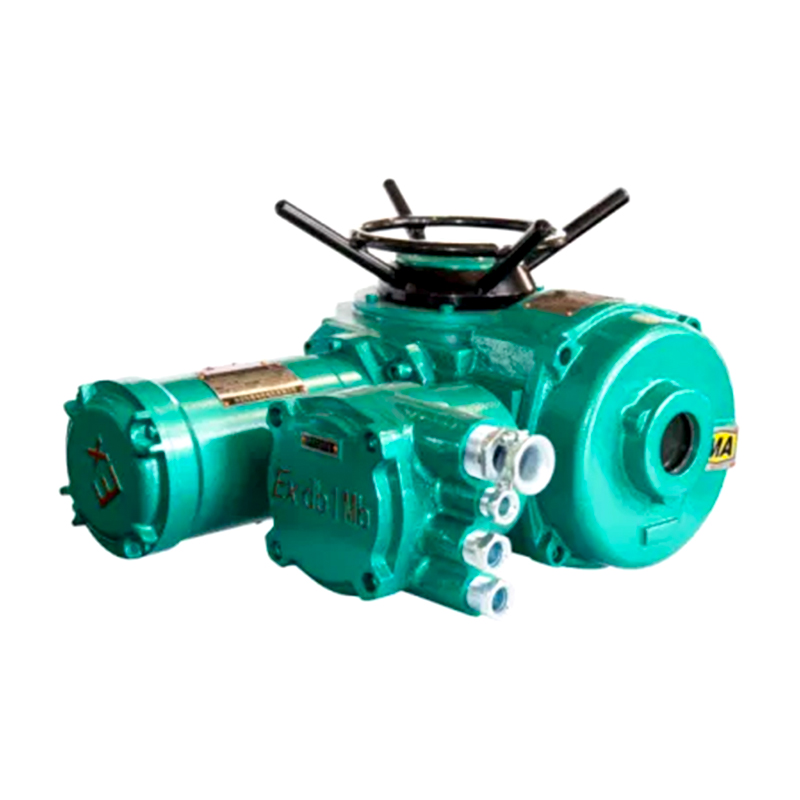
The QM series partial rotary valve electric device includes ordinary switch type, integral type, regulating type, intell...
See Details
 Search
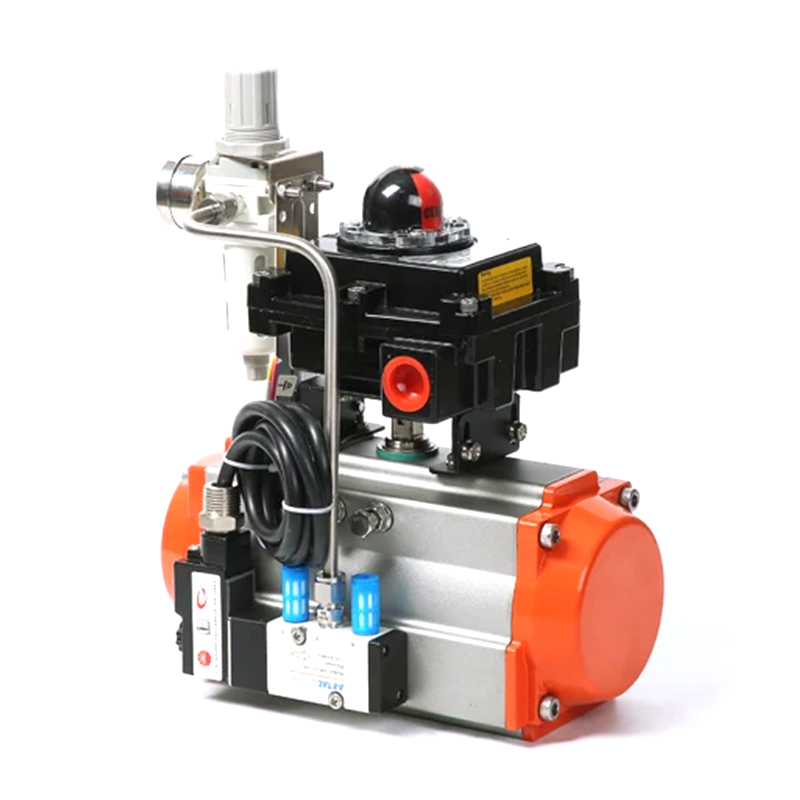
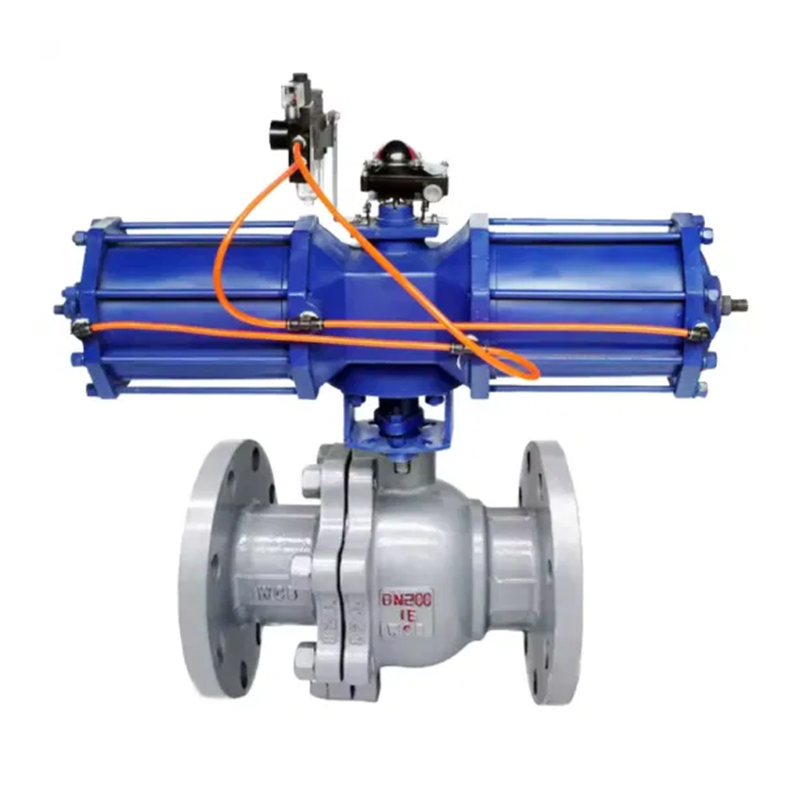
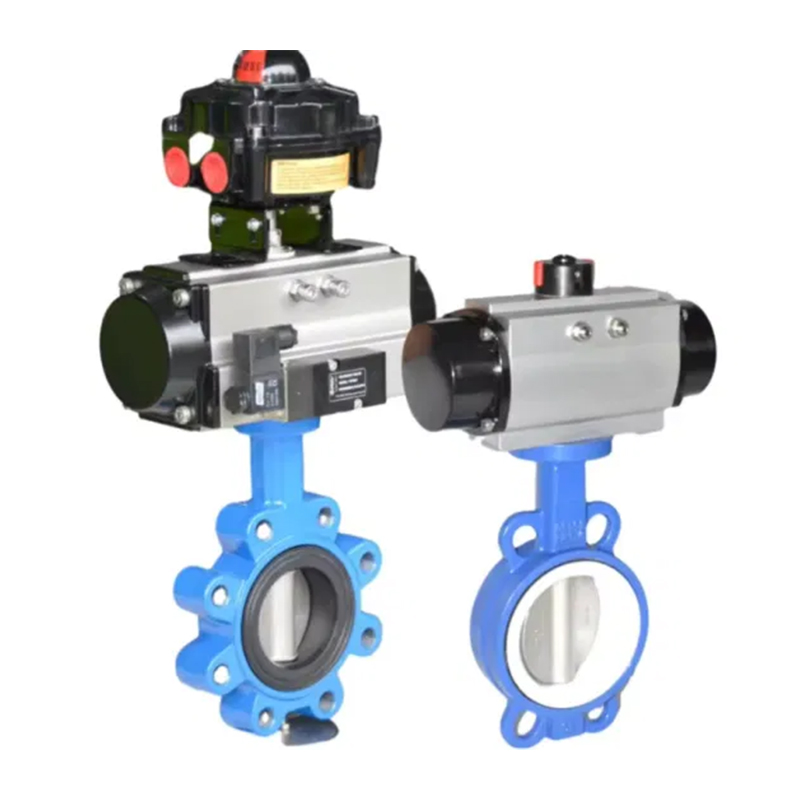
A pneumatic actuator converts compressed air energy into mechanical motion—either linear or rotary—to control valves, clamps, grippers, and other mechanical components. The core working principle is straightforward: pressurized air enters a cylinder or chamber, pushes against a piston or diaphragm, and produces controlled force and movement. This mechanism requires no electrical input at the actuator itself, making it inherently safe in explosive or flammable environments.
In a typical double-acting pneumatic actuator, compressed air alternately enters each side of the piston, enabling both extension and retraction under power. In a single-acting (spring-return) design, air drives the piston in one direction while an internal spring returns it to the default position when pressure is released. Operating pressures typically range from 4 to 8 bar (60–116 psi), though heavy-duty models can handle up to 10 bar or more.
Pneumatic actuators are available in several configurations, each suited to different motion and load requirements:
Selecting the right type depends on required torque or force, stroke/rotation angle, speed, and the nature of the controlled process.
Standard pneumatic actuators are often made from aluminum or ductile iron, which perform well in general industrial conditions. However, stainless steel pneumatic valve actuators are specifically engineered for environments where corrosion, aggressive media, hygiene standards, or extreme temperatures are critical factors.
| Parameter | Aluminum Actuator | Stainless Steel Actuator |
| Corrosion Resistance | Moderate | Excellent (316L grade) |
| Max Operating Temp. | ~120°C | Up to 200°C |
| Hygienic Use | Limited | FDA / EHEDG compliant |
| Weight | Light | Heavier (~2.5× aluminum) |
| Relative Cost | Lower | Higher upfront, lower lifecycle |
Pneumatic actuators are deployed across a broad range of industries because of their high force output, rapid response times (typically under 1 second for quarter-turn operations), and resistance to electrical hazards.
Scotch-yoke and rack-and-pinion actuators drive emergency shut-off (ESD) valves, control valves on pipelines, and blowdown valves. They are specified to API 6D and ATEX/IECEx standards for hazardous area classifications. Actuators handling pipeline diameters up to 48 inches must generate torques exceeding 100,000 Nm, achievable with large pneumatic scotch-yoke designs.
Stainless steel pneumatic valve actuators are the industry standard for hygienic applications. They automate diaphragm valves, butterfly valves, and mixproof valves in CIP circuits, aseptic filling lines, and fermentation tanks. The absence of lubrication requirements (oil-free air supply) prevents product contamination.
Pneumatic actuators automate isolation and throttling valves at pump stations, filtration systems, and chemical dosing lines. Diaphragm actuators paired with positioners provide precise flow modulation for pH or chlorine dosing at accuracy levels of ±0.5% of full scale.
Steam turbine bypass valves, boiler feedwater control valves, and cooling water isolation valves all use pneumatic actuators. High-cycle duty designs can sustain over 1 million operating cycles without seal replacement, critical for continuous plant operations.
Corrosion-resistant actuator bodies—either coated aluminum or solid stainless steel—handle slurries, acids, and alkalis. Heavy-duty pneumatic cylinder actuators move knife gate valves controlling slurry flow in mineral processing, where forces above 50 kN are routine.
Proper selection prevents undersizing (actuator fails to open/close the valve) or oversizing (excess wear and cost). Follow this evaluation sequence:
Understanding where pneumatic actuators excel versus alternatives helps justify the right technology choice:
| Feature | Pneumatic | Electric | Hydraulic |
| Speed | Very fast | Moderate | Fast |
| Force/Torque Output | High | Moderate | Very high |
| Hazardous Area Suitability | Excellent (intrinsically safe) | Requires ATEX housing | Good |
| Position Control Accuracy | Moderate (with positioner) | High | Moderate |
| Maintenance Complexity | Low | Low–Moderate | High |
| Infrastructure Required | Compressed air network | Electrical supply | Hydraulic power unit |
Pneumatic actuators deliver the best balance of speed, safety, and simplicity for most industrial valve automation tasks, particularly where a compressed air utility already exists.
With proper air quality and maintenance, most pneumatic actuators achieve 1–3 million cycles or 10–20 years of service life in standard industrial conditions.
Choose stainless steel when the environment involves corrosive chemicals, saltwater exposure, high-temperature steam, or hygiene regulations (food, pharma). For general dry industrial use, aluminum is cost-effective.
Yes. When paired with an electro-pneumatic positioner, pneumatic actuators achieve continuous modulating control with positioning accuracy of ±0.5–1%, suitable for most process control applications.
Most standard actuators operate at 4–7 bar (60–100 psi). Always verify the actuator's rated pressure range and ensure the supply air is filtered and dried to prevent internal corrosion and seal wear.
A single-acting actuator uses air to move in one direction and a spring to return; it has a built-in fail-safe position. A double-acting actuator uses air pressure for both directions, offering more force in both strokes but no inherent fail-safe without an additional air reservoir or spring module.
Yes. Pneumatic actuators with no electrical components at the actuator body are intrinsically safe for use in Zone 1 and Zone 2 hazardous areas. ATEX-certified solenoid valves are installed remotely or in certified enclosures to complete the safe system.
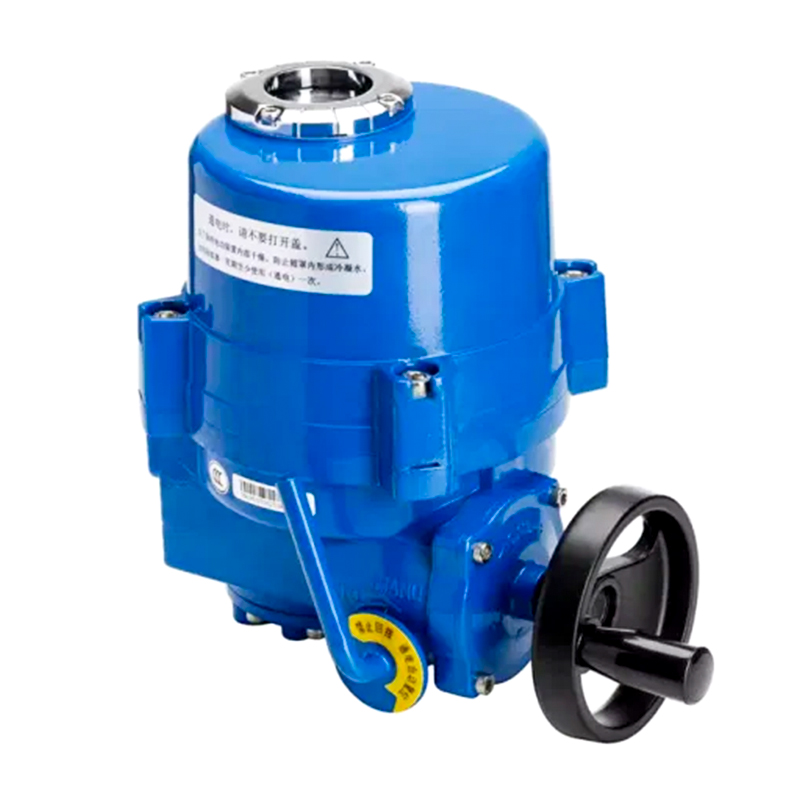
The QM series partial rotary valve electric device includes ordinary switch type, integral type, regulating type, intell...
See Details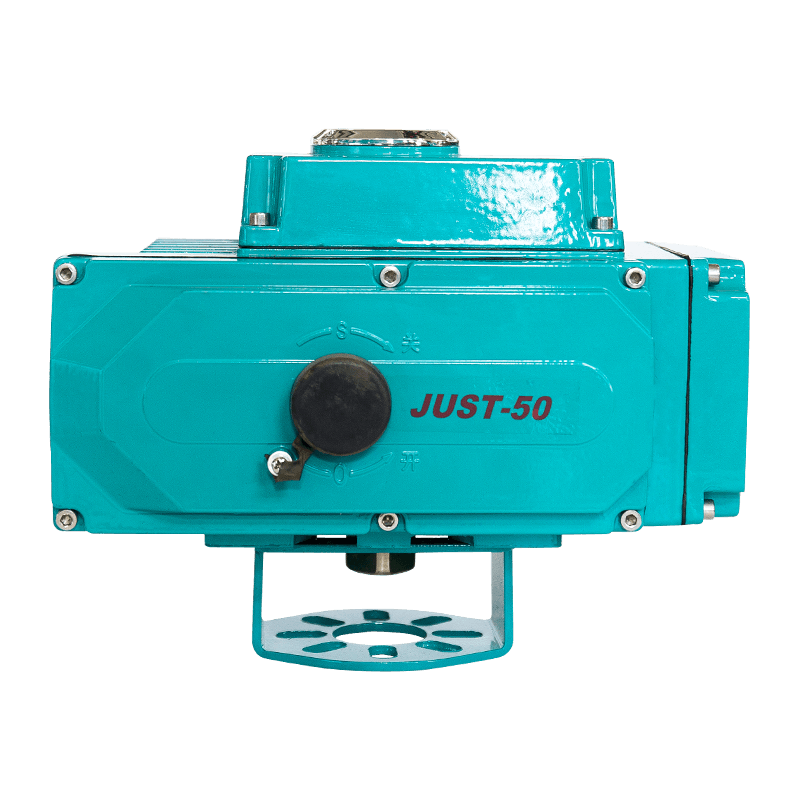
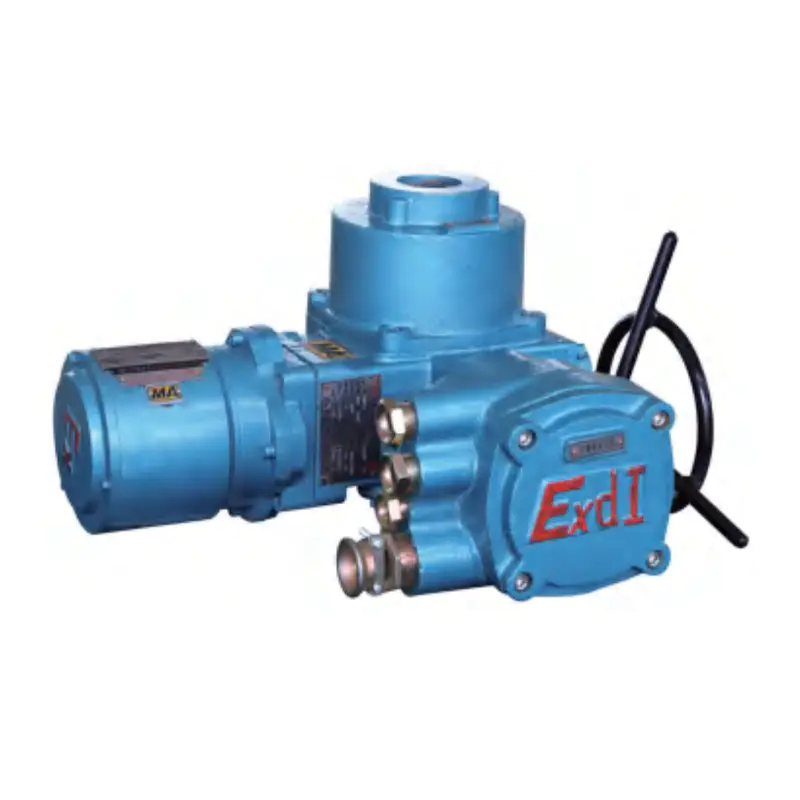
Compared with similar products, the QC series valve electric actuator has desirable performance and undeniable advantage...
See Details

Copyright 2024 Changzhou Xinneng Automatic Control Equipment Co., Ltd All Rights Reserved.