
0086 15335008985


 русский
 Español
 Search
Home / News / Industry News / SS304 vs SS316 Pneumatic Actuators: How to Select the Right Stainless Steel for Corrosive Industrial Environments
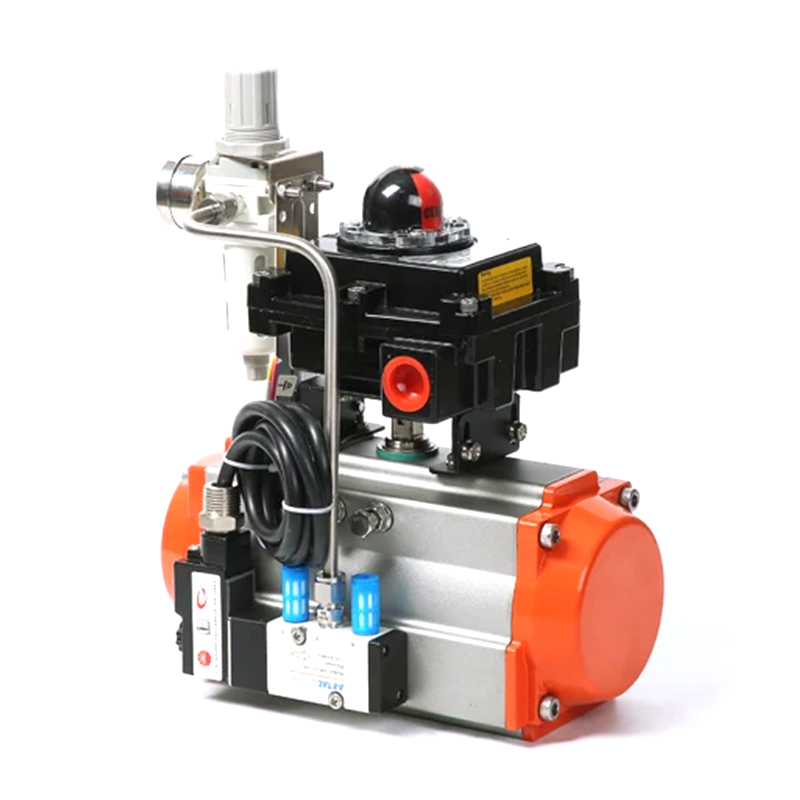
SS304 vs SS316 Pneumatic Actuators: How to Select the Right Stainless Steel for Corrosive Industrial Environments
Introduction: The Critical Role of Stainless Steel Pneumatic Actuators
In automated industrial valve systems, the Stainless Steel Pneumatic Actuator is the cornerstone of reliable flow control. Among the most widely specified materials are austenitic grades SS304 and SS316. While both offer excellent mechanical properties and general corrosion resistance, their performance diverges significantly under aggressive chemical, saline, or high‑humidity conditions. This technical comparison focuses on Pneumatic Valve Actuator SS304 versus SS316 Pneumatic Valve Actuator designs – specifically rack‑and‑pinion types – to provide engineers and procurement specialists with data‑driven selection criteria. We examine metallurgy, real‑world corrosion data, temperature limits, and total cost of ownership, helping you decide when to upgrade to a Corrosion Resistant Pneumatic Actuator made of SS316.
Understanding material limitations directly impacts plant uptime and safety. A Stainless Steel Pneumatic Actuator exposed to chlorides or acidic vapours may fail prematurely if the wrong grade is chosen. This article delivers actionable insights without brand bias, supported by comparative tables, visual data, and field‑derived examples.
Corrosion Resistance: The Defining Factor for Industrial Pneumatic Actuators
The molybdenum in SS316 elevates its resistance to chloride‑induced pitting and crevice corrosion. In neutral salt spray tests (ASTM B117), SS304 typically shows red rust after 200–300 hours, while SS316 surpasses 700 hours before pitting initiates. For a Corrosion Resistant Pneumatic Actuator exposed to coastal atmospheres, de‑icing salts, or acidic process media, SS316 provides a quantifiable safety margin.
Below is a comparative SVG chart showing relative corrosion rates (normalised to SS304 = 1.0) in three aggressive industrial environments based on published immersion test data (0.1M HCl, 3.5% NaCl, and 5% H₂SO₄ at 25°C). Lower values indicate better resistance.
Data interpretation: In 0.1M hydrochloric acid, SS304 corrodes approximately 3.2× faster than SS316. In neutral 3.5% sodium chloride (simulating seawater), SS304 shows a rate 4× higher than SS316. Even in sulphuric acid, the advantage remains significant. This directly translates to expected service life of a SS316 Pneumatic Valve Actuator in chemical processing or marine environments, often exceeding SS304 by three to five years before pitting failure.
For environments containing hydrogen sulphide (e.g., oil & gas), SS316 also offers better resistance to sulphide stress cracking (SSC) when properly solution‑annealed. However, both grades may suffer from chloride‑induced SCC above 60°C – in such cases, specify lower carbon versions (304L/316L) or duplex stainless steel actuators.
Temperature Limits and Mechanical Integrity at Extremes
Pneumatic actuators often serve in high‑temperature or cryogenic services. SS304 and SS316 behave similarly down to -196°C (liquid nitrogen temperatures), retaining austenitic structure and impact toughness. Upper limits: continuous service at 800°C leads to scaling; for pressurised components, the maximum recommended temperature is around 425°C for both grades due to carbide precipitation and reduced creep strength. Below is a quick reference table for actuator applications:
| Condition | SS304 | SS316 |
|---|---|---|
| Minimum operating temp (impact tested) | -196°C (cryogenic) | -196°C (cryogenic) |
| Maximum continuous (no pressure) | 870°C | 870°C |
| Maximum pressurised (actuator body) | 425°C (typical limit for gaskets/seals) | 425°C |
| Carbide precipitation range | 425–860°C (sensitisation) | 425–815°C (higher Mo delays) |
In practice, elastomer seals (NBR, FKM, or PTFE) inside the actuator fail before the stainless housing loses strength. Therefore, temperature selection is usually driven by seal compatibility rather than housing material. For high‑temperature pneumatic valve actuation (above 150°C), both grades perform identically – focus on heat‑resistant lubricants and piston seals.
Industrial Application Scenarios: Matching Material to Environment
When to Specify a Pneumatic Valve Actuator SS304
- Indoor general manufacturing (automotive assembly, packaging lines).
- Water treatment plants without elevated chlorides.
- Food processing where cleaning agents are non‑chlorinated (mild detergents).
- Compressed air systems with dry air (dew point ≤ -40°C).
- Ambient temperatures from -20°C to +60°C, low humidity.
Real‑world case example: A Midwest US automotive paint shop used Pneumatic Valve Actuator SS304 on solvent lines. After 7 years of intermittent exposure to aromatic hydrocarbons and occasional water washdowns, no corrosion was observed. The initial cost saved approximately 22% compared to SS316, and total lifecycle cost was optimal.
When to Specify an SS316 Pneumatic Valve Actuator
- Offshore platforms, shipboard systems, or ports (salt spray continuously).
- Chemical plants handling acidic or chlorinated intermediates (HCl, chlorine dioxide, acetic acid).
- Wastewater treatment with high chloride content (coastal or produced water).
- Pharmaceutical cleanrooms that use aggressive disinfectants (peracetic acid, bleach).
- Pulp & paper mills (chlorine dioxide bleaching stages).
- Oil refineries where sour water or H₂S is present.
Field data: A Norwegian onshore gas terminal replaced SS304 actuators every 18 months due to pitting in a coastal environment. After switching to SS316 Pneumatic Valve Actuator units, service life exceeded 6 years with only routine seal replacement. The 35% higher upfront cost paid back within 2.5 years through reduced downtime and maintenance labour.
Lifecycle Cost Analysis: Initial Investment vs Long‑Term Reliability
The price difference between SS304 and SS316 pneumatic actuators typically ranges from 25% to 40% for equivalent torque output and size. However, the total cost of ownership (TCO) must consider:
- Maintenance frequency: SS304 may require housing replacement after 3–5 years in moderate chloride environments, while SS316 easily surpasses 10 years.
- Downtime costs: A single unplanned actuator failure in a critical process can cost thousands of dollars per hour in lost production.
- Safety & environmental risks: Leaking actuators due to corrosion can release process fluids.
- Recycling value: Both grades are fully recyclable, but SS316 retains higher scrap value.
A TCO model for a medium‑size chemical plant (200 actuators) showed:
| Cost factor (over 10 years) | SS304 based line | SS316 based line |
|---|---|---|
| Initial procurement (200 units) | $100,000 | $135,000 |
| Replacement actuators (unplanned) | $45,000 (3 replacements for 30% of units) | $10,000 (only 2% failure) |
| Maintenance labour | $32,000 | $12,000 |
| Production loss due to failures | $87,000 | $12,000 |
| Total TCO | $264,000 | $169,000 |
Despite the higher upfront price, the SS316 line saved 36% over a decade. For critical or corrosive applications, the Corrosion Resistant Pneumatic Actuator (SS316) is economically superior.
Selection Guidelines for Stainless Steel Rack and Pinion Actuators
To choose between SS304 and SS316 for a Stainless Steel Rack and Pinion Actuator, answer these three questions:
- Does the environment contain chlorides (Cl⁻) above 100 ppm? Yes → SS316 mandatory. No → SS304 may suffice.
- Is the actuator exposed to frequent washdowns with acidic or alkaline cleaning agents? Yes → SS316 for safety margin.
- What is the required service life without housing replacement? ≥5 years in outdoor/chemical service → SS316; ≤2 years indoor clean → SS304.
Additionally, consider the actuator’s surface finish. Electro‑polished or passivated SS304 performs better than as‑cast SS316 with surface inclusions. Always request mill test reports (MTR) to verify molybdenum content when specifying SS316. For very aggressive conditions (hot chloride + low pH), consider upgrading to a super‑austenitic grade (e.g., SS904L or alloy 254) – but these exceed the scope of standard pneumatic actuators.
Remember that internal components (piston, pinion, end caps) are often made of SS304 or even plated carbon steel in budget designs. A Stainless Steel Rack and Pinion Actuator with a SS316 housing but internal zinc‑plated steel will still corrode inside – insist on full stainless steel internals for true corrosion resistance.
Frequently Asked Questions (FAQ)
Q1: Can SS304 pneumatic actuators be used in offshore environments if painted or coated?
Painting or epoxy coatings extend the life of SS304 temporarily, but any scratch or pinhole will lead to rapid under‑film corrosion and pitting. For offshore (marine atmosphere, salt spray), an SS316 housing is the minimum recommended standard. Coatings are not a substitute for alloy composition.
Q2: Does SS316 have lower magnetic permeability than SS304?
Both are austenitic and generally non‑magnetic in the annealed condition. However, cold working (e.g., machining of the pinion gear) can induce martensite, making both slightly magnetic. For applications requiring strictly non‑magnetic actuators (e.g., near sensitive instrumentation), specify stabilised grades or verify with a permeability meter (<1.05 μ). The difference between SS304 and SS316 is negligible under similar cold work.
Q3: Is SS304 ever preferred over SS316 for cryogenic service?
No, both perform equally well down to -196°C. SS304 is sometimes chosen simply because it is less expensive and cryogenic environments are often dry (no corrosion risk). However, if any moisture or acidic gases are present, SS316 remains the safer choice even at low temperatures.
Q4: How can I identify SS304 vs SS316 housings in the field without paperwork?
A portable XRF (X‑ray fluorescence) analyser measures molybdenum content – SS316 will show 2‑3% Mo, SS304 shows <0.1% Mo. Alternatively, a copper sulphate test (not always reliable) or the “molybdenum drop test” (complex) exist. Always rely on material certification for warranty purposes.
Q5: Are SS316 pneumatic actuators compatible with all valve types (butterfly, ball, plug)?
Yes, as long as the actuator’s ISO 5211 mounting pattern and torque curve match the valve’s requirements. The material choice (SS304 or SS316) only affects the housing and external components, not the drive interface. However, for the same torque rating, SS316 actuators may be slightly heavier, which can affect bracket design on large valves.
Previous Post
What Are the Key Differences Between Electric and Pneumatic Actuators?
Next Post
Why Electric Linear Actuators Are Transforming Aerospace Motion Control?
Related Products
-
-
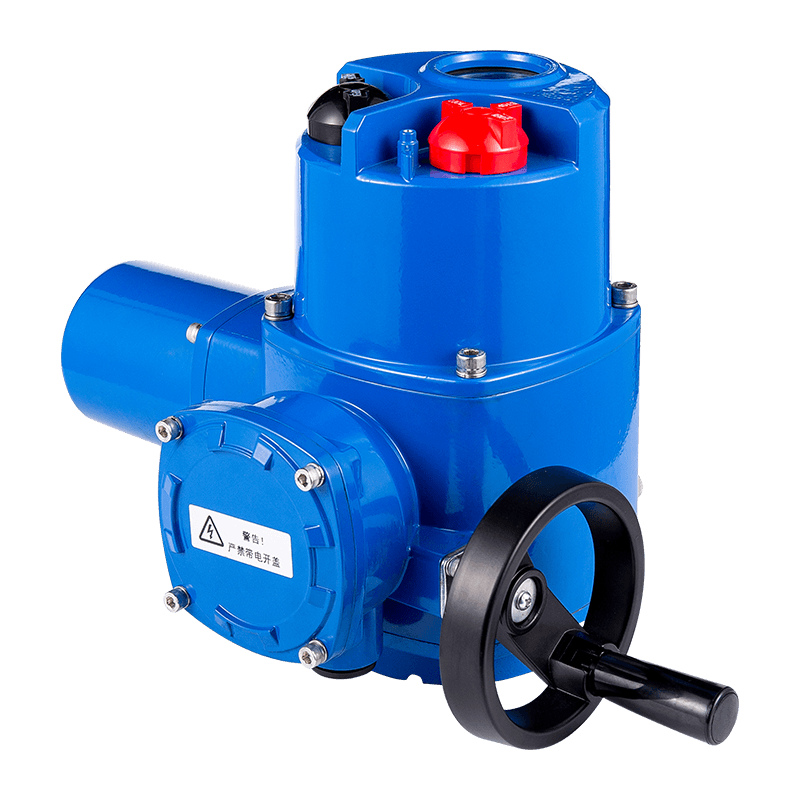
Cat:Quarter Turn Electric Actuator
The QL series of rotary valve electric devices includes ordinary, integral, regulating, intelligent, explosion-proof and...
See Details -
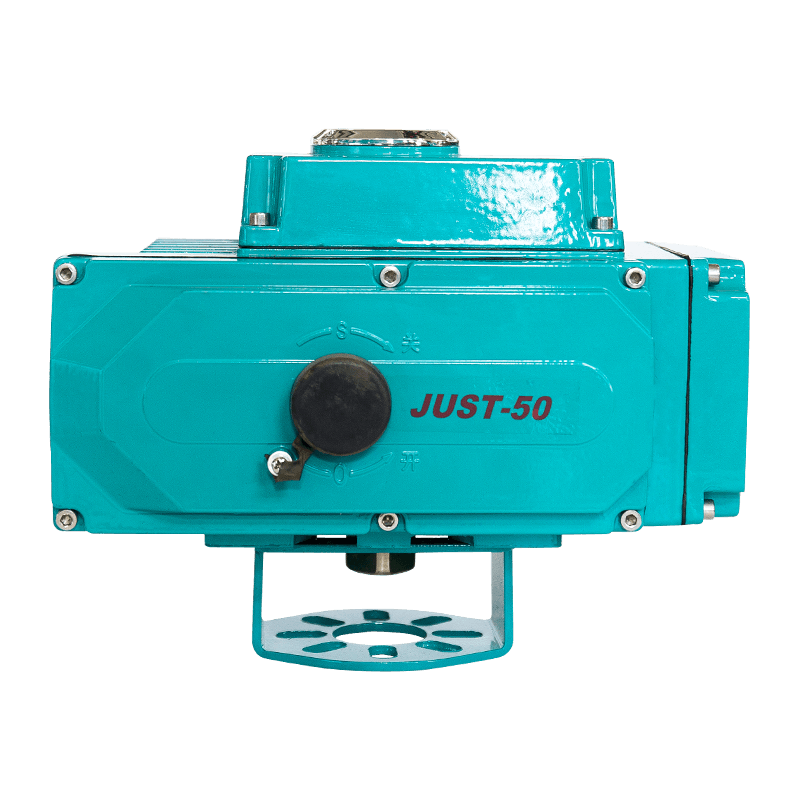
Cat:Quarter Turn Electric Actuator
Compared with similar products, the QC series valve electric actuator has desirable performance and undeniable advantage...
See Details -
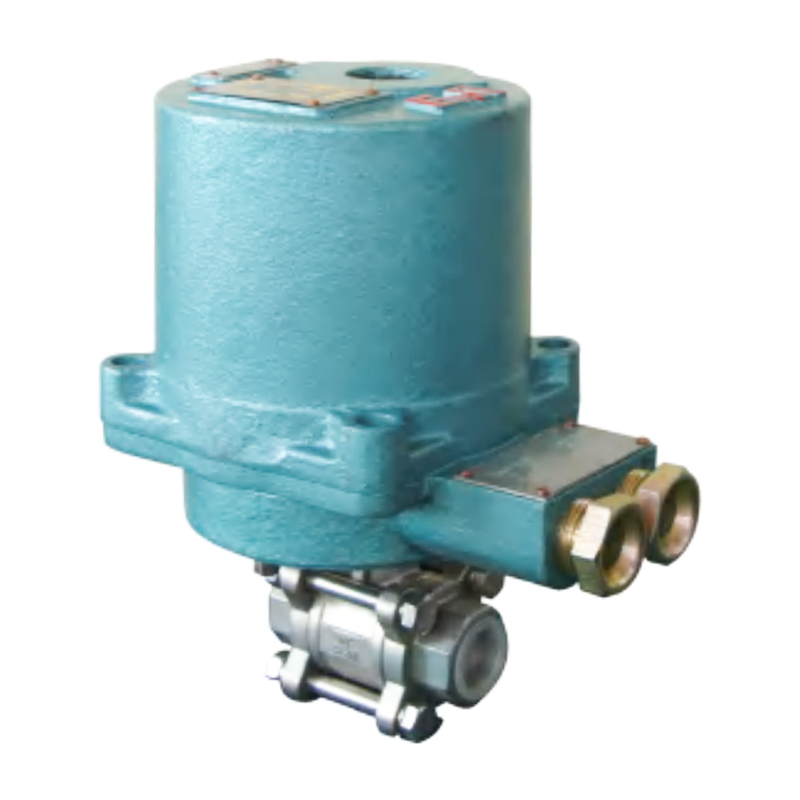
Cat:Coal Mine Valves
The MGQ Small Caliber High-Pressure Electric Valve is an integrated electromechanical valve engineered specifically for...
See Details -
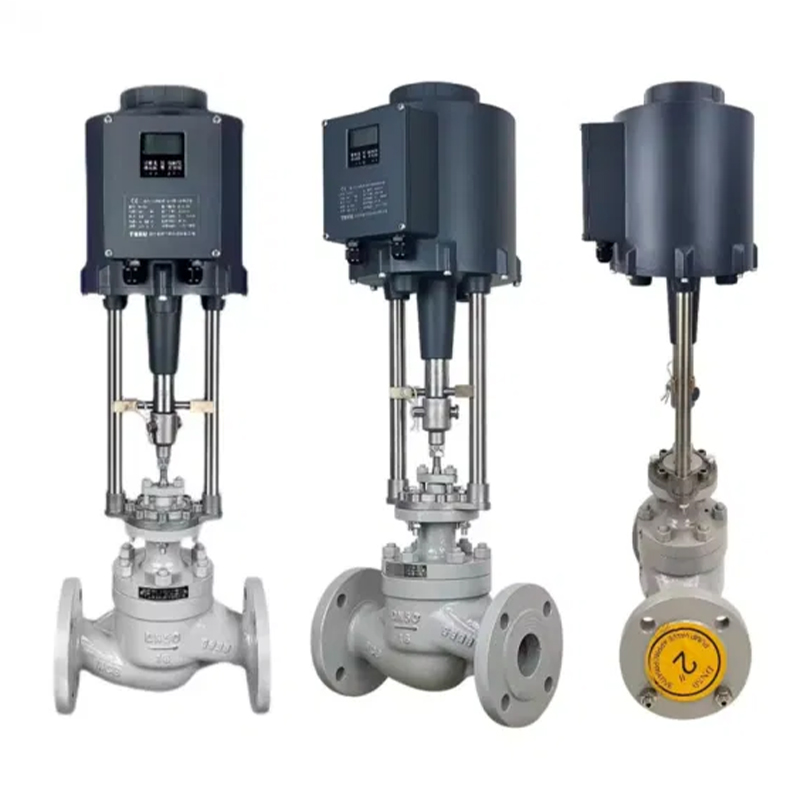
Cat:Liner Electric Actuator
Mainly used in the industrial field, equipped with the new Keyou A8 intelligent valve actuator control system, it has po...
See Details
CONTACT US
Shape the Future of Product with Us!

QUICK LINKS
CONTACT INFORMATION
- ADDRESS: Laoli Industrial Park, Chaoyang Village, Hengshan Bridge Town, Wujin District, Changzhou City, Jiangsu Province, China
- TELEPHONE: 0086 15335008985
- EMAIL: [email protected]
MOBILE

Copyright 2024 Changzhou Xinneng Automatic Control Equipment Co., Ltd All Rights Reserved.
