
0086 15335008985


 русский
 Español
 Search
Home / News / Industry News / How Can Valve Position Feedback Improve Control in Pneumatic Butterfly Valve Systems?
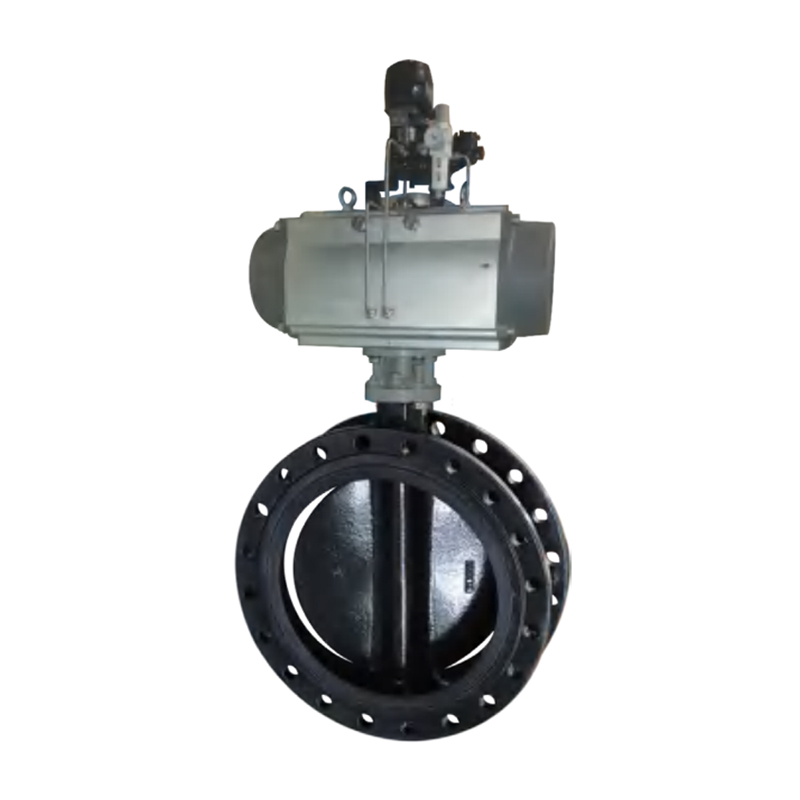
How Can Valve Position Feedback Improve Control in Pneumatic Butterfly Valve Systems?
Control systems in industrial fluid handling must balance precision, responsiveness, reliability, and safety. Among these systems, pneumatic butterfly valves play a pivotal role in applications that demand rapid actuation with low energy requirements. In mining, gas distribution networks, and other heavy industrial environments, the integration of valve position feedback has shifted from a niche enhancement to a core enabler of high‑performance control strategies.
1. Pneumatic Butterfly Valve Systems: Control Challenges and Context
1.1 Pneumatic Actuation Fundamentals
A pneumatic butterfly valve uses compressed air to actuate a disc inside a valve body, rotating it to regulate fluid or gas flow. The actuation mechanism delivers torque to the valve stem, converting linear or rotary motion into precise positioning of the disc.
In process control, the key objective is accurate modulation of flow in response to a control signal from a programmable logic controller (PLC), distributed control system (DCS), or other automation host. Pneumatic systems are chosen for:
- Fast response to control commands
- Intrinsic safety in explosive or hazardous environments
- Simplicity and reliability in harsh industrial conditions
However, pneumatic actuation alone cannot guarantee that the commanded position has been achieved. This is where valve position feedback becomes essential.
1.2 Why Position Feedback Matters
Without position feedback:
- The controller assumes the actuator moves as commanded
- There is no independent verification of actual disc angle
- Faults such as air leaks, linkage wear, or actuator failure go unnoticed until process deviation occurs
Position feedback closes this information gap by providing real‑time, measurable indication of valve disc location back into the control system.
1.3 Typical Application Sectors
While applicable broadly, some sectors where precision and safety are paramount include:
- Gas distribution in mining ventilation and fuel systems
- Pneumatic control in slurry transport and separation systems
- Petrochemical and refining gas line modulation
- Air handling and environmental control systems
In these systems, unplanned flow deviation can compromise safety, reduce efficiency, or damage equipment.
2. Understanding Valve Position Feedback: Signals, Sensors, and Control Integration
2.1 Feedback Signals: What Are They?
Valve position feedback conveys the actual valve disc position relative to fully open, fully closed, or any intermediate setpoint. Common feedback signals include:
| Feedback Type | Signal Representation | Typical Use |
|---|---|---|
| Discrete (On/Off) | Digital contact closure | Indicates open or closed status — useful for basic interlocks |
| Analog Position | 4–20 mA, 0–10 V | Provides continuous information for modulating control loops |
| Digital Bus | HART, Foundation Fieldbus, Profibus | Integrated data and diagnostics with standardized protocols |
Analog feedback is pivotal for continuous modulation, while digital bus communications enable richer diagnostics and configuration.
2.2 Sensor Technologies
Sensors for valve position include:
- Potentiometric sensors — simple analog position sensing
- Magnetostrictive sensors — robust, low‑wear feedback
- Encoder‑based systems — high resolution angular measurement
Sensor choice affects accuracy, responsiveness, and integration complexity.
2.3 Control System Integration
Position feedback must interface with a control host (PLC/DCS). Typical integration modes include:
- Direct analog input binding — where position feedback connects to an analog input channel for real‑time control
- Digital communication via smart valve interface — sends data and diagnostics over a fieldbus
Regardless of method, the feedback loop enables closed‑loop control, replacing the assumption of motion with verified motion.
3. Closed‑Loop Control with Valve Position Feedback
3.1 Open‑Loop vs. Closed‑Loop Operation
Open‑loop control assumes that an actuator moves in response to a control signal without verifying the outcome. In contrast, closed‑loop control uses position feedback to:
- Compare commanded vs. actual position
- Adjust control output until the correct position is achieved
- Detect and compensate for disturbances
This control paradigm drives higher accuracy and robust performance, especially when opposing forces (e.g., differential pressure) or friction vary over time.
3.2 Impact on Control Precision
Valve position feedback enables control systems to implement advanced algorithms such as:
- Proportional‑integral‑derivative (PID) control — uses feedback to reduce steady‑state error
- Adaptive control — adjusts gains based on observed behavior
- Feed‑forward compensation — anticipates disturbances using predictive models
These approaches significantly improve setpoint tracking, a key metric in flow control quality.
4. Fault Detection and Predictive Maintenance
4.1 Early Warning via Position Deviations
Feedback data reveals discrepancies between commanded and actual valve positions. Common fault indicators include:
- Stiction or increased friction — requires higher input for the same motion
- Leakage or actuator air loss — valve fails to reach setpoints
- Mechanical wear or linkage slack — degraded response over time
These deviations can trigger alarms or maintenance workflows before process performance deteriorates.
4.2 Enabling Predictive Maintenance
Smart position feedback systems, especially those with digital communication, can transmit historical trends to condition monitoring systems. Trend analysis helps:
- Forecast remaining useful life
- Schedule maintenance during planned downtime
- Reduce unplanned failures and associated costs
Predictive maintenance transforms valve systems from reactive replacement to proactive reliability.
5. Safety Enhancement Through Position Feedback
5.1 Safety Interlocks and ESD Systems
In systems handling hazardous gases or pressures, emergency shutdown (ESD) functions often rely on verified valve positions. Position feedback supports:
- Confirmation that a valve has reached a safe shutdown position
- Verification before process start or restart
- Interlocks that prevent unsafe conditions
Feedback becomes a critical safety signal, not merely a performance metric.
5.2 Redundancy and Functional Safety Architecture
Advanced installations may use dual feedback channels or redundant sensors to meet functional safety requirements (e.g., SIL ratings). Redundant feedback ensures no single sensor failure leads to undetected position errors.
6. Digital Communication and Diagnostics
6.1 Protocol Benefits (HART, Fieldbus)
When integrated with smart communication protocols, valve position feedback is enriched with:
- Status flags (e.g., reached travel limits)
- Diagnostic reports (e.g., sensor health)
- Configuration parameters (e.g., calibration offsets)
These features support remote diagnostics and central analytics.
6.2 Integration with Asset Management Systems
Modern plant architectures often include asset management platforms that collect field device information. Valve feedback contributes to:
- Device inventory and version control
- Firmware and configuration backups
- Failure history and root cause analysis
This data stream enhances long‑term operational visibility.
7. Performance Comparison: Systems With vs. Without Position Feedback
To clearly illustrate the practical benefits, consider the following comparison:
| Criterion | Without Position Feedback | With Position Feedback |
|---|---|---|
| Accuracy of Control | Assumed | Verified and adjustable |
| Fault Detection | Limited | High, including subtle deviation |
| Safety Assurance | Relay based only | Integrated into ESD and interlocks |
| Maintenance Strategy | Reactive | Predictive and proactive |
| Integration with Automation | Basic | Enhanced with diagnostics |
| Continuous Modulation | Challenging | Supported and optimized |
This comparison highlights that closed‑loop systems with position feedback outperform open‑loop configurations across operational, safety, and maintenance dimensions.
8. Implementation Considerations
8.1 Sensor Selection
Selecting feedback sensors must consider:
- Environmental conditions (temperature, dust, humidity)
- Required resolution and accuracy
- Electrical and mechanical interface compatibility
For example, magnetostrictive sensors provide high durability where vibration is prevalent.
8.2 Calibration and Commissioning
Accurate feedback necessitates correct calibration during installation:
- Define travel limits (open/closed thresholds)
- Align sensor output with mechanical position
- Validate signal integrity under expected operating conditions
Commissioning steps must be documented for traceability and future maintenance.
8.3 Control System Configuration
Control loops must be configured to:
- Accept feedback signals
- Map them correctly to process variables
- Configure alarms and protective limits
PLC or DCS input scaling, filtering, and error handling are essential tasks.
9. Use Cases and Field Examples
9.1 Mining Pneumatic Gas Networks
In underground mining, gas flow modulation must react quickly to changing ventilation requirements. Position feedback enables:
- Tight flow control for air and gas distribution
- Verification before network reconfiguration
- Integration with mine safety and ventilation control systems
Feedback data enhances operational safety and energy optimization.
9.2 Process Plant Flow Regulation
Plants handling slurries and particulate gases benefit from precise modulation to prevent pipeline surges or pressure imbalances. Position feedback allows:
- Smooth transitions between setpoints
- Rapid detection of mechanical obstruction
- Integration with process quality systems
In such installations, the ability to quickly identify and diagnose issues reduces downtime.
10. Procurement Perspectives
10.1 Specifying Feedback Capabilities
When specifying pneumatic butterfly valves, procurement professionals should define:
- Required feedback type (analog vs. digital)
- Environmental and electrical ratings
- Integration protocol standards
Clear specifications reduce ambiguity and ensure system compatibility.
10.2 Assessing Lifecycle Value
While feedback‑enabled valves may have a higher initial cost than non‑feedback units, the total cost of ownership is often lower due to:
- Reduced downtime
- Improved safety compliance
- Lower maintenance overhead
Procurement must consider value over lifecycle, not just upfront cost.
Summary
Valve position feedback improves control accuracy, reliability, safety, and maintainability in pneumatic butterfly valve systems. From a systems engineering perspective:
- Feedback enables closed‑loop control, reducing deviations and improving modulation quality
- It supports fault detection and predictive maintenance, increasing uptime
- It enhances safety integration, especially in hazardous processes
- It enriches data flows via digital communication protocols, supporting diagnostics and analytics
For industrial systems — including gas distribution, mining ventilation, and process plants — integrating valve position feedback is a foundational element of modern automation design.
FAQ
Q1: What is valve position feedback?
Valve position feedback is a signal from a sensor that indicates the actual angular position of a valve disc relative to its fully open or closed state. This signal informs controllers and operators about the real status of the valve.
Q2: Why is position feedback important for pneumatic butterfly valves?
Because pneumatic actuation alone does not guarantee the valve has reached a commanded position, feedback ensures control accuracy and supports safety and diagnostics.
Q3: What signal types are used for valve position feedback?
Common types include discrete digital signals for simple open/close status, analog signals (4–20 mA, 0–10 V) for continuous position, and digital communication protocols like HART or fieldbus.
Q4: How does feedback support maintenance strategies?
Feedback trends help detect performance anomalies early, enabling predictive maintenance rather than reactive replacement.
Q5: Can position feedback enhance safety systems?
Yes. Verified valve positions can be integrated into emergency shutdowns and interlocks to ensure safe process transitions.
References
- Industrial Control System Design Principles — Fundamentals of Closed‑Loop Control
- Pneumatic Actuators and Valve Systems — Field Instrumentation Handbook
- Position Feedback Technologies in Process Automation — Journal of Industrial Measurement
Previous Post
How Do Material Choices Affect Butterfly Valve Lifespan Underground?
Next Post
How is mz mining electric sniffing valve commissioned after installation
Related Products
-
-
Cat:Liner Electric Actuator
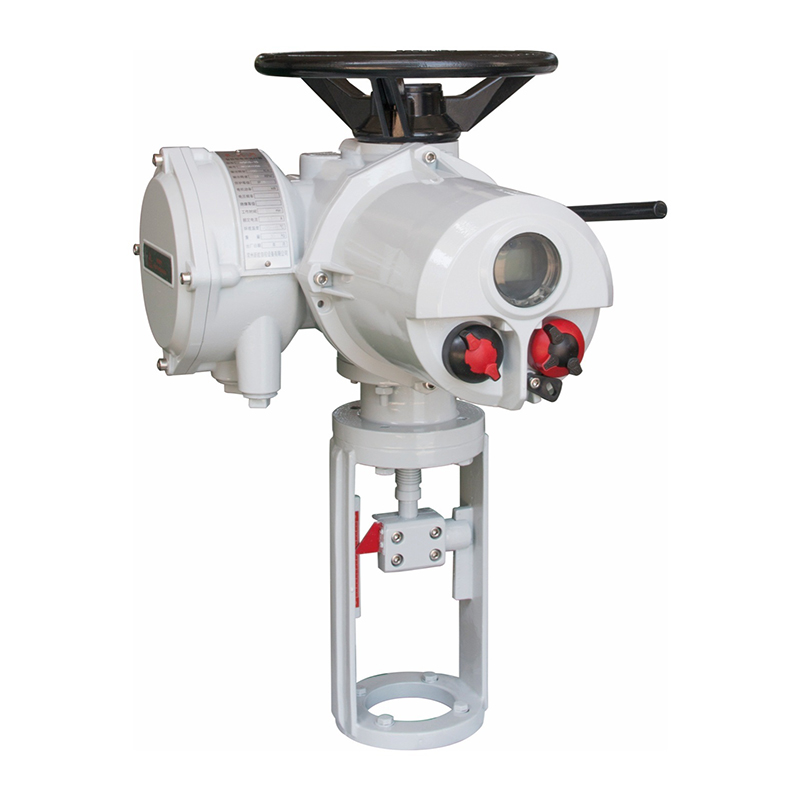
AKML linear stroke adjustable intelligent electric actuator, suitable for valves with linear thrust action, consists of ...
See Details -
Cat:Liner Electric Actuator
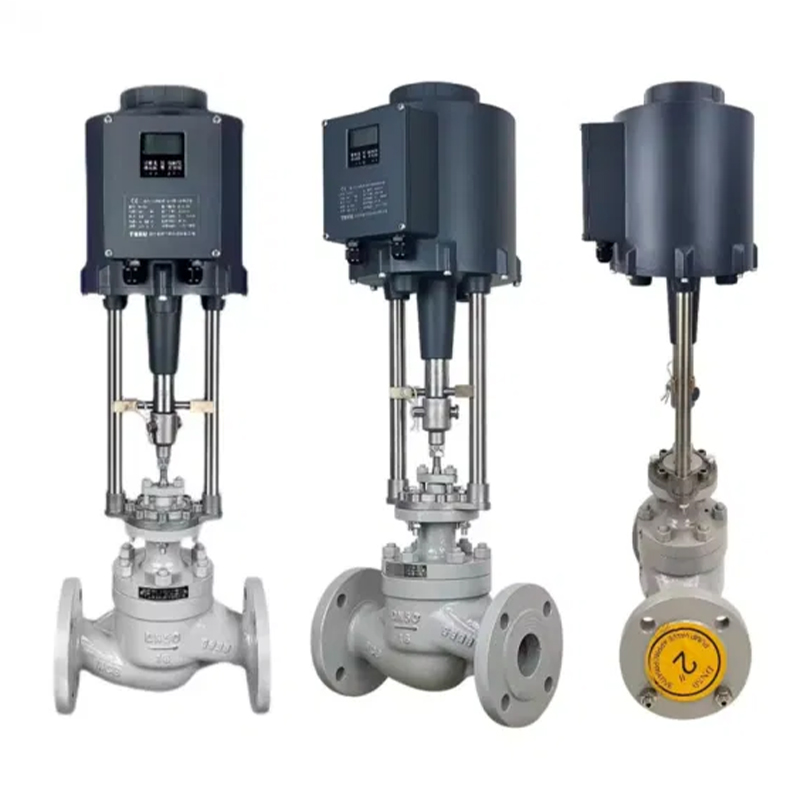
Mainly used in the industrial field, equipped with the new Keyou A8 intelligent valve actuator control system, it has po...
See Details
CONTACT US
Shape the Future of Product with Us!

QUICK LINKS
CONTACT INFORMATION
- ADDRESS: Laoli Industrial Park, Chaoyang Village, Hengshan Bridge Town, Wujin District, Changzhou City, Jiangsu Province, China
- TELEPHONE: 0086 15335008985
- EMAIL: [email protected]
MOBILE

Copyright 2024 Changzhou Xinneng Automatic Control Equipment Co., Ltd All Rights Reserved.
