
0086 15335008985


 русский
 Español
 Search
Home / News / Industry News / What are the key advantages of choosing an adl series digital intelligent linear electric actuator over competing electric actuator models?
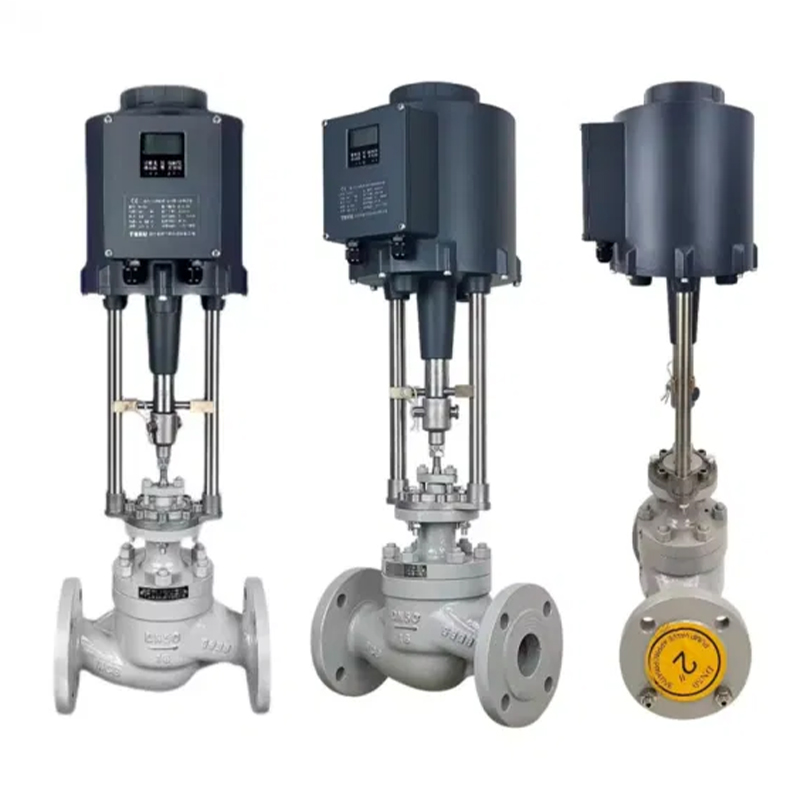
What are the key advantages of choosing an adl series digital intelligent linear electric actuator over competing electric actuator models?
The ADL Series Digital Intelligent Linear Electric Actuator has become a critical component in modern automation systems, offering precise control, enhanced reliability, and flexible integration capabilities.
Overview of ADL Series Digital Intelligent Linear Electric Actuator
The ADL Series Digital Intelligent Linear Electric Actuator is designed to convert electrical energy into precise linear motion, enabling controlled movement of valves, dampers, and other mechanical devices. Unlike conventional electric actuators, this series integrates digital control systems, intelligent feedback mechanisms, and robust mechanical design, making it suitable for applications across various industries, including industrial automation, HVAC, power generation, and process control.
The adoption of this actuator is driven by the growing need for high-precision motion control and the integration of devices into smart factory environments. Its design emphasizes accuracy, repeatability, and operational reliability, setting it apart from standard electric actuators.
Precision and Positioning Accuracy
One of the most significant advantages of the ADL Series Digital Intelligent Linear Electric Actuator is its high precision and positioning accuracy. Digital control mechanisms allow for fine adjustment of stroke length and output force, ensuring that valves or other linear devices reach the exact desired position. This feature is particularly valuable in industries where precision control of fluid or gas flow is critical, such as chemical processing, water treatment, and power plants.
Traditional actuators often rely on mechanical limit switches or analog controls, which can result in positioning errors over time. In contrast, the ADL series employs intelligent feedback systems, allowing real-time monitoring and adjustments to maintain consistent performance. The ability to accurately position mechanical components reduces operational inefficiencies and enhances process safety.
Intelligent Control and Integration Capabilities
The ADL Series Digital Intelligent Linear Electric Actuator is designed to integrate seamlessly into modern industrial control systems. It supports digital communication protocols such as Modbus, CANbus, and other standard industrial interfaces. This enables real-time monitoring, remote control, and diagnostic capabilities, which are increasingly required in Industry 4.0 environments.
Intelligent control allows the actuator to adapt to changes in operational conditions automatically. For example, the actuator can adjust its response to load variations or environmental changes without manual intervention. This feature reduces the need for frequent maintenance and ensures stable system performance.
Enhanced Reliability and Durability
Reliability is a critical consideration when selecting electric actuators. The ADL Series Digital Intelligent Linear Electric Actuator incorporates robust mechanical components and high-quality materials to withstand long-term operation in demanding environments. Its design minimizes wear and tear, ensuring consistent performance even under continuous or high-frequency operation.
Furthermore, the actuator features overload and thermal protection mechanisms, which help prevent damage from unexpected operational stresses. These protective features reduce downtime and extend the life of both the actuator and the equipment it controls.
Table 1: Reliability Features Comparison
| Feature | ADL Series Digital Intelligent Linear Electric Actuator | Standard Electric Actuator |
|---|---|---|
| Overload protection | Integrated | Often external or absent |
| Thermal protection | Built-in sensors | Limited or none |
| Wear-resistant components | High-quality alloys | Standard materials |
| Maintenance interval | Extended | Shorter, frequent checks |
This table highlights how the ADL series is engineered for long-term reliability, which is an advantage for industrial operations seeking low-maintenance solutions.
Energy Efficiency and Operational Cost Savings
Energy efficiency is another notable advantage of the ADL Series Digital Intelligent Linear Electric Actuator. Its digital motor control and optimized drive mechanisms reduce energy consumption compared to older or analog actuators. In processes that involve continuous or cyclical operation, these energy savings can be significant, contributing to lower operational costs over time.
Additionally, predictive maintenance capabilities reduce unexpected failures and operational interruptions. By monitoring actuator performance and signaling maintenance needs before issues occur, businesses can optimize maintenance schedules and minimize downtime, further reducing costs.
Versatility in Industrial Applications
The ADL Series Digital Intelligent Linear Electric Actuator offers versatile application options. Its adaptable design allows it to handle a wide range of stroke lengths, output forces, and environmental conditions. Common industrial applications include:
- Linear valve actuation in water treatment and chemical processing
- Damper control in HVAC systems
- Precision positioning in assembly lines and automated machinery
- Flow regulation in power generation plants
The actuator’s IP-rated protection and resistance to harsh conditions make it suitable for both indoor and outdoor applications. Its adaptability enables manufacturers and system integrators to deploy a single actuator model across multiple processes, simplifying procurement and inventory management.
Safety and Compliance Advantages
In industrial operations, safety and compliance are paramount. The ADL Series Digital Intelligent Linear Electric Actuator is designed to meet rigorous industry standards and certifications. Its built-in diagnostic and fault detection features allow operators to identify issues before they escalate, reducing the risk of accidents or damage to connected equipment.
In addition, its smooth and controlled motion reduces mechanical shocks and the potential for system instability. These safety features are particularly important in high-risk environments, such as chemical plants, refineries, and energy production facilities.
Ease of Installation and Commissioning
Compared to traditional actuators, the ADL Series Digital Intelligent Linear Electric Actuator is designed for simplified installation and commissioning. Pre-configured digital settings and straightforward interface options allow system integrators to quickly set up stroke limits, force parameters, and communication links. This reduces setup time and lowers the likelihood of errors during commissioning.
Moreover, remote configuration capabilities enable engineers to adjust actuator settings without physically accessing equipment, which is particularly beneficial in large-scale or hard-to-reach installations.
Comparison with Competing Electric Actuators
When compared to competing electric actuator models, the ADL Series Digital Intelligent Linear Electric Actuator stands out in several key areas:
| Advantage | ADL Series Digital Intelligent Linear Electric Actuator | Competing Electric Actuators |
|---|---|---|
| Positioning accuracy | High (digital feedback control) | Medium (mechanical or analog) |
| Integration | Supports multiple digital protocols | Limited or proprietary interfaces |
| Reliability | Long-term, low maintenance | Shorter lifespan, frequent maintenance |
| Energy efficiency | Optimized digital motor control | Less efficient analog drives |
| Safety | Built-in diagnostics and protections | Basic or optional only |
| Versatility | Wide range of strokes and outputs | Narrower application scope |
This comparison demonstrates why the ADL series is increasingly chosen for applications requiring precision, flexibility, and long-term operational reliability.
Buyer Considerations
For potential buyers, several factors make the ADL Series Digital Intelligent Linear Electric Actuator a strategic choice:
- Operational efficiency – Reduces energy consumption and maintenance needs.
- Integration flexibility – Compatible with modern control systems and automation networks.
- Application versatility – Suitable for diverse industrial environments.
- Reliability and safety – Minimizes downtime and operational risks.
- Cost-effectiveness over time – Higher initial investment may be offset by lower maintenance and operational costs.
Investing in an ADL series actuator supports both short-term project requirements and long-term operational goals, making it a preferred option for industrial decision-makers.
Future Trends and Industry Implications
The demand for digital intelligent actuators continues to rise due to the growth of Industry 4.0, smart factories, and automated production lines. The ADL Series Digital Intelligent Linear Electric Actuator exemplifies this trend by integrating digital intelligence, remote monitoring, and adaptive control, ensuring it remains relevant in evolving industrial contexts.
As industries increasingly adopt predictive maintenance, energy-efficient processes, and precise motion control, actuators like the ADL series will play a central role in optimizing performance and reducing operational risks.
The ADL Series Digital Intelligent Linear Electric Actuator offers clear advantages over traditional and competing electric actuator models, including high precision, intelligent control, operational reliability, energy efficiency, versatility, and enhanced safety. Its integration capabilities and ease of installation make it a strong choice for modern industrial automation systems.
Previous Post
How does air consumption differ between various models of stainless steel pneumatic valve actuator?
Next Post
What materials and sealing technologies are used to ensure long-term durability in the QC Series Partial Rotary Electric Actuator?
Related Products
-
-
Cat:Coal Mine Valves
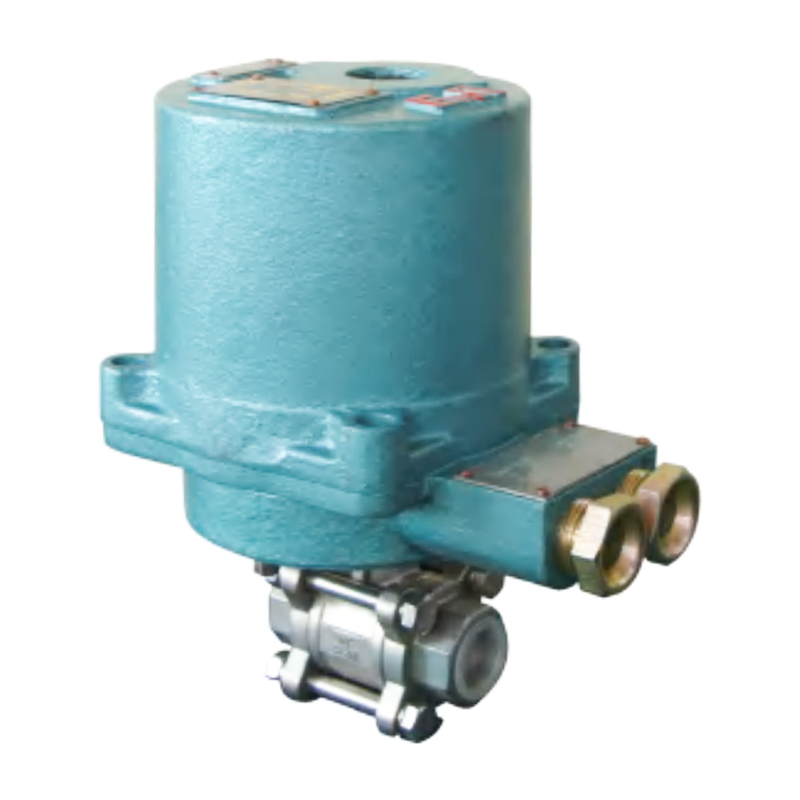
The MGQ Small Caliber High-Pressure Electric Valve is an integrated electromechanical valve engineered specifically for...
See Details -
Cat:Multi Turn Electric Actuator
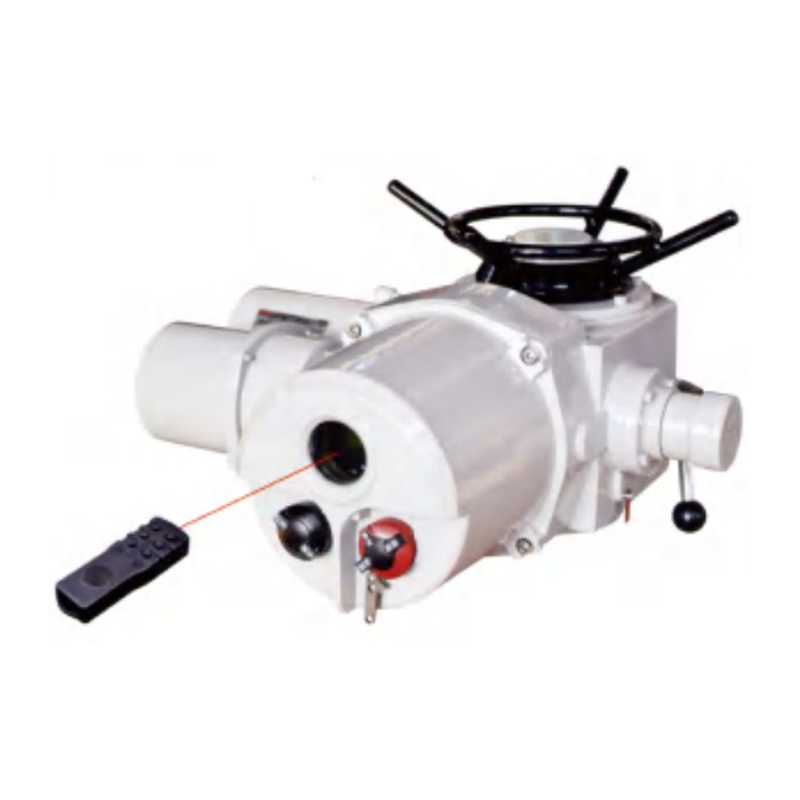
The CND-Z series is a multi turn intelligent non-invasive electric device that introduces the latest analog digital tech...
See Details
CONTACT US
Shape the Future of Product with Us!

QUICK LINKS
CONTACT INFORMATION
- ADDRESS: Laoli Industrial Park, Chaoyang Village, Hengshan Bridge Town, Wujin District, Changzhou City, Jiangsu Province, China
- TELEPHONE: 0086 15335008985
- EMAIL: [email protected]
MOBILE

Copyright 2024 Changzhou Xinneng Automatic Control Equipment Co., Ltd All Rights Reserved.
