0086 15335008985


 русский
 Español
Cat:Quarter Turn Electric Actuator
The AUKEMA partially rotating intelligent electric actuator has two control types: AKQ intelligent switch type and AKQM ...
See Details
 Search
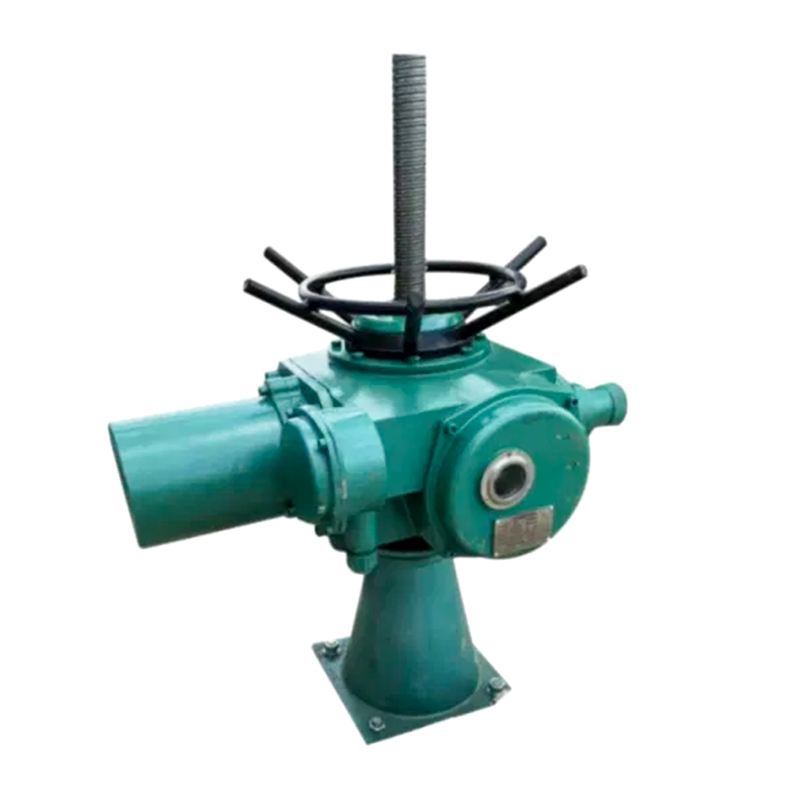
In modern industrial automation, the need for consistent operational stability has become a central factor influencing equipment selection. Automation systems across water treatment plants, manufacturing workshops, power distribution sites, and pipeline control environments must maintain reliable operation even under challenging electrical conditions. It is within this context that qs/qs-y intelligent electric actuators have become a widely used solution for achieving controlled, precise, and predictable valve motion.
Many automation systems operate in environments where the electrical supply cannot remain entirely stable. Voltage fluctuations, short-term drops, or power loss can result from various causes such as grid switching, equipment overload, wiring conditions, or temporary supply imbalance. qs/qs-y intelligent electric actuators are frequently used in critical control loops where valve movement directly affects system flow, pressure, or safety boundaries. Therefore, voltage stability and continuous power availability are essential considerations.
Because these actuators often operate with electric motor drive systems, electronic control modules, and microprocessor-based logic boards, they must be capable of responding efficiently whenever an electrical irregularity occurs. The actuator not only controls mechanical valve movement but must also monitor internal states such as torque load, limit positions, drive current, and command signals. If power becomes unstable, the actuator must preserve command integrity without causing unintended motion.
When assessing electrical stability challenges, it is important to understand the typical disturbance patterns that actuators may experience:
Each one of these conditions can influence actuator performance if not properly mitigated by internal protection systems. qs/qs-y intelligent electric actuators are equipped with several layers of functionality designed to handle these scenarios in a controlled manner.
qs/qs-y intelligent electric actuators operate using a microprocessor-based control system. This internal processing system monitors command signals, valve position, motor activity, and internal sensor data. When voltage irregularities occur, the intelligent logic prevents abrupt or uncontrolled actuation. The control architecture is designed to halt the actuator in a safe and stable manner, preventing torque overshoot or unintended direction reversal.
A key characteristic is that the actuator’s logic ensures that motion stops in a predictable and safe state whenever power loss is detected. This prevents misalignment of valve position, mechanical stress on the gearbox, or accidental opening or closing of the valve.
To handle voltage instability, qs/qs-y intelligent electric actuators typically include:
These features allow the actuator to maintain operational safety without requiring external intervention.
When power is suddenly lost, qs/qs-y intelligent electric actuators engage in a controlled stop. The internal electronics ensure that the motor does not abruptly reverse, stall under load, or continue to move unintentionally. The actuator mechanically holds its last position, maintaining valve stability.
During a sudden power cut, the system preserves:
This controlled stop mechanism ensures that, upon restoration, the actuator does not lose alignment with the rest of the system.
Because qs/qs-y intelligent electric actuators utilize gear reduction mechanisms with high mechanical holding torque, the valve position remains stable even without electrical power. The motor is not required to actively hold position; the mechanical configuration ensures that the valve stays in place.
This feature is particularly important in process control applications where unintended valve motion could disrupt operational balance, such as maintaining fluid containment or preserving system pressure.
qs/qs-y intelligent electric actuators contain data retention features, allowing internal parameters to remain stored during power loss. These include:
The preservation of these parameters enables the actuator to resume operation without requiring full reconfiguration. This is beneficial for maintenance departments because it reduces downtime and ensures consistent operation after power restoration.
Voltage instability can influence actuator performance if not properly managed. qs/qs-y intelligent electric actuators utilize undervoltage detection circuits that continuously monitor supply voltage levels. When the voltage falls below a defined threshold, the actuator automatically stops to prevent:
This automatic halt protects both mechanical and electronic components.
Overvoltage conditions may arise from grid switching or transient electrical events. qs/qs-y intelligent electric actuators use dedicated protective circuits designed to:
By limiting exposure to high voltage, the system ensures long-term reliability.
The intelligent controller inside qs/qs-y intelligent electric actuators adapts its behavior when fluctuations are detected. The microprocessor evaluates real-time inputs and suppresses actuator motion until stable voltage is restored. This prevents unpredictable movement caused by inconsistent power supply.
It also ensures that the actuator’s internal feedback systems do not misreport valve position or torque values during the disturbance.
When power returns, qs/qs-y intelligent electric actuators do not immediately resume full operation. The internal controller performs various checks to confirm electrical stability before enabling motor output. This soft-start behavior includes:
Once these steps are confirmed, the actuator resumes normal operation, ensuring that system components are not stressed by sudden torque application.
Depending on the configuration, qs/qs-y intelligent electric actuators may:
This design prevents operational mismatches between the actuator and supervisory control systems.
qs/qs-y intelligent electric actuators incorporate diagnostic features that record voltage irregularities and interruption events. This information is valuable for preventive maintenance and system optimization. Engineers can evaluate patterns to determine whether power quality improvements are required.
The diagnostic system can capture:
Many users search for terms such as “actuator communication stability during power issues” or “how intelligent actuators maintain signal reliability”. qs/qs-y intelligent electric actuators maintain stable communication by ensuring that when voltage disturbances occur, the communication module adopts a safe state rather than transmitting incomplete or misaligned data. This prevents incorrect instructions from reaching upper-level systems.
The torque limit system inside qs/qs-y intelligent electric actuators prevents mechanical overload during electrical disruptions. When voltage drops, the actuator avoids attempting to operate under insufficient power conditions, protecting both the valve and the drive components.
In systems where voltage instability could cause unintended actuation in less advanced devices, qs/qs-y intelligent electric actuators are specifically designed to avoid this risk. The internal logic freezes position and awaits stable conditions before processing new motion commands.
Manufacturers and buyers searching for “long-term reliability of intelligent actuators under voltage fluctuation” often prioritize systems that include robust electrical protection. These actuators are built with components selected for durability under repeated voltage disturbance scenarios.
To help buyers understand how qs/qs-y intelligent electric actuators meet industrial requirements, the following table summarizes common concerns and the corresponding actuator response mechanisms.
| Buyer Concern | Response of qs/qs-y intelligent electric actuators |
|---|---|
| Sudden power failure | Controlled stop with mechanical position retention |
| Voltage instability | Automated protection and operational suppression |
| Restart safety | Soft-start and system verification |
| Valve accuracy | Stored calibration and position memory |
| Communication reliability | Safe-state transmission during disturbance |
| Maintenance planning | Diagnostic logs for electrical events |
Industrial applications such as fluid distribution, heating systems, and automated pipeline networks rely heavily on precise valve control. qs/qs-y intelligent electric actuators must maintain reliable performance even when local electrical conditions are less than ideal.
Locations with inconsistent grid quality, exposure to weather, or long cable runs benefit from the voltage stability functions integrated into these actuators. The mechanical holding ability and intelligent control prevent unintended behavior.
Facilities requiring 24-hour operation need actuators capable of handling unexpected electrical interruptions without compromising safety or process accuracy.
Industrial buyers often search for “intelligent actuator voltage protection”, “electric actuator safety in power outage”, and “actuator system reliability under unstable power supply” because electrical disturbances directly affect system integrity. Choosing actuators with well-designed power protection reduces:
These features also support compliance with industrial operational standards emphasizing stable and predictable system behavior.
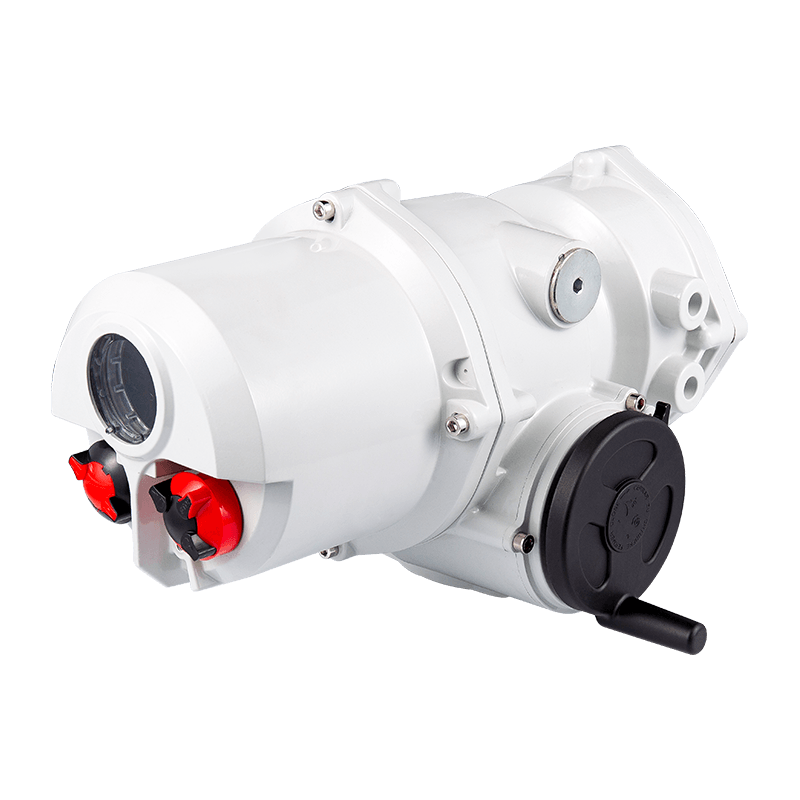
The AUKEMA partially rotating intelligent electric actuator has two control types: AKQ intelligent switch type and AKQM ...
See Details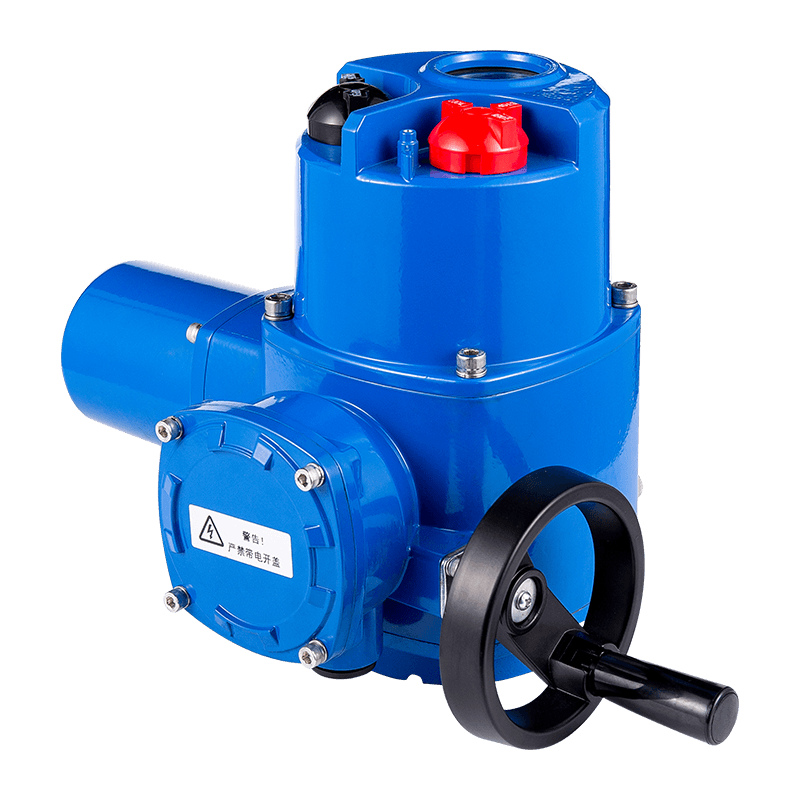
The QL series of rotary valve electric devices includes ordinary, integral, regulating, intelligent, explosion-proof and...
See Details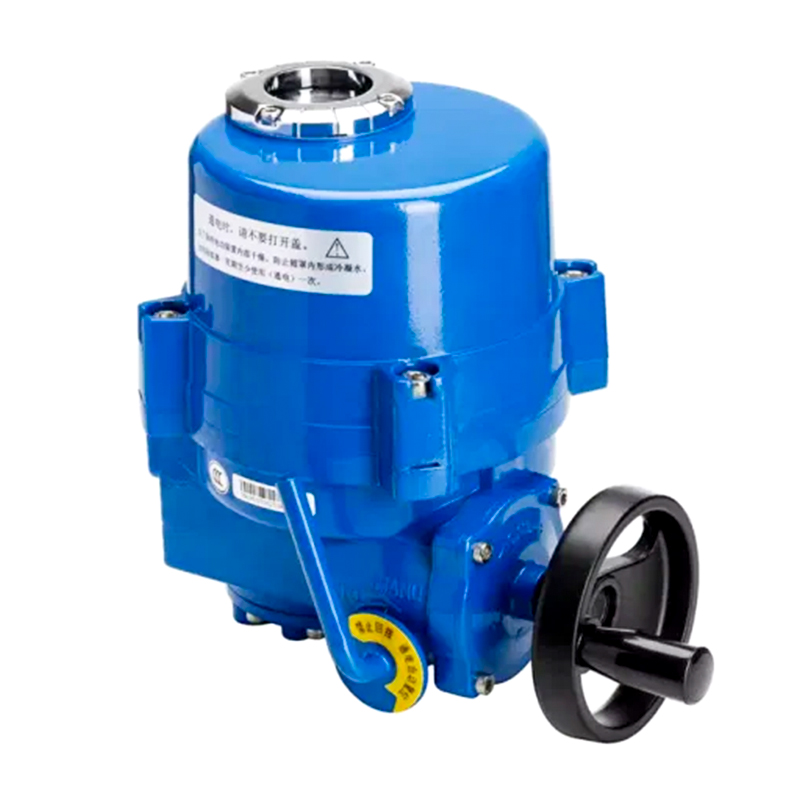
The QM series partial rotary valve electric device includes ordinary switch type, integral type, regulating type, intell...
See Details

Copyright 2024 Changzhou Xinneng Automatic Control Equipment Co., Ltd All Rights Reserved.